
Ribs And Sauerkraut
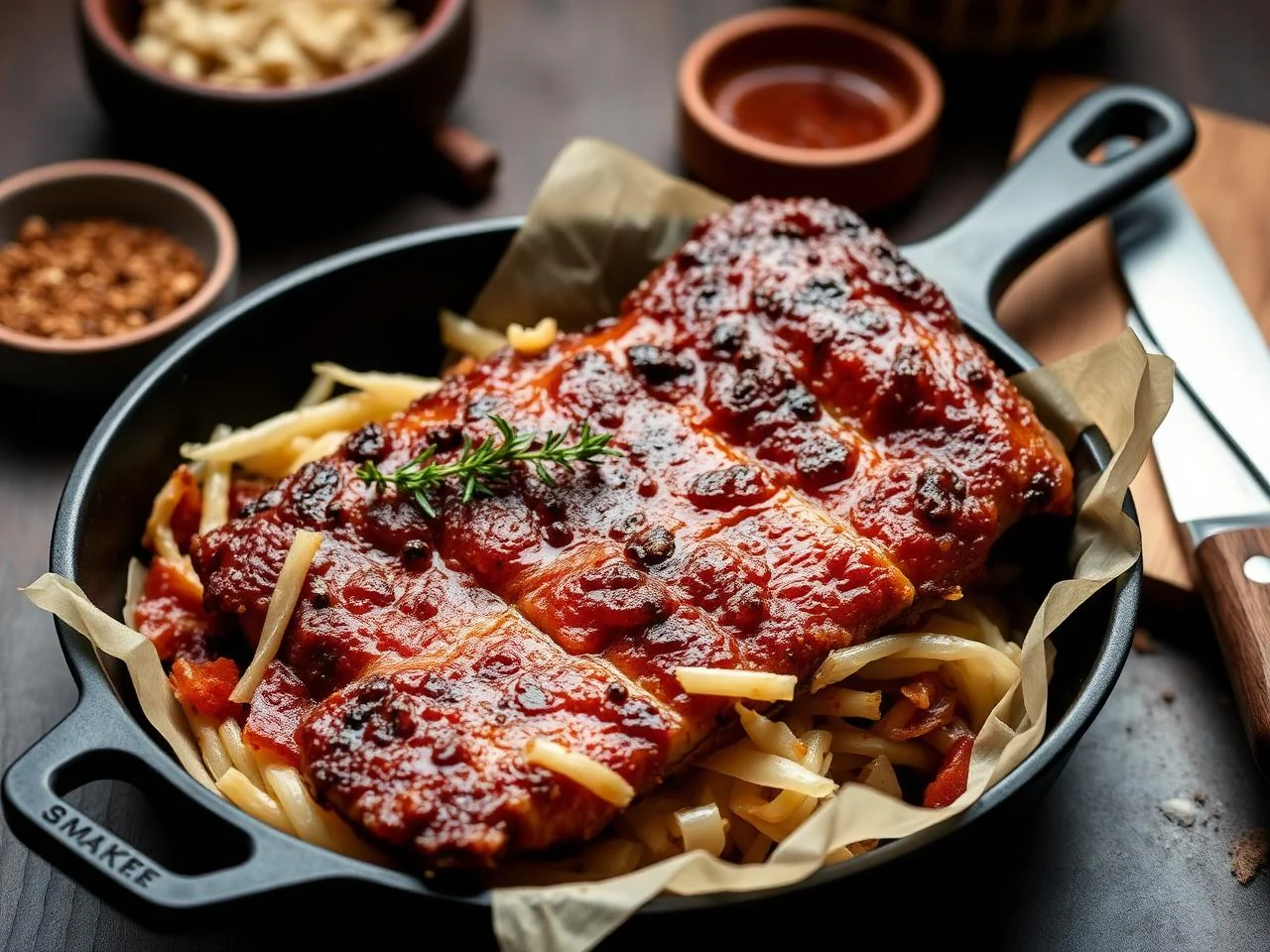
I still remember the first time I made ribs and sauerkraut for my family gathering. The combination of tender, smoky ribs and the tangy crunch of sauerkraut was an instant hit. Since then, it's become a staple in our household, especially during the colder months when a hearty, comforting meal is just what we need.
What I love about this recipe is how it brings together the richness of pork ribs with the bold, slightly sour taste of sauerkraut, all in one deliciously balanced dish. It's not just about throwing some ribs and sauerkraut together, though; it's about taking the time to slow cook the ribs until they're fall-off-the-bone tender and then pairing them with sauerkraut that's been infused with the savory flavors of bacon and caraway seeds.
This recipe is perfect for anyone looking to impress their friends and family with a dish that's both comforting and impressive. Whether you're a seasoned cook or just starting out, the steps are easy to follow, and the result is well worth the effort. So, let's dive into the world of smoky, savory goodness and explore how to make the perfect ribs and sauerkraut.
One of the best things about this recipe is its versatility. You can make it for a weeknight dinner, a special occasion, or even as part of a larger spread for a party. The ribs and sauerkraut can be made ahead of time, which makes it perfect for busy schedules or when you need to plan ahead. Plus, the leftovers are just as delicious, making it a practical choice for anyone looking to cook once and eat twice.
In the following recipe, I'll guide you through the process of making ribs and sauerkraut that will become a staple in your household. From the initial preparation to the final serving, I'll share tips, tricks, and the reasoning behind each step to ensure that your dish turns out perfectly every time.
Why You’ll Love This Recipe
- This recipe is easy to make and requires minimal supervision once the ribs are in the oven.
- It's a crowd-pleaser, perfect for family gatherings, parties, or special occasions.
- The combination of smoky ribs and tangy sauerkraut is a match made in heaven, offering a unique flavor profile that will leave everyone wanting more.
- The dish is budget-friendly, as ribs and sauerkraut are relatively inexpensive ingredients.
- It's a make-ahead recipe, allowing you to prepare the ribs and sauerkraut ahead of time and then simply assemble and serve when needed.
- The leftovers are just as delicious as the freshly made dish, making it a practical choice for meal prep or planning ahead.
Why This Recipe Works
The magic behind this recipe lies in the combination of low and slow cooking for the ribs, which breaks down the collagen and makes the meat incredibly tender, and the caramelization of the bacon and onions, which adds a depth of flavor to the sauerkraut.
The key to achieving tender ribs is to cook them at a low temperature for a long period. This method not only makes the meat tender but also allows the flavors to penetrate deep into the ribs. The use of an instant-read thermometer ensures that the ribs are cooked to a safe internal temperature, which is crucial for food safety.
The sauerkraut, infused with the smoky flavor of bacon and the slight bitterness of caraway seeds, provides a beautiful contrast to the richness of the ribs. By cooking the sauerkraut with the bacon and onions, we're able to mellow out its sourness and create a harmonious balance of flavors.
Lastly, the resting time for the ribs is crucial. It allows the juices to redistribute, making the ribs even more tender and flavorful when served. This step is often overlooked but is essential for achieving the perfect texture and taste.
Ingredients You’ll Need
When it comes to the ingredients, the key players are, of course, the ribs and the sauerkraut. However, it's the supporting cast - the bacon, onions, caraway seeds, and brown sugar - that really makes this dish shine. Look for high-quality, meaty ribs and fresh sauerkraut for the best results. As for the bacon, thicker cuts work better as they provide a nicer texture contrast.
Shopping tip: If you can't find caraway seeds, you can substitute them with a combination of fennel seeds and coriander seeds, though the flavor will be slightly different. Also, consider using apple cider vinegar if you prefer a milder flavor in your sauerkraut.
- 2 lbs (900g) pork ribsLook for meaty ribs with a good balance of fat and lean meat. The fat will help keep the ribs moist during the long cooking process.
- 1 lb (450g) sauerkraut, drainedFresh sauerkraut works best for this recipe. If using canned, rinse it first to remove excess salt.
- 6 slices of bacon, cut into 1-inch piecesThicker bacon is preferable as it provides a better texture. You can also use smoked bacon for added depth of flavor.
- 1 large onion, choppedAny color onion will work, but sweet onions like Vidalia will add a touch of sweetness to the dish.
- 2 tbsp brown sugarBrown sugar adds a richness and depth to the sauerkraut. You can also use honey or maple syrup as substitutes.
- 1 tsp caraway seedsCaraway seeds provide a unique flavor. If you can't find them, a mix of fennel and coriander seeds can be used as a substitute.
- 1 tsp smoked paprikaSmoked paprika adds a smoky depth to the ribs. Regular paprika can be used, but the smoky flavor will be missing.
- 1 tsp garlic powderGarlic powder is used for convenience, but you can also use 3 cloves of minced fresh garlic as a substitute.
- 1 tsp saltUse kosher salt for better flavor. Table salt can be used, but reduce the amount as it's finer and can be saltier.
- 1/2 tsp black pepperFreshly ground black pepper is best for flavor. Adjust the amount to your taste.
- 2 tbsp apple cider vinegarApple cider vinegar helps balance the flavors in the sauerkraut. White vinegar or wine vinegar can be used as substitutes.
- 2 tbsp olive oilOlive oil is used for its rich flavor. Any other oil with a high smoke point can be used, such as avocado oil.
Equipment You’ll Need
How to Make Ribs And Sauerkraut
- 1Preheat your oven to 300°F (150°C). While the oven is heating up, prepare the ribs by removing the membrane from the back of the ribs to help the rub penetrate and the ribs cook more evenly.
- 2In a small bowl, mix together the smoked paprika, garlic powder, salt, and black pepper to create the dry rub for the ribs.
- 3Apply the dry rub evenly to both sides of the ribs, making sure they are fully coated.
- 4Place the ribs on an oven-safe wire rack set over a large baking sheet or a broiler pan, bone side down. This setup allows air to circulate under the ribs, promoting even cooking.
- 5Place the ribs in the oven and cook for 2 hours. After 2 hours, begin checking the internal temperature of the ribs. They are done when they reach an internal temperature of 160°F (71°C) and the meat starts to pull away from the bones.
- 6While the ribs are cooking, prepare the sauerkraut. In a large skillet, cook the bacon over medium heat until it's crispy. Remove the bacon from the skillet with a slotted spoon and set it aside on a paper towel-lined plate.
- 7In the same skillet with the bacon grease, add the chopped onion and cook until it's translucent and starting to caramelize, about 8-10 minutes.
- 8Add the caraway seeds to the skillet with the onions and cook for 1 minute, stirring constantly to prevent burning.
- 9Add the sauerkraut, brown sugar, smoked paprika, salt, and pepper to the skillet. Stir well to combine, then add the cooked bacon back into the skillet.
- 10Cook the sauerkraut mixture for about 10-15 minutes, stirring occasionally, until it's heated through and the flavors have melded together.
- 11Once the ribs are done, remove them from the oven and let them rest for 10-15 minutes before cutting them into individual portions.
- 12Serve the ribs with the sauerkraut and bacon mixture spooned over the top. Drizzle with a bit of apple cider vinegar and olive oil to finish the dish.
Expert Tips
- For extra tender ribs, wrap them in foil during the last 30 minutes of cooking. This step is called the 'Texas Crutch' and helps retain moisture.
- If using a gas grill, you can finish the ribs on the grill for a few minutes per side to add a smoky flavor and a nice char.
- Always let the ribs rest before serving. This allows the juices to redistribute, making the ribs more tender and flavorful.
- Experiment with different types of vinegar in the sauerkraut for varying levels of acidity and flavor.
- Consider adding some diced apples or pears to the sauerkraut for added sweetness and texture.
- For a spicy kick, add some red pepper flakes to the dry rub or the sauerkraut mixture.
- Keep an eye on the temperature of your oven, as it can affect the cooking time of the ribs. An instant-read thermometer is your best friend in ensuring the ribs are cooked to a safe internal temperature.
- Don't overcrowd the skillet when cooking the bacon and onions. Cook in batches if necessary, to ensure everything cooks evenly.
Common Mistakes to Avoid
- Not removing the membrane from the back of the ribs, which can make them tougher and less flavorful.
- Overcooking the ribs, which can make them dry and less tender.
- Not letting the ribs rest before serving, which can result in less flavorful and less tender meat.
- Using low-quality sauerkraut that's too sour or has an off flavor.
- Not cooking the bacon until it's crispy, which can affect the overall texture of the dish.
- Adding too much brown sugar, which can make the sauerkraut too sweet and overpowering.
Variations and Substitutions
- Use different types of ribs, such as baby back ribs or St. Louis-style pork ribs, for varying levels of meatiness and flavor.
- Add some beer to the sauerkraut mixture for added depth of flavor.
- Use different types of vinegar, such as white wine vinegar or balsamic vinegar, for varying levels of acidity and flavor.
- Add some diced sausage, such as knockwurst or bratwurst, to the sauerkraut mixture for added protein and flavor.
- Use different types of seeds, such as fennel seeds or coriander seeds, for varying levels of flavor and texture.
- Add some grated carrots or beets to the sauerkraut mixture for added color and nutrition.
- Use a slow cooker to cook the sauerkraut mixture, which can be a convenient and hands-off way to prepare the dish.
What to Serve With Ribs And Sauerkraut
Ribs and sauerkraut are best served hot, garnished with fresh parsley or chives for a pop of color and freshness. Consider serving with some crusty bread or over mashed potatoes to soak up the juices.
For a more substantial meal, add some roasted vegetables, such as Brussels sprouts or carrots, to the plate. A side salad with a light vinaigrette can also provide a nice contrast to the richness of the ribs and sauerkraut.
Make-Ahead, Storage, Freezing and Reheating
The ribs and sauerkraut can be made ahead of time and stored in the refrigerator for up to 3 days. To reheat, simply place the ribs in the oven at 300°F (150°C) for about 10-15 minutes, or until heated through, and warm the sauerkraut in a skillet over medium heat, stirring occasionally.
For longer storage, the ribs and sauerkraut can be frozen. Wrap the ribs tightly in plastic wrap or aluminum foil and place them in a freezer-safe bag. The sauerkraut can be frozen in an airtight container or freezer bag. When ready to eat, thaw overnight in the refrigerator and reheat as described above.
To prevent drying out when reheating, make sure to cover the ribs with foil and add a bit of liquid, such as apple cider vinegar or beer, to the sauerkraut to keep it moist. Reheating in a slow cooker is also a great way to keep the dish moist and flavorful.
Leftovers can be used in a variety of dishes, such as sandwiches, salads, or as a topping for baked potatoes. The sauerkraut can also be used as a side dish on its own or added to other recipes, such as soups or stews, for extra flavor.
Frequently Asked Questions
What type of ribs is best for this recipe?
Any type of pork ribs can be used, but meatier ribs like St. Louis-style pork ribs or baby back ribs work best. Avoid using beef ribs, as they have a different cooking time and may not be as tender.
Can I use canned sauerkraut?
Yes, canned sauerkraut can be used, but make sure to rinse it first to remove excess salt. Fresh sauerkraut is preferred for better flavor and texture.
How do I know when the ribs are done?
The ribs are done when they reach an internal temperature of 160°F (71°C) and the meat starts to pull away from the bones. Use an instant-read thermometer to check the internal temperature.
Can I cook the ribs on a gas grill?
Yes, the ribs can be finished on a gas grill for a few minutes per side to add a smoky flavor and a nice char. However, cooking them entirely on the grill may not provide the same level of tenderness as oven cooking.
What can I serve with ribs and sauerkraut?
Ribs and sauerkraut can be served with a variety of sides, such as crusty bread, mashed potatoes, roasted vegetables, or a side salad. Consider adding some diced sausage or bacon to the sauerkraut for added protein and flavor.
Can I make ribs and sauerkraut ahead of time?
Yes, the ribs and sauerkraut can be made ahead of time and stored in the refrigerator for up to 3 days or frozen for longer storage. Reheat the ribs in the oven and warm the sauerkraut in a skillet over medium heat.
How do I prevent the ribs from drying out?
To prevent the ribs from drying out, make sure to cover them with foil during the last 30 minutes of cooking and add a bit of liquid, such as apple cider vinegar or beer, to the sauerkraut to keep it moist. Letting the ribs rest before serving also helps to redistribute the juices and keep the meat tender.
Can I use different types of vinegar in the sauerkraut?
Yes, different types of vinegar, such as white wine vinegar or balsamic vinegar, can be used in the sauerkraut for varying levels of acidity and flavor. Apple cider vinegar is preferred for its mild flavor and hint of sweetness.
Ingredients
- 2 lbs (900g) pork ribs
- 1 lb (450g) sauerkraut, drained
- 6 slices of bacon, cut into 1-inch pieces
- 1 large onion, chopped
- 2 tbsp brown sugar
- 1 tsp caraway seeds
- 1 tsp smoked paprika
- 1 tsp garlic powder
- 1 tsp salt
- 1/2 tsp black pepper
- 2 tbsp apple cider vinegar
- 2 tbsp olive oil
Instructions
- Preheat your oven to 300°F (150°C). While the oven is heating up, prepare the ribs by removing the membrane from the back of the ribs to help the rub penetrate and the ribs cook more evenly.
- In a small bowl, mix together the smoked paprika, garlic powder, salt, and black pepper to create the dry rub for the ribs.
- Apply the dry rub evenly to both sides of the ribs, making sure they are fully coated.
- Place the ribs on an oven-safe wire rack set over a large baking sheet or a broiler pan, bone side down. This setup allows air to circulate under the ribs, promoting even cooking.
- Place the ribs in the oven and cook for 2 hours. After 2 hours, begin checking the internal temperature of the ribs. They are done when they reach an internal temperature of 160°F (71°C) and the meat starts to pull away from the bones.
- While the ribs are cooking, prepare the sauerkraut. In a large skillet, cook the bacon over medium heat until it's crispy. Remove the bacon from the skillet with a slotted spoon and set it aside on a paper towel-lined plate.
- In the same skillet with the bacon grease, add the chopped onion and cook until it's translucent and starting to caramelize, about 8-10 minutes.
- Add the caraway seeds to the skillet with the onions and cook for 1 minute, stirring constantly to prevent burning.
- Add the sauerkraut, brown sugar, smoked paprika, salt, and pepper to the skillet. Stir well to combine, then add the cooked bacon back into the skillet.
- Cook the sauerkraut mixture for about 10-15 minutes, stirring occasionally, until it's heated through and the flavors have melded together.
- Once the ribs are done, remove them from the oven and let them rest for 10-15 minutes before cutting them into individual portions.
- Serve the ribs with the sauerkraut and bacon mixture spooned over the top. Drizzle with a bit of apple cider vinegar and olive oil to finish the dish.