
Pork Spare Ribs
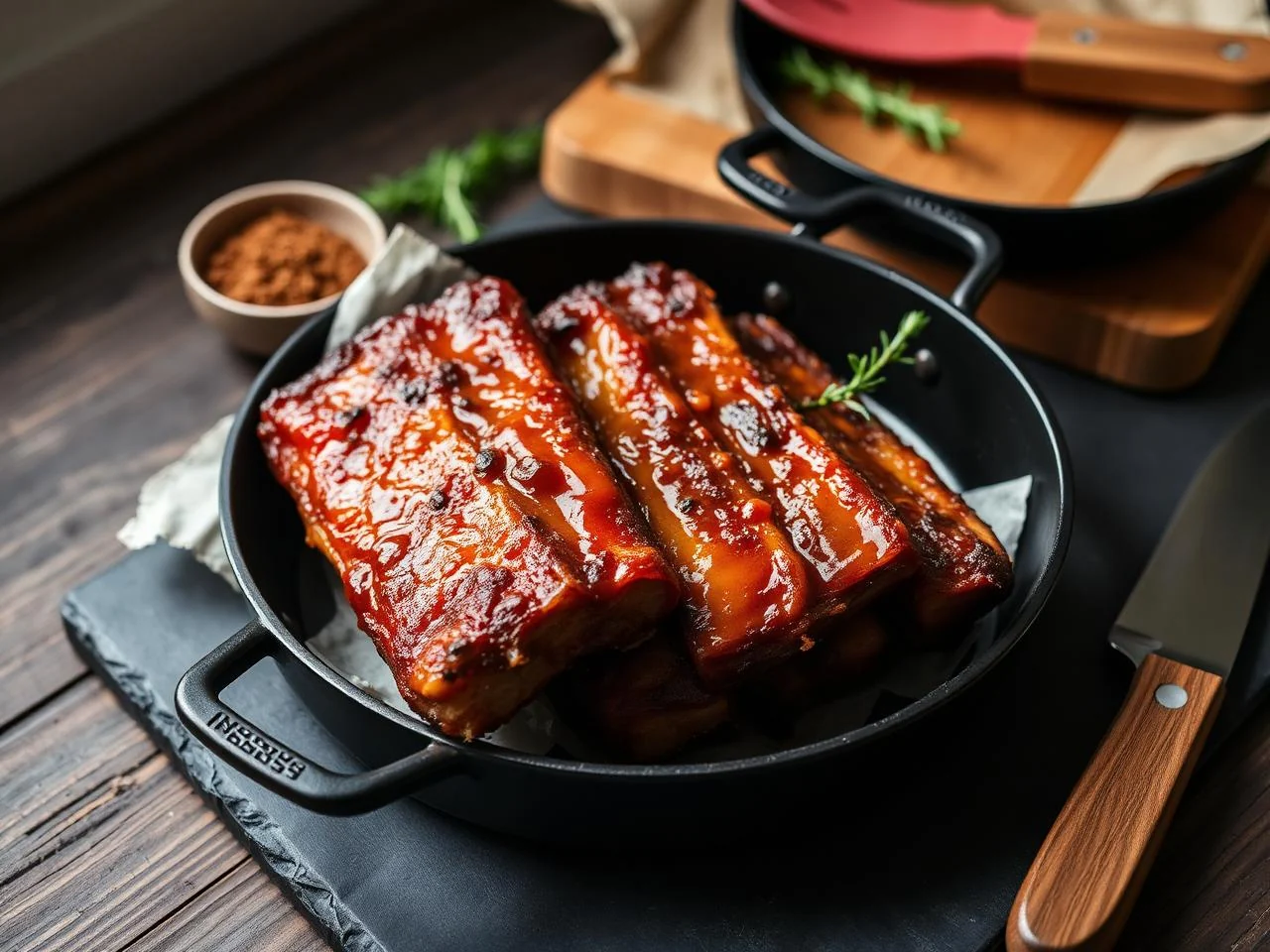
There's something special about a rack of pork spare ribs, slow-cooked to perfection and slathered in your favorite barbecue sauce. As a home cook who's passionate about comfort food, I've spent years perfecting my spare ribs recipe, and I'm excited to share it with you. Whether you're a seasoned grill master or just starting out, this recipe is designed to be accessible and easy to follow, with tips and tricks to help you achieve that perfect, fall-off-the-bone tenderness.
My journey with spare ribs began on a sunny afternoon, when I first tried them at a family barbecue. I was immediately hooked by the combination of the tender meat, the crispy exterior, and the rich, tangy sauce. From that day on, I was determined to recreate that magic in my own kitchen. After countless experiments and tweaks, I finally landed on a recipe that I'm proud to call my own.
This recipe is all about balance and patience. We'll start by prepping the ribs, removing the membrane to help the rub penetrate deeper into the meat. Then, we'll apply a dry rub that's packed with flavor, featuring a blend of spices, herbs, and a touch of brown sugar. The ribs will then be slow-cooked to break down the collagen, making the meat tender and juicy. Finally, we'll finish them off with a sweet and tangy barbecue sauce that adds a depth of flavor and a beautiful glaze.
One of the things I love about this recipe is its versatility. You can easily customize the dry rub and the barbecue sauce to suit your tastes, adding more or less of any ingredient to create your perfect flavor profile. Whether you're in the mood for something classic and traditional or adventurous and bold, this recipe is a great starting point.
So, if you're ready to dive into the world of slow-cooked, smoky pork spare ribs, you're in the right place. Let's get started, and I'll guide you through every step of the way, from prep to plate.
Why You’ll Love This Recipe
- These pork spare ribs are incredibly tender and fall-off-the-bone, making them a crowd-pleaser at any gathering.
- The recipe is easy to follow and requires minimal supervision, making it perfect for busy home cooks.
- The dry rub and barbecue sauce can be customized to suit your tastes, allowing you to create your perfect flavor profile.
- The ribs are perfect for a special occasion or a casual weekend barbecue, making them a versatile dish for any occasion.
- The recipe makes a large batch, making it ideal for feeding a crowd or having leftovers for later.
- The slow cooking process makes the ribs incredibly flavorful, with a depth of flavor that's hard to achieve with other cooking methods.
Why This Recipe Works
The secret to making great pork spare ribs lies in the combination of slow cooking and the right balance of flavors. By cooking the ribs low and slow, we break down the collagen in the meat, making it tender and fall-off-the-bone. The dry rub adds a depth of flavor that penetrates deep into the meat, while the barbecue sauce provides a sweet and tangy glaze that complements the richness of the pork.
Another key factor is the removal of the membrane from the back of the ribs. This allows the dry rub to penetrate deeper into the meat, ensuring that the flavors are evenly distributed throughout the ribs. Additionally, the slow cooking process helps to render out the fat, making the ribs less greasy and more tender.
The type of wood used for smoking also plays a crucial role in the flavor profile of the ribs. Different types of wood, such as hickory or apple, can impart unique flavors to the meat, ranging from strong and smoky to sweet and fruity. By choosing the right type of wood, you can add an extra layer of complexity to your ribs, making them even more delicious and memorable.
Finally, the resting time is essential to allow the juices to redistribute, making the ribs even more tender and flavorful. This step is often overlooked, but it's crucial in achieving that perfect, restaurant-quality texture and flavor.
Ingredients You’ll Need
When it comes to making great pork spare ribs, the ingredients are just as important as the technique. You'll need a few key ingredients, including pork spare ribs, a dry rub, and barbecue sauce. Look for high-quality ingredients, such as fresh herbs and spices, to ensure that your ribs have the best flavor possible.
One of the most important ingredients is the pork spare ribs themselves. Look for ribs that are meaty and have a good balance of fat and lean meat. This will ensure that the ribs are tender and flavorful, with a good balance of textures.
- 2 racks of pork spare ribs, about 4 pounds (1.8 kg) totalLook for ribs that are meaty and have a good balance of fat and lean meat, as this will ensure that the ribs are tender and flavorful.
- 1/2 cup (120 g) brown sugarBrown sugar adds a rich, caramel-like flavor to the ribs, and helps to balance out the acidity of the barbecue sauce.
- 2 tablespoons (30 g) smoked paprikaSmoked paprika adds a deep, smoky flavor to the ribs, and helps to enhance the overall flavor profile.
- 1 tablespoon (15 g) garlic powderGarlic powder adds a savory, slightly sweet flavor to the ribs, and helps to enhance the overall flavor profile.
- 1 tablespoon (15 g) onion powderOnion powder adds a savory, slightly sweet flavor to the ribs, and helps to enhance the overall flavor profile.
- 1 teaspoon (5 g) saltSalt helps to bring out the natural flavors of the ribs, and enhances the overall flavor profile.
- 1/2 teaspoon (2 g) black pepperBlack pepper adds a sharp, peppery flavor to the ribs, and helps to enhance the overall flavor profile.
- 1/4 cup (60 g) barbecue sauceBarbecue sauce adds a sweet, tangy flavor to the ribs, and helps to balance out the acidity of the other ingredients.
- 2 tablespoons (30 g) apple cider vinegarApple cider vinegar adds a tangy, slightly sweet flavor to the ribs, and helps to balance out the acidity of the other ingredients.
- 2 tablespoons (30 g) olive oilOlive oil helps to keep the ribs moist and flavorful, and enhances the overall flavor profile.
- 2 tablespoons chopped fresh parsleyParsley adds a fresh, herbal flavor to the ribs, and helps to enhance the overall flavor profile.
- 1 teaspoon (5 g) salt and pepper to tasteSalt and pepper help to bring out the natural flavors of the ribs, and enhance the overall flavor profile.
Equipment You’ll Need
How to Make Pork Spare Ribs
- 1Preheat your oven to 300°F (150°C). While the oven is heating up, prepare the dry rub by mixing together the brown sugar, smoked paprika, garlic powder, onion powder, salt, and black pepper in a small bowl.
- 2Remove the membrane from the back of the ribs, using a paper towel to help grip the membrane. This will help the dry rub penetrate deeper into the meat.
- 3Apply the dry rub to the ribs, making sure to coat them evenly. Let the ribs sit for 30 minutes to allow the rub to absorb into the meat.
- 4Place the ribs in a large skillet or Dutch oven, bone side down. Drizzle the olive oil over the ribs, and then add the apple cider vinegar. Cover the skillet with aluminum foil, and transfer it to the preheated oven.
- 5Bake the ribs for 2 hours, or until they reach an internal temperature of 160°F (71°C). Remove the foil, and brush the ribs with the barbecue sauce.
- 6Return the ribs to the oven, and bake for an additional 10-15 minutes, or until the sauce is caramelized and the ribs are tender.
- 7Remove the ribs from the oven, and let them rest for 10-15 minutes. This will help the juices to redistribute, making the ribs even more tender and flavorful.
- 8Slice the ribs into individual portions, and serve with additional barbecue sauce and parsley, if desired.
- 9To add a smoky flavor to the ribs, you can place wood chips or chunks in the oven with the ribs during the last 30 minutes of cooking. This will infuse the ribs with a rich, smoky flavor.
- 10Let the ribs cool completely, then wrap them tightly in aluminum foil or plastic wrap, and refrigerate or freeze for later use.
- 11To reheat the ribs, simply wrap them in foil and bake in a preheated oven at 300°F (150°C) for 10-15 minutes, or until heated through.
Expert Tips
- To add more flavor to the ribs, you can let them marinate in the dry rub for several hours or overnight before baking.
- Use a meat thermometer to ensure that the ribs reach a safe internal temperature of 160°F (71°C).
- Don't overcrowd the skillet or Dutch oven, as this can prevent the ribs from cooking evenly. Cook the ribs in batches if necessary.
- To make the ribs more tender, you can wrap them in foil and bake for an additional 30 minutes to 1 hour.
- Experiment with different types of wood chips or chunks to find the flavor that you like best.
- Let the ribs rest for 10-15 minutes before serving, as this will help the juices to redistribute and the ribs to stay tender.
- Serve the ribs with a variety of sides, such as coleslaw, baked beans, or corn on the cob, to make a complete meal.
- To make the ribs ahead of time, you can cook them through step 6, then let them cool and refrigerate or freeze for later use.
Common Mistakes to Avoid
- Not removing the membrane from the back of the ribs, which can prevent the dry rub from penetrating deep into the meat.
- Not cooking the ribs to a safe internal temperature of 160°F (71°C), which can result in foodborne illness.
- Overcrowding the skillet or Dutch oven, which can prevent the ribs from cooking evenly.
- Not letting the ribs rest before serving, which can result in dry, tough meat.
- Not using a meat thermometer, which can result in undercooked or overcooked ribs.
- Not experimenting with different types of wood chips or chunks, which can result in a lack of smoky flavor.
Variations and Substitutions
- To add a spicy kick to the ribs, you can add more smoked paprika or use hot sauce in the dry rub.
- To make the ribs more sweet, you can add more brown sugar to the dry rub or use honey in the barbecue sauce.
- To make the ribs more tangy, you can add more apple cider vinegar to the dry rub or use lemon juice in the barbecue sauce.
- To make the ribs more smoky, you can use more wood chips or chunks, or add liquid smoke to the dry rub.
- To make the ribs more savory, you can add more garlic powder or onion powder to the dry rub.
- To make the ribs more herbal, you can add more parsley or other fresh herbs to the dry rub.
- To make the ribs more saucy, you can brush them with more barbecue sauce during the last 10-15 minutes of cooking.
What to Serve With Pork Spare Ribs
Pork spare ribs are a versatile dish that can be served with a variety of sides to make a complete meal. Some popular options include coleslaw, baked beans, corn on the cob, and potato salad. You can also serve the ribs with a variety of drinks, such as beer, soda, or iced tea.
In addition to the ribs, you can also serve a variety of other dishes to make a complete meal. Some ideas include grilled or roasted vegetables, such as asparagus or Brussels sprouts, or a green salad with a variety of toppings. You can also serve a variety of desserts, such as pie or cake, to round out the meal.
Make-Ahead, Storage, Freezing and Reheating
Pork spare ribs can be stored in the refrigerator for up to 3 days, or frozen for up to 2 months. To store the ribs, simply wrap them tightly in aluminum foil or plastic wrap, and place them in a covered container. You can also vacuum-seal the ribs to help preserve their flavor and texture.
To reheat the ribs, simply wrap them in foil and bake in a preheated oven at 300°F (150°C) for 10-15 minutes, or until heated through. You can also reheat the ribs on the grill or in a skillet, if you prefer.
In addition to storing the ribs, you can also store the dry rub and barbecue sauce in airtight containers at room temperature for up to 6 months. Simply mix the ingredients together, and store them in a covered container.
It's also important to note that pork spare ribs can be made ahead of time, and then reheated when you're ready to serve them. This can be a great option for large gatherings or special occasions, as it allows you to prepare the ribs in advance and then simply reheat them when you're ready to serve.
Frequently Asked Questions
What is the best type of wood to use for smoking pork spare ribs?
The best type of wood to use for smoking pork spare ribs is a matter of personal preference, but some popular options include hickory, apple, and cherry. Hickory is a classic choice for smoking ribs, as it adds a strong, smoky flavor. Apple and cherry wood, on the other hand, add a sweeter, more fruity flavor to the ribs.
How long do I need to cook the ribs to make them tender?
The cooking time for pork spare ribs will depend on the temperature and the size of the ribs. As a general rule, you can cook the ribs at 300°F (150°C) for 2-3 hours, or until they reach an internal temperature of 160°F (71°C). You can also wrap the ribs in foil and bake for an additional 30 minutes to 1 hour to make them more tender.
Can I make the ribs ahead of time and then reheat them?
Yes, you can make the ribs ahead of time and then reheat them. Simply cook the ribs through step 6, then let them cool and refrigerate or freeze for later use. To reheat the ribs, simply wrap them in foil and bake in a preheated oven at 300°F (150°C) for 10-15 minutes, or until heated through.
What is the best way to store the ribs to keep them fresh?
The best way to store the ribs is to wrap them tightly in aluminum foil or plastic wrap, and place them in a covered container. You can also vacuum-seal the ribs to help preserve their flavor and texture.
Can I use a gas grill to cook the ribs?
Yes, you can use a gas grill to cook the ribs. Simply preheat the grill to 300°F (150°C), and cook the ribs for 2-3 hours, or until they reach an internal temperature of 160°F (71°C). You can also use wood chips or chunks to add a smoky flavor to the ribs.
How do I know when the ribs are done?
The ribs are done when they reach an internal temperature of 160°F (71°C). You can use a meat thermometer to check the temperature, or you can check for tenderness by inserting a fork or knife into the meat. If the ribs are tender and the meat is easily shredded, they are done.
Can I use a slow cooker to cook the ribs?
Yes, you can use a slow cooker to cook the ribs. Simply cook the ribs on low for 8-10 hours, or until they reach an internal temperature of 160°F (71°C). You can also use a slow cooker to reheat the ribs, simply cook on low for 2-3 hours, or until heated through.
What is the best type of barbecue sauce to use for the ribs?
The best type of barbecue sauce to use for the ribs is a matter of personal preference, but some popular options include sweet and tangy, spicy, and smoky. You can also make your own barbecue sauce using a variety of ingredients, such as ketchup, brown sugar, and spices.
Can I use pork baby back ribs instead of spare ribs?
Yes, you can use pork baby back ribs instead of spare ribs. Baby back ribs are leaner and more tender than spare ribs, and they cook more quickly. Simply cook the baby back ribs at 300°F (150°C) for 1-2 hours, or until they reach an internal temperature of 160°F (71°C).
Ingredients
- 2 racks of pork spare ribs, about 4 pounds (1.8 kg) total
- 1/2 cup (120 g) brown sugar
- 2 tablespoons (30 g) smoked paprika
- 1 tablespoon (15 g) garlic powder
- 1 tablespoon (15 g) onion powder
- 1 teaspoon (5 g) salt
- 1/2 teaspoon (2 g) black pepper
- 1/4 cup (60 g) barbecue sauce
- 2 tablespoons (30 g) apple cider vinegar
- 2 tablespoons (30 g) olive oil
- 2 tablespoons chopped fresh parsley
- 1 teaspoon (5 g) salt and pepper to taste
Instructions
- Preheat your oven to 300°F (150°C). While the oven is heating up, prepare the dry rub by mixing together the brown sugar, smoked paprika, garlic powder, onion powder, salt, and black pepper in a small bowl.
- Remove the membrane from the back of the ribs, using a paper towel to help grip the membrane. This will help the dry rub penetrate deeper into the meat.
- Apply the dry rub to the ribs, making sure to coat them evenly. Let the ribs sit for 30 minutes to allow the rub to absorb into the meat.
- Place the ribs in a large skillet or Dutch oven, bone side down. Drizzle the olive oil over the ribs, and then add the apple cider vinegar. Cover the skillet with aluminum foil, and transfer it to the preheated oven.
- Bake the ribs for 2 hours, or until they reach an internal temperature of 160°F (71°C). Remove the foil, and brush the ribs with the barbecue sauce.
- Return the ribs to the oven, and bake for an additional 10-15 minutes, or until the sauce is caramelized and the ribs are tender.
- Remove the ribs from the oven, and let them rest for 10-15 minutes. This will help the juices to redistribute, making the ribs even more tender and flavorful.
- Slice the ribs into individual portions, and serve with additional barbecue sauce and parsley, if desired.
- To add a smoky flavor to the ribs, you can place wood chips or chunks in the oven with the ribs during the last 30 minutes of cooking. This will infuse the ribs with a rich, smoky flavor.
- Let the ribs cool completely, then wrap them tightly in aluminum foil or plastic wrap, and refrigerate or freeze for later use.
- To reheat the ribs, simply wrap them in foil and bake in a preheated oven at 300°F (150°C) for 10-15 minutes, or until heated through.