
Braised Pork Shank
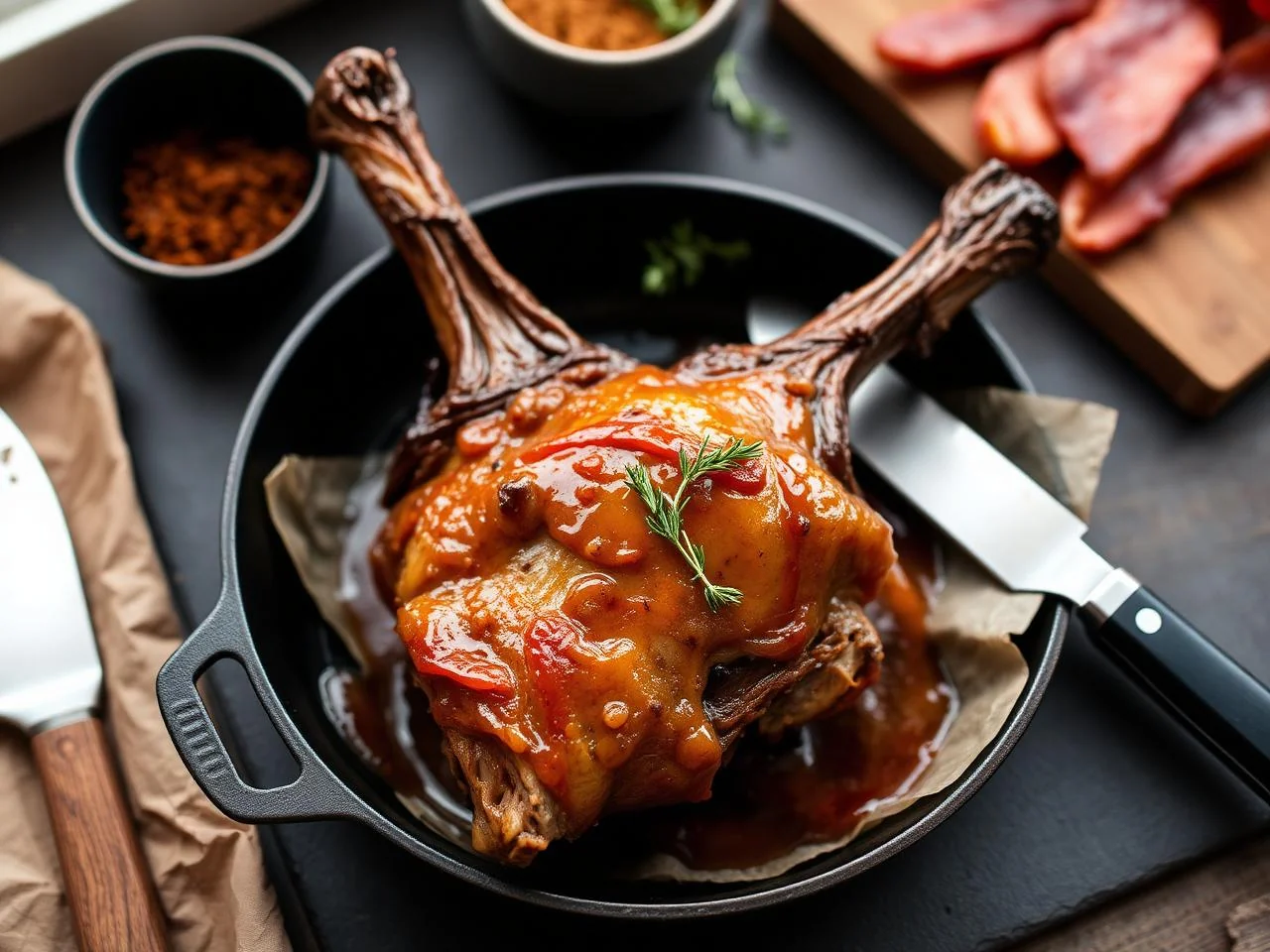
I still remember the first time I had braised pork shank. It was at a small restaurant in the countryside, and the chef had slow-cooked the pork in a rich, flavorful broth that made the meat so tender it just fell off the bone. Since then, I've been obsessed with perfecting my own braised pork shank recipe, and I'm excited to share it with you.
This recipe is perfect for a cold winter's night, when all you want to do is curl up with a warm, comforting meal. The best part is that it's incredibly easy to make - just brown the pork, add some aromatics and liquid, and let it cook low and slow until the meat is tender.
One of the things I love about this recipe is the way the pork absorbs all the flavors of the broth. The acidity of the tomatoes, the sweetness of the carrots, and the depth of the beef broth all come together to create a rich, complex flavor profile that's just incredible.
So if you're looking for a hearty, comforting meal that's sure to become a family favorite, look no further than this braised pork shank recipe. With its tender meat, flavorful broth, and easy preparation, it's the perfect dish for a special occasion or just a cozy night in.
In this recipe, we'll be using a combination of pork shank, bacon, and aromatics to create a rich, savory broth. We'll also be adding some red wine and tomatoes to give the dish a depth of flavor and a pop of color. So let's get started and see how to make this delicious braised pork shank!
Why You’ll Love This Recipe
- This recipe is incredibly easy to make, with just a few simple steps and minimal preparation time
- The result is a delicious, comforting meal that's perfect for a cold winter's night
- The pork is tender and flavorful, with a rich, savory broth that's just incredible
- This recipe is perfect for a special occasion or just a cozy night in
- It's a great way to feed a crowd, as it serves 4-6 people and can be easily scaled up or down
- The leftovers are just as good as the original meal, and can be reheated and served for days to come
Why This Recipe Works
The key to a great braised pork shank is to cook it low and slow, so that the connective tissues in the meat have time to break down and become tender. This is why we're using a Dutch oven or heavy pot with a lid - it allows us to trap the heat and moisture, creating a steamy environment that helps to break down the collagen in the meat.
Another important factor is the acidity of the tomatoes and the red wine. These ingredients help to balance out the richness of the pork and add a bright, tangy flavor to the dish. The aromatics - onions, carrots, and celery - add a depth of flavor and texture to the broth, while the bacon provides a smoky, savory element that complements the pork perfectly.
Finally, it's all about the resting time. After the pork is cooked, we need to let it rest for at least 30 minutes to allow the juices to redistribute and the meat to relax. This makes it easier to slice and serve, and ensures that the pork stays tender and juicy.
By following these steps and using the right combination of ingredients, we can create a truly exceptional braised pork shank that's sure to impress your family and friends.
Ingredients You’ll Need
For this recipe, we'll be using a combination of pork shank, bacon, and aromatics to create a rich, savory broth. We'll also be adding some red wine and tomatoes to give the dish a depth of flavor and a pop of color.
When shopping for the ingredients, look for a pork shank that's about 1-2 pounds in size, and try to find one that's nice and meaty. You'll also want to use thick-cut bacon, as this will give you the best flavor and texture.
- 2 lbs (1 kg) pork shankLook for a pork shank that's about 1-2 pounds in size, and try to find one that's nice and meaty. This will give you the best flavor and texture.
- 6 slices of thick-cut bacon, dicedThick-cut bacon is essential for this recipe, as it gives you the best flavor and texture. Look for a brand that's smoked or cured for added depth of flavor.
- 2 medium onions, choppedOnions add a sweet, caramelized flavor to the broth, and help to balance out the acidity of the tomatoes. Look for medium-sized onions that are firm and fresh.
- 3 cloves of garlic, mincedGarlic adds a pungent, aromatic flavor to the broth, and helps to bring all the ingredients together. Look for fresh, firm garlic that's free of sprouts or mold.
- 2 medium carrots, peeled and choppedCarrots add a sweet, earthy flavor to the broth, and help to balance out the richness of the pork. Look for medium-sized carrots that are firm and fresh.
- 2 stalks of celery, choppedCelery adds a fresh, herbal flavor to the broth, and helps to balance out the acidity of the tomatoes. Look for fresh, firm celery that's free of wilt or mold.
- 1 cup of red wineRed wine adds a deep, fruity flavor to the broth, and helps to balance out the richness of the pork. Look for a full-bodied red wine that's high in tannins, such as Cabernet Sauvignon or Merlot.
- 2 cups of beef brothBeef broth adds a rich, savory flavor to the broth, and helps to balance out the acidity of the tomatoes. Look for a low-sodium beef broth that's free of artificial preservatives or flavorings.
- 1 can of diced tomatoesDiced tomatoes add a bright, tangy flavor to the broth, and help to balance out the richness of the pork. Look for a brand that's low in sodium and free of artificial preservatives or flavorings.
- 1 tsp of dried thymeThyme adds a fresh, herbal flavor to the broth, and helps to balance out the acidity of the tomatoes. Look for fresh, high-quality thyme that's free of wilt or mold.
- Salt and pepper to tasteSalt and pepper are essential for bringing out the flavors of the ingredients and adding depth to the broth. Use freshly ground black pepper and high-quality salt for the best flavor.
Equipment You’ll Need
How to Make Braised Pork Shank
- 1Preheat the oven to 300°F (150°C).
- 2In a large Dutch oven or heavy pot, cook the diced bacon over medium heat until it's crispy and golden brown, about 5-7 minutes. Remove the bacon from the pot with a slotted spoon and set it aside on a paper towel-lined plate.
- 3Add the chopped onions to the pot and cook until they're softened and caramelized, about 10-12 minutes. Add the minced garlic and cook for an additional 1-2 minutes, until fragrant.
- 4Add the chopped carrots and celery to the pot and cook until they're tender, about 5-7 minutes. Add the thyme and cook for an additional 1 minute, until fragrant.
- 5Add the pork shank to the pot and cook until it's browned on all sides, about 5-7 minutes. Remove the pork from the pot and set it aside on a plate.
- 6Add the red wine to the pot and bring it to a boil, scraping up any browned bits from the bottom of the pot. Cook until the wine has reduced by half, about 5-7 minutes.
- 7Add the beef broth and diced tomatoes to the pot, and stir to combine. Bring the mixture to a boil, then cover the pot with a lid and transfer it to the preheated oven.
- 8Braise the pork for 2 1/2 to 3 hours, or until it's tender and falls off the bone. Use an instant-read thermometer to check the internal temperature of the pork, which should be at least 160°F (71°C).
- 9Remove the pot from the oven and let it cool slightly. Remove the pork from the pot and set it aside on a plate. Strain the broth through a fine-mesh sieve into a clean pot, discarding the solids.
- 10Skim off any excess fat from the surface of the broth, then bring it to a boil and cook until it's reduced slightly, about 5-7 minutes. Season the broth with salt and pepper to taste.
- 11Slice the pork against the grain and serve it with the reduced broth spooned over the top. Garnish with fresh herbs, if desired.
Expert Tips
- Use a large Dutch oven or heavy pot with a lid to cook the pork, as this will help to trap the heat and moisture and create a tender, fall-off-the-bone texture.
- Don't overcrowd the pot, as this can prevent the pork from cooking evenly. Cook the pork in batches if necessary, to ensure that it's browned on all sides.
- Let the pork rest for at least 30 minutes before slicing and serving, as this will help the juices to redistribute and the meat to relax.
- Use a sharp knife to slice the pork, as this will help to prevent the meat from tearing or shredding.
- Serve the pork with the reduced broth spooned over the top, as this will help to keep the meat moist and add flavor to the dish.
- Consider serving the pork with some crusty bread or over mashed potatoes, as this will help to soak up the flavorful broth.
Common Mistakes to Avoid
- Not browning the pork properly, which can result in a lack of flavor and texture in the final dish.
- Not cooking the pork long enough, which can result in tough, chewy meat.
- Not letting the pork rest before slicing and serving, which can result in a loss of juices and a less tender texture.
- Not skimming off excess fat from the surface of the broth, which can result in a greasy, unappetizing texture.
- Not seasoning the broth with salt and pepper to taste, which can result in a lack of flavor in the final dish.
- Not using a large enough pot to cook the pork, which can result in overcrowding and uneven cooking.
Variations and Substitutions
- Adding some chopped bell peppers or mushrooms to the pot for added flavor and nutrition.
- Using different types of wine or broth to change the flavor profile of the dish.
- Adding some spices or herbs, such as paprika or rosemary, to the pot for added depth of flavor.
- Serving the pork with a side of roasted vegetables or a salad for a lighter, healthier option.
- Using a slow cooker to cook the pork, which can be a convenient and hands-off option for busy days.
- Adding some beans or grains, such as kidney beans or quinoa, to the pot for added protein and fiber.
What to Serve With Braised Pork Shank
This braised pork shank is perfect for serving with some crusty bread or over mashed potatoes, as this will help to soak up the flavorful broth. You could also serve it with a side of roasted vegetables or a salad for a lighter, healthier option.
Consider serving the pork with some sautéed spinach or green beans, as this will add a burst of color and nutrients to the dish. You could also serve it with a side of polenta or grits for a creamy, comforting option.
Make-Ahead, Storage, Freezing and Reheating
This braised pork shank can be stored in the refrigerator for up to 3 days, or frozen for up to 2 months. To store, let the pork cool to room temperature, then wrap it tightly in plastic wrap or aluminum foil and refrigerate or freeze.
To reheat, simply thaw the pork overnight in the refrigerator, then reheat it in the oven or on the stovetop until warmed through. You could also reheat it in the microwave, but be careful not to overcook the meat.
Consider portioning the pork into individual servings and freezing them separately, as this will make it easier to reheat and serve. You could also freeze the broth separately and reheat it with the pork for a quick and easy meal.
When reheating, make sure to check the internal temperature of the pork to ensure that it's at least 160°F (71°C). You could also add some fresh herbs or spices to the pot to brighten up the flavors and add some extra depth to the dish.
Frequently Asked Questions
What type of pork shank should I use for this recipe?
Look for a pork shank that's about 1-2 pounds in size, and try to find one that's nice and meaty. This will give you the best flavor and texture.
Can I use a slow cooker to cook the pork?
Yes, you can use a slow cooker to cook the pork. Simply brown the pork and cook the vegetables in a skillet, then transfer everything to the slow cooker and cook on low for 8-10 hours.
How do I know when the pork is done?
The pork is done when it's tender and falls off the bone. Use an instant-read thermometer to check the internal temperature of the pork, which should be at least 160°F (71°C).
Can I freeze the pork and broth for later?
Yes, you can freeze the pork and broth for later. Simply let the pork cool to room temperature, then wrap it tightly in plastic wrap or aluminum foil and freeze. The broth can be frozen separately and reheated with the pork for a quick and easy meal.
What type of wine should I use for this recipe?
Use a full-bodied red wine that's high in tannins, such as Cabernet Sauvignon or Merlot. This will add a deep, fruity flavor to the broth and help to balance out the richness of the pork.
Can I add other ingredients to the pot for added flavor?
Yes, you can add other ingredients to the pot for added flavor. Consider adding some chopped bell peppers or mushrooms, or using different types of wine or broth to change the flavor profile of the dish.
How do I reheat the pork and broth?
To reheat, simply thaw the pork overnight in the refrigerator, then reheat it in the oven or on the stovetop until warmed through. You could also reheat it in the microwave, but be careful not to overcook the meat.
Can I serve the pork with a side of roasted vegetables?
Yes, you can serve the pork with a side of roasted vegetables. Simply toss the vegetables in olive oil and season with salt and pepper, then roast in the oven until tender and caramelized.
Ingredients
- 2 lbs (1 kg) pork shank
- 6 slices of thick-cut bacon, diced
- 2 medium onions, chopped
- 3 cloves of garlic, minced
- 2 medium carrots, peeled and chopped
- 2 stalks of celery, chopped
- 1 cup of red wine
- 2 cups of beef broth
- 1 can of diced tomatoes
- 1 tsp of dried thyme
- Salt and pepper to taste
Instructions
- Preheat the oven to 300°F (150°C).
- In a large Dutch oven or heavy pot, cook the diced bacon over medium heat until it's crispy and golden brown, about 5-7 minutes. Remove the bacon from the pot with a slotted spoon and set it aside on a paper towel-lined plate.
- Add the chopped onions to the pot and cook until they're softened and caramelized, about 10-12 minutes. Add the minced garlic and cook for an additional 1-2 minutes, until fragrant.
- Add the chopped carrots and celery to the pot and cook until they're tender, about 5-7 minutes. Add the thyme and cook for an additional 1 minute, until fragrant.
- Add the pork shank to the pot and cook until it's browned on all sides, about 5-7 minutes. Remove the pork from the pot and set it aside on a plate.
- Add the red wine to the pot and bring it to a boil, scraping up any browned bits from the bottom of the pot. Cook until the wine has reduced by half, about 5-7 minutes.
- Add the beef broth and diced tomatoes to the pot, and stir to combine. Bring the mixture to a boil, then cover the pot with a lid and transfer it to the preheated oven.
- Braise the pork for 2 1/2 to 3 hours, or until it's tender and falls off the bone. Use an instant-read thermometer to check the internal temperature of the pork, which should be at least 160°F (71°C).
- Remove the pot from the oven and let it cool slightly. Remove the pork from the pot and set it aside on a plate. Strain the broth through a fine-mesh sieve into a clean pot, discarding the solids.
- Skim off any excess fat from the surface of the broth, then bring it to a boil and cook until it's reduced slightly, about 5-7 minutes. Season the broth with salt and pepper to taste.
- Slice the pork against the grain and serve it with the reduced broth spooned over the top. Garnish with fresh herbs, if desired.