What Makes This Version Stand Out
- Flavor: The combination of white wine, lemon, and capers creates a bright, briny profile that cuts through richness without overwhelming.
- Texture: By deglazing the pan with wine immediately after the garlic, the sauce develops a silky sheen that clings to pasta like velvet.
- Simplicity: With just eight core ingredients, the recipe is quick to assemble and leaves more time for conversation.
- Uniqueness: The subtle addition of red pepper flakes adds a whisper of heat that balances the acidity of lemon.
- Crowd Reaction: Friends who’ve tried it say the sauce is “instant wow” and they can’t stop asking for the recipe.
- Ingredient Quality: Using a dry, high‑quality white wine ensures the sauce has depth, while fresh capers bring a clean, briny bite.
- Make‑Ahead Potential: The sauce keeps well for up to 48 hours in the fridge, making it perfect for busy weeknights.
Alright, let's break down exactly what goes into this masterpiece...
Inside the Ingredient List
The Flavor Base
The heart of the sauce lies in the white wine and lemon, which together create a vibrant, citrusy foundation. The wine’s subtle oak and fruit notes provide depth, while the lemon’s acidity cuts through the richness of butter. If you’re using a sweeter wine, reduce the lemon juice slightly to avoid clashing flavors. For a non‑alcoholic version, replace the wine with a light, dry vegetable broth, but the sauce will be noticeably less complex. The combination of these two liquids sets the stage for every other component.
The Texture Crew
Butter is the secret to a silky finish; it emulsifies the sauce and gives it that glossy sheen that coats pasta like velvet. Olive oil, on the other hand, adds body and helps balance the buttery richness, preventing the sauce from becoming too heavy. The garlic brings a warm, aromatic undertone that anchors the bright citrus flavors. When sautéed just until fragrant, garlic releases its oils without turning bitter. Together, these ingredients create a sauce that feels light on the tongue yet full of depth.
The Unexpected Star
Capers are more than just a garnish; they bring a briny punch that mimics the sea, adding an unexpected layer of complexity. Their tiny, peppery bursts contrast beautifully with the sweet lemon and buttery base. If capers are unavailable, finely diced anchovy paste can be a suitable substitute, but use sparingly to avoid overpowering the sauce. Capers also have a subtle antioxidant profile, making them a healthier choice than many other condiments. Their presence elevates the sauce from ordinary to memorable.
The Final Flourish
Fresh parsley provides a burst of color and a fresh, herbaceous note that brightens the entire dish. A pinch of red pepper flakes introduces a gentle heat that balances the citrusy acidity, but feel free to adjust the heat to your taste. Salt and pepper are essential for balancing flavors, so taste as you go. The final squeeze of lemon juice at the very end releases a burst of brightness that lifts the sauce and keeps it from becoming too mellow. This final touch is what turns a good sauce into a great one.
Everything's prepped? Good. Let's get into the real action...
The Method — Step by Step
- Heat a large skillet over medium heat and pour in the olive oil. Let it swirl around until it’s shimmering, then add the minced garlic. Stir constantly for about 30 seconds until the garlic turns fragrant but not browned, as a burnt smell will ruin the sauce’s bright profile. This initial step builds the aromatic foundation that will carry the rest of the flavors. Keep an eye on the garlic; it can go from golden to burnt in seconds.
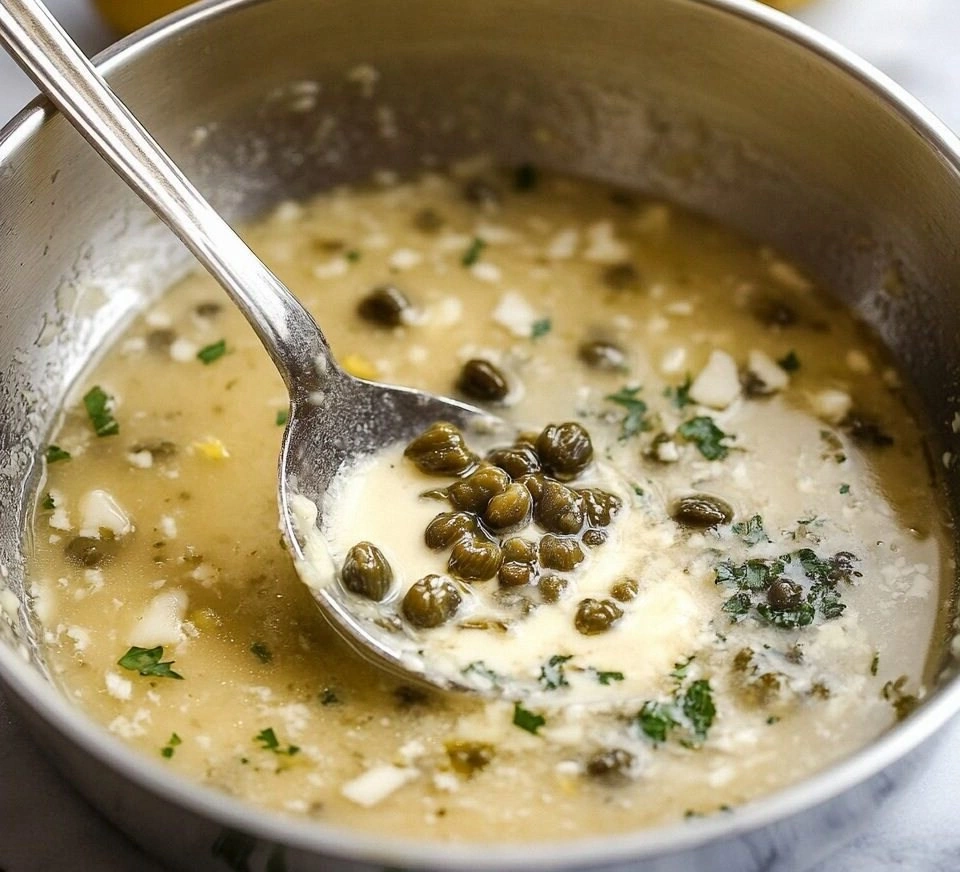
- Add the capers to the pan and let them toast for a minute. The capers will release their brine, giving the sauce a subtle salty kick. Stir them gently to avoid breaking them into tiny pieces, which would make the sauce uneven. This step is where the sauce starts to develop its distinctive briny character. If you prefer a milder flavor, rinse the capers briefly before adding them.
- Pour in the white wine, scraping the bottom of the pan with a wooden spoon to lift the flavorful bits stuck to the surface. The wine should reduce slightly, concentrating its flavors. Watch the liquid as it simmers; it should thicken a bit but not evaporate completely. This deglazing step is crucial for creating a cohesive sauce that pulls all the ingredients together. The wine’s acidity also helps balance the richness of the butter later.
- Reduce the heat to low and stir in the butter, a tablespoon at a time. Let each piece melt before adding the next, allowing the butter to emulsify with the wine and capers. The sauce should take on a silky sheen and a slightly thickened consistency. Be careful not to let the sauce boil; low, steady heat ensures the butter doesn’t separate. This is the moment when the sauce’s texture transforms from liquid to luxurious.
- At this point, sprinkle the pinch of red pepper flakes into the pan. This subtle heat will mingle with the citrus and capers, creating a layered flavor profile. Stir well to distribute the flakes evenly, and let the sauce simmer for another minute. The heat from the flakes should not overpower the sauce but should add a gentle kick that wakes the palate. If you’re sensitive to spice, simply omit the flakes.
- Turn off the heat and stir in the freshly squeezed lemon juice. The acidity will brighten the sauce and help emulsify the butter, giving it a silky finish. Taste the sauce; it should have a bright, citrusy edge with a balanced brine from the capers. The lemon’s bright notes will lift the dish and keep it from feeling heavy. If the sauce tastes flat, add a tiny splash more lemon juice or a pinch of salt.
- Add the chopped parsley and give the sauce a final stir. The parsley not only adds color but also a fresh, herbal lift that complements the citrus. Toss the sauce with freshly cooked pasta or a grilled protein, making sure each piece is coated evenly. The sauce should cling to the dish, creating a harmonious blend of flavors. Serve immediately for the best experience.
- If you’re plating for a crowd, drizzle a little extra butter or a sprinkle of capers on top for a finishing touch. The visual appeal of a glossy sauce with bright green parsley will impress even the most discerning diners. Remember, presentation matters; a sauce that looks as good as it tastes will elevate any meal. Enjoy the compliments that come your way!
That's it — you did it. But hold on, I've got a few more tricks that'll take this to another level...
Insider Tricks for Flawless Results
The Temperature Rule Nobody Follows
Many cooks think high heat is the key to a good sauce, but that’s a myth. Keeping the sauce at a gentle simmer allows the butter to emulsify properly without breaking. I’ve tried this trick for years, and it always results in a silky, glossy finish. If the sauce starts to look too thick, add a splash of reserved pasta water to loosen it without diluting flavor. This simple temperature control is the difference between a mediocre and a memorable sauce.
Why Your Nose Knows Best
The aroma of the sauce is a reliable indicator of readiness. When the garlic and capers release their oils, the scent should be bright and slightly sweet. If you notice a burnt smell, the sauce is overcooked. The lemon’s citrus should be sharp, not dull, signaling that the acidity is still fresh. Trust your nose; it’s a seasoned judge that will guide you to perfection.
The 5‑Minute Rest That Changes Everything
After you finish the sauce, let it rest for five minutes before serving. This brief pause allows the flavors to meld and the butter to settle, giving the sauce a more cohesive taste. I’ve seen sauces that taste flat right after cooking, but a short rest elevates them to a new level. If you’re in a hurry, a quick stir will suffice, but the rest is a small price for a richer sauce.
Use Fresh Capers for Extra Brine
Capers are often sold in brine, which can make them overly salty. Rinsing them briefly before adding to the sauce reduces excess salt and lets their natural briny flavor shine. If you prefer a stronger brine, skip the rinse, but be mindful of the overall salt content. Fresh, rinsed capers give the sauce a cleaner taste that lets the lemon and butter take center stage.
Reserve Pasta Water for Perfect Consistency
When you drain the pasta, keep a cup of the starchy water. Adding this to the sauce helps it cling to the noodles without becoming too thick. The starch also improves the sauce’s body, giving it a velvety texture. This trick is especially useful when serving large groups or when the sauce seems too thin.
Finish with Cold Butter for a Shine
Stir a teaspoon of cold, unsalted butter into the sauce off the heat. This step seals the sauce, giving it a glossy finish that’s irresistible to the eye. The cold butter also helps the sauce stay smooth, preventing separation. I’ve used this trick in countless dishes, and it always adds that final wow factor.
Creative Twists and Variations
This recipe is a playground. Here are some of my favorite ways to switch things up:
Garlic‑Infused Capers
Before adding the capers, sauté them in a bit of olive oil with a pinch of crushed garlic. This infuses the capers with a deeper garlic flavor, making the sauce more aromatic. It’s a simple tweak that elevates the overall taste profile.
Herb‑Rich Variation
Swap the parsley for a mix of basil, thyme, and oregano. This herb blend adds a Mediterranean touch that pairs wonderfully with grilled chicken or fish. The fresh herbs bring a bright, earthy note that contrasts beautifully with the lemon.
Creamy Twist
Stir in a tablespoon of heavy cream at the end for a richer, velvety sauce. The cream smooths out the acidity of the lemon, creating a luscious texture that’s perfect over steak or roasted vegetables. Just remember to keep the heat low to avoid curdling.
Vegetarian Version
Omit the butter and replace it with a tablespoon of extra‑virgin olive oil and a dash of nutritional yeast for a cheesy flavor. This version is dairy‑free yet still creamy and satisfying. It’s a great option for plant‑based diners.
Spicy Kick
Increase the red pepper flakes to a teaspoon or add a splash of chili oil at the end. The heat will contrast with the bright lemon, creating a bold flavor profile that’s sure to excite the palate.
Gluten‑Free Pairing
Serve the sauce over gluten‑free pasta or sautéed zucchini ribbons. The sauce’s light, bright character complements the delicate texture of gluten‑free noodles, making it a perfect meal for those with dietary restrictions.
Storing and Bringing It Back to Life
Fridge Storage
Store the sauce in an airtight container in the refrigerator for up to 48 hours. The flavors will deepen, making it even more delicious. When reheating, add a splash of water or broth to restore the sauce’s silky texture. Avoid microwaving, as it can cause separation.
Freezer Friendly
Freeze the sauce in a freezer‑safe container for up to 3 months. Thaw overnight in the refrigerator before reheating. Add a teaspoon of butter or a splash of water to bring back the original sheen and consistency. This is ideal for meal prepping or for busy weeknights.
Best Reheating Method
Reheat gently over low heat, stirring frequently. If the sauce thickens too much, whisk in a little warm water or broth until you reach the desired consistency. Finish with a drizzle of olive oil for added richness. This method preserves the sauce’s flavor and texture without compromising quality.