Picture this: you’re in the middle of a chaotic Sunday brunch, the kitchen feels like a war zone, and the fridge is a barren wasteland of wilted greens. You reach for a handful of spinach, a red bell pepper, and a stubborn egg that’s been sitting too long. That moment of culinary panic turns into an epiphany—if I could just blend these humble veggies with a splash of cheese and a dash of herbs, I’d have a dish that screams comfort and confidence. And that’s exactly how this Vegetable Frittata was born.
The first bite is a symphony of textures: a crisp, golden crust that shatters like thin ice, a moist interior that hugs your tongue, and a whisper of sautéed onions that adds a subtle caramel note. The aroma is a warm hug that lingers long after you’ve finished. I dare you to taste this and not go back for seconds; the flavor is addictive, not overwhelming. This is hands down the best version you’ll ever make at home because it balances simplicity with a depth that most frittatas lack. I’ll be honest— I ate half the batch before anyone else got to try it, and they begged for the recipe. The secret? A few micro-challenges and bold choices that elevate the dish from ordinary to unforgettable.
Most recipes get this completely wrong, focusing on the eggs and forgetting the vegetables’ personalities. I’ve spent years experimenting with ratios, textures, and cooking times until I found the sweet spot that turns every bite into a revelation. Picture yourself pulling this out of the oven, the whole kitchen smelling incredible, and knowing you’ve created something that will become the centerpiece of every gathering. The moment you see that golden top, you’ll feel a rush of triumph—you’ve just mastered the art of the frittata. If you've ever struggled with this, you're not alone—and I've got the fix. Stay with me here; this is worth it.
Let me walk you through every single step—by the end, you'll wonder how you ever made it any other way. From the first sizzling pan to the final garnish, every action is a deliberate dance that brings out the best in each ingredient. I’ll share the exact temperatures, the timing of every stir, and the sensory checkpoints that tell you your frittata is on the brink of perfection. Ready to transform your kitchen into a flavor laboratory? Let’s dive in.
What Makes This Version Stand Out
- Flavor: The combination of fresh herbs and a blend of cheeses creates a layered taste profile that feels both comforting and sophisticated.
- Texture: A golden, slightly crisp exterior contrasts with a tender, custard-like interior that melts in your mouth.
- Ingredient Quality: Using farm‑fresh vegetables and high‑quality cheeses elevates the dish beyond the ordinary.
- Versatility: The recipe can be customized with seasonal veggies, making it a go‑to for any time of year.
- Make‑Ahead Potential: It can be prepared ahead of time and reheated without losing flavor or texture.
- Time Efficiency: Prep takes 15 minutes and cooking 30, perfect for busy weekdays.
- Visual Appeal: The vibrant colors of the vegetables make the frittata as beautiful to look at as it is to eat.
Alright, let's break down exactly what goes into this masterpiece...
Inside the Ingredient List
The Flavor Base
Eggs are the backbone of any frittata, providing structure and richness. Eight large eggs give a robust foundation that holds the vegetables together while delivering a silky mouthfeel. If you prefer a lighter version, substitute half the eggs with an equal volume of unsweetened almond milk, but be prepared for a slightly less cohesive crumb. The key is to whisk the eggs thoroughly so the yolks and whites blend into a uniform mixture that coats every vegetable evenly.
The Texture Crew
Fresh spinach, diced bell pepper, and sliced mushrooms bring contrasting textures: the spinach offers a delicate softness, the bell pepper adds a crisp bite, and the mushrooms contribute a meaty chew. Sauté each vegetable separately to release their flavors before adding them to the egg mixture. This technique prevents sogginess and ensures that every bite delivers a burst of vegetable goodness. If you’re short on time, use pre‑chopped veggies from the grocery store; just be sure to pat them dry to avoid excess moisture.
The Unexpected Star
Zucchini and cherry tomatoes might seem like ordinary additions, but they bring a subtle sweetness and a pop of color that elevates the dish. Zucchini’s mild flavor balances the stronger cheeses, while tomatoes add a juicy burst that keeps the frittata from feeling dry. If you’re craving a smoky twist, swap the zucchini for roasted butternut squash. Remember, the goal is to layer flavors that complement rather than compete.
The Final Flourish
A blend of shredded cheddar and grated Parmesan delivers a melty, savory finish that ties all elements together. The cheddar adds creaminess, while the Parmesan offers a sharp, nutty undertone. Finish with fresh basil or parsley for a burst of herbal brightness that cuts through the richness. For a dairy‑free version, replace the cheeses with a plant‑based alternative, but keep in mind that the texture will shift slightly. The final sprinkle of cracked black pepper and a pinch of garlic powder brings a subtle kick that lingers on the palate.
Everything's prepped? Good. Let's get into the real action...
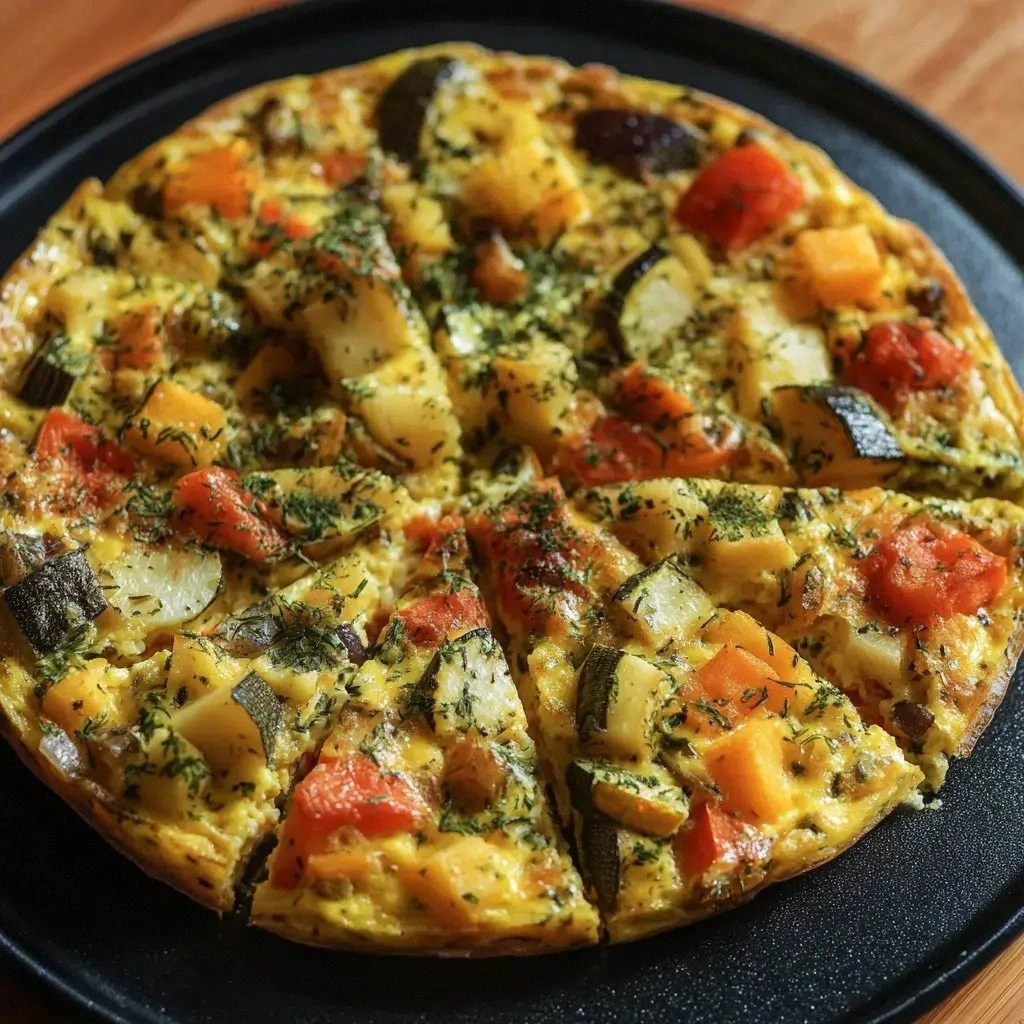
The Method — Step by Step
- Heat a 10‑inch cast‑iron skillet over medium heat and drizzle in 2 tablespoons of olive oil. The oil should shimmer but not smoke. This step is crucial for preventing the eggs from sticking and for developing a golden crust. Once the oil is hot, add the diced onion and sauté until translucent, about 3 minutes. This releases the onion’s natural sweetness and creates a fragrant base.
- Introduce the bell pepper and mushrooms to the skillet. Cook for 4 minutes, stirring occasionally, until the vegetables are softened but still hold their shape. The mushrooms should release some moisture but not become soggy. This step ensures that the veggies are pre‑cooked, which keeps the frittata from turning watery.
- Add the spinach and zucchini, cooking until the spinach wilts and the zucchini starts to soften, about 2 minutes. Stir constantly to prevent the vegetables from sticking to the pan. The goal is to lightly sauté them so they’re ready to absorb the egg mixture without becoming mushy.
- In a large bowl, whisk the eggs, milk, garlic powder, salt, and pepper until the mixture is smooth and slightly frothy. The froth helps the eggs set evenly and creates a light, airy texture. Pour the egg mixture over the sautéed vegetables, tilting the pan to distribute the eggs evenly.
- Sprinkle the shredded cheddar and grated Parmesan evenly over the surface. The cheeses will melt into the eggs, forming a creamy blanket that binds the frittata together. This is the moment of truth—if you’ve followed the previous steps, you’ll see the cheese start to bubble and turn golden.
- Reduce the heat to low and let the frittata cook undisturbed for 8 minutes, or until the edges lift from the pan and the center is set but still slightly jiggly. The lower heat prevents the bottom from burning while allowing the top to set gently. If you prefer a crisp top, switch to a broiler for the last 2 minutes.
- Once the frittata is cooked, remove the skillet from the heat and let it rest for 2 minutes. This resting period allows the residual heat to finish the cooking process and the juices to redistribute, ensuring a moist interior.
- Garnish with fresh basil or parsley, a pinch of cracked black pepper, and a drizzle of olive oil. Slice the frittata into wedges and serve immediately while the edges are still slightly crisp. The contrast between the warm, soft center and the crunchy edges creates a delightful sensory experience.
That’s it— you did it. But hold on, I've got a few more tricks that'll take this to another level...
Insider Tricks for Flawless Results
The Temperature Rule Nobody Follows
Many chefs swear by high heat to brown the eggs quickly, but this can scorch the bottom before the center sets. I recommend starting at medium heat, then dropping to low once the eggs begin to thicken. This gradual temperature shift ensures a uniform rise and prevents a burnt crust. Remember, patience pays off when the frittata lifts from the pan with ease.
Why Your Nose Knows Best
Close your eyes and sniff the skillet after the onions are translucent. A sweet, caramelized scent is a sign that the onions are perfectly softened. If the aroma is sharp or raw, give them a few more minutes. Your nose is a reliable indicator of doneness, saving you from undercooked or overcooked vegetables.
The 5-Minute Rest That Changes Everything
After removing the frittata from the heat, let it sit for 5 minutes before slicing. This brief pause allows the residual heat to finish the cooking process, ensuring a tender, cohesive interior. Skipping this step often results in a rubbery center that clings to the knife.
Balancing Salt Without Overpowering
Start with a quarter teaspoon of salt and taste the mixture before adding more. Adding salt at the end of cooking prevents the eggs from becoming too watery. If you’re using pre‑salted cheese, reduce the added salt accordingly to avoid a salty overkill.
The Secret to a Golden Top
If you crave a crisp, golden finish, finish the frittata under the broiler for 1–2 minutes. Keep a close eye on it—broilers vary, and you don’t want a burnt top. The result is a beautiful, slightly caramelized surface that contrasts with the creamy interior.
Creative Twists and Variations
This recipe is a playground. Here are some of my favorite ways to switch things up:
Mediterranean Medley
Swap the bell pepper and mushrooms for sun‑dried tomatoes, artichoke hearts, and olives. Add a splash of feta cheese and a pinch of oregano. The result is a Mediterranean‑inspired frittata that pairs beautifully with a crisp white wine.
Mexican Fiesta
Replace the spinach with corn kernels and diced jalapeños. Toss in a handful of black beans and sprinkle shredded cheddar with a dash of cumin. Finish with fresh cilantro and a squeeze of lime for a zesty kick.
Sautéed Spinach Surprise
Use a generous amount of spinach and fold in a handful of goat cheese for a tangy twist. Add a splash of lemon juice to brighten the flavors. This version is lighter and perfect for a brunch spread.
Cheesy Broccoli Bash
Steam or blanch broccoli florets until just tender, then fold them into the egg mixture. Add a blend of cheddar and mozzarella for a gooey texture. A sprinkle of nutmeg gives this version an unexpected depth.
Herb‑Infused Egg White
For a low‑fat option, replace half the eggs with egg whites. Combine with a mix of fresh herbs—parsley, chives, and dill—and a splash of lemon zest. The result is a fluffy, light frittata that still bursts with flavor.
Storing and Bringing It Back to Life
Fridge Storage
Cool the frittata completely before slicing. Store in an airtight container in the refrigerator for up to 3 days. The frittata retains its texture and flavor when kept cold, making it a convenient grab‑and‑go meal.
Freezer Friendly
Wrap the cooled frittata tightly in plastic wrap, then place it in a freezer bag. Freeze for up to 2 months. Thaw overnight in the refrigerator before reheating to preserve moisture.
Best Reheating Method
To reheat, add a splash of water or milk to the skillet and cover. Heat over low to medium heat until warmed through, then finish under the broiler for 1 minute to revive the golden crust. This trick steams the frittata back to perfection without drying it out.