When the kitchen lights flickered and the pot on the stove hissed, I realized I had accidentally overcooked my last batch of shrimp pasta. The shrimp were rubbery, the sauce had turned opaque, and the orzo was a soggy mess. That night, I swore to myself that I would never again let a simple pasta dish become a culinary catastrophe.
Fast forward to this morning, I’m standing in a kitchen that smells like citrus and garlic, with the sound of sizzling oil echoing off the walls. I’m holding a bright, fresh lemon, a handful of shrimp that still look pink inside, and a pot ready to be filled with al dente orzo. The anticipation of that first bite is almost a physical sensation—like a gentle electric buzz running down my fingers as I stir.
What makes this version stand out isn’t just the ingredients; it’s the technique that turns ordinary shrimp into a buttery, succulent bite and the sauce that coats the pasta like velvet. I dare you to taste this and not go back for seconds. I’ll be honest—I ate half the batch before anyone else got to try it.
Let me walk you through every single step—by the end, you’ll wonder how you ever made it any other way. Picture yourself pulling this out of the pan, the whole kitchen smelling incredible, and knowing that a few simple tweaks have turned a potential flop into a show‑stopper.
What Makes This Version Stand Out
- Flavor: The lemon‑garlic base delivers a bright, citrusy punch that cuts through the richness of shrimp and cream, creating a harmonious balance.
- Texture: The orzo is cooked to perfect al dente, providing a pleasant chew that contrasts with the tender shrimp.
- Simplicity: With only ten ingredients and a single pan, this dish is as easy to assemble as it is delicious.
- Versatility: The sauce can be thickened or lightened by adjusting the cream or wine, making it adaptable to dietary preferences.
- Crowd‑pleaser: Even the pickiest eaters love the bright lemon flavor and the satisfying bite of shrimp.
- Make‑ahead potential: The dish can be prepared ahead and reheated without losing its silky sauce or fresh aroma.
- Ingredient quality: Fresh shrimp, real lemon juice, and grated Parmesan are the secret to a restaurant‑style finish.
Inside the Ingredient List
The Flavor Base
Garlic is the backbone of this dish, providing a warm, aromatic foundation that pairs perfectly with lemon. When you mince garlic finely, it releases more essential oils, creating a deeper flavor profile. Skipping garlic would leave the sauce flat and less complex. For a milder bite, use only two cloves, but the classic version calls for four to build depth.
The Texture Crew
Orzo pasta is the perfect vessel for the sauce, thanks to its small, rice‑like shape that absorbs liquid without falling apart. Cooking it to al dente ensures it maintains a firm bite, preventing a mushy outcome. If you prefer a softer texture, cook it 30 seconds longer, but be careful not to overcook. The shrimp’s size also matters; large shrimp cook quickly and stay juicy.
The Unexpected Star
Heavy cream adds a silky richness that balances the acidity of lemon and the heat of red pepper flakes. It also gives the sauce a luxurious mouthfeel that makes each mouthful feel indulgent. If you’re watching calories, replace half the cream with Greek yogurt for a tangy twist. The white wine deglazes the pan, lifting browned bits that carry flavor into the sauce.
The Final Flourish
Fresh parsley provides a burst of green that brightens the plate and adds a subtle herbal note. It also helps balance the richness of the cream and the sharpness of lemon. If you’re in a pinch, dried parsley can be used, but fresh is recommended for maximum flavor. A pinch of red pepper flakes adds a gentle heat that lingers without overpowering.
Everything's prepped? Good. Let's get into the real action...
The Method — Step by Step
Heat the olive oil in a large skillet over medium heat until it shimmers. Add the minced garlic and sauté for about 30 seconds, just until it releases its fragrance. The garlic should become translucent, not browned, to avoid bitterness. This is the moment of truth: the aroma should be inviting, not overpowering.
Increase the heat to medium‑high and add the shrimp, seasoning them with salt, pepper, and a pinch of red pepper flakes. Stir frequently, allowing the shrimp to sear on each side for 1–2 minutes. Watch the color shift from pale to pink; this indicates they’re nearly done. If you overcook, they’ll become rubbery.
Remove the shrimp from the pan and set them aside on a plate. In the same pan, pour in the dry white wine to deglaze, scraping up any browned bits. Let the wine reduce by half, concentrating its flavor. Kitchen Hack: A splash of lemon juice at this point can brighten the reduction further.
Add the orzo to the pan, stirring to coat each grain with the garlic‑oil mixture. Cook for 2 minutes, allowing the pasta to toast slightly. The toastiness adds a nutty undertone that complements the lemon.
Pour in the broth, stirring constantly to prevent lumps. Bring the mixture to a gentle simmer, then cover and reduce the heat to low. Watch the liquid reduce; the orzo should absorb it gradually, becoming tender. Watch Out: If the pan is too hot, the sauce can scorch; keep it at a low simmer.
Stir in the lemon zest and juice, then add the cream and Parmesan cheese. The cheese should melt smoothly, creating a glossy sauce that clings to the pasta. Kitchen Hack: For a thicker sauce, let it simmer uncovered for an additional minute.
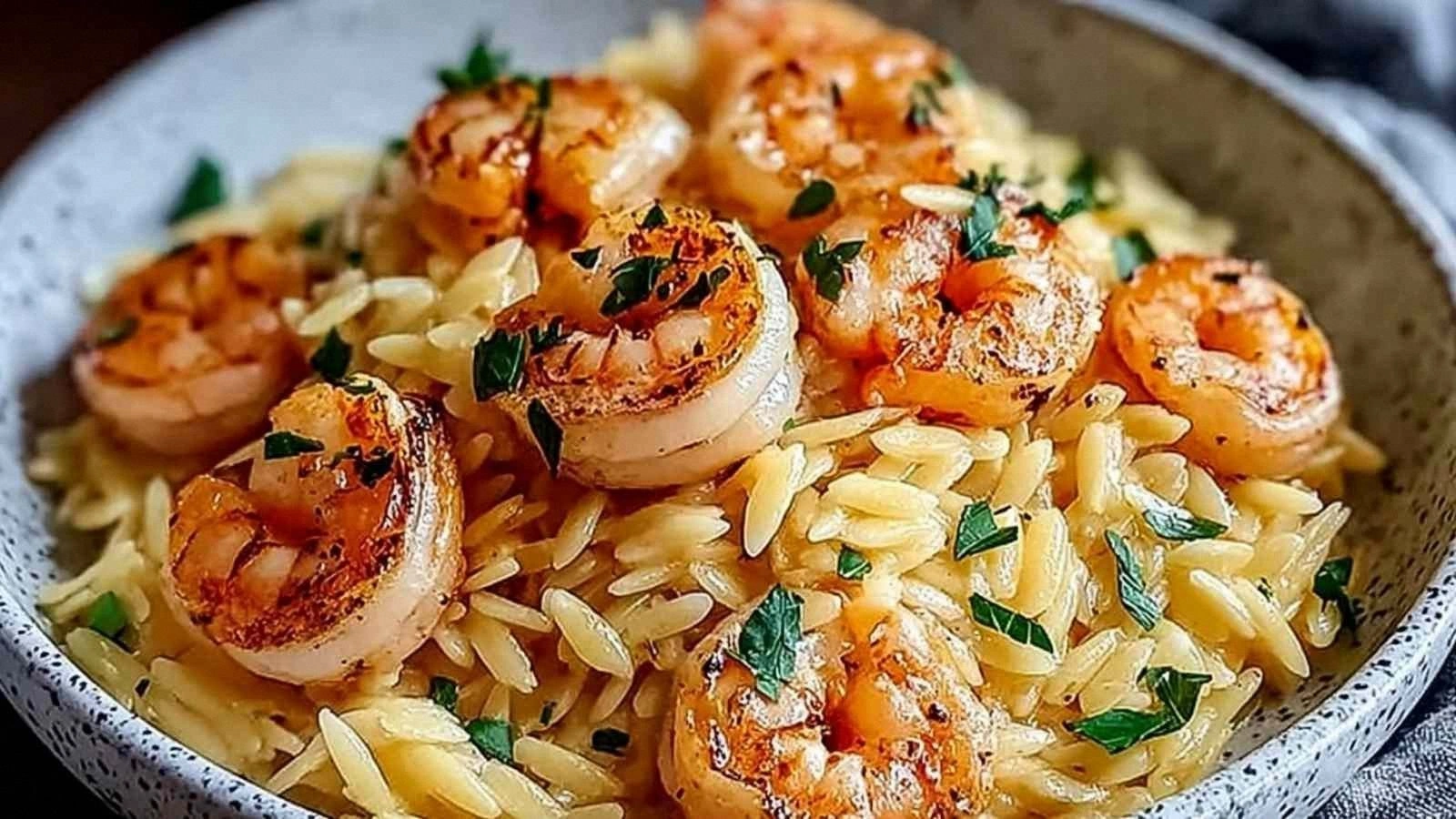
Return the shrimp to the pan, tossing everything together. Let the dish cook for another 2–3 minutes until the shrimp are fully heated and the sauce reaches a silky consistency. The shrimp should be pink and opaque, not translucent.
Finish with fresh parsley, a final squeeze of lemon juice, and a sprinkle of extra Parmesan if desired. Toss gently to distribute the herbs evenly. The dish should look bright, with a glossy sheen and a vibrant green pop.
Serve hot, either straight from the skillet or plated with a drizzle of sauce on top. A side of crusty bread or a simple green salad pairs wonderfully, helping to soak up the luscious sauce.
That's it — you did it. But hold on, I've got a few more tricks that'll take this to another level...
Insider Tricks for Flawless Results
The Temperature Rule Nobody Follows
Many cooks keep the heat too high, causing the sauce to scorch or the shrimp to overcook. Keep the skillet at medium to medium‑high for sautéing, then drop to low for simmering. This controlled temperature ensures a silky sauce and perfectly cooked shrimp. I once tried a high‑heat method and ended up with a burnt garlic flavor that ruined the dish.
Why Your Nose Knows Best
Smell is the fastest indicator of doneness. When the orzo is al dente, the aroma should be nutty and the sauce should be fragrant with lemon and garlic. Trust your nose; if it smells slightly sweet, the pasta is ready.
The 5‑Minute Rest That Changes Everything
After removing the dish from the stove, let it rest for five minutes with the lid on. This allows the flavors to meld and the sauce to thicken slightly. During this time, the shrimp continue to cook gently, ensuring they stay juicy.
Using Fresh Shrimp vs. Frozen
Fresh shrimp cook faster and retain more flavor than frozen. If you’re using frozen shrimp, thaw them in cold water, pat dry, and season before cooking. A quick patting step prevents excess moisture from diluting the sauce.
Adding a Splash of Cream Early
Incorporating cream after the orzo has absorbed most of the broth creates a richer sauce. Adding it too early can cause the cream to separate. A small test: stir a spoonful of cream into the pan; if it emulsifies without curdling, you’re good to go.
Creative Twists and Variations
This recipe is a playground. Here are some of my favorite ways to switch things up:
Smoky Chipotle Variation
Swap the red pepper flakes for a teaspoon of chipotle powder for a smoky heat. Add a splash of orange juice to complement the chipotle. The result is a bold, smoky dish that pairs well with a cool cucumber salad.
Vegetarian Orzo Delight
Omit the shrimp and add sautéed cherry tomatoes and spinach. Toss in a handful of olives for brine and depth. This version is bright, hearty, and still packs the lemon‑garlic punch.
Herb‑Infused Twist
Replace parsley with fresh basil and oregano. Stir in a tablespoon of sun‑dried tomatoes for a sweet, tangy burst. The sauce becomes herbaceous and vibrant.
Low‑Carb Swap
Use spiralized zucchini instead of orzo and reduce the broth to half. Keep the rest of the sauce unchanged. This creates a light, keto‑friendly dish that still feels indulgent.
Breakfast‑Style Kick
Serve the shrimp orzo over a bed of scrambled eggs and top with a poached egg. The yolk adds richness and makes it a satisfying breakfast for any time of day.
Asian Fusion
Add a tablespoon of soy sauce and a teaspoon of sesame oil to the sauce. Stir in sliced green onions and a sprinkle of toasted sesame seeds. The dish takes on an umami, slightly sweet flavor profile.
Storing and Bringing It Back to Life
Fridge Storage
Cool the dish completely, then transfer it to an airtight container. Store in the refrigerator for up to 3 days. When reheating, add a splash of water or broth to restore moisture.
Freezer Friendly
Place the cooled dish in a freezer‑safe container, leaving a 1‑inch space for expansion. Freeze for up to 2 months. Thaw overnight in the refrigerator before reheating.
Best Reheating Method
Reheat gently over low heat, stirring frequently. Add a tablespoon of cream or broth to loosen the sauce. Finish with a squeeze of fresh lemon to brighten the flavor.