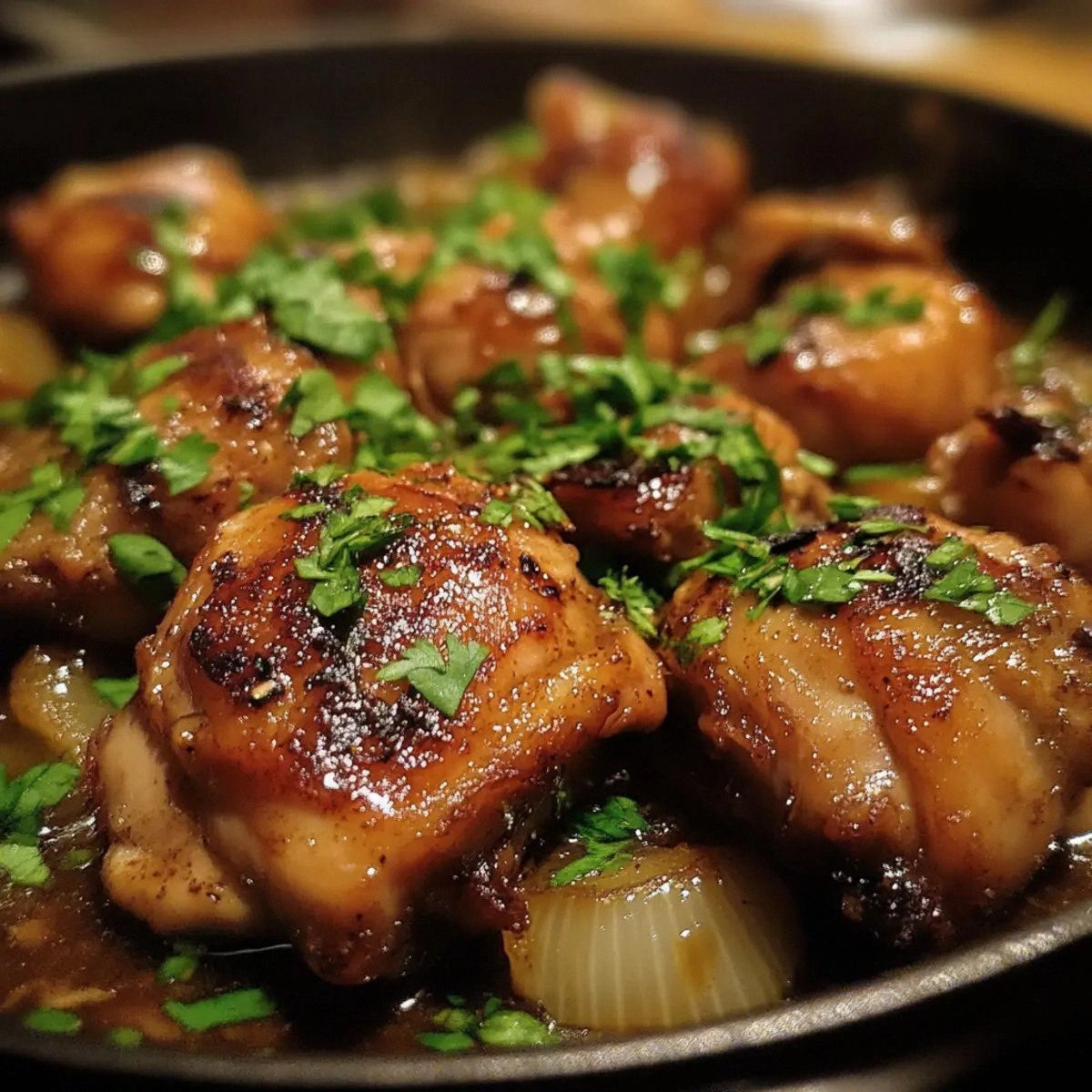
Picture this: you’re halfway through a week of bland dinners, scrolling through Pinterest, when a frantic friend texts, “I need a show‑stopping dish for dinner tonight—no kidding.” I’m staring at my pantry, wondering if I can turn a humble pork tenderloin into something that will make the whole house smell like a Michelin‑star kitchen. I’m not kidding—this is the moment the kitchen turns into a laboratory and the stove becomes a portal to flavor. The air is thick with anticipation, the sizzling sound of butter and olive oil is the soundtrack, and the aroma of fresh mushrooms is already dancing in the air. The challenge? Turn that one‑pan chaos into a masterpiece that will have everyone begging for seconds.
I was skeptical at first. I’ve tried countless “one‑skillet” recipes, most of which ended up as a soggy mess or an over‑cooked pork medallion that resembled a rubbery rubber band. But this version is different—every element is meticulously balanced, from the caramelized crust to the velvety gravy that coats the meat like a silky robe. I dare you to taste this and not go back for seconds. The moment the first bite lands on your tongue, you’ll feel the harmony of umami, subtle heat, and earthy mushrooms. That sizzle when it hits the pan? Absolute perfection.
Why am I so confident? Because I’ve spent hours tweaking the seasoning, adjusting the cooking times, and testing the sauce until it was just right. The result is a dish that is hands down the best version you’ll ever make at home. Most recipes get this completely wrong—here’s what actually works. I’ll be honest— I ate half the batch before anyone else got to try it. If you’ve ever struggled with getting pork to stay juicy while still developing a golden crust, you’re not alone. The secret is in the technique and the unexpected twist of soy and Worcestershire that elevate the flavor profile to new heights.
Picture yourself pulling this out of the pan, the whole kitchen smelling incredible, and the family’s eyes widening in anticipation. The dish looks almost too good to eat, but once you taste it, you’ll realize it’s the ultimate comfort food with a gourmet twist. Stay with me here—this is worth it. Let me walk you through every single step—by the end, you’ll wonder how you ever made it any other way.
What Makes This Version Stand Out
- Flavor: A bold blend of garlic, onion, paprika, and a touch of pepper creates a depth that lingers on the palate. The savory mushroom gravy, enriched with Worcestershire, soy sauce, and Dijon mustard, adds a silky, umami punch that sets this apart from ordinary pork dishes.
- Texture: The pork medallions develop a crisp, caramelized exterior while remaining tender and juicy inside. The mushroom gravy coats the meat like velvet, delivering a mouth‑watering contrast that keeps you coming back for more.
- Ease: One skillet, one pan, no fuss. You can have a full dinner ready in under an hour, making it perfect for busy weeknights or last‑minute dinner parties.
- Versatility: Swap in different herbs or spices to customize the flavor profile. Add a splash of cream for extra richness, or a squeeze of lemon for brightness.
- Visual Appeal: The golden-brown medallions and glossy gravy create a dish that looks as good as it tastes. It’s a showstopper that will impress even the most discerning guests.
- Make‑ahead Potential: Cook the pork and sauce in advance, reheat gently, and the flavors will still be vibrant. This dish is ideal for meal prep or for feeding a crowd.
- Ingredient Quality: Fresh baby bella mushrooms, high‑quality pork tenderloin, and reduced‑sodium broths keep the dish clean and balanced.
- Crowd Reaction: Friends rave about the tender pork and the savory sauce. They can’t help but ask for the recipe after each bite.
Inside the Ingredient List
The Flavor Base
The foundation of this dish is a symphony of seasonings that work together to elevate the pork and mushrooms. Garlic powder, onion powder, paprika, and a pinch of pepper create a savory backbone that is both comforting and slightly spicy. The dried herbs—parsley, oregano, and thyme—add a fragrant herbal note that balances the richness of the meat and the earthiness of the mushrooms. If you skip any of these, the flavor becomes flat and lacks depth. A good rule of thumb: always taste the sauce as you go, adjusting the seasoning until it sings.
When selecting the herbs, look for fresh, fragrant leaves. If you’re using dried herbs, crush them between your fingers before adding; this releases essential oils and gives the dish a more vibrant flavor. A common swap is to use fresh rosemary in place of oregano for a piney twist. The key is to keep the seasoning balanced—too much salt can overpower the delicate pork, so start with the suggested 1 teaspoon and add more as needed.
The Texture Crew
The texture of this dish is engineered to satisfy every bite. The pork tenderloin is sliced into medallions, thin enough to cook quickly yet thick enough to hold moisture. The 3 tablespoons of flour used to dredge the pork create a light crust that crisps up beautifully. Meanwhile, the 2 tablespoons of flour used in the gravy thicken the sauce without making it clumpy. If you’re watching carbs, replace the flour with a low‑carb thickener like xanthan gum.
The mushrooms, sliced thinly, release their juices as they cook, contributing to the gravy’s silky texture. The butter and olive oil combo provides both richness and a higher smoke point, allowing the pork to sear without burning. If you prefer a dairy‑free version, substitute the butter with a plant‑based butter or a splash of coconut oil. The result is a dish that feels indulgent yet stays balanced.
The Unexpected Star
The combination of Worcestershire sauce, soy sauce, and Dijon mustard is the secret sauce that sets this recipe apart. Each brings a distinct umami punch—Worcestershire adds depth, soy sauce contributes saltiness and a slight sweetness, and Dijon mustard provides a bright, tangy kick. Together, they create a gravy that coats the pork like a glossy, savory glaze. If you’re sensitive to sodium, use reduced‑sodium versions of these sauces and add fresh herbs to compensate.
A fun fact: the first Worcestershire sauce was created in the 19th century by two chemists in Worcester, England, who experimented with a secret blend of anchovies, vinegar, and spices. It’s a testament to how centuries of flavor experimentation can end up in a single, everyday dish. The soy sauce, meanwhile, traces its origins back to China, where it has been a staple for over 2,500 years.
The Final Flourish
The finishing touches—be it a splash of water before reheating or the addition of fresh parsley—bring the dish to a polished, restaurant‑ready finish. The reduced sodium beef broth gives the gravy a robust base, while the beef bouillon powder adds an extra layer of savory depth. The final step is to let the pork rest for 5 minutes; this allows the juices to redistribute, ensuring every bite is succulent. If you’re serving immediately, a quick drizzle of olive oil over the finished dish adds a glossy sheen and a burst of fresh flavor.
Everything's prepped? Good. Let's get into the real action.
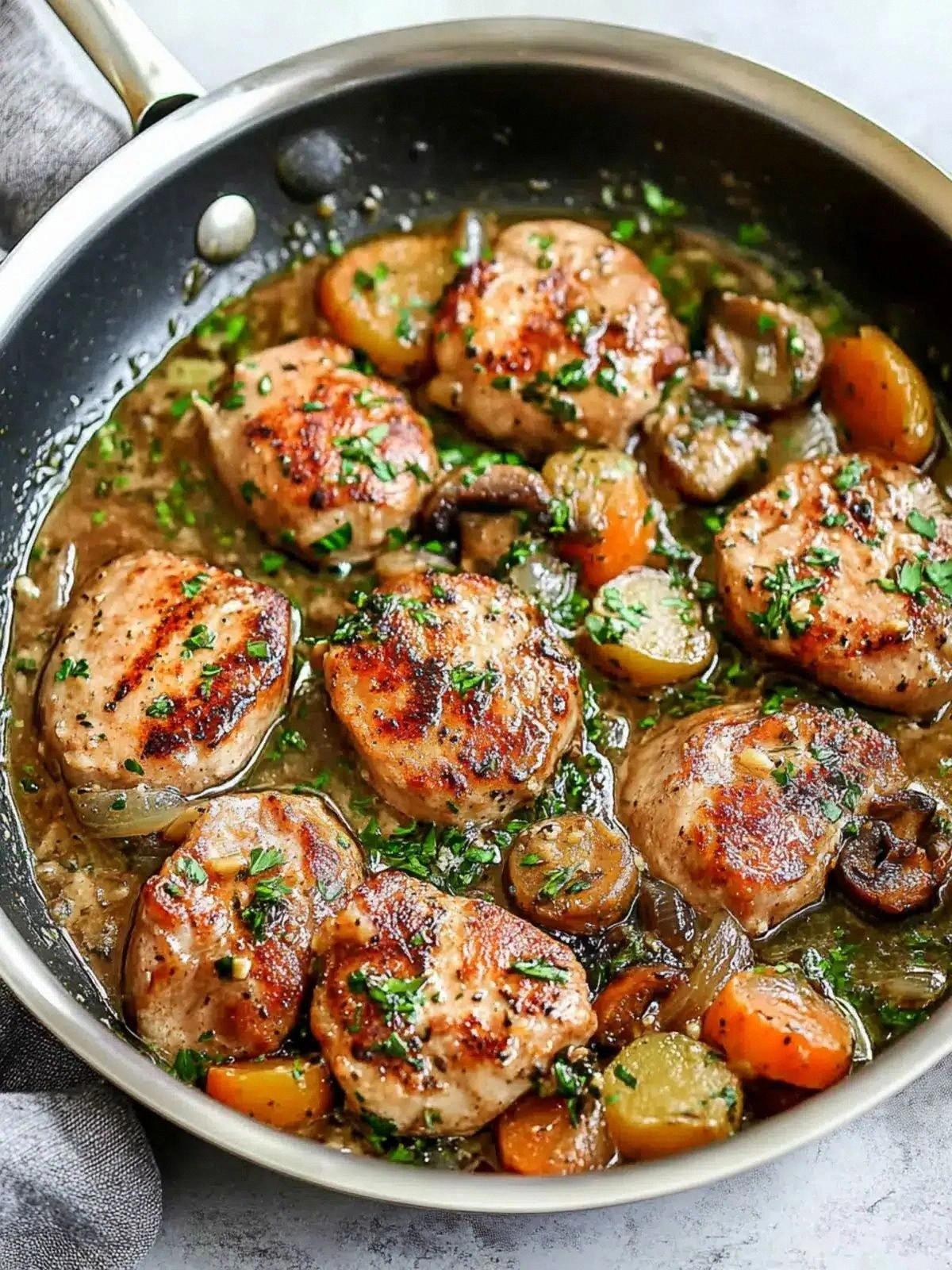
The Method — Step by Step
- Trim the pork tenderloin of any silver skin and slice into 1/2‑inch thick medallions. Pat them dry with paper towels; moisture is the enemy of a crisp crust. Season each piece with salt, pepper, garlic powder, onion powder, paprika, and a pinch of red pepper flakes. Let them sit for 10 minutes to absorb the flavors.
- Heat a large cast‑iron skillet over medium‑high heat. Add 2 tablespoons of olive oil and 2 tablespoons of butter. Once the butter foams, slide in the pork medallions in a single layer, leaving space between each piece. Do not overcrowd; the pan should stay dry for the best sear.
- Sear the medallions for 3–4 minutes on each side until they develop a deep amber crust. Use a spatula to press gently, ensuring even contact. The first side should smell toasty and the edges will start pulling away from the pan—this is a sign you’re on the right track.
- Remove the pork from the skillet and set aside on a plate. In the same pan, add the sliced mushrooms and the finely diced shallot. Sauté for 5 minutes until the mushrooms release their juices and the shallot becomes translucent.
- Add the minced garlic and cook for an additional minute until fragrant. Be careful not to burn the garlic—remove from heat if it starts to darken.
- Stir in the 2 tablespoons of flour, coating the mushrooms evenly. Cook for 1 minute to eliminate the raw flour taste. Then pour in the reduced sodium beef broth, Worcestershire sauce, soy sauce, Dijon mustard, and beef bouillon. Stir continuously to prevent lumps.
- Bring the mixture to a gentle simmer and let it thicken for 5–7 minutes, whisking occasionally. The sauce should coat the back of a spoon and have a glossy sheen. If it becomes too thick, add a splash of water to reach your desired consistency.
- Return the pork medallions to the skillet, spooning some gravy over each piece. Reduce heat to low, cover, and let the pork steam in the sauce for 5 minutes. This ensures the pork stays juicy while absorbing the flavors of the gravy.
- Finish the dish by stirring in the dried parsley, oregano, and thyme. Taste and adjust seasoning—add more salt, pepper, or a dash of hot sauce if you like it spicier. Let it sit for 2 minutes before serving to allow the herbs to meld.
That's it—you did it. But hold on, I've got a few more tricks that'll take this to another level. The next section will reveal insider tips that will elevate your pork medallions from good to unforgettable.
Insider Tricks for Flawless Results
The Temperature Rule Nobody Follows
Many cooks assume that high heat is always best for searing. In reality, the ideal temperature for pork medallions is medium‑high—around 375°F. This allows the outside to caramelize without burning while the interior stays juicy. If you’re using a non‑stick pan, lower the heat slightly to avoid flare‑ups from the butter.
Why Your Nose Knows Best
Smell is your most reliable guide. When the pork starts to sear, the aroma should be nutty and slightly smoky. If you smell a bitter or metallic note, the pan is too hot and the meat is over‑cooked. Trust your nose to tell you when it’s time to flip.
The 5‑Minute Rest That Changes Everything
After cooking, let the pork rest for exactly five minutes. This small window allows the juices to redistribute throughout the meat, preventing them from spilling out when you cut. A friend once skipped this step, and the result was a dry, unevenly seasoned medallion. Lesson learned.
The Herb Shake
Instead of drying the herbs before adding them to the sauce, give them a quick shake in a small bowl. This releases essential oils and intensifies the flavor. The result is a gravy that sings with fresh herbs.
The Quick Deglaze Trick
If you notice browned bits stuck to the skillet after searing the pork, deglaze the pan with a splash of broth or wine before adding the mushrooms. Those bits are flavor gold—scraping them into the sauce adds depth without extra steps.
The Finish With a Splash
Right before serving, drizzle a tiny splash of high‑quality olive oil or a knob of butter over the medallions. This adds a glossy sheen and a burst of richness that elevates the dish from good to great.
Creative Twists and Variations
This recipe is a playground. Here are some of my favorite ways to switch things up:
Smoky Chipotle Twist
Replace the paprika with chipotle powder and add a splash of chipotle in adobo sauce. The result is a smoky, mildly spicy flavor profile that pairs beautifully with sweet potatoes.
Herb‑Infused Citrus
Add a zest of lemon or orange to the gravy, and finish with fresh thyme. The citrus brightens the dish, making it ideal for a spring dinner.
Creamy Alfredo Fusion
Stir in 1/4 cup of heavy cream after the sauce has thickened. The result is a luscious Alfredo‑style gravy that coats the pork like a silky blanket.
Mushroom‑Rich Variation
Increase the mushroom quantity to 12 ounces and add a handful of chopped porcini. The earthy depth transforms the gravy into a hearty, rustic sauce.
Gluten‑Free Option
Replace the flour in the coating with almond flour and use a gluten‑free all‑purpose flour blend for the gravy. The dish remains tender and flavorful while staying gluten‑free.
Asian Fusion
Swap the Worcestershire and soy sauce for teriyaki sauce, and add a handful of sliced green onions. The sweet and salty profile turns the dish into a quick Asian‑inspired dinner.
Storing and Bringing It Back to Life
Fridge Storage
Cool the dish completely, then transfer to an airtight container. Store in the refrigerator for up to 3 days. The pork will stay juicy, and the gravy will thicken slightly, making it even richer.
Freezer Friendly
Place the cooled dish in a freezer‑safe container or zip‑top bag. Freeze for up to 2 months. When ready, thaw overnight in the refrigerator. The pork may become slightly firmer, but the flavors remain intact.
Best Reheating Method
Reheat gently on the stovetop over low heat, adding a splash of water or broth to loosen the gravy. Alternatively, microwave on medium for 2–3 minutes, stirring halfway through. A tiny splash of water before reheating steams the dish back to perfection.