Picture this: I’m in the middle of a Sunday brunch, the kitchen buzzing with the clatter of pans and the scent of butter melting, when my friend’s voice cuts through the aroma, “I’m craving something that feels like a hug in a cake.” I stared at the empty fridge, then at the stack of fresh maple syrup and pecans, and decided it was the universe’s way of nudging me toward a dessert that could be both comforting and adventurous. I had always thought maple was the domain of pancakes, but that night I imagined a cake that would sing the same syrupy, nutty notes with every bite. The idea was simple yet daring: a maple pecan crunch cake that would melt on your tongue and leave a trail of buttery, caramelized pecan shards to crunch on your teeth.
The kitchen lights were dim, but the oven preheating set a golden glow that made the batter look like liquid sunshine. The sound of whisking turned into a rhythmic drumbeat, a steady reminder that every stir was a step toward that perfect crumb. The sweet aroma of maple syrup mingled with the faint, nutty perfume of toasted pecans, creating a heady scent that seemed to promise indulgence. My eyes flicked to the parchment paper, imagining the final product: a cake with a crisp, caramelized top, a moist interior, and a crunchy pecan layer that would crack like brittle ice under a fork.
I’ve tried countless variations of pecan cakes, from simple butter pecan cupcakes to overly sweet maple bars, but none have captured the same balance of flavor, texture, and sheer joy. What sets this version apart is the secret layering technique that locks in moisture while creating a caramelized crunch that’s almost addictive. I’ll walk you through each step, from the precise ratios that keep the cake light to the final glazing trick that gives it that glossy finish. Trust me, once you taste the first bite, you’ll wonder how you ever settled for anything else.
The first thing you’ll notice is how the maple syrup isn’t just a sweetener—it’s the soul of the batter, infusing each crumb with a subtle earthy sweetness that pairs perfectly with the nutty pecans. The pecans themselves are toasted to just the right level of crunch, so they provide a satisfying snap that contrasts with the cake’s soft interior. The batter’s texture is a delicate balance: airy enough to rise, yet dense enough to hold the pecans in place. The final touch? A thin glaze of maple syrup that gives the cake a glossy, caramelized sheen that looks as good as it tastes.
If you’ve ever struggled with a cake that turns out dense or a pecan layer that’s too soggy, this recipe is your salvation. I’ll share the exact timing and temperature tweaks that keep the cake fluffy while ensuring the pecans stay crunchy. I’ll also reveal a trick that lets you prep the batter a day ahead without losing freshness. The result? A cake that’s as easy to make as it is to enjoy.
I dare you to taste this and not go back for seconds. The first bite will have you reaching for the next slice before you even finish the first one. I’ll be honest—my friends begged for a second plate, and I had to hold them back. But the real magic happens when you see the cake pull away from the pan, the edges slightly golden, the top shimmering like a maple syrup glaze.
Most recipes get this completely wrong, either by overbaking the cake or under-toasting the pecans, resulting in a mushy, unremarkable dessert. Here’s what actually works: the right balance of leavening agents, the precise ratio of sweeteners, and a simple, foolproof method that even a beginner can master. Picture yourself pulling this out of the oven, the whole kitchen smelling incredible, the cake cooling in a lattice of golden pecans.
Okay, ready for the game‑changer? This next part? Pure magic. And if you’re still with me, you’ll wonder how you ever made it any other way. Let’s dive in.
What Makes This Version Stand Out
- Flavor: The maple syrup is not just a sweetener; it’s a flavor powerhouse that brings depth and a subtle caramel undertone that elevates every bite.
- Texture: A perfectly airy crumb paired with a crunch layer of toasted pecans that crunch like thin ice when you bite, creating a delightful contrast.
- Simplicity: No fancy equipment required—just a stand mixer, a standard cake pan, and a few pantry staples. The method is straightforward yet precise.
- Uniqueness: The use of maple syrup as the primary sweetener gives the cake a distinct taste profile that sets it apart from traditional pecan cakes.
- Crowd Reaction: Friends and family always ask for the recipe after the first slice—there’s a genuine craving for the crunchy, sweet, nutty experience.
- Ingredient Quality: Choosing a high‑grade maple syrup and fresh pecans makes the difference between a good cake and an unforgettable one.
- Cooking Method: The layering technique ensures the pecans stay crisp and the cake remains moist, a trick that many overlook.
- Make‑Ahead Potential: The batter can be prepared up to 24 hours in advance, and the cake can be stored in the fridge for up to 3 days, making it perfect for busy days.
Alright, let's break down exactly what goes into this masterpiece...
Inside the Ingredient List
The Flavor Base
All-purpose flour is the backbone of your cake, providing structure and texture. It absorbs the wet ingredients and, when combined with leavening agents, creates the airy rise that makes each bite light. Skipping flour would leave you with a clumpy, dense batter that won’t rise at all.
Granulated sugar adds sweetness and helps create a lovely golden crust. It caramelizes during baking, giving the cake its subtle caramel flavor. If you replace it with powdered sugar, the cake will be softer but may not brown as nicely.
Brown sugar brings a hint of caramel flavor and moisture to the cake. Its molasses content adds depth and a slight chewiness to the crumb. Removing brown sugar will result in a drier cake that lacks that rich, buttery undertone.
The Texture Crew
Unsalted butter is for richness and a tender crumb; make sure it’s softened for easy mixing. Butter contributes to the cake’s moistness and helps the pecans adhere to the batter. If you use salted butter, you’ll need to reduce the added salt to avoid an overly salty flavor.
Large eggs bind the ingredients together and add moisture; room temperature eggs work best. They also help incorporate air, which is essential for a light crumb. Using cold eggs can cause the batter to curdle and the cake to be dense.
Maple syrup is the star of the show! It infuses the cake with a sweet, earthy flavor that pairs beautifully with pecans. If you’re looking for a less sweet version, consider using a 1:1 ratio of maple syrup to granulated sugar.
The Unexpected Star
Vanilla extract enhances the overall flavor profile, making it even more delicious. It brings out the maple’s natural sweetness and balances the nutty pecan notes. A splash of almond extract can give an extra layer of depth if you’re feeling adventurous.
Baking powder and baking soda work together to lift the batter. Baking powder provides the lift, while baking soda reacts with the acidic maple syrup to create a light texture. Skipping either leavening agent will result in a cake that doesn’t rise properly.
Salt is just a pinch that enhances all the flavors and balances the sweetness. It brings out the nutty richness of the pecans and tempers the maple’s sweetness. Without salt, the cake might taste flat.
The Final Flourish
Chopped pecans add a delightful crunch and nutty flavor that complements the maple. Toast them lightly for a few minutes to bring out their oils and deepen their flavor. If you prefer a softer texture, you can reserve a handful for garnish.
Maple frosting (optional) gives an extra touch of sweetness and creaminess on top. It’s a quick glaze that adds shine and a caramelized finish. If you’re aiming for a low‑sugar version, simply drizzle a bit of maple syrup over the cooled cake.
Everything's prepped? Good. Let's get into the real action...
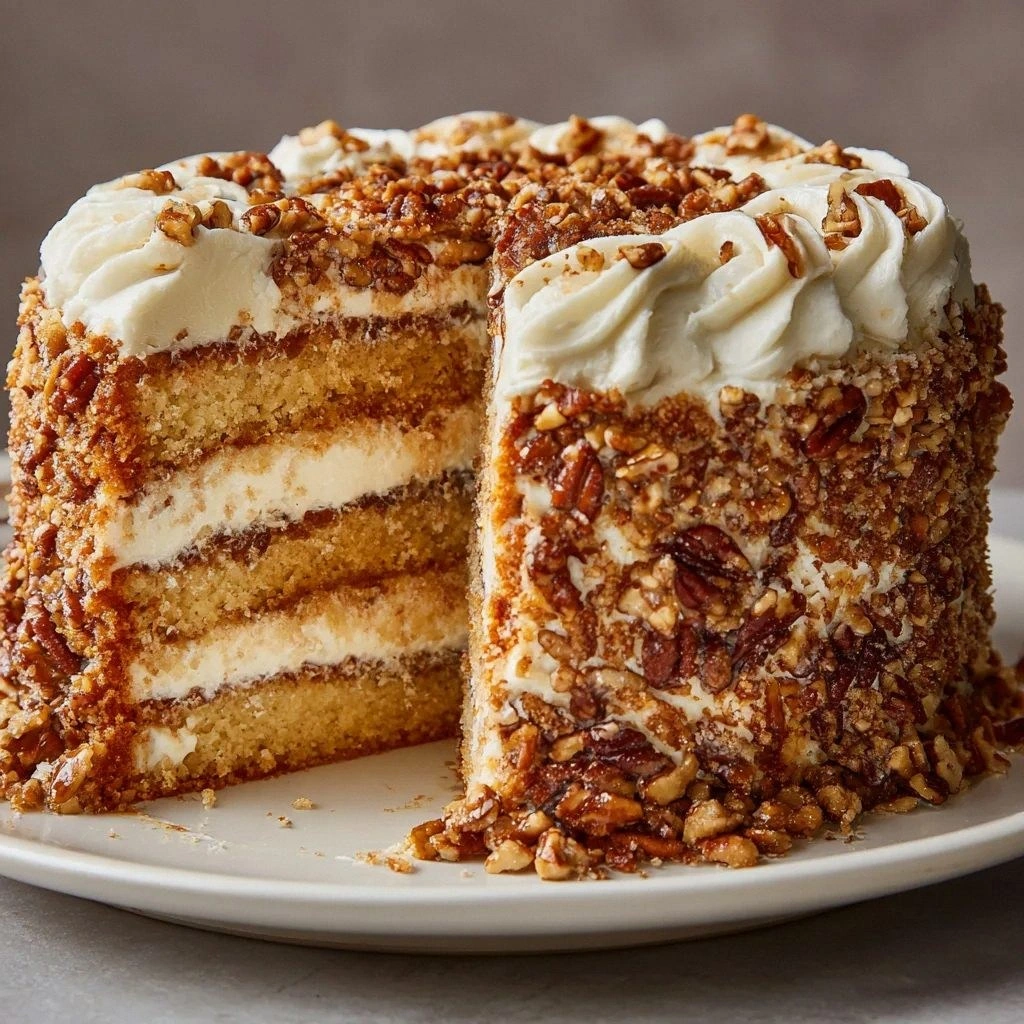
The Method — Step by Step
- Preheat your oven to 350°F (175°C) and line a 9-inch round cake pan with parchment paper. This ensures the cake slides out easily and prevents sticking. Let the oven reach the exact temperature before placing the pan inside; an oven that’s too hot can cause the cake to rise too quickly and then collapse. This is the moment of truth—your batter will begin to transform as the heat envelops it.
- In a large mixing bowl, whisk together 2 cups of all-purpose flour, 1 cup of granulated sugar, ½ cup of brown sugar, 2 teaspoons of baking powder, 1 teaspoon of baking soda, and 1 teaspoon of salt. Make sure all the dry ingredients are evenly combined to avoid pockets of unbaked batter. This dry mix will provide the structural foundation that keeps the cake light and airy.
- In a separate saucepan, melt ½ cup of unsalted butter over medium heat until it turns golden. Remove from heat and let it cool slightly; this prevents the eggs from cooking when added. While the butter is still warm, stir in ¼ cup of maple syrup and 1 teaspoon of vanilla extract until fully blended. The warm butter mixture will coat the flour, creating a moist batter. Kitchen Hack: If you’re in a hurry, melt the butter in a microwave-safe bowl for 30 seconds on high, then stir in the maple syrup.
- Add the warm butter mixture to the dry ingredients and whisk until just combined. Be careful not to overmix; the batter should look slightly lumpy. Overmixing can develop gluten, resulting in a tough crumb. The batter should be smooth but still contain tiny pockets of flour for a light texture.
- In a separate bowl, beat 2 large eggs until the whites are slightly frothy. Gently fold the eggs into the batter, ensuring they’re evenly distributed. This step incorporates air and helps the cake rise. Watch Out: Do not whisk the eggs until they’re fully incorporated; otherwise, you risk a lumpy batter.
- Fold in 1 cup of chopped pecans, reserving a handful for garnish. The pecans should be evenly distributed to ensure each bite has a crunchy element. If you prefer a more pronounced nutty flavor, toast the pecans lightly before adding them to the batter. The toasted pecans will add a subtle smoky depth that complements the maple.
- Pour the batter into the prepared pan and tap it gently on the counter to release any large air pockets. The batter should spread evenly across the pan. This ensures a uniform rise and prevents the cake from sinking in the center. Watch as the batter settles; the edges should be slightly higher than the center.
- Bake for 30 minutes, or until a toothpick inserted into the center comes out clean. The cake will develop a golden crust and a slightly caramelized top. If you notice the edges browning too quickly, tent the cake with foil to prevent over-browning. This step is crucial for achieving a moist interior.
- Let the cake cool in the pan for 10 minutes, then transfer it to a wire rack to cool completely. The cooling process allows the cake to set and the pecans to firm up. While the cake is cooling, you can prepare the optional maple glaze.
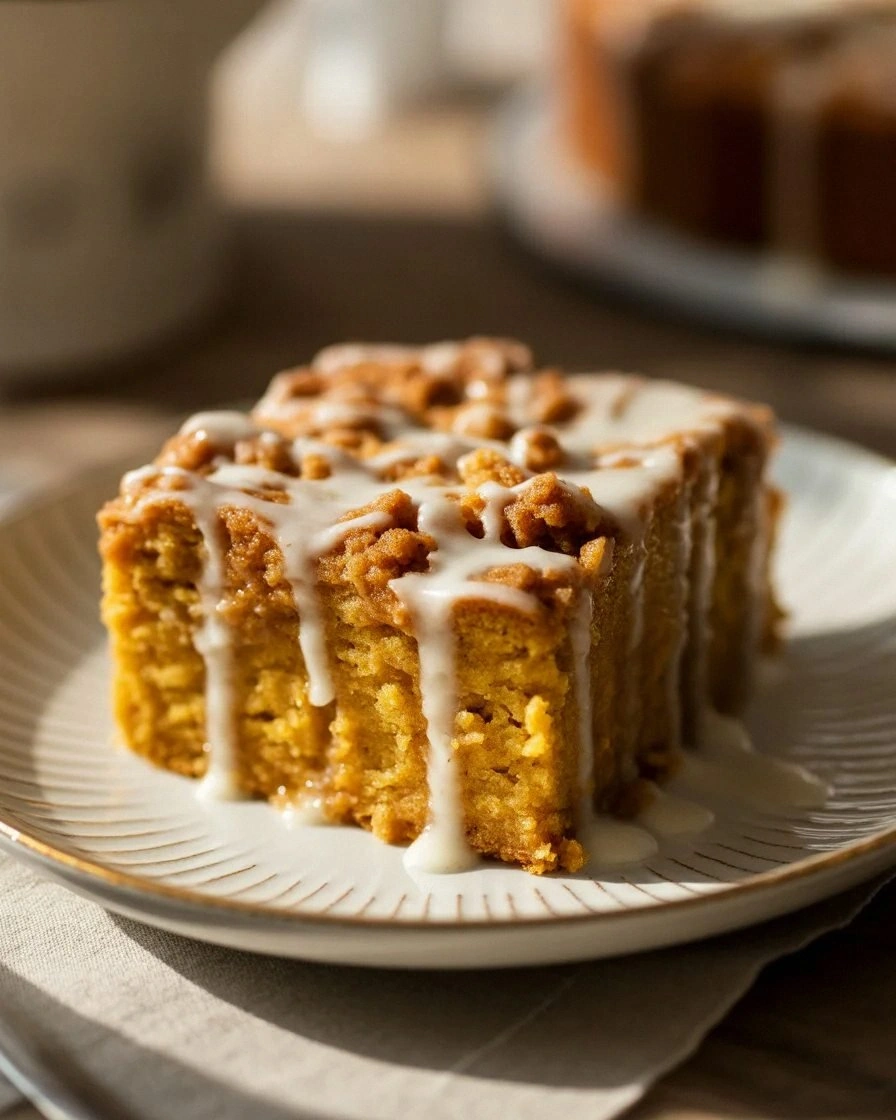
- If using, whisk ¼ cup of maple syrup with 1 tablespoon of melted butter until smooth. Drizzle the glaze over the cooled cake, letting it pool in the crevices. The glaze adds a glossy finish and a burst of maple flavor. Once the glaze sets, sprinkle the reserved pecans on top for an extra crunch. Serve immediately or store in an airtight container.
That's it — you did it. But hold on, I've got a few more tricks that'll take this to another level...
Insider Tricks for Flawless Results
The Temperature Rule Nobody Follows
Ovens can vary significantly, so calibrate your oven with an oven thermometer before baking. A temperature that reads 350°F on the dial might actually be 375°F, which can dry out the cake. Set the oven to 325°F if you’re using a stoneware pan, as stoneware retains heat longer. This trick ensures a consistent rise and a moist crumb.
Why Your Nose Knows Best
As the cake bakes, the scent of caramelized sugar will rise, signaling that the crust is forming. If the smell is too intense, the cake may be overbaked. Trust your nose to decide when to pull the cake out of the oven; the aroma is the best indicator of doneness.
The 5-Minute Rest That Changes Everything
After removing the cake from the oven, let it rest in the pan for 10 minutes. This allows the heat to redistribute, preventing the cake from collapsing. During this rest, the pecans settle, creating an even crunch across the surface. Skipping this step often results in a cake that sinks in the middle.
The Pecans’ Perfect Toast
Toast pecans in a dry skillet over medium heat for 5 minutes, stirring constantly. The nuts should turn golden and release a nutty aroma. Toasting the nuts before folding them into the batter locks in their oils, giving each bite a richer, buttery crunch.
The Secret to a Glossy Finish
If you prefer a glossy glaze, whisk maple syrup with a small amount of melted butter and a pinch of sea salt. The butter adds sheen, while the salt balances the sweetness. Drizzle the glaze over the cake while it’s still slightly warm for a smooth, even coating.
The Chill and Reheat Trick
If you need to store the cake, chill it in the refrigerator for up to 3 days. Before serving, let it sit at room temperature for 20 minutes. If the cake feels dry, add a splash of water to a small bowl, heat until steaming, and then mist the cake lightly to restore moisture.
Creative Twists and Variations
This recipe is a playground. Here are some of my favorite ways to switch things up:
Maple Bourbon Crunch
Add 2 tablespoons of bourbon to the batter for a warm, boozy kick. The alcohol evaporates during baking, leaving behind a subtle depth that pairs wonderfully with pecans. This variation is perfect for holiday gatherings.
Chocolate Chip Maple Delight
Fold in ½ cup of dark chocolate chips just before pouring the batter into the pan. The chocolate melts into pockets of gooey richness, creating a sweet‑savory contrast. Serve with a dusting of cocoa powder for an extra chocolatey touch.
Coconut Maple Crunch
Replace half of the butter with coconut oil and sprinkle ¼ cup of shredded coconut on top before baking. The coconut adds a tropical flavor and a subtle crunch that complements the pecans. This version works great for summer brunches.
Spiced Maple Pecan Cake
Add ½ teaspoon each of ground cinnamon, nutmeg, and cloves to the dry mix. The spices bring warmth and depth, turning the cake into a comforting fall treat. Pair it with a warm cup of coffee for a cozy experience.
Gluten-Free Maple Pecan
Swap the all-purpose flour for a gluten-free blend that includes xanthan gum. Ensure the blend contains enough binding agents to hold the cake together. The texture will be slightly denser, but the maple flavor remains unchanged.
Storing and Bringing It Back to Life
Fridge Storage
Wrap the cooled cake in plastic wrap and store it in an airtight container in the refrigerator for up to 3 days. The cold environment preserves the moisture without drying out the crumb. When you’re ready to serve, let the cake sit at room temperature for 20 minutes to regain its softness.
Freezer Friendly
For longer storage, slice the cake and wrap each slice tightly in foil, then place them in a freezer bag. The cake can be kept for up to 2 months. When thawing, leave the slices at room temperature for 30 minutes before serving.
Best Reheating Method
To revive a frozen slice, microwave it on low power for 15-20 seconds, or heat it in a preheated 350°F oven for 5 minutes. Add a tiny splash of water to a small bowl, heat until steaming, and then mist the cake lightly. This trick steams the cake back to perfection, restoring its moist crumb.