I was halfway through a week of bland chicken dinners when my roommate dared me to turn a simple skillet into a flavor explosion. The kitchen smelled of burnt garlic, and my confidence was already on the brink of collapse. I grabbed the pantry, pulled out a handful of herbs, and whispered, "This is going to be different." The moment the skillet hissed, the air filled with the sharp scent of fresh parsley and cilantro. By the time the chicken was plated, I was already dreaming of the first bite.
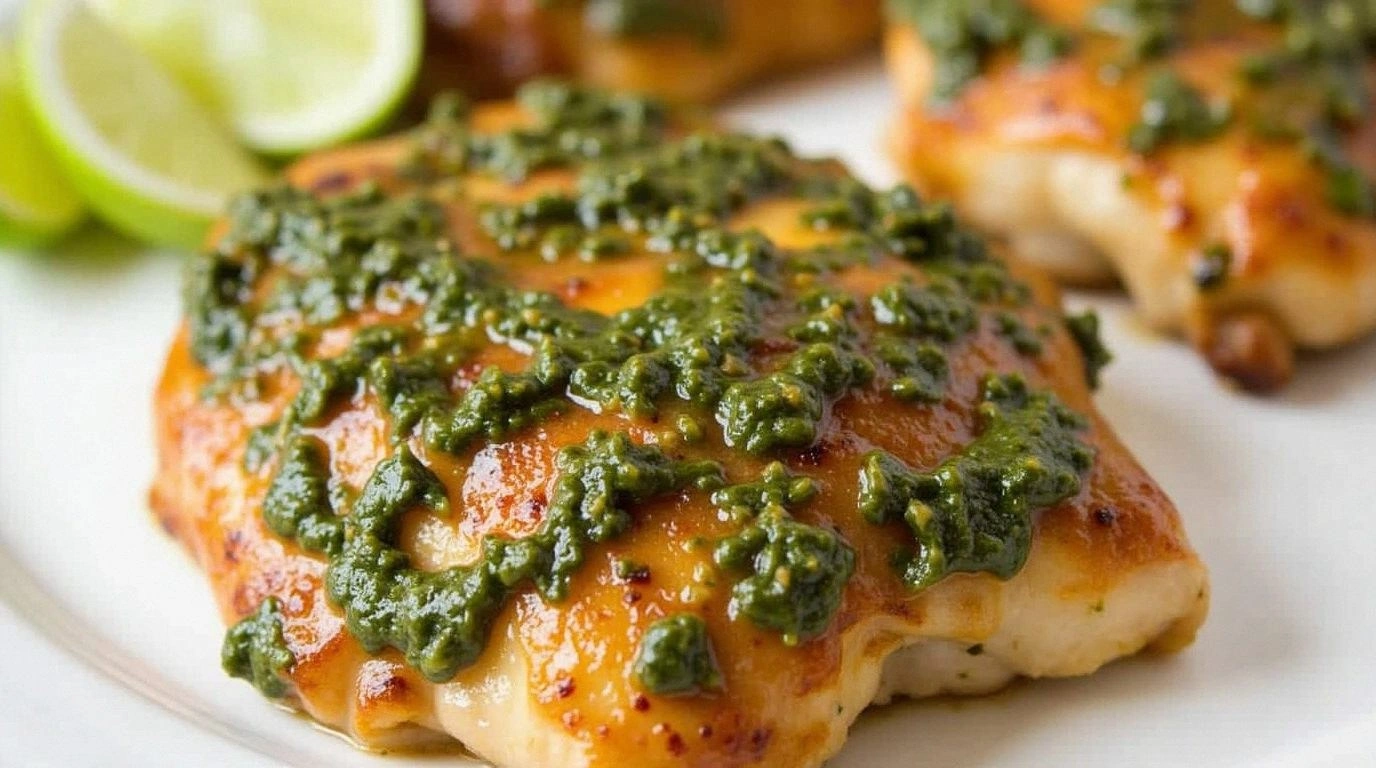
Imagine the golden crust, the edges crisping like thin ice, and the inside staying tender as a cloud. The sauce, a vibrant green chimichurri, clings to each piece, its acidity cutting through the richness of olive oil. Every spoonful feels like a burst of Mediterranean sunshine, balanced with a hint of heat from red pepper flakes. My friends took one bite and declared it the best chicken they've ever had. I knew I had stumbled on something that deserved to be shared.
This recipe is not just a dish; it's a statement. It turns ordinary chicken into a headline-worthy plate with a sauce that feels like velvet on the tongue. The secret? A blend of fresh herbs, a splash of red wine vinegar, and a touch of lemon that lifts the flavors. No heavy sauces, no carb‑laden sides—just pure, unapologetic flavor. I am ready to show you how to recreate this masterpiece at home.
Picture yourself pulling this from the oven, the kitchen smelling incredible, and the table already set for a feast. The aroma of sizzling garlic and herbs will have your guests leaning in. I’ll walk you through every single step, from the first chop to the final plating. By the end, you’ll wonder how you ever made chicken any other way. Let me show you how to make the ultimate keto chimichurri chicken.
This dish also doubles as a conversation starter. The bright green sauce looks like a work of art on a plate. Friends will ask where you got it. You’ll tell them you made it from scratch. It’s a recipe that feels both humble and extravagant.
What Makes This Version Stand Out
- Flavor: The chimichurri is bright, herbaceous, and tinged with a tangy kick that lingers on the palate. It balances the richness of chicken with fresh, green notes that feel both vibrant and comforting. This is the first thing that sets it apart from the usual bland chicken.
- Texture: The chicken develops a crisp crust while remaining juicy inside, thanks to a quick sear followed by a gentle oven finish. The sauce coats each bite like a silky glaze, creating a harmonious contrast between crunch and smoothness. The result is a satisfying mouthfeel that keeps you coming back.
- Speed: From prep to plate, the entire process takes under an hour. The ingredients are ready to use, and the cooking steps flow seamlessly. You’ll finish dinner before your guests even notice the kitchen is still warm.
- Low Carb: Every component is keto-friendly, with no hidden sugars or starches. The sauce relies on fresh herbs, vinegar, and a splash of lemon instead of sugary marinades. It’s a guilt-free indulgence that still feels indulgent.
- Versatility: Whether you serve it over cauliflower rice, zucchini noodles, or a simple green salad, this dish adapts to your mood. The sauce’s bright flavor elevates any side, making it a flexible centerpiece for various occasions. You can even use it as a topping for grilled steak or pork.
- Make‑Ahead Potential: The chimichurri can be prepared days in advance and will keep in the refrigerator for up to five days. The chicken, once cooked, can be reheated without losing its moisture. This makes it ideal for busy weeknights or meal prep.
- Presentation: The vibrant green sauce juxtaposed against the golden chicken creates a striking visual appeal. The dish looks as impressive as it tastes, making it perfect for dinner parties or special family gatherings. It’s a recipe that earns compliments without any extra effort.
The Flavor Base
Fresh parsley and cilantro are the backbone of this sauce, delivering a clean, herbaceous tone that cuts through the richness of the chicken. Parsley offers a peppery bite, while cilantro adds a citrusy brightness that lingers on the tongue. If you’re missing one of these herbs, substitute it with basil or mint, but be aware the flavor profile will shift slightly. The key is to use a generous amount so the sauce remains vibrant. This base sets the stage for the other components to shine.
Red wine vinegar provides the necessary acidity to balance the oil and herbs. Its deep, fruity undertones lift the sauce, preventing it from feeling flat. If you prefer a milder tang, switch to apple cider vinegar; the flavor will be subtler but still effective. Always taste as you go, adjusting the acidity to your preference. The vinegar also helps to tenderize the chicken during the sear.
The Texture Crew
Olive oil is the vehicle that carries the herbs and vinegar, creating a silky base that coats the chicken evenly. The quality of the oil matters; choose a cold‑pressed extra virgin olive oil for a richer flavor. The oil also contributes healthy monounsaturated fats, making the dish heart‑healthy. If you’re looking for a smoky edge, add a splash of smoked paprika during the sear. The oil’s role is both functional and flavorful.
Butter, added at the end of cooking, adds a subtle richness that balances the acidity. It also helps to create a glossy finish on the sauce. A tablespoon of unsalted butter is enough to elevate the dish without overpowering the herbs. If you’re avoiding dairy, use coconut oil or a butter substitute. The finish should be silky, not greasy.
The Unexpected Star
Red pepper flakes are the secret to a gentle heat that doesn’t dominate the herbaceous notes. A teaspoon is sufficient for four servings, but feel free to adjust based on your heat tolerance. The flakes also add a slight crunch when sprinkled on top, creating a textural contrast. Some chefs add a pinch of smoked sea salt to enhance the depth of flavor. This ingredient is a small addition with a big impact.
Garlic, minced finely, releases a sweet, mellow aroma that complements the herbs. It should be sautéed until fragrant but not browned, to avoid bitterness. Garlic also provides natural antimicrobial properties, which help keep the dish fresh. If you’re sensitive to raw garlic, lightly sauté it until it softens. The garlic’s presence is subtle but essential.
The Final Flourish
Lemon juice brightens the sauce with a fresh, citrusy lift that cuts through the oil’s richness. A tablespoon is enough to add brightness without making the sauce tart. The citrus also helps to emulsify the sauce, giving it a smooth consistency. If you prefer a more pronounced citrus note, add a teaspoon of lime juice. This final flourish ties all the flavors together.
Seasoning with salt and pepper is a must for bringing out the flavors of every component. Use a flaky sea salt for a satisfying crunch on the surface. Pepper adds a subtle warmth that balances the herbaceous notes. Taste the sauce before pouring it over the chicken to ensure the seasoning is just right. Proper seasoning is the cornerstone of a well‑balanced dish.
Everything’s prepped? Good. Let’s get into the real action.
The Method — Step by Step
- Preheat your oven to 400°F (200°C) and set a timer for 15 minutes. While the oven heats, gather all your ingredients and place them on the counter. A clean workspace saves time and reduces stress. Once the oven is ready, you’ll be set for a smooth cooking flow.
- Season the chicken breasts with salt, pepper, and dried oregano, patting them dry with a paper towel. The seasoning should coat every surface evenly. This step ensures that the chicken’s flavor is enhanced before it hits the skillet. A good sear will lock in juices.
- Heat 2 tablespoons of olive oil in a large oven‑proof skillet over medium‑high heat. When the oil shimmers, add the chicken breasts skin‑side down. Listen for that satisfying sizzle; it’s the sign that the crust is forming. Keep the heat steady to avoid burning.
- Sear the chicken for 4–5 minutes on each side until a golden crust appears. Flip the chicken only once to maintain moisture. While searing, the herbs will start to release their aroma, teasing your senses. The timing is crucial for a perfectly crisp exterior.
- While the chicken is searing, combine 1 cup of chopped parsley, ½ cup of chopped cilantro, 3 minced garlic cloves, 1 teaspoon of red pepper flakes, 2 tablespoons of red wine vinegar, 1 tablespoon of lemon juice, and a pinch of salt in a bowl. Blend the ingredients until the mixture becomes a cohesive sauce. The fresh herbs will stay bright and vibrant.
- Pour the chimichurri over the seared chicken, ensuring each piece is coated evenly. The sauce should cling to the meat, creating a glossy, flavorful coating. This step is where the dish truly begins to shine. The sauce will also help keep the chicken moist during baking.
- Transfer the skillet to the preheated oven and bake for 15 minutes. The chicken should reach an internal temperature of 165°F (74°C). The oven finishes the cooking while the sauce melds with the chicken. Keep an eye on the edges; they should remain slightly crisp.
- Remove the skillet from the oven and let the chicken rest for 5 minutes. Resting allows the juices to redistribute, ensuring every bite stays juicy. While the chicken rests, melt 2 tablespoons of butter and swirl it into the remaining sauce for a silky finish. The butter adds a luxurious sheen.
- Serve the chicken on a platter, spooning the remaining chimichurri over each piece. Garnish with a sprinkle of fresh parsley or a few lemon wedges for an extra burst of color. Pair it with cauliflower rice or a crisp salad to keep it keto‑friendly. The dish is ready to be devoured.
- Plate the chicken with a drizzle of the butter‑infused sauce and a side of roasted vegetables. The contrast of textures—crisp vegetables, tender chicken, silky sauce—creates a memorable meal. Invite your guests to taste the bright, herbaceous flavor that defines this recipe. The final presentation should feel as impressive as the taste.
Insider Tricks for Flawless Results
The Temperature Rule Nobody Follows
Using a meat thermometer is non‑negotiable. The chicken should hit 165°F (74°C) to ensure safety while staying moist. A digital thermometer gives instant feedback, preventing overcooking. If you’re a seasoned cook, you can eyeball the color, but I’ll never skip the thermometer.
Why Your Nose Knows Best
Smell the sauce as it simmers. The aroma will shift from raw herbs to a fragrant, slightly caramelized scent. This cue tells you when the flavors have melded. Trust your nose; it’s a reliable guide to perfection.
The 5-Minute Rest That Changes Everything
After baking, let the chicken rest for exactly five minutes. The rest period allows the juices to redistribute, preventing them from spilling onto the plate. It also gives the sauce time to thicken slightly. Skipping this step results in a dry, less flavorful bite.
Butter for That Final Shine
Adding a splash of butter at the end is a game‑changer. It creates a glossy finish and rounds out the acidity. The butter also helps the sauce cling better to the chicken. Use unsalted butter to control the salt level.
Serve Immediately for Peak Flavor
The sauce is at its brightest when it’s freshly poured. Serve the chicken right away to enjoy the vibrant green color and fresh herb taste. Delaying the plating can cause the sauce to separate slightly.
Creative Twists and Variations
Spicy Chipotle Kick
Swap red pepper flakes for chipotle powder to introduce a smoky heat. The chipotle adds depth and a subtle earthy flavor. Pair this version with roasted sweet potato wedges for a contrast of textures. It’s a crowd‑pleaser for those who love a fiery bite.
Herb‑Infused Grilled Pork
Use the same chimichurri on pork chops or tenderloin. The herbaceous sauce complements the richness of pork perfectly. Grill the pork to a medium‑rare finish for an elegant twist. This variation works well for a weekend dinner.
Vegetarian Portobello Mushroom
Replace chicken with marinated Portobello mushrooms. The mushrooms absorb the chimichurri’s flavors like a sponge. Sauté them until they’re tender and serve with a side of sautéed spinach. This plant‑based version is still keto‑friendly.
Cauliflower Rice Bowl
Serve the chicken over cauliflower rice for a low‑carb bowl. The rice absorbs the sauce, creating a cohesive dish. Add a sprinkle of toasted pine nuts for extra crunch. It’s a quick, balanced meal that satisfies.
Greek Yogurt Swirl
Stir in a spoonful of Greek yogurt to create a creamy, tangy version of the sauce. The yogurt adds protein and a smooth texture. This variant is excellent for those who love a milder, richer flavor. It pairs beautifully with a side of cucumber salad.
Breakfast‑Style Breakfast
Use the chimichurri as a topping for eggs or a breakfast casserole. The herbs brighten the dish and add a savory punch. Pair with avocado slices for a nutrient‑dense start to the day. This twist turns the recipe into a hearty breakfast.
It’s a Recipe That Earns Compliments
Once you’ve tried the variations, you’ll see how adaptable the sauce is. Each version maintains the core herbaceous profile while offering new flavor dimensions. You’ll find that guests keep asking for the recipe. The dish’s versatility keeps it fresh and exciting.
Storing and Bringing It Back to Life
Fridge Storage
Store the leftover chicken and sauce in an airtight container in the refrigerator for up to three days. Keep the sauce separate from the chicken to prevent sogginess. When ready to eat, reheat the chicken in a skillet with a splash of water to keep it moist.
Freezer Friendly
Freeze the chicken in portions for up to two months. The sauce can be frozen separately in a freezer‑safe bag. Thaw overnight in the fridge before reheating. The flavors remain intact after freezing.
Best Reheating Method
Reheat in a skillet over low heat, adding a tablespoon of water or broth to create steam. This technique restores the sauce’s silky texture. Keep the heat low to avoid drying out the chicken. Serve immediately for optimal taste.