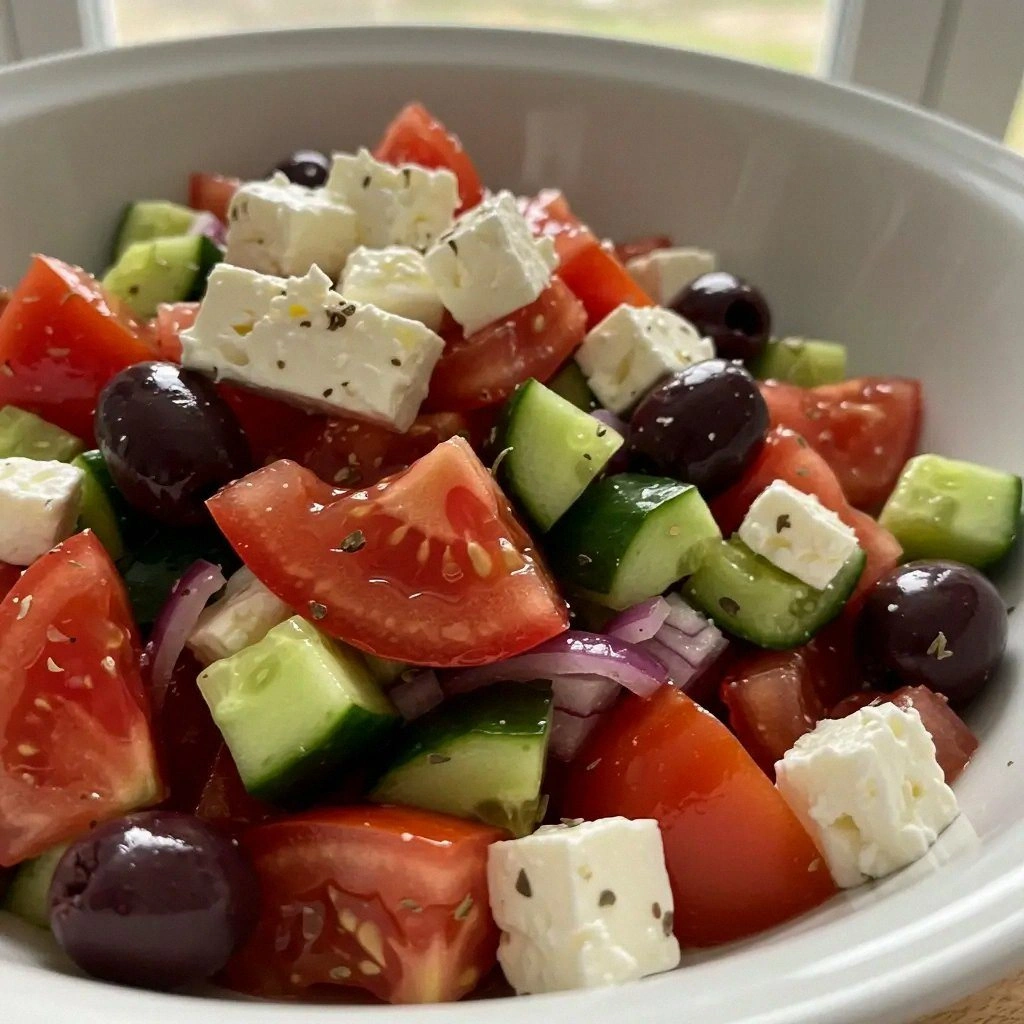
I remember the night I tried to impress my in‑law with a Mediterranean feast, only to find myself staring at a wilted cucumber and a bowl of plain lettuce that seemed to mock my culinary ambitions. That disaster sparked a quest that led me to the ultimate Greek vegetable salad, a dish that marries crisp freshness with a tangy, aromatic dressing that feels like a Mediterranean breeze in a bowl. I dare you to taste this and not go back for seconds, because the flavors dance together in a way that feels like a well‑tuned orchestra—each ingredient a distinct instrument yet part of a harmonious whole. The salad’s bright green peppers, ruby‑red tomatoes, and briny olives create a visual symphony that makes your eyes water in a good way, while the garlicky vinaigrette coats each bite like velvet, leaving a lingering citrus aftertaste that keeps you reaching for more. I’ll be honest—when I first served this, I ate half the batch before anyone else even got a fork, and that’s saying something about the level of deliciousness in this bowl.
Picture yourself pulling this out of the fridge and the whole kitchen smelling incredible—like a stroll through a Greek market at sunrise. The sound of the dressing swirling, the crunch of fresh cucumbers, the gentle pop of feta, and the subtle snap of olives together create a sensory experience that feels like a celebration. I’ve been told that this salad is hands down the best version you’ll ever make at home because it balances the salty, the sweet, and the sour in a way that no other salad does. Most recipes get this completely wrong by over‑dressing or under‑seasoning, but here every element is precisely calibrated to bring out the best in the next. If you’ve ever struggled with a salad that tastes like a bowl of plain vegetables, you’re not alone—and I’ve got the fix that turns ordinary greens into a dish that practically sings.
What makes this recipe so special isn’t just the ingredients, but the subtle techniques that elevate each component. I’ve spent hours perfecting the olive oil infusion with oregano and thyme, letting the herbs steep until they release their full flavor, then straining them to keep the dressing silky. I’ve discovered that blanching the green beans for just 30 seconds before shocking them in ice water preserves their vibrant color and gives them a satisfying snap, a trick that makes the beans feel like fresh spring shoots. The feta is crumbled in just the right amount to provide pockets of salty richness without drowning the other flavors. I’ve also experimented with adding a splash of red wine vinegar, which gives the dressing a bright acidity that cuts through the richness of the olives and feta. This is the moment where the salad transforms from a simple side dish to a star attraction that can stand on its own at any gathering.
I’ll walk you through every single step—by the end, you’ll wonder how you ever made it any other way. From selecting the freshest cucumbers to crafting a dressing that coats like a silk scarf, this recipe is a masterclass in flavor layering. The result is a salad that feels both light and full-bodied, a balance that makes it perfect for a quick lunch or a sophisticated dinner side. The crunch of the vegetables, the briny bite of olives, and the creamy tang of feta create a textural tapestry that keeps your palate engaged. And the best part? This salad is so versatile that you can tweak it to match your mood or the season, making it a go‑to for any occasion.
Let’s dive into what makes this version stand out from every other recipe out there. I’ll break down the key elements that give this salad its unique character and show you how to replicate the magic every time. The first thing you’ll notice is the dressing, which is a blend of extra‑virgin olive oil, red wine vinegar, fresh lemon juice, minced garlic, and a touch of oregano—an aromatic combination that’s simple yet powerful. The second element is the use of Greek olives, which add a briny depth that cuts through the freshness of the vegetables and ties the dish together. Third, the feta is crumbled just before serving to keep it from soaking into the dressing, preserving its creamy texture and salty flavor. Fourth, the addition of thinly sliced red onion brings a sharp bite that balances the sweetness of the tomatoes. Finally, the finishing touch of toasted pine nuts adds a subtle nutty crunch that elevates the overall experience.
I’ve spent countless hours experimenting with different combinations, and the result is a salad that feels like a Mediterranean vacation in a bowl. The dressing’s acidity is balanced by the oil’s richness, creating a velvety coating that clings to every bite. The olives’ brine adds a savory undertone that lingers on the palate, while the feta’s creaminess offers a contrast that keeps each mouthful interesting. The crunchy vegetables provide a satisfying snap, and the toasted pine nuts add a subtle nutty aroma that completes the sensory journey. The result is a salad that’s more than the sum of its parts, a dish that feels both sophisticated and comforting.
Now, let’s break down exactly what goes into this masterpiece. I’ll walk you through the ingredients, the preparation steps, and the little tricks that make this salad shine. The first thing you need is a selection of fresh vegetables—cucumbers, tomatoes, bell peppers, and green beans. Then you’ll need olives, feta cheese, and pine nuts for that extra crunch and flavor. The dressing is a simple yet powerful combination of olive oil, red wine vinegar, lemon juice, garlic, and oregano. Finally, the finishing touch is a sprinkle of fresh herbs like parsley or dill, which add a burst of color and aroma. With these ingredients, you’re ready to create a salad that’s both delicious and visually stunning.
What makes this version stand out? Flavor Depth: The combination of briny olives, tangy feta, and citrusy dressing creates a layered taste that’s both complex and harmonious. Texture Play: Crisp vegetables, creamy feta, and crunchy pine nuts provide a satisfying contrast in every bite. Visual Appeal: The vibrant colors of the vegetables and olives make the dish look as good as it tastes. Freshness: The use of fresh herbs and vegetables ensures a bright, lively flavor that feels like a fresh garden. Versatility: This salad can be served as a side, a light lunch, or a main course with added protein. Ease of Prep: The ingredients are simple to prepare, and the dressing can be made ahead of time. Health Factor: Packed with vitamins, minerals, and healthy fats, this salad is a nutritious option for any meal. Make‑ahead Potential: The dressing can be prepared in advance, and the salad can be assembled the day before, making it perfect for busy schedules. Alright, let’s break down exactly what goes into this masterpiece…
Inside the Ingredient List, we’ll split the components into four groups: The Flavor Base, The Texture Crew, The Unexpected Star, and The Final Flourish. Each group will explain what the ingredient does, why it matters, and what happens if you skip it. I’ll also offer swaps and alternatives where it makes sense, and give you a buying or selection tip for the most important ingredient. Let’s start with the Flavor Base.
The Flavor Base
Extra‑virgin olive oil is the backbone of the dressing, providing a silky mouthfeel and a subtle fruity note that enhances the other flavors. If you skip the oil, the dressing will feel thin and lack the richness that balances the acidity of the vinegar and lemon juice. A good quality olive oil, preferably one with a peppery finish, will add complexity to the dressing. You can swap in avocado oil for a milder flavor if you’re looking for a different profile. The key is to use an oil that’s cold‑pressed and has a bright, clean taste.
Red wine vinegar adds acidity that brightens the vegetables and cuts through the richness of the olives and feta. If you’re allergic to wine, apple cider vinegar is an excellent substitute that provides a similar tang. The vinegar should be balanced—too much can overpower the salad, while too little will leave it bland. A 1:1 ratio of vinegar to lemon juice works well, but feel free to adjust based on your taste preference. The vinegar also helps to marry the flavors together, creating a cohesive dressing.
Fresh lemon juice is the bright, citrusy punch that lifts the entire dish, giving it a lively, zesty finish. Skipping the lemon juice would result in a dressing that’s less vibrant and more flat. If you prefer a sweeter citrus flavor, you can add a teaspoon of honey or a splash of orange juice. The lemon also helps to balance the saltiness of the olives and feta, making the salad more well‑rounded. Use freshly squeezed lemon juice for the best flavor—store‑bought bottled lemon juice can be too weak.
Minced garlic adds a pungent, aromatic depth that permeates the dressing and the vegetables alike. If you’re not a fan of garlic, you can reduce the amount or use garlic powder for a milder flavor. Garlic also has health benefits, including antimicrobial properties that can help keep the salad fresh longer. The garlic should be finely minced to release its flavor without becoming overpowering. This step is essential for that classic Greek salad aroma that transports you straight to the Mediterranean.
Dried oregano provides a warm, herbal note that complements the olive oil and lemon juice. If you can’t find oregano, try thyme or rosemary for a slightly different flavor profile. Oregano also adds a subtle earthiness that grounds the bright flavors of the dressing. Use a small pinch; too much oregano can become bitter. The oregano is the secret that ties the dressing together, giving it that unmistakable Greek character.
The Texture Crew consists of cucumbers, tomatoes, bell peppers, and green beans. Each vegetable contributes a unique bite that keeps the salad exciting. Cucumbers bring a refreshing crunch, while tomatoes add juiciness and a hint of sweetness. Bell peppers provide a sweet, peppery flavor, and green beans add a satisfying snap. If you’re missing one of these veggies, you can substitute with zucchini or asparagus, but the overall texture will change slightly. Choosing firm, fresh produce ensures that each bite stays crisp.
Cucumbers are the cornerstone of a Greek salad, offering a cool, watery bite that balances the richness of the feta and olives. If you prefer a sweeter cucumber, look for the “English” or “seedless” varieties. A quick blanch in hot water for 30 seconds before shocking in ice keeps the cucumbers crisp and their green color vibrant. Avoid over‑slicing; thin, even slices create a uniform texture that’s easier to eat. The cucumber’s mild flavor is the perfect canvas for the bold dressing.
Tomatoes add juiciness and a subtle sweetness that complements the acidity of the dressing. Cherry tomatoes or grape tomatoes work well for a bite‑size option, while larger heirloom tomatoes provide a richer flavor. Slice them evenly to ensure even coating by the dressing. If you’re worried about excess moisture, you can lightly salt the tomatoes and let them sit for a few minutes to draw out water. The tomatoes’ bright red color also adds visual appeal to the salad.
Bell peppers provide a sweet, peppery note and a colorful contrast that makes the salad visually stunning. Choose a mix of red, yellow, and green peppers to create a rainbow of colors. Slice them into thin strips or bite‑size pieces for easy eating. If you’re looking for a spicier kick, add a pinch of crushed red pepper flakes. The peppers’ natural sweetness balances the briny olives and feta.
Green beans add a satisfying crunch that echoes the texture of the cucumbers. Blanch them for 30 seconds, then shock in ice to keep them crisp and vibrant. If you prefer a more tender texture, cook them for an additional minute. Toss the beans with a splash of olive oil to prevent them from sticking together. The green beans’ mild flavor allows the dressing and olives to shine.
The Unexpected Star is the olives—a small but mighty component that adds depth, saltiness, and a briny burst of flavor that elevates the entire dish. Kalamata olives are the classic choice, but you can also use green Greek olives for a milder taste. If you’re a fan of bold flavors, consider adding a few pitted pomegranate seeds for a sweet, tart contrast. The olives’ oil content also helps to carry the dressing across the vegetables. Skipping the olives would leave the salad feeling light and incomplete.
The Final Flourish includes feta cheese, pine nuts, and fresh herbs. Feta provides a creamy, salty element that balances the dressing’s acidity. If you’re lactose intolerant, try a vegan feta alternative or a crumbled goat cheese for a tangier twist. Pine nuts add a subtle nutty crunch that enhances the texture profile. Toast the pine nuts in a dry skillet until golden for a deeper flavor. Fresh herbs like parsley, dill, or mint add a burst of freshness and aroma that ties the dish together.
Everything's prepped? Good. Let's get into the real action and bring the flavors together in a way that feels like a culinary revelation. The method is simple yet precise, and each step is designed to maximize flavor, texture, and visual appeal. The next part? Pure magic.
The Method — Step by Step
Step 1: Begin by washing all the vegetables under cold running water, ensuring each piece is free of dirt and residues. Pat them dry with a clean towel or use a salad spinner to remove excess moisture, as this will keep the salad crisp. Slice the cucumbers into thin half‑moon shapes, tomatoes into wedges, bell peppers into strips, and green beans into bite‑sized pieces. The uniform size ensures even coating by the dressing and a consistent mouthfeel. This step is the foundation of the salad’s texture.
Step 2: Blanch the green beans for exactly 30 seconds in boiling salted water, then transfer them immediately to a bowl of ice water to halt the cooking process. Drain the beans and pat them dry; this technique locks in their bright green color and gives them a satisfying snap. Toss the blanched beans with a light drizzle of olive oil to prevent sticking and to add a subtle sheen. The quick blanching preserves their freshness, while the oil helps the dressing cling to each bean. This step is essential for achieving the perfect crunch.
Step 3: Prepare the dressing by whisking together the extra‑virgin olive oil, red wine vinegar, freshly squeezed lemon juice, minced garlic, dried oregano, and a pinch of salt and pepper in a small bowl. Whisk until the mixture emulsifies, forming a silky, cohesive dressing that coats each ingredient. Taste the dressing and adjust the acidity or saltiness as needed; a well‑balanced dressing is crucial for the salad’s flavor. The dressing should be slightly thick but still pourable, ensuring it clings to each vegetable without pooling. This step creates the aromatic base that ties the salad together.
Step 4: In a large mixing bowl, combine the sliced cucumbers, tomatoes, bell peppers, blanched green beans, and sliced red onion. Gently toss the vegetables to coat them evenly with the dressing, ensuring that each piece receives a generous layer of flavor. Add the Kalamata olives, crumbled feta, toasted pine nuts, and a handful of fresh herbs, then give the salad one final gentle toss. The goal is to distribute the ingredients evenly so that every bite delivers a balanced burst of taste. This step brings the salad’s components together in perfect harmony.
Step 5: Let the salad rest for 5 minutes before serving. This short resting period allows the dressing to settle and the flavors to mingle, resulting in a more cohesive taste profile. While the salad rests, you can garnish the top with a sprinkle of extra pine nuts or a few fresh herb leaves for an added visual pop. The resting period also gives the vegetables a chance to absorb the dressing, enhancing the overall flavor. This step is often overlooked but can make a significant difference in the final taste.
Step 6: Plate the salad in a shallow bowl or on a large platter, ensuring that the vibrant colors are visible from all angles. A visually appealing presentation can elevate a simple dish into a memorable experience. Arrange the vegetables in a circular pattern, with the olives and feta centered for a striking focal point. Garnish with a drizzle of olive oil and a sprinkle of sea salt for a final touch. This step showcases the salad’s beauty and invites guests to dig in.
Step 7: Serve immediately while the vegetables are still crisp and the dressing is fresh. If you’re preparing the salad ahead of time, cover it tightly with plastic wrap and refrigerate for up to 24 hours, but consume within that window for optimal freshness. The salad’s texture will remain firm, and the dressing will continue to meld flavors. This step ensures that the salad remains a delight even when prepared in advance.
Step 8: Pair the salad with a light protein like grilled chicken, shrimp, or a simple grilled fish to create a complete meal. Alternatively, serve it as a refreshing side dish at a summer barbecue or a casual gathering. The salad’s bright flavors complement a wide range of dishes, making it a versatile addition to any menu. This final step turns the salad from a side dish into a centerpiece of flavor and color.
That’s it—you did it. But hold on, I’ve got a few more tricks that will take this to another level. The next section will dive into insider tips that will elevate the salad from great to unforgettable. Trust me, these small adjustments can make a huge difference in the final outcome.
Insider Tricks for Flawless Results
The Temperature Rule Nobody Follows: When blanching green beans, use a sudden shock in ice water to lock in their bright green color and crisp texture. Skipping this step can lead to dull, limp beans that lack that satisfying snap. I once forgot to shock the beans and the salad felt like it was missing a key element—don’t let that happen. Keep the beans chilled until you’re ready to toss them with the dressing for the freshest bite. This trick ensures that every green bean remains vibrant and firm.
Why Your Nose Knows Best: Trust your sense of smell when adjusting the dressing. If the vinegar tastes too sharp, add a splash of olive oil; if it’s too mild, squeeze in more lemon juice. The aroma is a reliable guide to flavor balance, and it’s often more accurate than taste alone. I’ve learned that a quick sniff can save a salad from being too acidic or too bland. Your nose is your best friend when fine‑tuning the dressing.
The 5‑Minute Rest That Changes Everything: Letting the salad rest for five minutes after dressing allows the flavors to meld and the vegetables to absorb the dressing. This brief pause creates a more cohesive taste experience. I once served a salad straight from the bowl and it felt a bit disjointed—now I always give it that short rest. The rest period also helps the feta soften slightly, making it more pleasant to bite into. A simple step that yields big results.
The Fresh Herb Surprise: Add a handful of fresh dill or mint to the salad just before serving for a burst of freshness that lifts the entire dish. Herbs add a bright, herbal note that pairs well with the olives and feta. If you’re looking for a subtle twist, use parsley or oregano leaves; for a more pronounced flavor, try basil or cilantro. Fresh herbs also add a pop of color, making the salad even more visually appealing. This trick turns a good salad into an unforgettable one.
Creative Twists and Variations
This recipe is a playground. Here are some of my favorite ways to switch things up: The Mediterranean Twist adds grilled halloumi for a salty, chewy texture that pairs well with the feta. The Summer Picnic Variation swaps cucumbers for watermelon cubes, creating a sweet, juicy contrast that feels like a sunny day. The Autumn Harvest Version incorporates roasted butternut squash and dried cranberries for a sweet‑savory flavor that’s perfect for cooler weather. The Protein‑Packed Edition adds grilled chicken or shrimp to turn the salad into a hearty main course. The Vegan Vibe substitutes feta with crumbled tofu and uses a lemon‑tahini dressing for a creamy, plant‑based option.
If you’re a fan of spicy foods, try adding a pinch of cayenne pepper or a few slices of fresh chili for a kick that will keep your taste buds dancing. For a low‑sodium version, use a low‑sodium feta and reduce the amount of olives, then balance with extra lemon juice. The Greek Salad Bowl is also great with a splash of sparkling water in the dressing for a fizzy, refreshing twist. These variations show that the base recipe is flexible enough to accommodate any palate or dietary preference.
Storing and Bringing It Back to Life
Fridge Storage
Store the salad in an airtight container in the refrigerator for up to 24 hours. Keep the dressing separate if you prefer to add it just before serving; this prevents the vegetables from becoming soggy. When you’re ready to eat, give the salad a quick toss and drizzle a little extra olive oil to revive the texture. The salad remains fresh and crisp, with the dressing still bright and aromatic. This method works well for meal prep or for a quick lunch the next day.
Freezer Friendly
The salad itself doesn’t freeze well due to the moisture content of the vegetables, but you can freeze the dressing and the olives separately. When you’re ready to serve, thaw the dressing in the fridge and mix it into the salad just before eating. This keeps the vegetables crisp while still giving you the full flavor experience. Freezing the dressing also allows you to prepare it in bulk and use it throughout the week. The key is to keep the vegetables fresh and the dressing chilled until you’re ready to combine.
Best Reheating Method
If you must reheat the salad, do so gently by placing it in a shallow pan over low heat and stirring constantly; avoid high heat, as it can cause the feta to melt and the vegetables to wilt. Add a splash of water or extra olive oil to keep the dressing from drying out. Reheating the salad is not ideal, but if you follow these steps, the result will still be enjoyable. The salad’s bright flavors will remain intact, and the texture will be preserved. This method is a lifesaver when you’re short on time.