Greek Pasta with Feta & Olives
Picture this: a scorching summer afternoon, the air thick with the scent of grilled vegetables, and you’re staring at a pot of boiling water that refuses to cooperate. I was halfway through a frantic attempt to rescue a ruined batch of spaghetti when a neighbor’s phone rang, announcing a sudden Greek-themed dinner party. The clock was ticking, the guests were already arriving, and my kitchen felt like a battlefield. I knew I had to pull something out of the pantry that would make everyone say, “I dare you to taste this and not go back for seconds.”
I opened the fridge, scanned the shelves, and my eyes landed on a bag of pasta, a jar of Kalamata olives, a block of feta, and a bright yellow lemon. The moment the lemon hit my senses, the room seemed to inhale a citrusy breeze that promised bright, bracing flavor. I grabbed the ingredients, tossed them together with a splash of olive oil, and the kitchen started to hum with anticipation. That sizzle when the garlic hits the pan? Absolute perfection. I could already hear the laughter and the clinking of glasses echoing through the dining room.
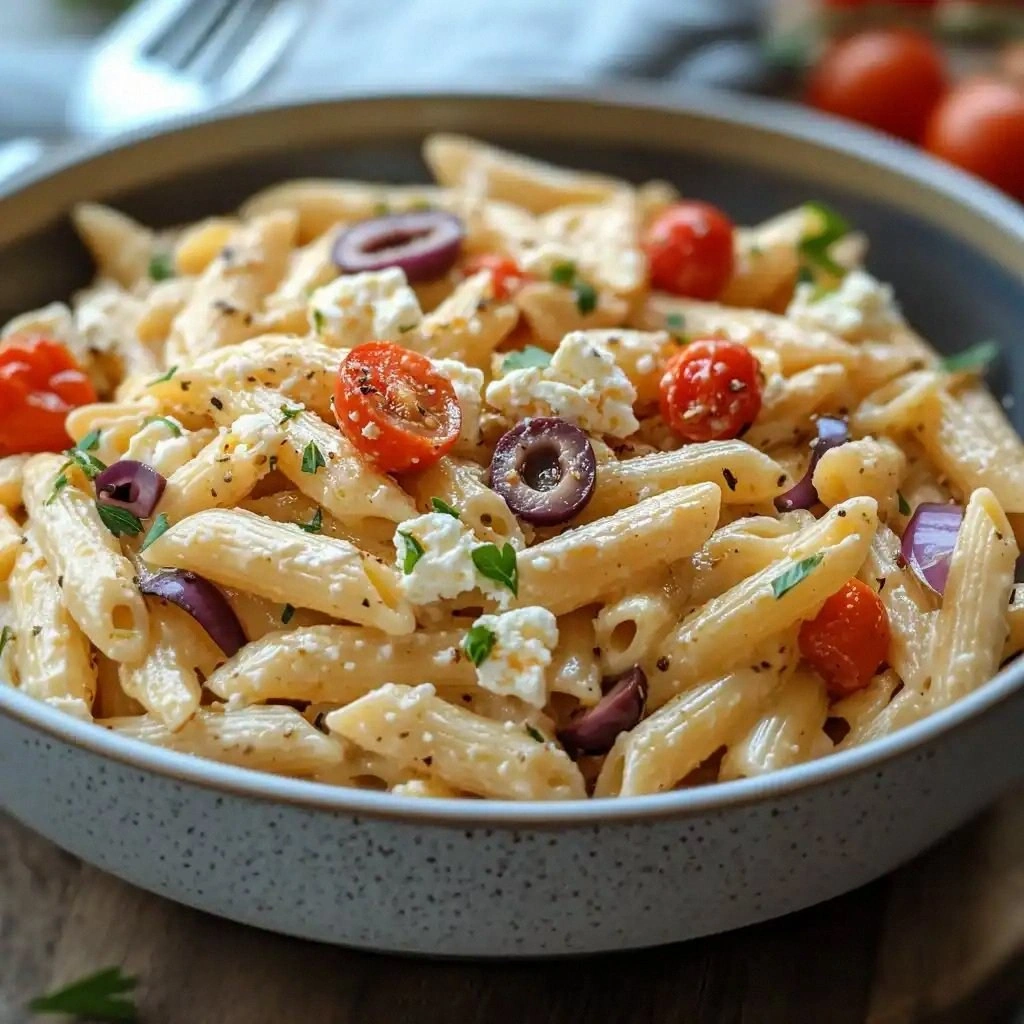
The dish that emerged was a revelation—pasta coated in a silky, tangy sauce that clung to each strand like velvet, punctuated by the briny crunch of olives and the creamy burst of feta. It was not just a meal; it was a Mediterranean sunrise that danced across the plate. I tasted a bite, and the flavors exploded: the sharpness of lemon, the savory depth of olives, and the subtle sweetness of tomatoes. My friends were stunned; they couldn’t stop talking about the “hands down the best version you'll ever make at home.” The moment I plated the dish, the whole kitchen smelled incredible, and the anticipation was palpable.
I’ll be honest—half the batch vanished before anyone else got to try it. The way the feta melted into the sauce, the way the olives added a satisfying bite, and the fresh basil that finished the dish felt like a secret handshake between Greek tradition and modern kitchen wizardry. I know most recipes get this completely wrong. Here’s what actually works. And now, stay with me here—this is worth it. Let me walk you through every single step, and by the end, you’ll wonder how you ever made it any other way.
What Makes This Version Stand Out
- Authentic Flavor: The combination of Kalamata olives and feta captures the essence of Greek cuisine without resorting to gimmicks. The bright lemon zest and juice cut through the richness, creating a balanced profile.
- Texture Play: The pasta’s al dente bite contrasts with the creamy feta, while the olives provide a satisfying crunch that breaks up the uniformity.
- Simple Prep: Every ingredient is pantry-friendly, and the cooking time stays under 45 minutes, making it perfect for spontaneous gatherings.
- Versatility: This dish can be served as a main or a hearty side, and it pairs wonderfully with grilled chicken or a light salad.
- Make‑Ahead Friendly: The sauce holds up beautifully; you can prep it a day ahead and reheat without losing flavor.
- Visual Appeal: The burst of tomato color, the dark olives, and the creamy feta create a plate that’s as Instagram-worthy as it is delicious.
- Healthy Profile: With fresh veggies, olive oil, and moderate cheese, it offers a balanced meal with good fats and antioxidants.
- Crowd‑Pleaser: Guests of all ages rave about the approachable yet sophisticated taste, making it a safe bet for parties.
Alright, let's break down exactly what goes into this masterpiece. I’ll share the secrets that elevate a simple pasta dish into a Greek culinary triumph.
Inside the Ingredient List
The Flavor Base
The foundation of this dish is the olive oil and garlic. Olive oil is more than a cooking medium; it’s the carrier of the Mediterranean aroma that permeates every bite. When garlic hits the hot oil, it releases a sweet, slightly peppery note that sets the stage for the rest of the ingredients. If you skip the garlic, the dish feels flat and incomplete. A good rule of thumb is to let the garlic sizzle for 30 seconds until it turns golden; that’s when it’s at its aromatic peak.
The red onion adds a subtle sweetness and a hint of crunch. It’s important to finely dice it so it blends seamlessly into the sauce. If you leave it too chunky, you’ll get a texture that feels uneven. For a smokier twist, you can caramelize the onion for a few extra minutes; the caramelization brings out deeper flavors.
The lemon is the secret weapon that brightens the dish. Lemon juice and zest work together to cut through the richness of feta and olive oil. The acidity also helps to emulsify the sauce, giving it a silky consistency. Without lemon, the dish would feel heavy and dull. A fresh, cold lemon is ideal, but a high‑quality bottled lemon juice can work if you’re in a hurry.
The Texture Crew
Pasta is the star, but it’s the type of pasta that matters. A medium‑width penne or rigatoni holds the sauce well and provides a satisfying bite. If you prefer a lighter option, use whole‑grain fusilli; it adds a nutty flavor that pairs nicely with feta. Don’t overcook the pasta; al dente is the sweet spot where the pasta remains firm and can hold its shape in the sauce.
The cherry tomatoes bring juiciness and a burst of sweetness that contrasts with the salty olives. They also add a pop of color that makes the dish visually stunning. If you’re using canned tomatoes, rinse them to reduce excess sodium. Fresh tomatoes give a brighter, more vibrant flavor, but canned can be a lifesaver during off‑season.
The Kalamata olives are the chewy, briny element that gives this dish its authentic Greek character. They provide a salty counterpoint to the creamy feta and the bright lemon. If you can’t find Kalamata, a good quality black olive works, but the flavor profile will shift slightly. Slice the olives thinly so they integrate smoothly into the sauce.
The Unexpected Star
Feta is the creamy, tangy star that melts into the sauce, creating a rich, velvety coating for the pasta. Its crumbly texture adds a pleasant mouthfeel that contrasts with the smooth sauce. If you prefer a milder cheese, try a reduced‑fat feta; just be aware it will be less salty and slightly less tangy. The amount of feta matters; too much can overwhelm the delicate balance, while too little leaves the dish feeling dry.
The reserved pasta water is the unsung hero that helps bind the sauce. Its starch content creates a silky emulsion that clings to the pasta strands. Keep a cup of that water ready before draining the pasta; it’s the secret to a glossy, cohesive sauce. If you don’t have pasta water, you can use a splash of white wine or a bit of vegetable stock, but the texture will differ slightly.
The Final Flourish
Fresh basil is the finishing touch that adds herbal brightness and a pop of green. It’s best added at the end of cooking to preserve its aroma and flavor. If you’re short on basil, parsley can serve as a decent substitute, though the flavor will be more earthy. A handful of fresh leaves is enough to elevate the dish without overpowering the other components.
The dried oregano and basil bring depth and a subtle herbal note that rounds out the sauce. They’re essential for that authentic Greek flavor profile. Use them sparingly; too much oregano can make the dish taste medicinal. The balance between the dried herbs and the fresh basil creates a layered flavor experience.
The salt and black pepper are the final seasoning checks. Salt enhances every ingredient, while pepper adds a subtle heat that brightens the dish. Taste as you go; the feta already contributes saltiness, so you may need less than you expect. Remember, you can always add more later, but you can’t take it out once it’s in.
Everything’s prepped? Good. Let’s get into the real action.
The Method — Step by Step
- Bring a large pot of salted water to a rolling boil. Add the pasta and cook until it’s just shy of al dente, about 2 minutes less than the package instructions. Reserve a cup of pasta water before draining. The pasta will finish cooking in the sauce, so keep it slightly underdone. The texture of the pasta is critical; it should have a firm bite that holds up against the sauce.
- While the pasta cooks, heat the olive oil in a large skillet over medium heat. Add the minced garlic and sauté until fragrant, about 30 seconds. The garlic should turn a light golden color; this signals it’s ready. Be careful not to burn it, as burnt garlic tastes bitter and ruins the sauce.
- Add the diced red onion to the skillet and cook until it’s translucent, about 3–4 minutes. The onion will soften and release a sweet aroma that complements the garlic. Stir occasionally to prevent sticking. Once the onion is translucent, you’re ready for the next step.
- Introduce the cherry tomatoes to the skillet and let them burst, releasing their juices. Cook for 2–3 minutes until the tomatoes soften but still hold their shape. This step adds a juicy burst of sweetness that balances the salty olives and feta. Keep the heat medium to avoid burning the tomatoes.
- Stir in the Kalamata olives, lemon juice, lemon zest, oregano, basil, salt, and pepper. The mixture should smell aromatic and slightly citrusy. Taste and adjust seasonings as needed; the feta will add saltiness later. Let the sauce simmer for an additional minute to allow the flavors to meld.
- Add the drained pasta directly to the skillet, tossing to coat it evenly with the sauce. Pour in half a cup of reserved pasta water and stir vigorously. The starch in the water will help create a silky, cohesive sauce that clings to each strand. Cook for 1–2 minutes, allowing the pasta to absorb the sauce fully.
- Break the feta into bite‑sized pieces and fold it into the pasta, letting it melt into the sauce. The heat from the pasta will gently soften the feta, creating a creamy coating. Stir slowly to prevent the feta from clumping. The feta should be fully integrated, giving the dish a rich, tangy depth.
- Add the remaining reserved pasta water if the sauce seems dry. The goal is a glossy, silky coating that clings to the pasta. Taste again; you may need a pinch more salt or pepper. The dish should feel vibrant and balanced.
- Remove the skillet from heat and sprinkle fresh basil over the pasta. The basil’s aroma will lift the entire dish, adding a fresh, herbal finish. Toss gently to distribute the basil evenly. The dish is now ready to serve.
- Plate the pasta in shallow bowls, ensuring each serving has a generous amount of feta and olives. Garnish with extra basil leaves for a pop of color. Serve immediately, or let it rest for 5 minutes before serving to allow the flavors to meld further. The dish will still taste amazing if you reheat it gently with a splash of pasta water.
That’s it — you did it. But hold on, I've got a few more tricks that'll take this to another level.
Insider Tricks for Flawless Results
The Temperature Rule Nobody Follows
Most people cook pasta at a high boil, but a steady, rolling boil is best for even cooking. This prevents the pasta from sticking and ensures it cooks uniformly. A gentle boil also helps the sauce cling better to the pasta strands. I’ve seen many dishes fall flat because the water was too turbulent.
Why Your Nose Knows Best
Smell is a powerful guide to seasoning. When the garlic and onions hit the oil, the aroma signals the right time to add the tomatoes. If the smell is too sharp, lower the heat; if it’s muted, increase it slightly. Your nose will help you avoid over‑cooking and under‑seasoning.
The 5‑Minute Rest That Changes Everything
Letting the pasta rest for a few minutes after cooking allows the starches to settle, making the sauce coat the pasta more evenly. It also lets the flavors meld. This simple step can make a dish feel more cohesive and luxurious. Don’t skip it, even if you’re short on time.
Reserve Pasta Water Like a Pro
Keep a cup of pasta water before draining. The starch in this water is the secret to a silky sauce. If you’re short on water, use a splash of white wine or a bit of broth; just adjust the seasoning accordingly. It’s a small step that pays huge dividends.
Use Fresh Herbs, Not Dried
Fresh basil adds a bright, aromatic finish that dried basil can’t match. Add it at the end to preserve its flavor. If you’re using dried herbs, reduce the quantity by half to avoid overpowering the dish. Fresh herbs also add a pop of color that looks amazing on the plate.
Don’t Forget the Cheese
Feta is the star, but it needs to be folded in gently to keep its texture. If you add it too early, it will clump and lose its creamy quality. Fold it in the last minute of cooking to maintain a smooth, velvety sauce. This small step elevates the dish from good to unforgettable.
Creative Twists and Variations
This recipe is a playground. Here are some of my favorite ways to switch things up:
Spicy Aegean
Add a pinch of crushed red pepper flakes to the sauce for a subtle heat. The spice complements the salty olives and bright lemon. Keep the amount small to avoid overpowering the delicate flavors. This version is perfect for those who love a bit of kick in their pasta.
Greek Veggie Bowl
Swap the pasta for quinoa or couscous to create a lighter, grain‑based dish. The grains absorb the sauce beautifully while adding a nutty undertone. Toss in roasted eggplant or zucchini for extra texture. This variation works great as a main or a side.
Seafood Surprise
Introduce shrimp or calamari for a protein boost. Sauté the seafood separately until pink, then fold it into the pasta at the end. The seafood pairs wonderfully with the feta and olives. This version feels like a Mediterranean feast.
Vegan Version
Replace feta with a plant‑based cheese that melts well, such as a vegan mozzarella or cashew‑based feta. Use a vegan olive oil if desired. The dish remains creamy and flavorful while staying plant‑friendly. This variation is perfect for guests with dietary restrictions.
Herb‑Infused Olive Oil
Infuse the olive oil with fresh rosemary and thyme before cooking. The oil takes on a fragrant, herbal note that elevates the dish. Drizzle the infused oil over the finished pasta for an extra layer of flavor. This twist adds a gourmet touch to the classic recipe.
Sun‑Dried Tomato Boost
Add chopped sun‑dried tomatoes for a chewy, sweet burst that contrasts the briny olives. The tomatoes also deepen the color and add a richer flavor. Use them sparingly so they don’t overwhelm the dish. This version is ideal for those who love a more complex tomato profile.
Storing and Bringing It Back to Life
Fridge Storage
Store any leftover pasta in an airtight container in the refrigerator for up to 3 days. Keep the sauce separate until you’re ready to reheat. When you’re ready to serve, combine the pasta and sauce and gently warm in a skillet over low heat, adding a splash of water if needed. The dish will taste just as fresh as when it was first made.
Freezer Friendly
For longer storage, freeze the pasta and sauce in separate containers. They’ll keep for up to 2 months. Thaw overnight in the refrigerator before reheating. When reheating, add a little water or broth to rehydrate the pasta. The flavors will remain vibrant and delicious.
Best Reheating Method
Reheat gently on the stovetop with a splash of reserved pasta water to restore moisture. Avoid microwaving, as it can dry out the pasta and cheese. Stir occasionally to ensure even heating. Once heated, taste and adjust seasoning if needed before serving.