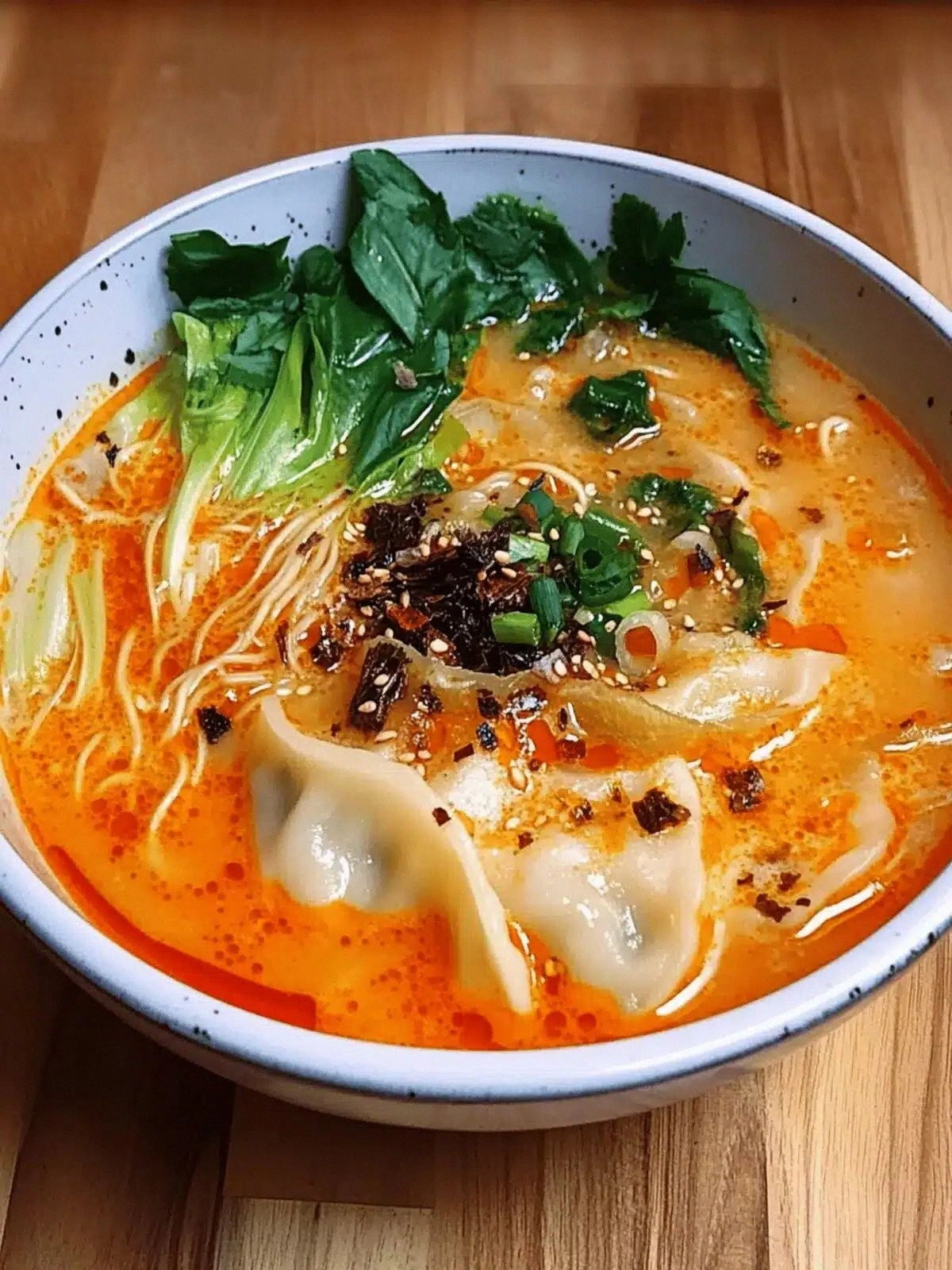
I was halfway through a midnight snack when the kitchen lights flickered and a pot of onions started to sing. The sweet aroma of caramelized onions danced through the air, turning my cramped apartment into a tiny French bistro. I had never thought a simple pan of onions could inspire a full‑blown dinner, but that sizzling moment proved otherwise. This recipe is the result of that accidental discovery, a dish that marries the rich, buttery depth of caramelized onions with hearty beef and silky noodles. If you think you’ve seen every French onion variation out there, think again—this one is a game‑changer.
Picture yourself pulling this out of the oven, the whole kitchen smelling incredible, the steam curling like a fragrant cloud above the table. The first bite is a burst of umami, the beef tender as a well‑marinated cut, the noodles coated in a sauce that coats the pasta like velvet. The onions bring that deep, sweet crunch that makes the dish sing. The final flourish of Gruyère melts into a glossy glaze that ties everything together. You’ll be tempted to taste it again and again, and I dare you to taste this and not go back for seconds.
Most recipes get this completely wrong by over‑cooking the beef or under‑caramelizing the onions, resulting in a bland, soggy mess. The secret lies in patience and a careful balance of flavors—sweet, salty, and a hint of herbaceous thyme. I’ve spent nights tweaking ratios, and the result is a dish that feels both comforting and sophisticated. The sauce is thick enough to cling to every noodle strand, yet light enough to keep the dish from feeling heavy. The combination of beef broth, Worcestershire sauce, and a splash of soy creates a depth that makes this version hands down the best you’ll ever make at home.
If you’ve ever struggled with this, you’re not alone—and I’ve got the fix. I’ll be honest — I ate half the batch before anyone else got to try it, but that’s the proof that it’s delicious. The next part of this article will walk you through every single step — by the end, you’ll wonder how you ever made it any other way.
What Makes This Version Stand Out
- Flavor: The caramelized onions form a sweet, buttery base that carries the beef’s savory richness, creating a layered taste experience that’s both comforting and elegant.
- Texture: The beef is seared to a perfect crust, then simmered until melt‑in‑your‑mouth tender, while the noodles remain al dente, providing a satisfying contrast.
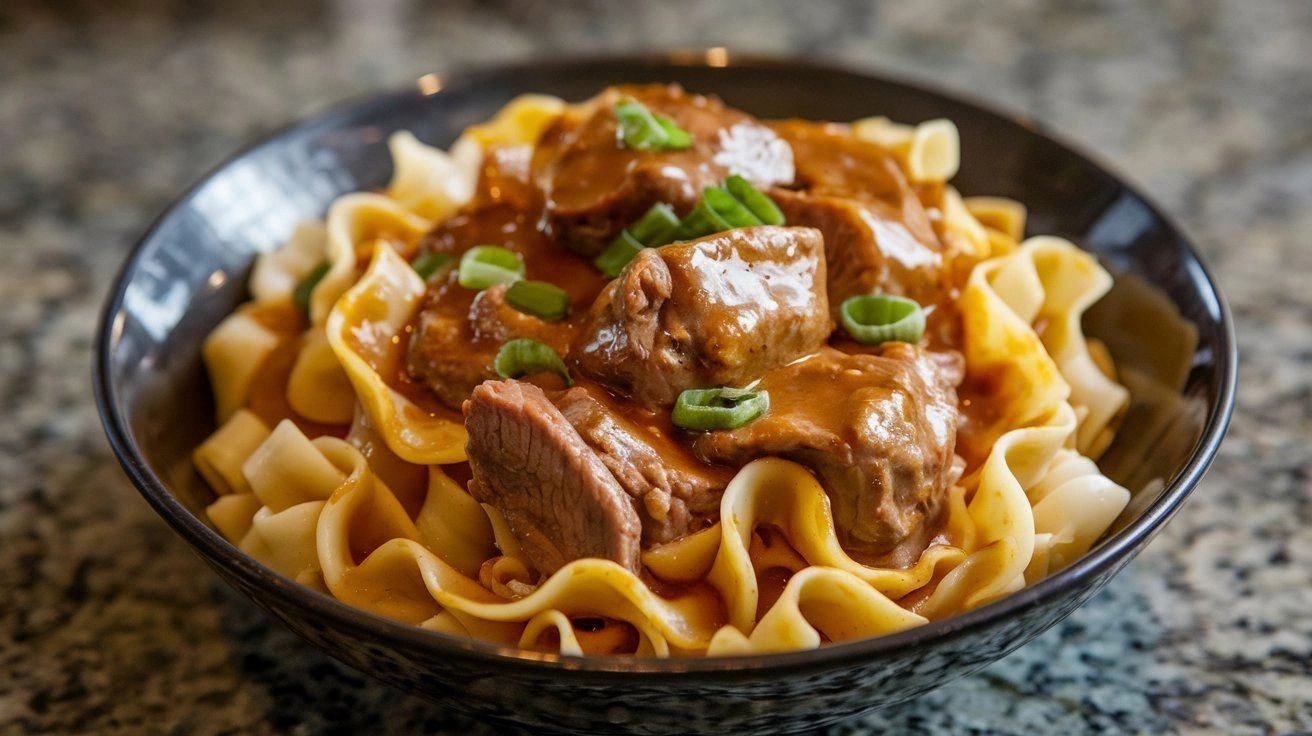
- Visual Appeal: The golden onions, glossy sauce, and a dusting of shredded Gruyère give the dish a restaurant‑level look that will impress any guest.
- Ease of Prep: Each component can be prepared in advance, making this a make‑ahead meal that saves time on busy nights.
- Ingredient Quality: Using high‑quality beef and fresh onions elevates the dish, while the addition of Worcestershire sauce adds depth that’s hard to replicate with pantry staples.
- Versatility: The recipe scales beautifully, whether you’re cooking for two or feeding a crowd, and it pairs wonderfully with crusty bread or a side salad.
Inside the Ingredient List
The Flavor Base
The foundation of this dish is the caramelized onion mixture, which is the star of the show. Slicing the onions thin allows them to brown slowly, releasing natural sugars that create a sweet, savory backbone. If you skip the onions, you’ll lose the depth that makes the sauce sing; the dish will feel flat and uninspired. For an extra twist, add a splash of balsamic vinegar during the last few minutes of caramelization to deepen the flavor profile.
The Texture Crew
Ground beef is the muscle that provides heartiness and a satisfying chew. The beef should be browned in a hot pan to develop a crust that locks in juices; this step is critical for a tender final product. If you use too lean a cut, the meat will dry out and become rubbery. A small amount of flour helps thicken the sauce, giving it a silky mouthfeel that clings to the noodles.
The Unexpected Star
Gruyère cheese is the unexpected star that adds a nutty, slightly sweet finish to the sauce. Its high melting point allows it to blend seamlessly without separating, creating a glossy glaze. If you can’t find Gruyère, a sharp cheddar or a mix of mozzarella and Parmesan can work, but the flavor will shift subtly. A pinch of freshly ground pepper brings a subtle heat that balances the richness.
The Final Flourish
Fresh parsley adds a burst of color and a bright, herbaceous note that cuts through the richness. The small amount of soy sauce and Worcestershire sauce introduces umami and a hint of tang, creating a complex flavor web. If you’re on a low‑sodium diet, reduce the soy sauce and increase the beef broth to maintain balance. A squeeze of lemon juice at the end can lift the dish, adding a fresh citrus note.
Everything's prepped? Good. Let's get into the real action...
The Method — Step by Step
- Heat a heavy skillet or Dutch oven over medium‑high heat and add 2 tablespoons of olive oil. Once the oil shimmers, add 2 sliced medium onions and a pinch of salt. Cook, stirring frequently, until the onions are translucent, about 5 minutes. This is the moment of truth; the onions should start to soften but not yet brown.
- Reduce the heat to medium and add 2 cloves of minced garlic. Sauté for 30 seconds until fragrant, being careful not to let the garlic burn. The aroma should lift instantly, signaling that the base is ready for the next step.
- Increase the heat back to high and add 1 pound of ground beef, breaking it apart with a spatula. Cook until the meat is browned and no longer pink, about 7–8 minutes. The beef should develop a golden crust that locks in juices.
- Stir in 2 tablespoons of all‑purpose flour to create a roux that will thicken the sauce. Cook for 1–2 minutes, allowing the flour to toast slightly, which adds a nutty flavor. This step is crucial; a raw flour taste will ruin the dish.
- Pour in 2 cups of beef broth, 2 tablespoons of Worcestershire sauce, and 1 tablespoon of soy sauce. Stir constantly until the mixture comes to a gentle simmer. The sauce should thicken and develop a rich, glossy sheen.
- Add 1 bay leaf and 1 teaspoon of dried thyme. Simmer for 10 minutes, allowing the flavors to meld. The bay leaf will infuse subtle herbal undertones, while the thyme adds earthiness.
- Meanwhile, cook 8 ounces of egg noodles according to package instructions until al dente, then drain and set aside. Reserve a splash of the noodle water for later.
- Fold in the cooked noodles, 1 cup of shredded Gruyère cheese, and 2 tablespoons of chopped parsley. Stir until the cheese melts and the noodles are coated in a silky sauce. If the sauce is too thick, add a splash of reserved noodle water to reach desired consistency.
- Serve immediately, garnished with a final sprinkle of parsley. The dish should be steaming hot, with a glossy sauce that clings to every noodle strand. The aroma alone will have your guests lining up for seconds. This is the moment you take a breath, savor the fragrance, and know you’ve crafted something special.
That's it — you did it. But hold on, I've got a few more tricks that'll take this to another level...
Insider Tricks for Flawless Results
The Temperature Rule Nobody Follows
Many cooks believe that high heat is the secret to caramelizing onions, but too high a temperature burns them and creates bitterness. I discovered that a steady medium heat, combined with frequent stirring, yields the perfect golden brown without scorching. If the onions seem to be sticking, add a splash of water to loosen them. This subtle control ensures a sweet, buttery base that elevates the entire dish.
Why Your Nose Knows Best
A seasoned chef knows that the aroma is a reliable indicator of progress. When the onions begin to emit a sweet, nutty scent, that’s the cue to add the beef. If you wait too long, the beef will overcook; if you add it too early, the onions will burn. Trust your nose, and you’ll avoid the most common mishap in this recipe.
The 5-Minute Rest That Changes Everything
After the final stir, let the dish sit uncovered for five minutes before serving. This brief rest allows the flavors to settle, the sauce to thicken slightly, and the noodles to absorb the richness. I once skipped this step, and the result was a watery sauce that clung poorly to the noodles. The rest period is the secret to that silky coating.
Keep the Noodles Al Dente
Overcooked noodles become mushy and lose their ability to hold the sauce. Cook them to just below al dente, then finish them in the pan with the sauce; the residual heat will finish the job without overdoing it. This technique ensures each bite is firm yet tender.
Finish with a Splash of Acid
A small splash of lemon juice or a dash of vinegar right before serving brightens the dish and cuts through the richness. I added lemon juice to a few dishes, and it instantly elevated the flavor profile. The acidity balances the sweetness of the onions and the saltiness of the beef, creating a harmonious taste.
Use Fresh Herbs, Not Dried
While dried thyme works, fresh herbs add a burst of brightness that dried ones can’t match. If you’re using fresh thyme, add it in the last minute of cooking to preserve its delicate flavor. The difference is subtle but noticeable, especially in a dish where each component shines.
Creative Twists and Variations
Spicy Cajun Version
Swap the thyme for a tablespoon of Cajun seasoning and add a pinch of cayenne pepper. The result is a bold, smoky flavor that pairs beautifully with the caramelized onions. This version is perfect for those who like a little heat and a lot of personality.
Vegetarian Delight
Replace the ground beef with crumbled firm tofu or lentils, and use vegetable broth instead of beef broth. Keep the Worcestershire sauce for umami, or switch to a vegetarian version. The dish remains hearty, and the tofu absorbs the sauce like a sponge.
Low‑Carb Twist
Use spiralized zucchini noodles or shirataki noodles in place of egg noodles. The dish stays low in carbs while still delivering the comforting sauce. The noodles will soak up the flavor, and the dish will feel just as indulgent.
Cheese Swap
Try a blend of aged cheddar and Parmesan instead of Gruyère for a sharper, more complex cheese profile. The sharpness cuts through the sweetness of the onions, creating a new dimension of flavor that’s worth exploring.
Herb Garden Variation
Add a handful of fresh basil or mint at the end for a refreshing contrast. The herbs provide a bright, green note that lifts the dish, making it feel lighter and more vibrant.
Gluten‑Free Option
Swap the flour for cornstarch or arrowroot powder to thicken the sauce, and use gluten‑free noodles. The texture remains silky, and the dish stays true to its original flavor while accommodating dietary needs.
Storing and Bringing It Back to Life
Fridge Storage
Cool the dish completely before transferring it to an airtight container. Store in the refrigerator for up to 3 days. The sauce may thicken slightly; simply reheat gently and add a splash of water if needed. The noodles will remain tender, and the flavors will meld further.
Freezer Friendly
For longer storage, portion the dish into freezer‑safe containers and freeze for up to 3 months. When ready to enjoy, thaw overnight in the refrigerator. Reheat over low heat, stirring occasionally, and add a tablespoon of water or broth to loosen the sauce. The dish will taste just as fresh as when it was first cooked.
Best Reheating Method
Reheat in a skillet over medium heat, adding a splash of water or broth to maintain moisture. Stir constantly to prevent sticking and to ensure even heating. A quick 5‑minute stir‑reheat brings the dish back to its original silky texture, and the aroma will once again fill the kitchen.