I remember the night I almost burned down my apartment when I tried to recreate a Greek restaurant’s moussaka for a dinner party. The smell of burnt eggplant, the clatter of pots, and the look on my friends’ faces when I offered them a plate of burnt disappointment still haunt me. That disaster was the spark that lit my obsession with finding the perfect balance between smoky eggplants, rich meat sauce, and silky béchamel. It was a culinary wake‑up call that turned a kitchen mishap into a mission.
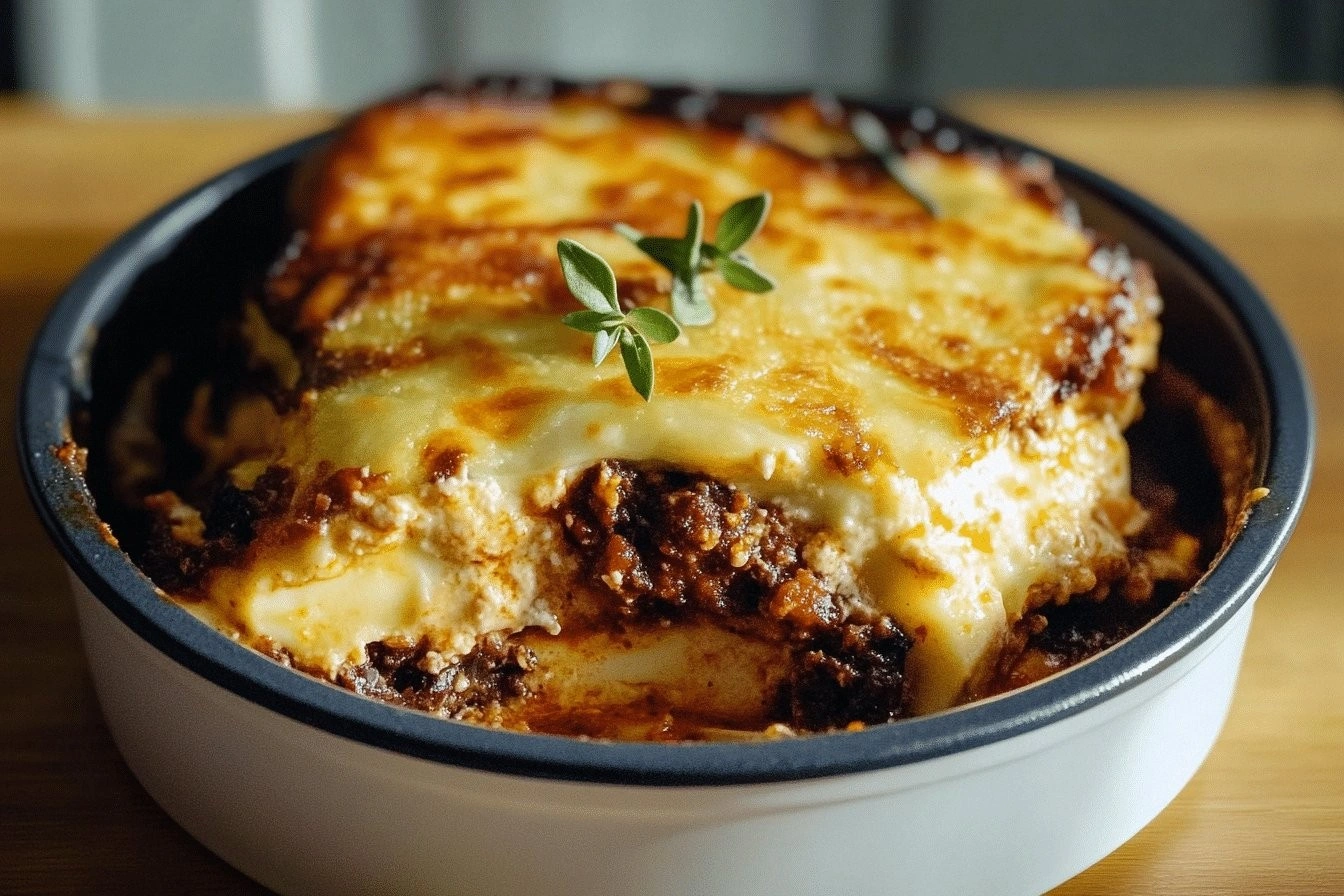
Picture this: the first bite releases a cascade of caramelized onion, the subtle warmth of cinnamon, and the comforting hug of melted cheese. The texture is a symphony—crispy on the edges, tender inside, and that silky béchamel that coats everything like a velvet blanket. The aroma is a Mediterranean sunrise, drawing you in before the first forkful even touches your tongue. The sound of the first spoonful is a gentle sigh of satisfaction, a quiet affirmation that everything is exactly right.
This version of moussaka is not just another recipe; it’s a revelation. It eliminates the common pitfalls of overly watery sauces and unevenly roasted eggplants by introducing a simple roasting technique that locks in flavor. It replaces the traditional slow‑cook with a high‑heat finish that gives the dish a caramelized crust while keeping the interior moist. It uses a béchamel that is thick enough to bind without being heavy, and a cheese blend that melts into a golden, bubbly top that crackles when you cut into it. The result is a dish that feels indulgent yet approachable, a crowd‑pleaser that will leave your guests begging for the recipe.
Now, I’m about to walk you through every single step, from selecting the best eggplants to the final bake, so by the end you’ll wonder how you ever made it any other way. I dare you to taste this and not go back for seconds. Let’s dive in.
What Makes This Version Stand Out
- Flavor: The combination of caramelized onions, garlic, and a touch of cinnamon creates a depth that feels both comforting and adventurous. The tomato base is slightly sweet, offset by a hint of acidity that brightens the dish. The result is a sauce that envelops every bite.
- Texture: Roasted eggplants develop a silky interior while the edges become crisp, creating a pleasing contrast that keeps each bite interesting. The béchamel is smooth and creamy, yet it holds its shape, preventing the dish from becoming soggy.
- Simplicity: Despite its complex flavor profile, the recipe requires only a handful of ingredients and straightforward techniques. No need for exotic spices or specialized equipment—just a good skillet and a baking dish.
- Uniqueness: The use of a single pinch of nutmeg and a generous amount of grated cheese sets this recipe apart from traditional versions that often rely on heavy cream or excessive butter.
- Crowd Reaction: Friends who’ve tried this version swear they’ve never had a “real” moussaka before. The dish is so flavorful that it can be served as a main course or a hearty side.
- Ingredient Quality: Fresh eggplants, high‑quality ground meat, and a good olive oil are the backbone of this recipe. The quality of these staples directly translates into the final taste.
- Cooking Method: The high‑heat roasting of eggplants followed by a quick sauté of the meat sauce means you spend less time in the kitchen while still achieving maximum flavor.
- Make‑ahead Potential: The assembled dish can be refrigerated for up to 24 hours before baking, making it ideal for busy weeknights or last‑minute dinner parties.
Alright, let's break down exactly what goes into this masterpiece...
Inside the Ingredient List
The Flavor Base
Onions and garlic are the unsung heroes of any savory sauce. When sautéed until translucent, they release a sweet, aromatic foundation that carries the rest of the flavors. If you skip them, the sauce will feel flat and underdeveloped. Use medium‑sized onions for a balanced sweetness and crush the garlic for maximum flavor release.
Ground meat—beef or lamb—provides the heart of the dish. Choose a mix that has a 70/30 lean-to-fat ratio for juiciness without excessive greasiness. Brown the meat slowly to develop a deep brown crust that locks in flavor. If you prefer a lighter version, substitute pork or turkey, but adjust cooking time accordingly.
Tomato paste and canned tomatoes form the rich, tangy body of the sauce. The paste thickens the sauce, while the tomatoes add sweetness and acidity. A good quality paste with no added sugars works best. If you like a smoother sauce, blend the tomatoes before adding.
Spices—cinnamon, oregano, and a pinch of nutmeg—infuse the sauce with warmth and depth. Cinnamon adds a subtle sweetness that balances the acidity of the tomatoes. Oregano gives an herbaceous note, while nutmeg adds a whisper of earthiness. Use freshly ground spices for maximum aroma.
The Texture Crew
Eggplants are the star veggie, sliced and roasted or grilled for that tender, smoky base. Choose firm, dark‑colored eggplants for the best texture. Slice them into 1/4‑inch rounds to ensure even cooking. Roasting them at 425°F until the edges caramelize brings out their natural sweetness.
Béchamel sauce is the creamy binder that holds everything together. Made with butter, flour, milk, and cheese, it adds a luscious, velvety layer that contrasts the savory meat sauce. The béchamel should be thick enough to coat the back of a spoon but still pourable. If it becomes too thick, add a splash of milk to reach the right consistency.
Cheese—Parmesan or kefalotyri—provides a golden, bubbly topping that melts beautifully. The cheese should be grated finely to melt evenly. If you want a sharper flavor, use kefalotyri; for a milder, nutty taste, choose Parmesan. Sprinkle the cheese on top before baking to achieve a crisp, golden crust.
The Unexpected Star
Olive oil is the silent hero that enhances flavor and texture. It’s used for roasting the eggplants and sautéing the aromatics, ensuring each component develops a rich, caramelized surface. Use a high‑smoke‑point oil, such as extra‑virgin olive oil, to bring out the natural fruitiness of the eggplants.
Salt and pepper are the final balancing act. Salt brings out the natural sweetness of the tomatoes and the richness of the meat, while pepper adds a subtle heat. Season each layer—eggplant, meat sauce, béchamel—individually to avoid an overwhelming saltiness.
Everything's prepped? Good. Let's get into the real action...
The Method — Step by Step
- Preheat your oven to 425°F (220°C). Slice the eggplants into 1/4‑inch thick rounds, sprinkle them with sea salt, and let them rest for 20 minutes to draw out bitterness. Pat them dry with paper towels, brush both sides with 2 tablespoons of olive oil, and place them on a baking sheet. Roast for 15 minutes, flipping halfway, until the edges caramelize and the centers soften. The aroma of roasting eggplant should fill your kitchen, signaling that flavor is building.
- While the eggplants roast, heat a large skillet over medium heat and add 1 tablespoon of olive oil. Add the chopped onion and a pinch of salt, sautéing until translucent and slightly golden, about 5 minutes. Add 3 minced garlic cloves and cook for an additional minute, watching for the garlic to become fragrant but not browned. This step creates the aromatic base that will carry the rest of the sauce.
- Add 500 grams of ground meat to the skillet, breaking it apart with a spoon. Cook until the meat turns brown and juices evaporate, about 8 minutes. Season with 1 teaspoon of salt, 1/2 teaspoon of pepper, 1 teaspoon of cinnamon, 1 teaspoon of oregano, and a pinch of nutmeg. Stir well to combine all the flavors, letting the spices toast for 30 seconds to release their aromas.
- Stir in 2 tablespoons of tomato paste and cook for 2 minutes to caramelize the paste. Pour in 400 grams of canned tomatoes, breaking them up with a spoon. Bring the mixture to a gentle simmer, reduce heat to low, and let it thicken for 15 minutes, stirring occasionally. The sauce should thicken to a thick, glossy consistency that coats the back of a spoon.
- While the sauce simmers, prepare the béchamel. Melt 2 tablespoons of butter in a saucepan over medium heat. Whisk in 2 tablespoons of all‑purpose flour, cooking for 1 minute to eliminate raw flour taste. Gradually whisk in 2 cups of milk, stirring constantly until the mixture thickens to a smooth sauce. Remove from heat and stir in 1/2 cup of grated Parmesan cheese until melted and silky. Season with a pinch of salt and pepper.
- Once the eggplants are roasted, lay a layer of them on the bottom of a 9‑inch baking dish, slightly overlapping. Spoon half of the meat sauce over the eggplants, spreading it evenly. Repeat with another layer of eggplants and the remaining meat sauce, finishing with a final layer of eggplants on top. This layering ensures every bite has a balanced mix of meat and eggplant.
- Pour the béchamel evenly over the layered dish, ensuring all surfaces are covered. The béchamel should pool slightly in the crevices, creating a creamy top that will melt into a golden crust. Sprinkle the top with 1 cup of grated Parmesan cheese, pressing it gently into the béchamel so it adheres.
- Bake in the preheated oven for 25–30 minutes, or until the top is golden brown and bubbling. The final aroma should be a mix of roasted eggplant, savory meat, and melted cheese—a mouthwatering invitation. Let the moussaka rest for 10 minutes before slicing, allowing the layers to set and the flavors to meld.
That's it — you did it. But hold on, I've got a few more tricks that'll take this to another level...
Insider Tricks for Flawless Results
The Temperature Rule Nobody Follows
Many people bake moussaka at a lower temperature, which leads to a soggy top. Baking at 425°F ensures a crisp, golden crust while keeping the interior moist. If your oven runs hot, offset the temperature by 25°F to avoid burning the top. This simple tweak guarantees a beautiful finish.
Why Your Nose Knows Best
During the meat sauce simmer, pause and sniff the sauce. The aroma will tell you if the sauce is thickening correctly. A pleasant, tomato‑and‑spice fragrance indicates proper reduction; a sharp, acidic smell may mean you need to cook longer. Trust your nose—it’s a reliable flavor gauge.
The 5‑Minute Rest That Changes Everything
After baking, let the moussaka rest for at least 10 minutes before cutting. This rest period allows the layers to set, preventing the dish from falling apart. It also lets the flavors meld, creating a more cohesive taste. Skipping this step can leave you with a messy plate.
The Cheese Blend Secret
Mixing Parmesan with a small amount of kefalotyri or a Greek feta creates a more complex cheese profile. The kefalotyri adds a salty bite, while the feta brings creaminess. This blend elevates the topping to a gourmet level without extra cost.
The One‑Spoon Trick
When preparing the béchamel, use a wooden spoon instead of a whisk for a smoother sauce. The spoon’s surface reduces the chance of lumps forming. After whisking, let the sauce sit for a minute before adding cheese to allow the flour to settle.
Creative Twists and Variations
This recipe is a playground. Here are some of my favorite ways to switch things up:
Vegan Moussaka
Swap the ground meat for lentils or a plant‑based crumbled “meat.” Use a dairy‑free béchamel made with oat milk and vegan cheese. The flavor remains hearty, and the texture stays satisfying.
Spicy Red Pepper Moussaka
Add roasted red peppers to the meat sauce for a sweet, smoky kick. Stir in a pinch of crushed red pepper flakes for heat. This version is perfect for those who like a little spice.
Mediterranean Herb Moussaka
Incorporate fresh rosemary, thyme, and basil into the meat sauce. Finish with a drizzle of lemon‑infused olive oil before serving. The fresh herbs elevate the dish to a new aromatic level.
Cheesy Spinach Moussaka
Fold in sautéed spinach with the eggplant layers for added greens. Sprinkle chopped walnuts on top before baking for a delightful crunch. This variation adds nutrition and texture.
Baked Potato Moussaka
Replace eggplants with thinly sliced potatoes for a different starch base. The potatoes provide a comforting, earthy flavor that pairs well with the meat sauce. The result is a comforting casserole with a Greek twist.
Moussaka with Pesto
Spread a layer of basil pesto between the eggplant and meat layers. The pesto adds a burst of herbaceous freshness. Serve with a side of crusty bread to soak up the sauce.
Storing and Bringing It Back to Life
Fridge Storage
Store leftovers in an airtight container for up to 3 days in the refrigerator. Reheat in the oven at 350°F (175°C) for 15 minutes to revive the crisp top. The dish retains its flavor and texture when reheated properly.
Freezer Friendly
For longer storage, wrap the dish tightly in plastic wrap and then aluminum foil. Freeze for up to 3 months. Thaw overnight in the refrigerator, then bake at 350°F (175°C) for 25 minutes to restore the golden crust.
Best Reheating Method
Add a tiny splash of water or broth before reheating. This steams the dish gently, preventing the cheese from drying out. The result is a moist, flavorful moussaka that tastes almost as fresh as when it was first baked.