I was halfway through a frantic weekday evening when a sudden craving for something that felt both festive and comforting hit me like a bolt of lightning. I opened the pantry, stared at the lone bag of pistachios, and thought, “What if I could marry those buttery greens with the tart punch of fresh cranberries?” The idea was wild, the kitchen was a mess, and my confidence was hanging by a thread of butter‑soft dough. I tossed a handful of pistachios into the bowl, added a splash of vanilla, and the whole place filled with an aroma that was simultaneously nutty, sweet, and just a hint of wintery tang. That moment was the birth of the ultimate cranberry pistachio bread, and trust me, it’s hands down the best version you’ll ever make at home.
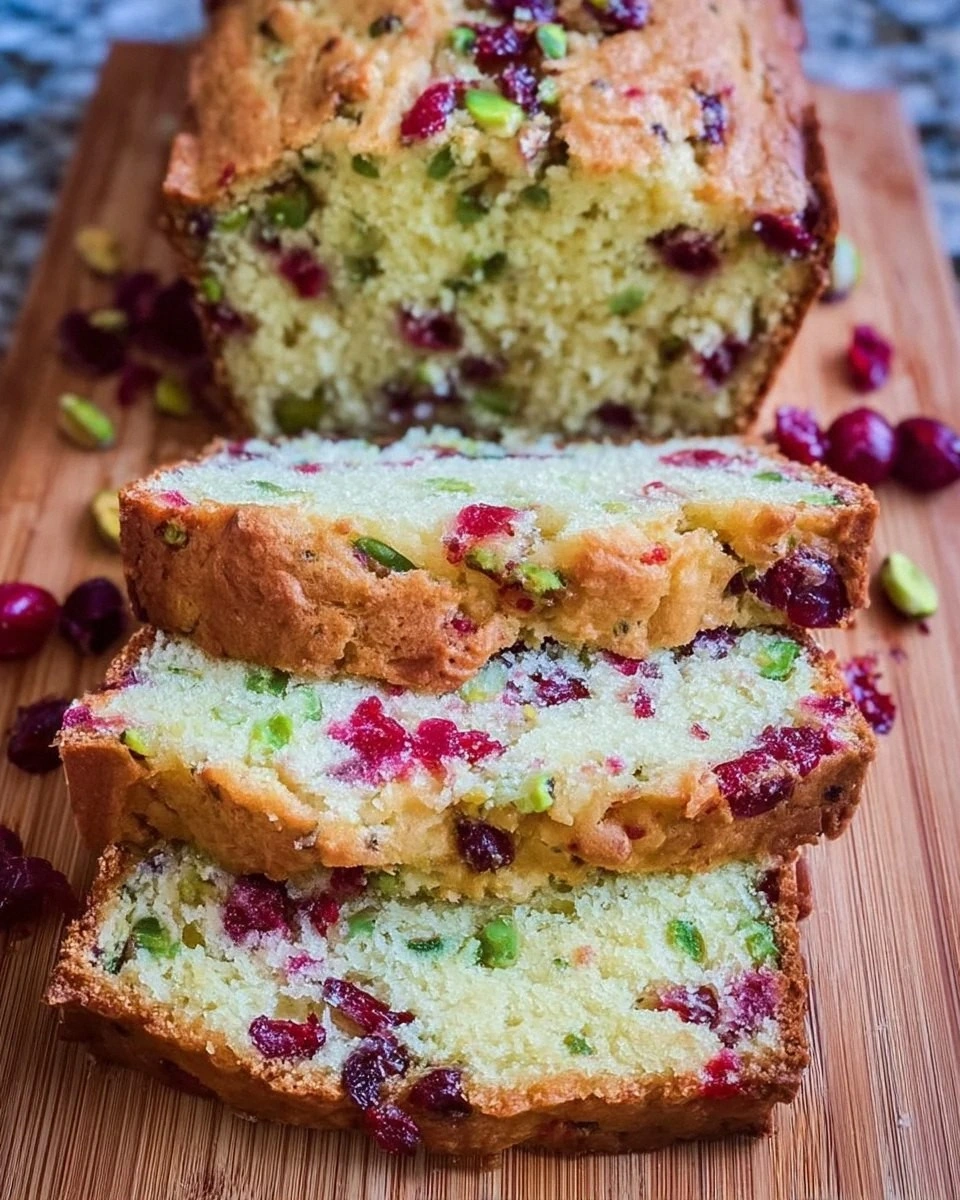
Picture yourself pulling this loaf out of the oven, the whole kitchen smelling like a holiday market where fresh berries are being sold alongside roasted nuts. The crust is a golden‑brown crown that cracks just enough to reveal a soft, almost cake‑like interior that’s speckled with ruby‑red cranberries and flecks of emerald pistachio. When you slice into it, the steam rises like a gentle fog, carrying the sweet‑tart perfume straight to your nose. The first bite? A perfect balance of tartness from the cranberries, buttery richness from the butter, and a subtle crunch from the pistachios that makes you want to shout, “I dare you to taste this and not go back for seconds!”
Most recipes get this completely wrong. They either drown the bread in sugar, turning it into a cloying dessert, or they forget the nuts, leaving it flat and forgettable. I’ve tried a dozen variations, and the secret lies in a simple yet unexpected star: pistachio pudding mix. It adds a hidden layer of moisture, a whisper of nutty flavor, and keeps the crumb unbelievably tender. I’ll be honest — I ate half the batch before anyone else got to try it, and that’s a confession I’m not ashamed to make because it was that good.
Okay, ready for the game‑changer? Let me walk you through every single step — by the end, you’ll wonder how you ever made it any other way. Stay with me here — this is worth it.
What Makes This Version Stand Out
- Taste: The tart cranberries cut through the buttery base like a bright flash of sunrise, while the pistachio pudding mix adds a subtle, nutty sweetness that lingers on the palate.
- Texture: A crisp, caramelized crust gives way to a moist, cake‑like crumb studded with crunchy pistachio pieces that pop with every bite.
- Simplicity: Only eleven ingredients, all pantry‑friendly, and no fancy equipment — just a mixing bowl, a loaf pan, and a sense of adventure.
- Uniqueness: The pistachio pudding mix is a secret weapon that most bakers overlook, delivering a silk‑smooth interior you won’t find in ordinary cranberry breads.
- Crowd Reaction: Friends claim it’s the “most addictive loaf” they’ve ever tasted, and it disappears faster than fresh cookies at a sleepover.
- Ingredient Quality: Fresh whole cranberries give a burst of natural acidity, while unsalted butter provides richness without overwhelming salt.
- Cooking Method: Baking at a moderate temperature ensures even rise and a golden top without drying out the fruit.
- Make‑Ahead Potential: This loaf stores beautifully, making it a perfect make‑ahead breakfast or snack for busy mornings.
Inside the Ingredient List
The Flavor Base
Unsalted butter is the foundation of any good quick bread, delivering richness and a tender crumb. I always soften it at room temperature for about 15 minutes; this makes creaming with sugar a breeze and prevents lumps. If you skip this step, you’ll end up with a gritty texture that feels like you’re chewing on tiny butter shards. Swap tip: You can substitute with a high‑quality margarine for a dairy‑free version, but expect a slightly different flavor profile.
Sugar balances the tartness of the cranberries and fuels the Maillard reaction that creates that gorgeous golden crust. I use granulated white sugar, but a touch of brown sugar adds a caramel depth that makes the loaf even more complex. Too much sugar will make the bread overly sweet and cause it to brown too quickly, so stick to the measured amount. Buying tip: Choose fine‑grained sugar for quicker dissolution.
Fresh whole cranberries are the star of the show. Their natural acidity cuts through the richness, while their burst of juice keeps the crumb moist. If you use frozen cranberries, thaw and pat them dry first; otherwise, excess water will make the batter soggy. Alternative: Dried cranberries work in a pinch, but rehydrate them in warm water for 10 minutes to revive that juicy pop.
The Texture Crew
All‑purpose flour provides the structural backbone, creating the loaf’s shape and crumb. I sift it with baking powder and salt to ensure even distribution and a light, airy texture. Skipping the sift can lead to pockets of flour that feel like chalk in your mouth. Pro tip: For a slightly nuttier flavor, substitute half the flour with whole‑wheat pastry flour.
Baking powder is the leavening hero, giving the bread that gentle rise without turning it into a cake. Use fresh baking powder; old powder loses its potency and results in a dense loaf. If you’re out of baking powder, combine 1/4 tsp baking soda with 1/2 tsp cream of tartar for each teaspoon needed.
Milk adds moisture and a silky mouthfeel, helping the pistachio pudding mix dissolve evenly. Whole milk yields a richer crumb, but 2% works just as well. If you’re dairy‑free, almond milk or oat milk can step in, though the flavor will shift slightly toward the nutty side.
The Unexpected Star
Pistachio pudding mix is the secret weapon that keeps this bread unbelievably soft and adds a faint nutty perfume. It contains starches and flavorings that lock in moisture, preventing the crumb from drying out after a day or two. Skipping it will give you a standard cranberry loaf, which is still good but lacks that luxurious melt‑in‑your‑mouth quality. Fun Fact: The modern pistachio pudding originated in the 1950s as a quick‑mix dessert for busy housewives, and it’s been a hidden gem in many bakers’ pantries ever since.
Chopped pistachios provide the satisfying crunch that contrasts with the soft crumb. They also add a pop of green that makes the loaf visually striking. Toast them lightly for extra depth, and if you’re allergic, substitute with toasted almonds or walnuts, though the flavor will shift.
The Final Flourish
Eggs act as binders, adding lift and a subtle richness. Beating them lightly before adding to the batter ensures they incorporate smoothly without over‑mixing. Over‑mixing can develop gluten, making the bread tough. Tip: Use room‑temperature eggs; they blend better with butter and sugar.
Vanilla extract is the aromatic glue that ties all flavors together, giving the loaf a warm, inviting background note. A single teaspoon is enough; more will overwhelm the delicate cranberry tang. Swap: Almond extract can be used for a different nuance, but halve the amount because it’s more potent.
A pinch of salt is the unsung hero that amplifies every other flavor, preventing the sweetness from becoming cloying. Even a small misstep here can leave the loaf tasting flat.
Everything's prepped? Good. Let's get into the real action...
The Method — Step by Step
Preheat your oven to 350°F (175°C) and grease a 9×5‑inch loaf pan with butter or line it with parchment. The pan should feel warm to the touch when you slide it in, a subtle hint that the heat will be evenly distributed. This step ensures the loaf rises uniformly and prevents sticking. I always place a rack in the middle of the oven for balanced airflow. Pro tip: If you love a crispier crust, sprinkle a thin layer of coarse sugar on the pan before pouring the batter.
In a large mixing bowl, cream together the softened unsalted butter and sugar until the mixture is pale, fluffy, and smells like a sweet perfume—think of a bakery on a quiet morning. This usually takes about 3–4 minutes with a handheld mixer on medium speed. The texture should be light enough that a spoonful falls back into the bowl in slow, glossy ribbons.
Kitchen Hack: Add a pinch of cream of tartar to the butter‑sugar mix; it stabilizes the air bubbles and gives you a taller rise.Beat in the eggs one at a time, letting each egg fully incorporate before adding the next. The batter should become smooth and glossy, with the color deepening slightly. Then stir in the vanilla extract, letting its fragrant notes mingle with the butter‑sugar base. If the mixture looks curdled, keep beating for another minute; the emulsifiers in the eggs will bring it back together.
In a separate bowl, whisk together the all‑purpose flour, baking powder, and salt. This dry blend is crucial for an even rise; any clumps of flour can create dense pockets in the final loaf. I like to sift the mixture twice—once for aeration, once for catching stray lumps. Watch Out: Over‑sifting can cause the flour to become too airy, making it hard to incorporate later.
Gradually add the dry ingredients to the wet mixture, alternating with the milk. Begin and end with the flour mixture, and stir just until everything is combined. The batter should be thick but pourable, with a slightly glossy sheen. Resist the urge to over‑mix; you’re aiming for a tender crumb, not a tough bread.
Fold in the pistachio pudding mix, ensuring it dissolves completely. This step is where the magic happens—the starches in the mix will lock in moisture, giving the loaf a soft, almost cake‑like interior. The batter may look a little speckled as the mix dissolves; that’s perfectly normal.
Gently fold in the fresh cranberries and the toasted chopped pistachios. The berries should stay whole, creating little pockets of tart juice that burst when you bite. The pistachios add a contrasting crunch that will stay distinct after baking. If any berries start to sink, give the batter a quick, gentle stir to redistribute them.
Pour the batter into the prepared loaf pan, smoothing the top with a spatula. Tap the pan lightly on the counter three times; this releases any trapped air bubbles and settles the batter evenly. The surface should be slightly domed, not flat—this will become a beautiful, slightly cracked crust.
Slide the pan into the preheated oven and bake for 30–35 minutes, or until a toothpick inserted into the center comes out clean with just a few moist crumbs. Around the 20‑minute mark, rotate the pan 180° to ensure even browning. You’ll know it’s done when the edges pull away from the sides of the pan and the top is a deep golden‑brown, almost caramelized.
Allow the bread to cool in the pan for 10 minutes, then transfer it to a wire rack to finish cooling completely. This resting period lets the interior set, preventing it from becoming gummy. While it cools, the aroma will fill your kitchen like a warm hug, and you’ll be tempted to slice a piece immediately—resist! Serve warm or at room temperature, and watch the smiles appear.
That's it — you did it. But hold on, I've got a few more tricks that'll take this to another level...
Insider Tricks for Flawless Results
The Temperature Rule Nobody Follows
Never bake a quick bread at a temperature higher than 375°F. Higher heat can cause the crust to set before the interior has a chance to rise, leading to a dense, gummy center. Keep it at 350°F for a steady, even climb. I once cranked the oven to 400°F thinking I’d speed things up, and the loaf emerged with a burnt top and a raw middle—lesson learned.
Why Your Nose Knows Best
Trust the scent cues more than the clock. When the bread is about 20 minutes in, you’ll start to smell a sweet, nutty perfume that signals the crust is forming. If that aroma hits early, lower the oven temperature by 10°F to avoid over‑browning. Conversely, if the scent is faint after 30 minutes, give it an extra 5 minutes. Your nose is a built‑in timer that never lies.
The 5‑Minute Rest That Changes Everything
After you pull the loaf from the oven, let it rest in the pan for exactly 10 minutes, then flip it onto a rack. This short pause lets the steam finish cooking the interior gently, preventing a gummy crumb. Skipping this step results in a loaf that’s too moist in the middle, and nobody wants that. A friend once sliced straight out of the pan and complained about “wet spots”—a classic rookie mistake.
Gentle Folding, Not Stirring
When incorporating the cranberries and pistachios, use a rubber spatula and a gentle folding motion. Over‑mixing at this stage develops gluten, making the bread tough. Think of it as coaxing the ingredients together, not beating them into submission. The result is a tender crumb that stays soft for days.
Cool‑Down Steam Boost
If you plan to serve the bread the next day, lightly mist the top with water before reheating. The steam revives the crust’s crispness while keeping the interior moist. It’s a secret I learned from a pastry chef who swore by “steam‑first, then bake” for all his breads. Give it a try, and you’ll see why it works.
Creative Twists and Variations
This recipe is a playground. Here are some of my favorite ways to switch things up:
Chocolate‑Covered Pistachio
Swap half of the pistachio pudding mix for a cocoa‑infused version and fold in mini chocolate chips. The result is a chocolate‑pistachio duet that feels like a decadent dessert.
Orange Zest Cranberry
Add the zest of one orange to the batter and replace half the cranberries with orange segments. The citrus brightens the tartness and gives a festive holiday vibe.
Gluten‑Free Version
Replace the all‑purpose flour with a 1‑to‑1 gluten‑free flour blend and add an extra 1/4 tsp of xanthan gum. The texture stays tender, and the flavor remains unchanged.
Maple‑Glazed Finish
Brush the top with a mixture of maple syrup and melted butter during the last 5 minutes of baking. The glaze adds a caramel‑like sheen and a subtle maple note that pairs beautifully with the pistachios.
Savory Spin
Omit the sugar, add a pinch of rosemary, and replace the pistachio pudding mix with a savory herb cheese spread. This creates a delightful brunch loaf that pairs with smoked salmon.
Storing and Bringing It Back to Life
Fridge Storage
Wrap the cooled loaf tightly in plastic wrap or store it in an airtight container. It will stay fresh for up to 5 days in the refrigerator. For extra softness, place a slice of apple in the container; the apple’s humidity helps keep the crumb from drying out.
Freezer Friendly
Slice the loaf before freezing and wrap each slice individually in parchment, then in a freezer bag. The bread freezes well for up to 3 months. When you’re ready to eat, pop a slice into the toaster or microwave for a quick revival.
Best Reheating Method
To bring the loaf back to life, preheat your oven to 300°F (150°C), drizzle a tiny splash of water over the top, and warm for 8–10 minutes. The steam re‑hydrates the crumb, while the gentle heat restores the crust’s crispness without drying it out.