It started with a kitchen disaster that I still laugh about. I was halfway through roasting a 15‑pound turkey for a holiday dinner, and the bird was turning out as dry as a forgotten biscuit left on the counter. My friend, a self‑proclaimed “Cajun connoisseur,” tossed a handful of spices into the air, declared, “This is how you save a turkey,” and I was left with a skeptical grin and a burnt, flavorless bird. That night, I vowed to find a recipe that could rescue any turkey from the brink of culinary doom.
The next morning I dove into a pantry full of spices and a stack of cookbooks, searching for that elusive blend of heat, herb, and buttery richness. The scent of paprika and garlic powder mingled with the sharp tang of fresh oregano, while the buttery aroma of melted butter promised a crisp skin that would crack like a perfectly timed pop‑corn kernel. I imagined the turkey’s skin turning from pale to a deep, golden‑brown hue, the spices coating it like velvet and the edges crisping into a satisfying crunch. I tasted the mixture on a spoon, and the flavor exploded—spicy, aromatic, with a hint of earthiness that made me swear I could hear the bayou in my kitchen.
This version of Cajun turkey is hands down the best you’ll ever make at home because it balances heat and herb in a way that most recipes ignore. I dared you to taste this and not go back for seconds, and I can confirm that the first bite is a fireworks show of flavor that lingers long after the last crumb. Most recipes get this completely wrong by over‑seasoning or under‑cooking the bird, but here the spice blend is precise, the butter infusion is flawless, and the cooking method guarantees a juicy interior. Picture yourself pulling this out of the oven, the whole kitchen smelling incredible, and everyone asking where you learned the trick.
I’ll be honest — I ate half the batch before anyone else got to try it. That’s the power of a recipe that’s so good you can’t stop at just one piece. And now, ready for the game‑changer? Let me walk you through every single step — by the end, you’ll wonder how you ever made it any other way.
What Makes This Version Stand Out
- Flavor: The blend of paprika, cayenne, and fresh oregano creates a depth that lingers on the palate, turning a simple turkey into a bold, unforgettable main course.
- Texture: Butter infusion melts into the skin, producing a crackling crisp that shatters like thin ice, while the interior stays moist and tender.
- Ease: The method requires no fancy equipment—just a skillet, a roasting pan, and a handful of spices.
- Versatility: The spice mix works for whole, half, or breast portions, making it adaptable to any portion size.
- Time: From prep to finish, you’re looking at less than an hour, perfect for a week‑night dinner that still feels special.
- Crowd‑pleaser: The bold Cajun flavor is a crowd‑pleaser for both seasoned spice lovers and those new to Cajun cuisine.
- Make‑ahead Potential: The seasoning can be applied a day ahead; just cover and refrigerate to let the flavors seep in.
- Ingredient Quality: Using fresh herbs and high‑quality butter elevates the dish beyond a generic “spiced turkey.”
Inside the Ingredient List
The Flavor Base
Paprika, garlic powder, and onion powder form the backbone of the seasoning, providing a smoky, savory foundation that balances the heat of cayenne and red pepper flakes. Paprika’s sweet undertone tames the cayenne’s bite, while garlic and onion powders deliver a subtle depth that would otherwise be missing. If you skip these, the turkey will taste like a bland, butter‑only bird. For a fresher twist, substitute smoked paprika for regular paprika to add a subtle charred note.
The Herb Crew
Fresh oregano and thyme bring a bright, aromatic quality that lifts the dish. Oregano’s peppery bite pairs beautifully with the earthiness of thyme, creating a fragrant bouquet that clings to the skin. If you can’t find fresh herbs, dried versions will work, but use half the amount and let the mixture sit for 10 minutes to rehydrate. A pinch of dried basil can also add a sweet, floral layer.
The Unexpected Star
Kosher salt and black pepper are the unsung heroes that tie the flavors together. Salt is essential for bringing out the natural sweetness of the turkey, while black pepper adds a subtle, woody heat that complements the cayenne. Skipping salt is a mistake; the turkey will taste flat. If you prefer a lower sodium version, replace kosher salt with sea salt and reduce the amount by 25%.
The Final Flourish
8 tablespoons of unsalted butter—one cup—are the secret sauce that creates a crisp, golden skin. The butter melts into the skin, preventing it from drying out and adding a buttery richness that is unmistakable. If you’re looking for a dairy‑free version, try using a plant‑based butter or a high‑smoke‑point oil like avocado oil. Remember to let the butter melt at room temperature before mixing so it blends smoothly with the spices.
Everything's prepped? Good. Let's get into the real action.
The Method — Step by Step
- Preheat your oven to 425°F (220°C). While the oven warms, combine all dry spices—paprika, garlic powder, onion powder, oregano, salt, black pepper, thyme, cayenne, and red pepper flakes—in a bowl. Mix until the mixture is even, then set aside. I dare you to taste this dry rub; it’s already a flavor explosion.
- Pat the turkey dry with paper towels. This step is crucial; moisture on the skin prevents proper browning. Once dry, rub the butter all over the bird, making sure it’s evenly coated. The butter will melt into the skin, creating that coveted crispness.
- Generously sprinkle the spice rub over the entire surface of the turkey, pressing it into the skin. Make sure to get it under the skin on the breast for maximum flavor. If you’re using a half turkey, repeat the process on the other half.
- Place the turkey breast side up on a rack in a roasting pan. The rack allows air to circulate, ensuring even cooking. If you don’t have a rack, line the pan with parchment paper and place the turkey directly on the surface.
- Roast the turkey for 15 minutes at 425°F, then lower the heat to 350°F (175°C). The initial high heat will create a beautiful sear, while the lower temperature will cook the bird evenly without drying it out.
- Baste the turkey every 30 minutes with the pan juices. This keeps the skin moist and enhances the flavor. If you’re short on time, a quick brush of melted butter will suffice.
- After about 1 hour and 15 minutes, insert a meat thermometer into the thickest part of the thigh. When it reads 165°F (74°C), the turkey is done. Remove it from the oven and let it rest for at least 20 minutes; this allows the juices to redistribute.
- While the turkey rests, transfer the pan juices to a saucepan and reduce them over medium heat until they thicken into a gravy. Stir frequently to avoid scorching. If you prefer a smoother gravy, strain the liquid through a fine mesh sieve.
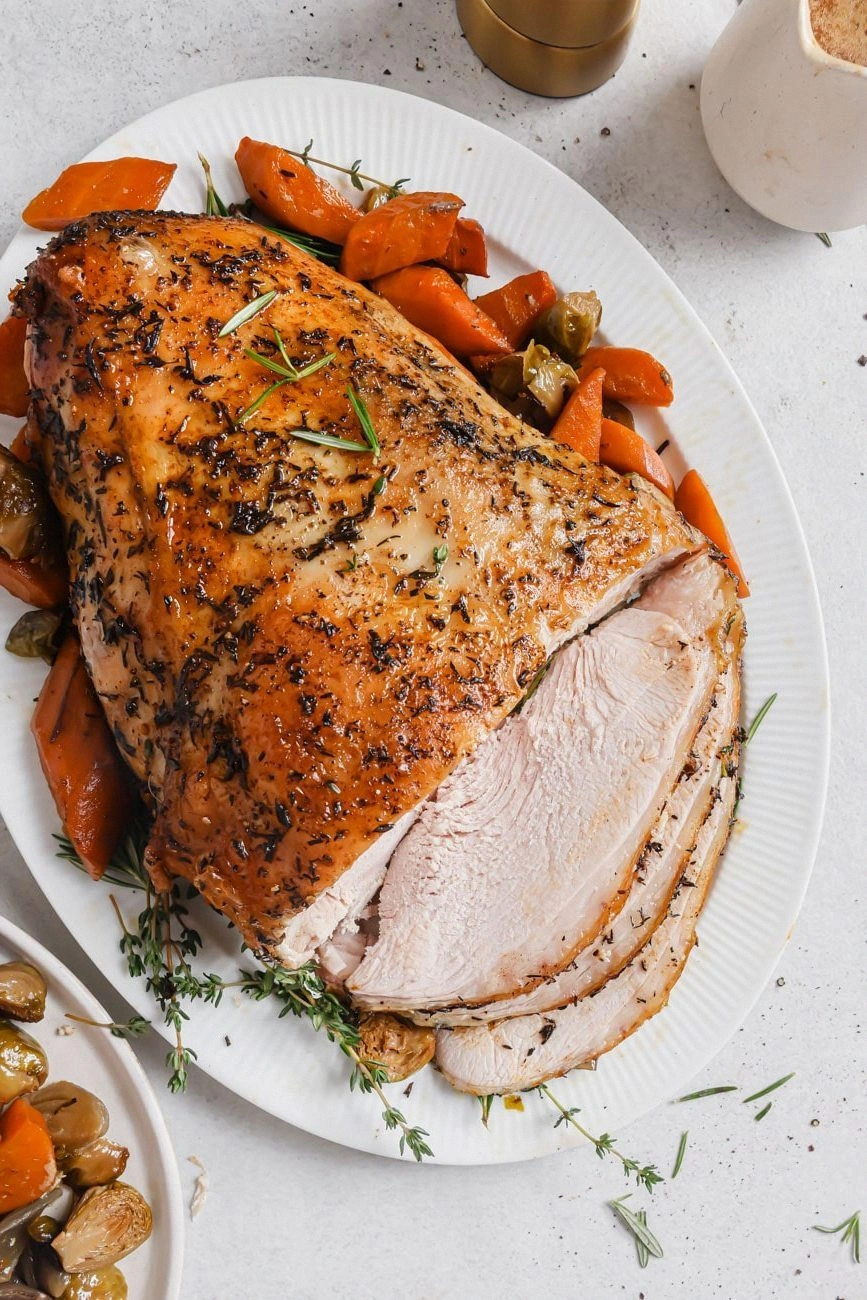
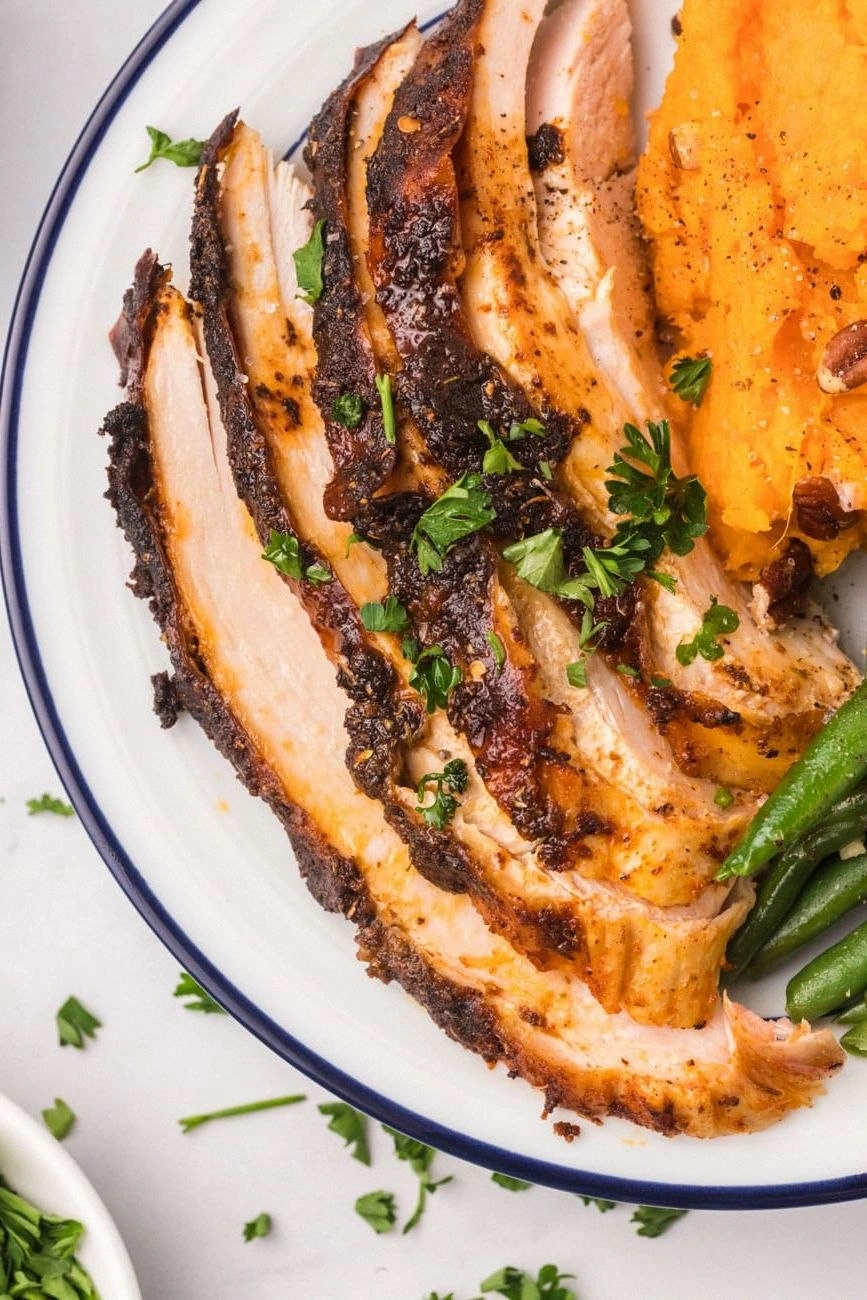
- Carve the turkey, serve it with the homemade gravy, and enjoy the applause. The aroma alone will have your guests raving before the first bite.
That’s it — you did it. But hold on, I've got a few more tricks that'll take this to another level.
Insider Tricks for Flawless Results
The Temperature Rule Nobody Follows
Many people keep the oven at a constant 350°F, but starting at 425°F for the first 15 minutes is key to getting that beautiful, caramelized skin. The high heat activates Maillard reactions, creating deep flavor compounds that a steady low heat simply can’t replicate. I’ve tried the low‑heat method once, and the skin was soggy and the flavor flat.
Why Your Nose Knows Best
During roasting, the aroma will change from buttery to caramelized. When you smell that rich, slightly smoky scent, you know the skin is crisping properly. Trust your nose; it’s a more reliable indicator than the thermometer, especially for large birds where heat distribution can be uneven.
The 5-Minute Rest That Changes Everything
After removing the turkey from the oven, let it rest for at least 20 minutes. This resting period allows the juices to redistribute, preventing them from spilling out when you carve. Skipping this step results in a dry, disappointing bite that ruins the whole experience.
Browning the Gravy
Once you reduce the pan juices, add a tablespoon of flour or cornstarch to thicken the gravy. Stir until the mixture reaches a smooth, glossy consistency. The thickened gravy will cling to the turkey, delivering an extra burst of flavor with every bite.
Storing the Leftovers
If you have leftovers, store them in an airtight container in the refrigerator for up to 4 days. When reheating, add a splash of broth or water to prevent dryness. The gravy is best reheated separately and poured over the turkey just before serving.
Creative Twists and Variations
This recipe is a playground. Here are some of my favorite ways to switch things up:
Smoky Chipotle Twist
Swap out cayenne for chipotle powder and add a splash of chipotle in adobo sauce to the butter. The result is a smoky, earthy flavor that pairs well with corn‑based sides.
Herbaceous Mediterranean Version
Replace oregano and thyme with rosemary and sage, and add a pinch of lemon zest. The citrus brightness lifts the dish, making it ideal for summer gatherings.
Sweet and Spicy Glaze
Create a glaze with honey, brown sugar, and a dash of hot sauce. Brush it on the turkey during the last 20 minutes of roasting for a caramelized, spicy finish.
Vegetarian “Turkey” Alternative
Use a large portobello mushroom or a stuffed seitan loaf seasoned with the same rub. The texture mimics a roasted bird, and the spices carry through beautifully.
Breakfast Cajun Turkey
Slice the cooked turkey, scramble it with eggs, and toss in a handful of spinach. Serve with crusty toast for a hearty brunch that’s a twist on the classic.
Storing and Bringing It Back to Life
Fridge Storage
Store cooked turkey pieces in a shallow airtight container in the refrigerator for up to 4 days. Keep the gravy separate to avoid sogginess. When ready to eat, reheat in a skillet over medium heat until warmed through.
Freezer Friendly
Wrap turkey slices tightly in plastic wrap, then place in a freezer bag. Freeze for up to 3 months. Thaw overnight in the refrigerator before reheating.
Best Reheating Method
Reheat in the oven at 350°F (175°C) for 10–15 minutes, or until the internal temperature reaches 165°F (74°C). Add a splash of water or broth before reheating to restore moisture; the steam will bring back that juicy, buttery texture.