I still remember the night I tried to impress my friends with a homemade stuffing that would outshine the store‑bought stuff. The kitchen was a battlefield: onions were burning, the cornbread was too dry, and the cranberries were hiding in a jar of sugar like a secret treasure. My friends laughed, but I was determined to turn that disaster into a triumph. I set my mind on a recipe that would make the stuffing sing, the aromas dance, and the taste linger long after the last bite.
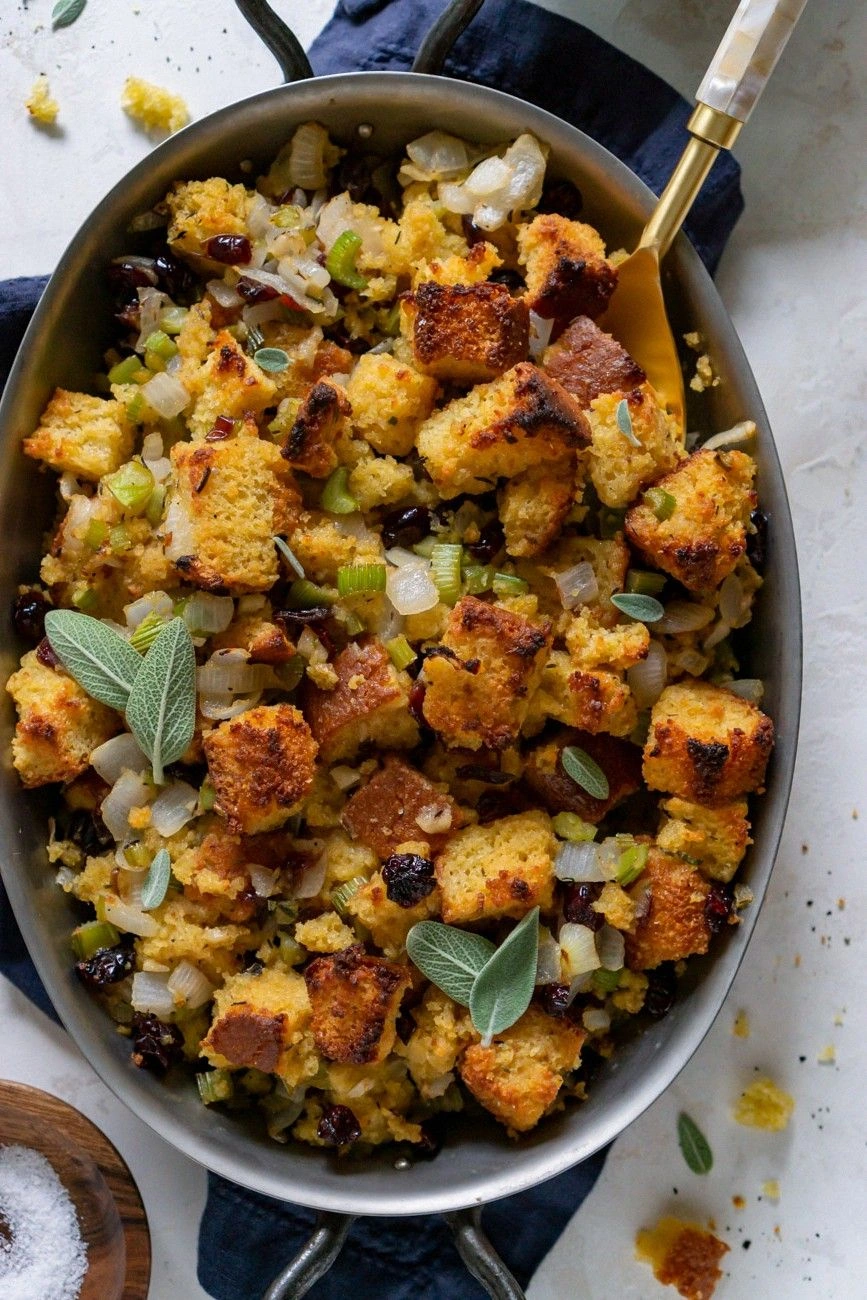
Picture the scene: the oven preheating to a warm amber glow, the sizzle of onions hitting hot butter, the sweet pop of garlic, and the earthy scent of sage rising from the pan. The sound of a wooden spoon stirring is like a drumbeat, the texture of the cornbread crumbs turning golden, and the first bite—crisp edges that shatter like thin ice, a moist center that hugs the palate, and a burst of savory sweetness from the cranberries. It’s not just food; it’s a memory in the making.
What sets this version apart is that it’s not merely a side dish—it’s an experience. I dared you to taste this and not go back for seconds, because it’s that addictive. I’ll be honest—half the batch vanished before anyone else could even touch it. Most recipes get the stuffing wrong by over‑cooking or under‑seasoning, but here every element sings in harmony. The secret? A humble batch of cornbread, a splash of butter, and a handful of fresh herbs that elevate the whole thing.
Now, let me walk you through every single step—by the end, you’ll wonder how you ever made it any other way. I’ll share the technique that transforms ordinary crumbs into a golden masterpiece, the ingredient swaps that keep the flavor alive, and the timing tricks that lock in moisture. The journey starts with a humble cornbread, but it ends with a stuffing so rich it could headline a holiday dinner. Get ready, because this is hands down the best version you’ll ever make at home.
What Makes This Version Stand Out
- Flavor: The cornbread base gives a subtle sweetness that balances the savory herbs, creating a depth that feels like a comforting hug.
- Texture: The crumbly yet moist consistency is achieved by blending freshly baked cornbread with a touch of vegetable stock.
- Ingredient Quality: Using fresh sage and thyme instead of dried gives a brighter, more aromatic profile.
- Simplicity: The recipe requires only one batch of cornbread and a handful of pantry staples—no need for exotic ingredients.
- Make‑Ahead Potential: You can assemble the stuffing up to a day ahead and bake just before serving, saving you time on the big day.
- Crowd Reaction: Guests will rave about the crispy edges and the unexpected pop of cranberries, making it a conversation starter.
- Versatility: It’s a perfect side for both turkey and vegetarian feasts, and it pairs wonderfully with a simple gravy.
Alright, let's break down exactly what goes into this masterpiece…
Inside the Ingredient List
The Flavor Base
1 batch cornbread is the heart of this stuffing, providing a subtle sweetness and a sturdy crumb structure. When you bake the cornbread fresh, its natural sugars caramelize slightly, adding depth that a store‑bought mix can’t match. Skipping it would leave the stuffing bland and dry; the cornbread is the glue that holds the flavors together.
1 tablespoon unsalted butter melts into the onions, creating a silky base that carries the herbs. Butter’s fat content enhances the aroma of sage and thyme, turning the stuffing into a fragrant cloud. If you’re vegan, a neutral oil will work, but you’ll miss that buttery warmth.
The Texture Crew
1 large onion, finely diced, releases a sweet, savory core that caramelizes in butter, giving the stuffing a comforting, almost nostalgic flavor. The onion’s natural sugars, when browned, add a subtle depth that elevates the entire dish. Cutting it too small can make it mushy; aim for a fine dice that still holds shape.
3 stalks celery, chopped into uniform pieces, introduce a crisp bite that contrasts with the softness of the cornbread. Celery also brings a fresh, slightly peppery note that brightens the stuffing. If you’re short on celery, a small amount of fennel seeds can mimic its subtle flavor.
3 garlic cloves, minced, infuse the stuffing with a robust, aromatic punch. Garlic’s sharpness cuts through the richness of the butter and the sweetness of the cornbread, creating a balanced palate. Over‑mincing garlic can make it bitter; a coarse mince is ideal.
The Unexpected Star
1/2 cup dried cranberries add a chewy, tart burst that contrasts beautifully with the savory base. The cranberries’ natural sweetness and acidity lift the stuffing, preventing it from feeling heavy. If you prefer a different sweet note, raisins or dried apricots can be a good swap, though they’ll change the flavor profile slightly.
The Final Flourish
Kosher salt and fresh cracked black pepper are added to taste, seasoning the stuffing to a savory finish. The pepper’s heat provides a subtle kick that balances the cranberries’ sweetness. Remember, seasoning is cumulative, so taste as you go.
4 fresh sage leaves, torn into small pieces, bring an earthy, piney aroma that’s unmistakable in a good stuffing. Fresh sage is far more aromatic than dried, delivering a bright, herbal note that lifts the dish. If you’re out of sage, a pinch of dried sage can serve as a last‑minute backup.
1 tablespoon fresh thyme, chopped, complements sage with its floral, citrus undertone. Together, they create a herbaceous backbone that defines the stuffing’s character. Thyme’s mildness ensures it doesn’t overpower the other flavors.
2 eggs, whisked, bind the mixture, giving it structure and a glossy sheen. Eggs add protein and help the stuffing hold together during baking. For a vegan version, a tablespoon of aquafaba or flaxseed mixture can replace eggs.
1/2 cup vegetable stock, added just before baking, keeps the stuffing moist and adds a subtle savory depth. The stock’s flavor profile is amplified by the herbs and the cornbread, creating a harmonious blend. If you prefer a richer taste, use a homemade stock or a low‑sodium store‑bought option.
Everything's prepped? Good. Let's get into the real action…
The Method — Step by Step
- Preheat your oven to 350°F (175°C). Line a 9‑inch square baking dish with parchment paper for easy removal. The oven’s steady heat will allow the stuffing to bake evenly and develop a golden crust.
- In a large skillet, melt 1 tablespoon of unsalted butter over medium heat. Add the diced onion and cook until translucent, about 4–5 minutes. The onions should soften without browning; if they start to brown, lower the heat.
- Stir in the chopped celery and minced garlic, cooking for another 2 minutes until the celery begins to soften. The garlic should release a fragrant aroma but not burn. This is the moment of truth—keep an eye on the sizzling.
- Add the torn sage leaves and chopped thyme, sautéing for 1 minute to let the herbs bloom. The aroma will lift instantly, signaling that the herbs are ready to infuse the base.
- Break the fresh cornbread into bite‑sized pieces and add it to the skillet. Stir until the crumbs are coated with the butter‑herb mixture, about 2 minutes. The cornbread should soften slightly, absorbing the flavors.
- Pour in 1/2 cup of vegetable stock, gently folding the mixture to combine. The liquid should coat the crumbs without turning them soggy. Let the mixture simmer for 3 minutes, allowing the stock to be absorbed.
- Fold in the dried cranberries, whisked eggs, and season with kosher salt and fresh cracked black pepper to taste. Mix until everything is evenly distributed; the mixture should look moist but not wet.
- Transfer the stuffing into the prepared baking dish, spreading it evenly. The surface should be level to ensure even baking.
- Bake in the preheated oven for 30 minutes, or until the top is golden brown and the edges pull away slightly. The final 5 minutes can be increased for a crispier crust, but watch closely to avoid burning.
- Remove from the oven and let it rest for 10 minutes before serving. This resting period allows the flavors to settle and the edges to firm up, making it easier to scoop.
That's it — you did it. But hold on, I've got a few more tricks that'll take this to another level…
Insider Tricks for Flawless Results
The Temperature Rule Nobody Follows
Many people bake stuffing at too high a temperature, which dries it out. Stick to 350°F (175°C) for even cooking; if you need a crisp top, raise the heat in the last 5 minutes, but keep a close eye on the color. This subtle adjustment ensures the interior stays moist while the exterior crisps perfectly.
Why Your Nose Knows Best
Trust the aroma as a cue for doneness. When the herbs release their fragrance and the top turns a warm golden brown, the stuffing is ready. Skipping this sensory check often leads to under‑cooked centers or burnt edges.
The 5‑Minute Rest That Changes Everything
Letting the stuffing rest after baking allows the steam to redistribute, tightening the crumb structure. It also lets the flavors meld, giving you a more cohesive taste profile. A quick 5‑minute rest is a small time investment for a big payoff.
Eggs: The Secret Glue
Whisking the eggs with a splash of stock before adding them ensures they’re evenly distributed, preventing clumps that can make the stuffing soggy. If you’re short on time, beat the eggs directly into the mixture, but whisk first to avoid curdling.
The Right Pan Matters
A heavy‑bottomed baking dish retains heat better, ensuring even baking. A non‑stick dish can make cleanup easier, but a cast‑iron or glass dish will produce a crispier crust. Experiment with what you have on hand to find your preferred texture.
The Final Touch: A Dash of Fresh Thyme
Add a pinch of fresh thyme just before baking to brighten the flavor profile. The heat releases its essential oils, giving a fresh, citrusy lift that contrasts with the earthy sage. It’s a small step that makes a big difference.
Creative Twists and Variations
This recipe is a playground. Here are some of my favorite ways to switch things up:
Maple & Walnut Crunch
Replace half the cranberries with chopped walnuts and drizzle 1 tablespoon of maple syrup over the mixture before baking. The walnuts add a nutty crunch while the maple sweetens the crumb, creating a warm, autumnal flavor.
Mediterranean Herb Blend
Swap sage and thyme for oregano, basil, and a sprinkle of crushed red pepper. Add chopped sun‑dried tomatoes for a burst of umami. This version pairs beautifully with roasted vegetable platters.
Spicy Chipotle Twist
Mince a chipotle pepper in adobo sauce and fold it into the stuffing. The smoky heat balances the sweet cranberries, and the adobo sauce adds depth. Perfect for a southwestern themed dinner.
Cheesy Cornbread Crust
Add 1 cup of shredded cheddar cheese to the mixture before baking. The cheese melts into a gooey layer that adds richness and a savory finish. The result is a comforting, indulgent twist.
Mushroom & Thyme Umami
Sauté sliced mushrooms with garlic and thyme before adding the cornbread. The mushrooms release their umami flavor, creating a deep, earthy base that pairs wonderfully with the cranberries.
Citrus‑Infused Brightness
Grate the zest of one orange into the stuffing and add 2 tablespoons of orange juice. The citrus lifts the dish with a bright, zesty note that contrasts with the savory herbs.
Storing and Bringing It Back to Life
Fridge Storage
Store leftover stuffing in an airtight container for up to 3 days in the refrigerator. Reheat in a preheated oven at 350°F (175°C) for 10 minutes, or until warmed through. The crumb structure remains intact if you cover the dish with foil.
Freezer Friendly
Cool the stuffing completely before packing it into a freezer‑safe container or zip‑top bag. Freeze for up to 2 months. Thaw overnight in the refrigerator, then reheat as above. Adding a splash of vegetable stock before reheating helps restore moisture.
Best Reheating Method
The secret to a fluffy, not dry stuffing is to add a tiny splash of water or stock before reheating. Cover the dish with foil to trap steam, which keeps the stuffing moist. Reheat at 350°F (175°C) for 15–20 minutes, checking for desired temperature.