I still remember the night I tried to impress my friends with a quick dinner, only to end up with a kitchen that looked like a war zone. The beef was over‑cooked, the vegetables were limp, and the sauce had the texture of a soggy gravy. I stared at the stove, a mix of frustration and hunger swirling in my stomach, when a friend texted me a recipe that promised “sweet, spicy, and just the right amount of zing.” I was skeptical, but my palate craved something that would lift the whole room. The moment the first bite hit my tongue, the blandness evaporated, and my taste buds threw a spontaneous party. That was the moment I knew I had stumbled upon a version that would forever change how I approach stir‑fry.
This isn’t just another recipe that you can find on a cooking blog; it’s a culinary revelation that marries the crispness of fresh vegetables with the bold punch of ginger and chili. The sauce glazes the beef like a silky ribbon, while the bell peppers add a satisfying crunch that breaks the monotony of soft veggies. Imagine the aroma of toasted ginger and soy sauce dancing in the air, pulling everyone in with the scent alone. The dish is so versatile that it can be served over steaming rice or tossed with noodles for a different texture profile. I dare you to taste this and not go back for seconds, because once you’ve had a single bite, the craving for more becomes irresistible.
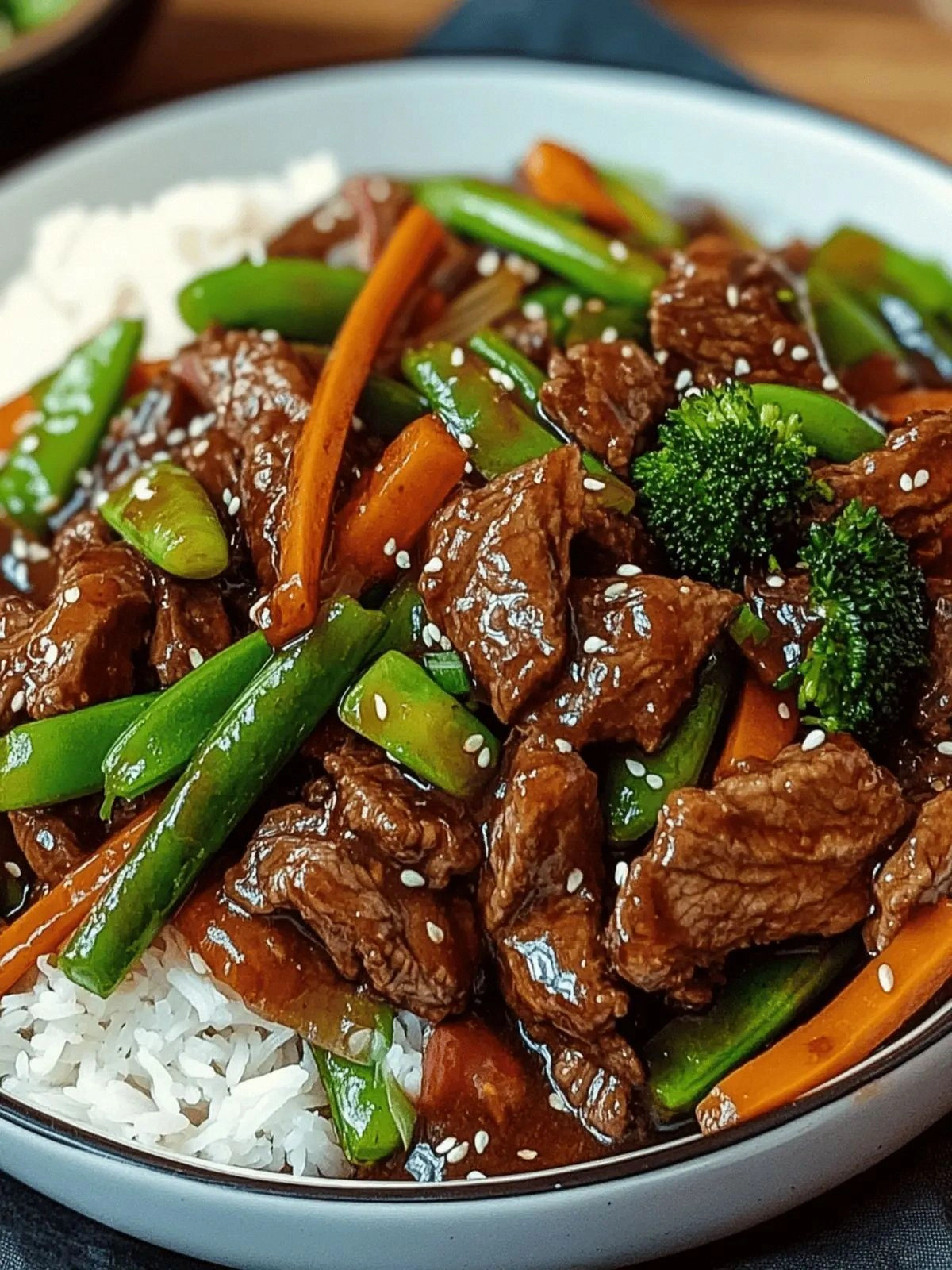
What sets this version apart is its meticulous balance of sweetness, heat, and umami. The secret lies in the harmony of ingredients, each chosen for their ability to complement and elevate the others. The beef is marinated just enough to keep it tender, yet it still retains its natural flavor. The combination of broccoli and bell peppers creates a colorful medley that not only looks good but also adds varied textures—crisp, tender, and slightly crunchy. The ginger is fresh and minced finely to release its full aroma, while the chili flakes provide a subtle kick without overpowering. Most recipes get this completely wrong by using too much soy sauce or neglecting the ginger’s role, but this one hits every mark. If you’re tired of bland stir‑fries that taste like they’ve been microwaved, this recipe will rewrite your expectations. Picture yourself pulling this out of the pan, the whole kitchen smelling incredible, and knowing you’ve just created a masterpiece.
Let me walk you through every single step—by the end, you’ll wonder how you ever made it any other way. From selecting the freshest cuts of beef to mastering the timing of the stir‑fry, I’ll share the hacks that turned a simple dish into an unforgettable experience. And trust me, the final result will be hands down the best version you’ll ever make at home. I’ll even throw in a few playful challenges and bold claims that will keep you engaged and excited to try this out. So grab your skillet, preheat the stove, and let’s dive into a world where flavors collide and every bite feels like a celebration.
What Makes This Version Stand Out
- Flavor: The sauce marries the natural sweetness of ginger with the savory depth of soy, creating a glaze that coats each ingredient like velvet. It’s a dance of umami and spice that elevates even the simplest veggies.
- Texture: The beef remains juicy and tender while the bell peppers stay crisp and the broccoli stays bright green. The contrast keeps each bite interesting.
- Simplicity: With only seven core ingredients, the recipe is straightforward enough for beginners yet sophisticated enough for seasoned cooks.
- Uniqueness: The addition of fresh ginger in a stir‑fry is uncommon, giving this dish a bright, aromatic kick that sets it apart from standard Asian beef recipes.
- Crowd Reaction: Friends who’ve tried this say it’s “the best stir‑fry they’ve ever had.” The dish is perfect for family dinners or when entertaining guests.
- Ingredient Quality: Using high‑quality beef and fresh produce ensures the flavor profile shines through.
- Cooking Method: A quick, high‑heat sauté locks in moisture and flavor, making it a true weeknight delight.
- Make‑Ahead Potential: The sauce can be pre‑made and stored, saving precious time on busy evenings.
Alright, let’s break down exactly what goes into this masterpiece…
Inside the Ingredient List
The Flavor Base
The foundation of this dish is a simple yet powerful sauce. It’s made from fresh ginger, soy sauce, and a hint of chili flakes. The ginger provides a bright, peppery aroma that cuts through the richness of the beef, while the soy sauce adds depth and a savory umami punch. The chili flakes give a gentle heat that lingers on the palate. If you skip the ginger, the dish loses its signature brightness, and the overall flavor becomes flat. A good tip: use fresh ginger rather than powdered to maximize aroma and flavor.
The Texture Crew
Bell peppers and broccoli are the dynamic duo that bring crunch and color to the plate. The bell peppers, sliced into bite‑sized strips, offer a sweet, crisp bite that contrasts beautifully with the tender beef. Broccoli florets, lightly blanched before the stir‑fry, maintain a vibrant green hue and a satisfying bite that doesn’t turn mushy. Together, they create a medley that’s as visually stunning as it is delicious. If you’re short on time, you can use pre‑cut vegetables from the store; just be sure they’re fresh.
The Unexpected Star
Chili flakes are the secret weapon that brings a subtle heat without overpowering the dish. They’re a small addition that can transform the flavor profile. If you prefer a milder version, reduce the amount or omit them entirely. For a spicier kick, add a splash of sriracha or a pinch of cayenne. This flexibility makes the recipe adaptable to various heat preferences.
The Final Flourish
Rice or noodles serve as the perfect canvas for this flavorful sauce. The starch absorbs the glaze, making each bite moist and satisfying. Rice offers a neutral backdrop that lets the sauce shine, while noodles add chewiness and a fun twist. If you’re cooking for a crowd, consider using a mix of both for variety. The choice is yours, but either option delivers a comforting, hearty meal.
Everything’s prepped? Good. Let’s get into the real action…
The Method — Step by Step
- Heat a large wok or skillet over high heat until it’s smoking hot. Add a tablespoon of oil with a high smoke point, such as peanut or canola. The oil should shimmer but not smoke excessively. This step ensures the beef sears immediately, locking in juices.
- Add the sliced beef in a single layer. Do not overcrowd the pan; if necessary, cook in batches. The beef should sizzle loudly—this is the cue that it’s getting a good sear. Flip after 1‑2 minutes for even browning.
- Remove the beef from the pan and set it aside on a plate lined with paper towels to drain excess fat. This step keeps the sauce from becoming greasy. Keep the pan hot; it’s the base for the rest of the flavors.
- Add the minced ginger to the hot pan. Stir quickly to avoid burning, letting it release its aroma for about 30 seconds. The ginger should look translucent and emit a bright scent—if it’s brown, you’ve overcooked it.
- Pour in the soy sauce and a splash of water to create a light sauce. Stir to combine, then add the chili flakes. The sauce should thicken slightly but remain pourable. This is the moment of truth—watch the color deepen.
- Return the beef to the pan. Toss everything together, ensuring the meat is fully coated. Let it cook for an additional 2 minutes so the flavors meld.
- Add the blanched broccoli and bell pepper strips. Stir-fry for 3‑4 minutes until the vegetables are tender yet still crisp. The broccoli should maintain a bright green hue, and the peppers should be slightly softened but not mushy.
- If you’re using rice, serve the stir‑fry over a bed of steaming hot rice. If you’re using noodles, toss the cooked noodles in the pan for a minute to coat them with sauce. The final dish should be glossy, with every component glistening.
- Taste and adjust seasoning if necessary. Add a pinch of salt or a dash more soy sauce to balance the flavors. Garnish with sliced green onions or toasted sesame seeds for extra texture.
- Serve immediately while everything is hot and fragrant. The dish is best enjoyed fresh, but leftovers can be reheated with a splash of water.
That's it — you did it. But hold on, I've got a few more tricks that'll take this to another level…
Insider Tricks for Flawless Results
The Temperature Rule Nobody Follows
Cooking on high heat is essential for that coveted sear. A pan that’s too cold will steam the beef, resulting in a rubbery texture. Keep the wok or skillet preheated until it’s almost smoking. This ensures the meat browns quickly, sealing in juices and creating a caramelized crust.
Why Your Nose Knows Best
Before you add the soy sauce, pause and sniff the ginger. A fresh, sharp aroma signals that the ginger is still vibrant. If the scent is muted, the ginger might be past its prime, and the dish will lack that bright punch.
The 5‑Minute Rest That Changes Everything
After cooking the beef, let it rest on a paper‑towel‑lined plate for 5 minutes. This allows the juices to redistribute, making the meat more succulent. If you skip this step, the beef can end up dry and unevenly cooked.
The Secret to Crispy Vegetables
Blanch the broccoli and bell peppers for just 30 seconds in boiling water, then plunge them into ice water. This technique preserves their color and crunch, preventing them from turning soggy in the stir‑fry.
The Quick Sauce Fix
If your sauce becomes too thick, add a teaspoon of rice vinegar or a splash of water. This not only loosens the glaze but also adds a subtle tang that balances the sweetness of the ginger.
Creative Twists and Variations
This recipe is a playground. Here are some of my favorite ways to switch things up:
Citrus Kick
Add a squeeze of fresh lime or a splash of orange juice to the sauce. The citrus brightens the flavor profile and cuts through the richness of the beef.
Mushroom Medley
Swap the broccoli for a mix of shiitake and button mushrooms. Their earthy tones pair wonderfully with ginger, creating a deeper umami experience.
Spicy Peanut Fusion
Stir in a tablespoon of creamy peanut butter and a dash of sriracha. The peanut butter adds a silky texture while the sriracha ramps up the heat.
Gluten‑Free Twist
Use tamari instead of soy sauce to keep the dish gluten‑free without sacrificing flavor. The savory depth remains intact.
Veggie‑Heavy Version
Add sliced carrots, snow peas, and baby corn. This variation increases the nutritional profile and adds a rainbow of colors.
Breakfast Spin
Serve the stir‑fry over a bed of quinoa and top with a fried egg for a hearty breakfast. The protein boost makes it a filling start to the day.
Storing and Bringing It Back to Life
Fridge Storage
Store leftovers in an airtight container in the refrigerator for up to 3 days. Keep the rice or noodles separate if you plan to reheat them later. When reheating, add a splash of water or broth to prevent drying out.
Freezer Friendly
Freeze the stir‑fry in portioned containers for up to 2 months. Thaw overnight in the refrigerator and reheat on the stove or in the microwave, adding a bit of water to restore moisture.
Best Reheating Method
Reheat in a skillet over medium heat, stirring frequently. A small splash of water or broth helps the sauce re‑emerge. For rice or noodles, steam or microwave with a damp paper towel to keep them fluffy.