Picture this: you’re halfway through a busy weekday, the fridge is a sad jumble of leftovers, and you’re craving something that feels like a hug. I was staring at a bunch of wilted apples, a bag of chicken breasts, and a jar of Dijon mustard, wondering if I could pull together a dinner that would make the whole house smell like a cozy autumn kitchen. I reached for the skillet, tossed a splash of olive oil, and the sizzle that followed felt like a tiny fireworks show. The aroma of caramelizing onions and the sweet scent of apples drifting into the air turned that ordinary night into an edible adventure. If you’re thinking “just another chicken recipe,” think again. This isn’t a run‑of‑the‑mill dish; it’s a flavor symphony with apple, herbs, and a buttery glaze that makes every bite a celebration. I dare you to taste this and not go back for seconds. Let me walk you through every single step — by the end, you’ll wonder how you ever made it any other way.
What Makes This Version Stand Out
- Flavor Depth: The apple’s natural tartness cuts through the richness of the chicken, creating a balanced, memorable taste that lingers on the palate.
- Crispy Texture: A quick sear on the chicken and a caramelized apple finish give each component a satisfying crunch that contrasts with the tender interior.
- Simplicity: With fewer than ten ingredients, this recipe is a masterclass in how less can truly be more.
- Versatility: Swap the apple for pear, or the chicken for turkey, and the dish keeps its charm.
- Crowd‑Pleaser: Even the most skeptical diners can’t resist the sweet‑savory combo, making it perfect for family dinners or casual gatherings.
- Ingredient Quality: Fresh apples and high‑quality herbs elevate the dish from ordinary to extraordinary.
- Make‑Ahead Friendly: The flavors meld beautifully if you prepare it a few hours ahead, making it ideal for busy weeknights.
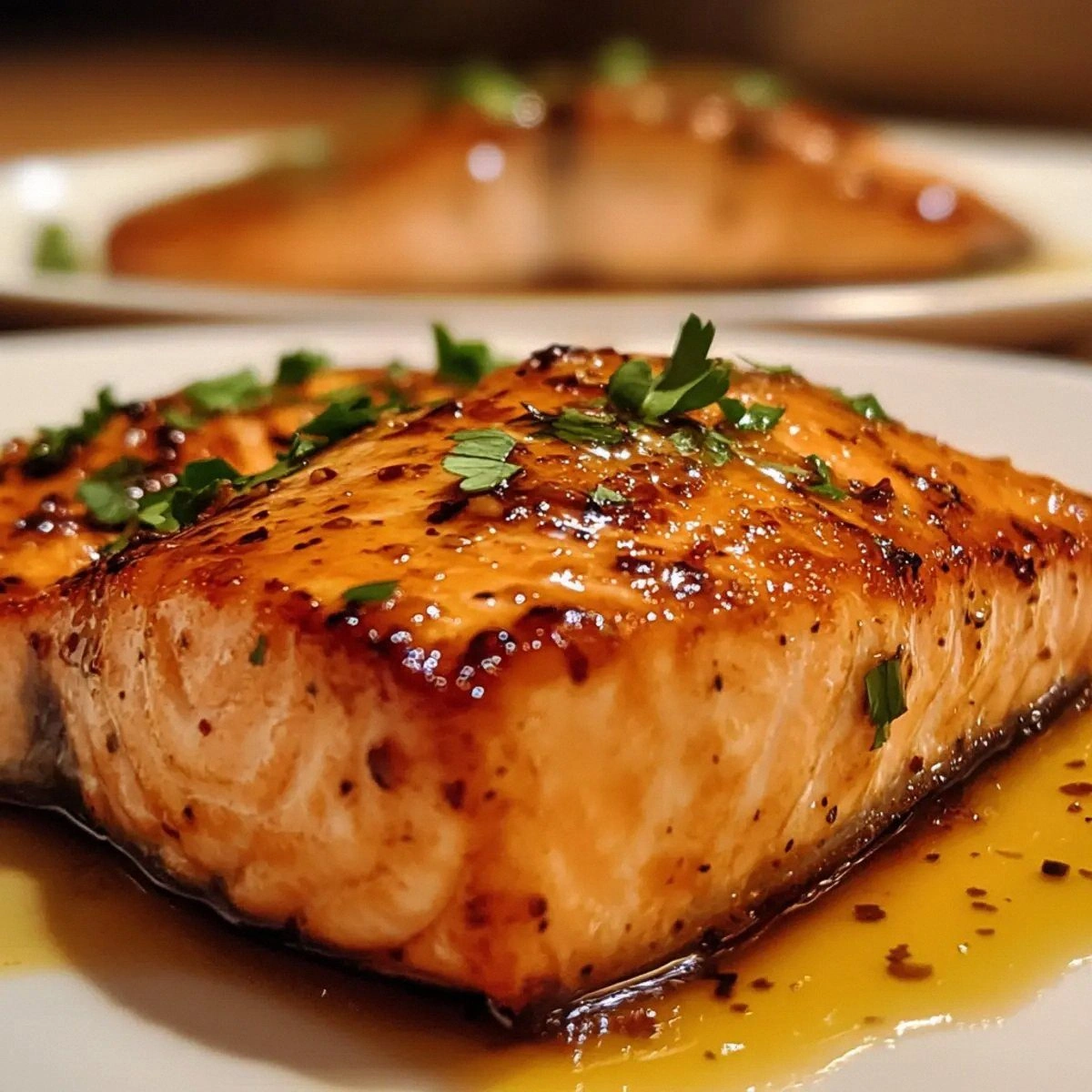
- Visual Appeal: The golden glaze and vibrant apple slices make the plate look as good as it tastes.
Alright, let’s break down exactly what goes into this masterpiece…
Inside the Ingredient List
The Flavor Base
The foundation of this dish is the aromatic combination of onions, garlic, thyme, rosemary, and paprika. Together they create a savory backdrop that complements the apples’ natural sweetness. If you skip the thyme, the dish will still taste good but lose that subtle earthy nuance. A pinch of smoked paprika adds a gentle smokiness that makes the chicken feel like it’s been grilled on a campfire. For a twist, replace dried thyme with fresh tarragon for a more floral note.
The Texture Crew
Carrots, bell pepper, and apples are the crunchy performers. The carrots provide a sweet bite, the bell pepper adds a bright pop of color and mild peppery flavor, and the apples deliver that crisp, juicy texture that melts in your mouth. If you prefer a softer texture, pre‑boil the carrots for a few minutes before sautéing. A quick blanching also helps them retain their vibrant orange hue.
The Unexpected Star
The honey and apple cider vinegar may seem like a strange duo, but together they create a sweet‑savory glaze that coats the chicken like velvet. The vinegar’s acidity balances the honey’s sweetness, preventing the dish from becoming cloying. If you’re watching your sugar intake, swap honey for maple syrup or a sugar‑free sweetener. The key is to keep the acidity, so consider a splash of lemon juice instead of vinegar if you’re feeling experimental.
The Final Flourish
A light dusting of flour on the chicken before searing locks in juices and gives the meat a golden crust. The butter added at the end of cooking melts into the sauce, creating a silky, glossy finish that makes the dish feel indulgent. If you’re gluten‑free, replace the flour with a gluten‑free blend or omit it entirely; the dish will still be delicious, just a bit less crisp on the outside. A sprinkle of fresh parsley before serving adds a burst of color and a hint of freshness that cuts through the richness.
Everything's prepped? Good. Let's get into the real action…
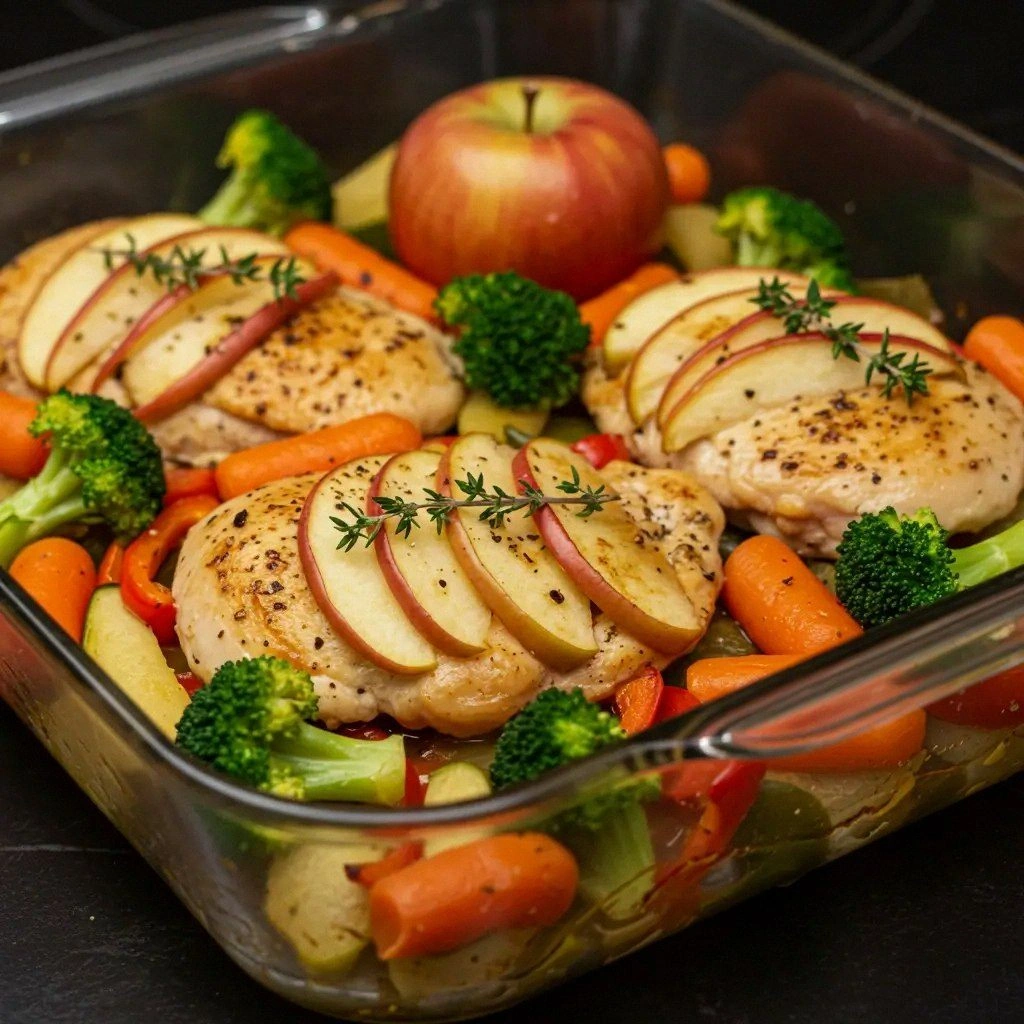
The Method — Step by Step
- Heat a large skillet over medium‑high heat and add the olive oil. Once shimmering, coat the chicken breasts lightly with flour, shaking off excess. Sear the chicken for 2–3 minutes on each side until a golden crust forms. The sear locks in juices, and the flour creates a subtle, crisp exterior. Keep the chicken aside on a plate; this is the moment of truth.
- In the same skillet, lower the heat to medium and add the butter. Once melted, toss in the sliced onions, minced garlic, and diced carrots. Sauté for 4–5 minutes until the onions turn translucent and the carrots soften. The butter adds richness, while the onions and carrots build the flavor base. This step is where the aroma starts to dominate the kitchen.
- Add the diced bell pepper and apple slices to the pan. Stir gently, allowing the apples to caramelize without breaking apart. Cook for another 3 minutes, letting the apples release their juices. The sweet, slightly tart apple flavor will mingle with the savory vegetables, creating a complex profile. The visual cue? The apples should start to brown at the edges, signaling they're ready.
- Return the chicken breasts to the skillet, nestling them among the veggies. Sprinkle the thyme, rosemary, paprika, salt, and pepper over the top. Pour in the chicken broth, apple cider vinegar, honey, and Dijon mustard. Stir to combine, ensuring the liquid covers the chicken halfway. This mixture will become the luscious glaze that defines the dish.
- Bring the mixture to a gentle simmer, then reduce the heat to low. Cover the skillet with a lid and let the chicken cook for 12–15 minutes, or until the internal temperature reaches 165°F (74°C). The sauce will thicken as it reduces, coating the chicken and veggies in a glossy sheen. Watch out: if you lift the lid too early, the liquid will evaporate, and the glaze will become too thick. Keep it covered for the full cooking time.
- Once the chicken is cooked, remove the lid and increase the heat to medium. Allow the sauce to reduce further until it reaches a syrupy consistency, about 4–5 minutes. This step intensifies the flavor and gives the dish that coveted buttery glaze. Keep stirring to prevent sticking and to ensure even caramelization.
- Add the chopped parsley and a final drizzle of butter to the skillet. Toss everything together, letting the butter melt into the sauce and coat the chicken and veggies. The parsley adds a fresh, herbal brightness that cuts through the richness. This is the moment the dish feels complete, ready to be plated.
- Plate the chicken breasts on a warm platter, spooning the apple‑laden sauce over the top. Garnish with extra parsley or a sprinkle of crushed red pepper if you like a touch of heat. The visual appeal of the golden glaze and the vibrant apple slices will make your guests swoon. Serve immediately while the sauce is still glossy and the chicken is warm.
That's it — you did it. But hold on, I've got a few more tricks that'll take this to another level…
Insider Tricks for Flawless Results
The Temperature Rule Nobody Follows
Many cooks over‑sear the chicken, making it dry. Instead, sear at medium‑high to create a crust, then finish cooking on low. This two‑step temperature control keeps the inside juicy while the outside stays crisp. I’ve seen people burn the glaze by cooking it too hot; keep the heat low once the liquid is reduced.
Why Your Nose Knows Best
When the onions hit the pan, the smell should be sweet and buttery. If it smells more like raw onions, the pan is too hot. Lower the heat until the onions caramelize slowly; the aroma will shift to a nutty, fragrant scent that signals readiness.
The 5‑Minute Rest That Changes Everything
Let the chicken rest for five minutes after cooking. This allows the juices to redistribute, ensuring each bite is moist. I’ve had friends cut into the chicken immediately, only to find dry centers. The rest period is the secret to that mouth‑watering tenderness.
The Secret of a Glaze That Sticks
Add a tablespoon of flour to the sauce at the end. The flour thickens the glaze without making it heavy, creating a silky coating that clings to the chicken and apples. It’s a quick trick that elevates the dish from good to unforgettable.
The Fresh Herb Finale
Finish the dish with fresh parsley or cilantro. The bright green contrast against the golden glaze not only looks stunning but also adds a layer of freshness that cuts through the sweetness of the apples.
Creative Twists and Variations
This recipe is a playground. Here are some of my favorite ways to switch things up:
Pear & Sage Edition
Replace apples with pears and add fresh sage leaves during the simmer. The pear’s mellow sweetness pairs beautifully with sage’s earthy aroma, creating a fall‑inspired version.
Spicy Chipotle Kick
Stir in a tablespoon of chipotle powder or a few diced jalapeños. The smoky heat complements the apple glaze and gives the dish an adventurous edge.
Turkey & Cranberry Surprise
Swap chicken for sliced turkey breast and fold in a handful of dried cranberries. The tart cranberries echo the apple’s sweetness, while the turkey’s lean protein keeps the dish light.
Vegetarian Apple‑Stuffed Bell Peppers
Fill bell peppers with a mixture of rice, diced apples, onions, and spices. Bake until the peppers are tender. This version is a hearty, plant‑based alternative that still delivers the apple‑savory harmony.
Gluten‑Free Version
Omit the flour dusting and use a gluten‑free thickener like cornstarch. The result is a perfectly smooth glaze that’s safe for gluten‑sensitive diners.
Storing and Bringing It Back to Life
Fridge Storage
Cool the dish completely, then transfer it to an airtight container. Store in the refrigerator for up to 3 days. The glaze may thicken slightly, but a splash of broth or water during reheating will restore its sheen.
Freezer Friendly
Wrap the chicken and sauce separately in freezer‑safe bags. Freeze for up to 2 months. When ready to eat, thaw overnight in the refrigerator, then reheat gently on the stove with a splash of broth.
Best Reheating Method
Reheat on the stovetop over medium heat, adding a small amount of water or broth to loosen the glaze. Stir frequently until heated through. Finish with a pat of butter for that silky finish.