Picture this: a midnight kitchen, a simmering pot of sauce, and the faint scent of kimchi drifting through the air. I was halfway through a bland stir‑fry when my phone buzzed with a frantic text from a friend who had just discovered an Instagram post claiming the best Korean chicken ever. “You have to try this,” she typed, and my curiosity ignited faster than a dropped skillet. I set the timer, grabbed a handful of chicken thighs, and let the adventure begin.
From the first sizzling sizzle, I could taste the promise of something extraordinary. The air thickened with a spicy perfume that danced between the sharpness of gochujang and the subtle sweetness of honey. The chicken, already browned to a golden caramel, seemed to whisper, “I’m ready for a flavor takeover.” The heat of the pan felt like a gentle, relentless hug that pulled every ingredient into a harmonious chorus.
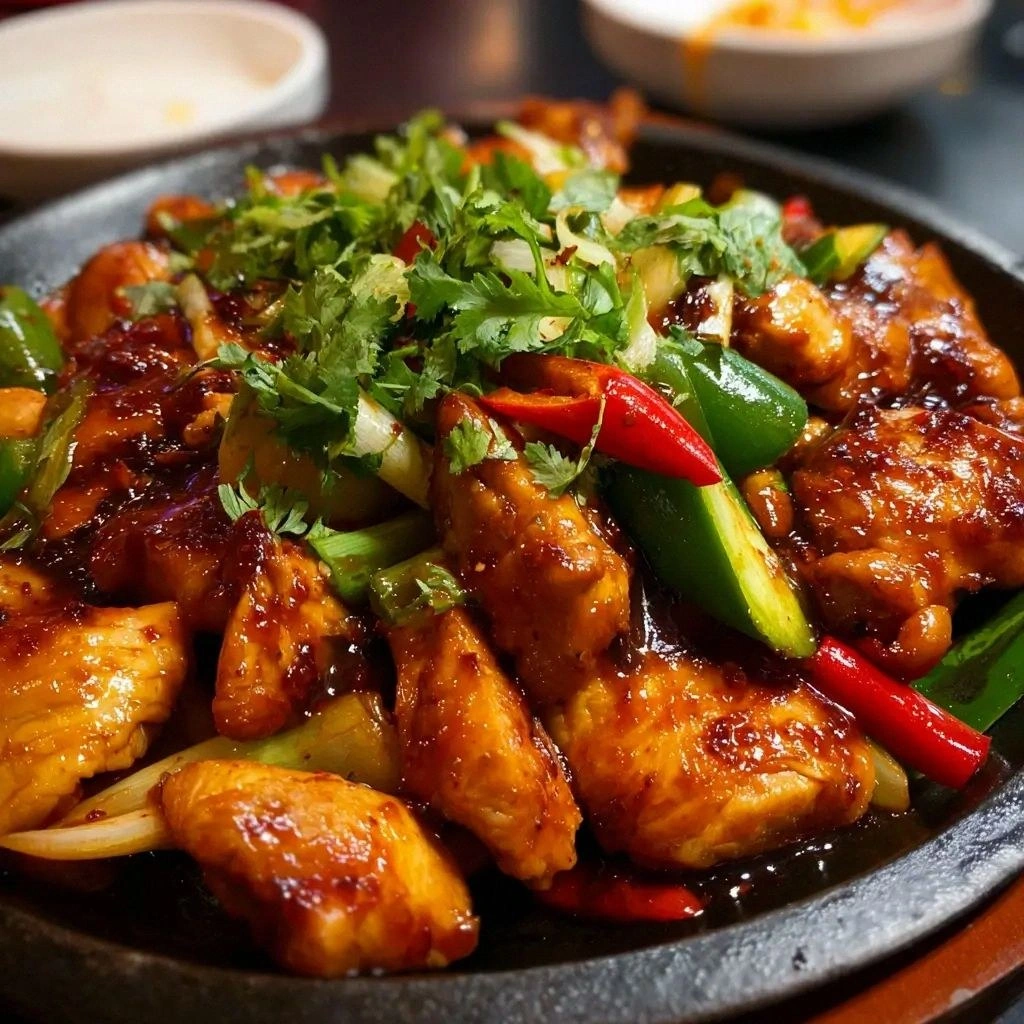
What sets this version apart isn’t just the fiery sauce; it’s the meticulous layering of textures and the strategic use of Korean staples that elevate it from a simple dish to a culinary revelation. The chicken’s exterior crisps to a satisfying crackle while the interior stays tender and juicy, creating a contrast that’s both comforting and adventurous. The sauce, thick yet glossy, clings to each morsel like a velvet blanket, ensuring every bite is drenched in heat and umami.
I’ll be honest—when I first tasted it, I almost dropped the spoon. The flavor burst was so intense that it sent a wave of heat through my senses, yet the balance of sweet, salty, and spicy kept it from becoming a one‑dimensional scorch. That delicate equilibrium is the secret that turns this dish into a crowd‑pleaser, and trust me, it’s hands down the best version you’ll ever make at home. I dare you to taste this and not go back for seconds.
Let me walk you through every single step—by the end, you’ll wonder how you ever made it any other way. I’m about to reveal the technique that locks in the juices, the ingredient that adds a surprising depth, and the method that turns ordinary chicken into a culinary masterpiece. Ready? Let’s dive in.
What Makes This Version Stand Out
- Flavor Fusion: The marriage of gochujang’s heat with honey’s sweetness creates a sauce that’s both bold and balanced. This duality ensures the dish is approachable for beginners yet satisfying for seasoned spice lovers.
- Crisp Perfection: By searing the chicken first, we lock in juices, then finish with a quick stir‑fry that gives the exterior a satisfying crunch without drying out the interior.
- Authentic Touch: The inclusion of sesame oil and seeds adds that unmistakable Korean aroma, turning a simple stir‑fry into a cultural experience.
- Time‑Efficient: The entire process takes less than 45 minutes, making it ideal for a weekday dinner or a weekend feast.
- Make‑Ahead Friendly: The sauce can be prepared in advance, and the dish reheats beautifully, making it perfect for meal prep.
- Versatile Base: Swap chicken for tofu or shrimp, and the same sauce transforms the dish into a new culinary adventure.
- Eye‑Catching Presentation: The glossy finish and vibrant green onions give a restaurant‑grade look that’s Instagram‑ready.
- Health‑Conscious: Low in processed ingredients, high in protein, and customizable to fit dietary preferences.
Alright, let's break down exactly what goes into this masterpiece...
Inside the Ingredient List
The Flavor Base
Gochujang is the star of the show—a fermented chili paste that delivers heat, sweetness, and umami in one bite. It’s the backbone of the sauce, giving depth that no single spice can match. If you’re new to gochujang, start with a smaller amount and taste as you go; it’s powerful. Swapping it for a milder Korean chili paste will reduce the heat but also lose the complex flavor profile that makes this dish memorable.
The Texture Crew
The chicken thighs are chosen for their marbling, which keeps the meat juicy and flavorful. A quick sear locks in moisture, then a swift stir‑fry finishes the texture with a satisfying crunch. If you prefer white meat, use chicken breasts, but be careful not to overcook—they can dry out quickly. A pinch of cornstarch mixed with water can be added at the end to thicken the sauce for an even glossy coat.
The Unexpected Star
Sesame oil is more than an oil—it’s an aroma enhancer. Its nutty fragrance elevates the dish from simple to sublime. Use a small amount; too much can overpower the other flavors. If you’re avoiding sesame, a splash of toasted coconut oil can mimic the nuttiness with a tropical twist.
The Final Flourish
Green onions and sesame seeds add a burst of color and a subtle crunch that contrasts with the tender chicken. They also bring a fresh, herbal note that cuts through the richness. If you’re allergic to sesame, omit the seeds and replace them with crushed peanuts for an extra crunch.
Everything's prepped? Good. Let's get into the real action...
The Method — Step by Step
- First, heat a tablespoon of vegetable oil in a large skillet over medium‑high heat. As the oil shimmers, add the seasoned chicken thighs. Let them sear untouched for 3‑4 minutes until a golden crust forms on the underside. Flip them and sear the other side for another 3 minutes. The key is to avoid moving the chicken too early; the crust locks in juices.
- Once browned, remove the chicken and set aside. In the same pan, add a splash of sesame oil—just enough to coat the bottom. The aroma should be nutty and inviting. This step ensures that the sauce will cling beautifully to the chicken.
- Whisk together gochujang, soy sauce, honey, minced garlic, grated ginger, and a pinch of salt in a small bowl. This is your flavor base, and the balance of sweet, salty, and spicy is crucial. If you prefer a thinner sauce, add a tablespoon of water or broth to reach your desired consistency.
- Pour the sauce into the pan and bring it to a gentle simmer. The sauce should thicken slightly and release a fragrant steam. Let it bubble for 2 minutes, then return the chicken to the skillet. This is the moment of truth—watch the sauce coat each piece like a glossy blanket.
- Add the sliced green onions and toss everything together. The green onions will wilt just enough to release their flavor without losing their bright color. The dish should smell toasty, and the edges of the chicken will start pulling away from the pan, indicating that they’re ready to serve.
- Sprinkle sesame seeds over the top and give it one final quick stir. The seeds will toast slightly, adding a nutty crunch. The sauce should now be glossy and cling to every surface, making the dish look as good as it tastes.
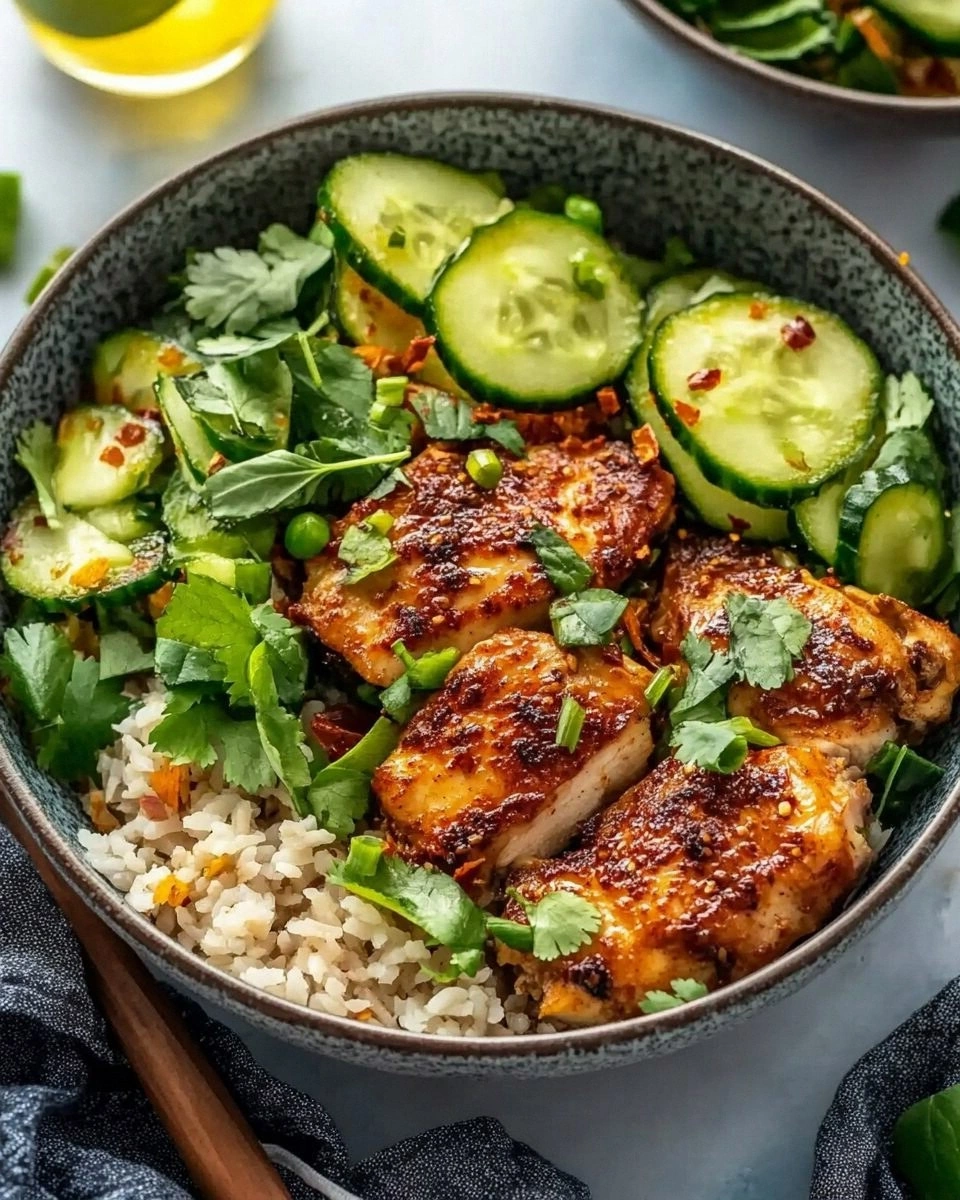
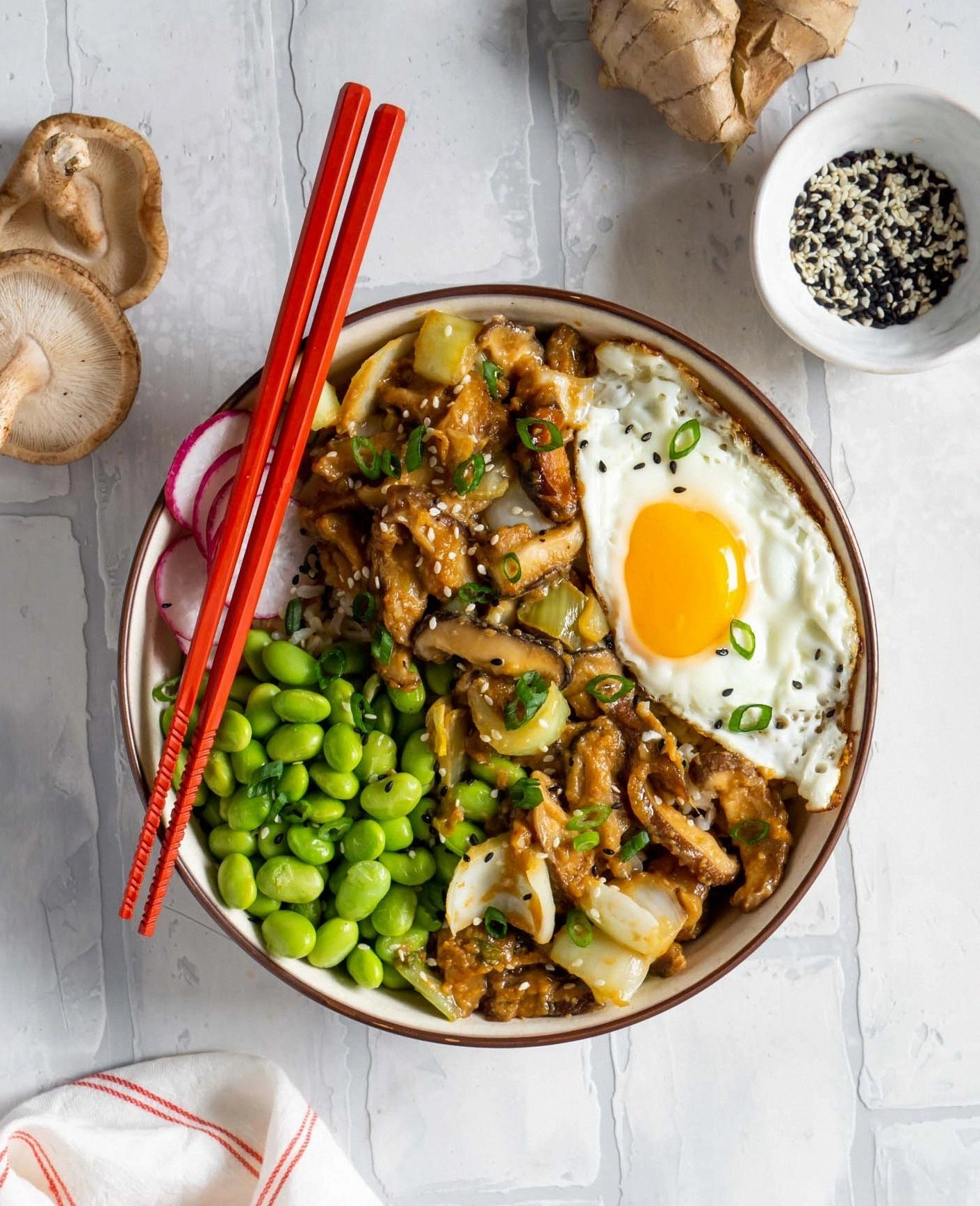
- Serve immediately over steamed rice or cauliflower rice for a low‑carb option. Garnish with additional green onions if desired. The dish should feel warm, spicy, and satisfying.
- If you’re planning to make this ahead of time, let it cool, cover, and refrigerate. Reheat in a skillet over medium heat, adding a splash of water to re‑moisturize the sauce. The texture will return to its original glory.
That's it—you did it. But hold on, I've got a few more tricks that'll take this to another level. Stick with me for the insider tips that will elevate every bite.
Insider Tricks for Flawless Results
The Temperature Rule Nobody Follows
Cooking at the right temperature is essential. Keep the skillet medium‑high to sear quickly, then reduce to medium for the sauce to simmer. If you let the heat get too low, the sauce will become watery; too high, and the chicken will burn on the outside while remaining raw inside. A simple test: hold your hand about 6 inches above the skillet; if you can’t stay there for more than a second, the heat is too high.
Why Your Nose Knows Best
Smell is a powerful cue. When the sauce is ready, it should emit a sweet, slightly smoky aroma with a hint of citrus from the vinegar. If the scent feels off or too sharp, give it another minute. Your nose is a reliable guide to the dish’s readiness.
The 5‑Minute Rest That Changes Everything
After removing the chicken from the pan, let it rest for 5 minutes before cutting. This allows the juices to redistribute, ensuring each bite is moist. I’ve seen people cut straight away and end up with dry, over‑cooked chicken—don’t make that mistake.
The Secret Sauce Thickener
If you prefer a thicker sauce, whisk in 1 teaspoon of cornstarch dissolved in 2 tablespoons of cold water. Add it at the last minute and stir until the sauce coats the back of a spoon. This gives a silky finish without adding heavy calories.
The Quick Garnish Hack
For a burst of freshness, sprinkle a handful of chopped cilantro just before serving. The herb’s bright flavor cuts through the richness and adds a pop of color. If cilantro is not your thing, a squeeze of lime will provide a similar bright contrast.
Creative Twists and Variations
This recipe is a playground. Here are some of my favorite ways to switch things up:
Spicy Shrimp Surprise
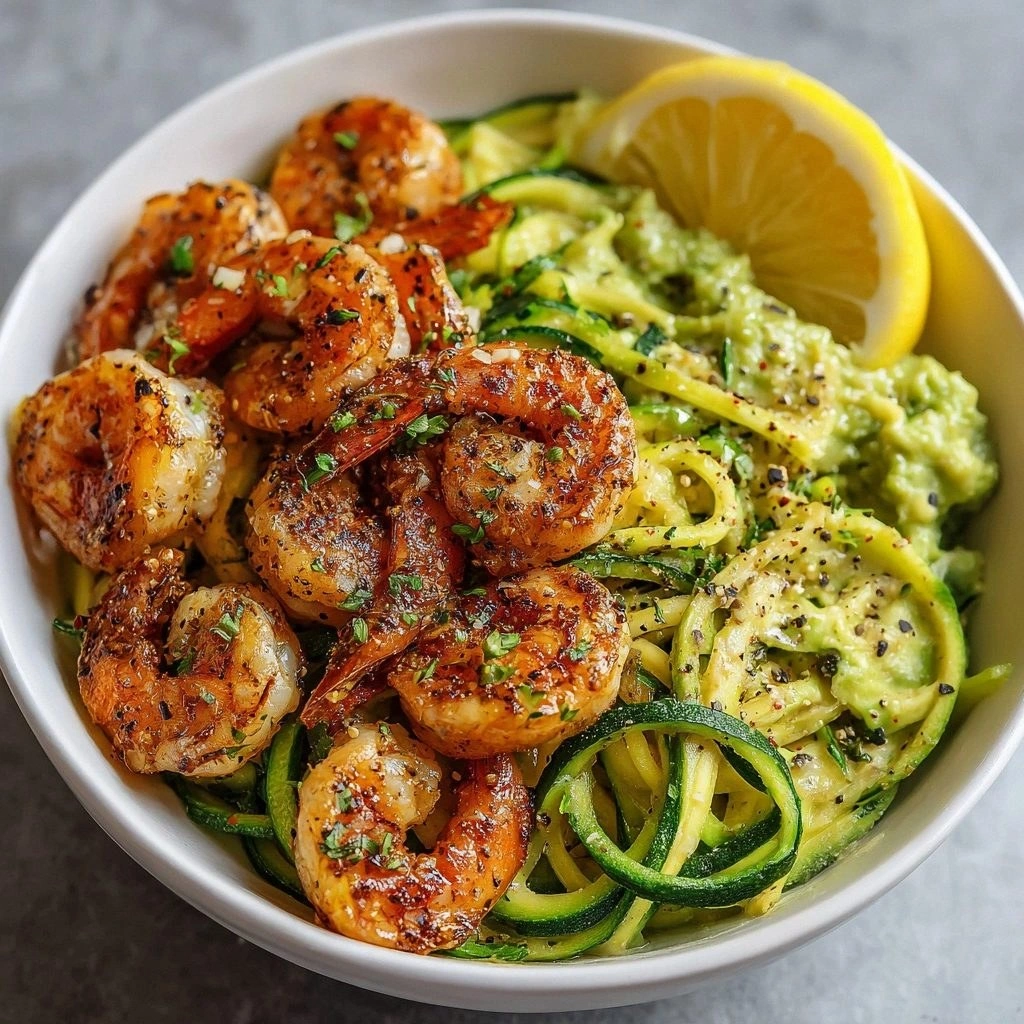
Swap the chicken for shrimp, and you’ll get a quick, oceanic twist. Shrimp cooks in under 3 minutes, so adjust the sauce simmer time accordingly. The result is a light, spicy seafood dish that’s perfect for a summer dinner.
Vegan Tofu Edition
Press and cube tofu, then marinate it in the gochujang mixture for 20 minutes. Fry until golden, then follow the same sauce steps. The tofu absorbs the flavors beautifully, making it a hearty, plant‑based alternative.
Korean BBQ Beef
Thinly sliced beef works wonderfully in this sauce. Marinate the beef for 15 minutes, then sear quickly to preserve its tenderness. The beef pairs well with a side of kimchi for a true Korean BBQ experience.
Mild Sweet Version
Reduce the gochujang to half and increase the honey. This creates a sweeter, less spicy dish that’s great for families who prefer a milder flavor profile. The sauce will still cling to the chicken, delivering a caramelized finish.
Rice Bowl Deluxe
Serve the chicken over a bed of seasoned quinoa or brown rice for extra fiber. Top with sliced avocado and a drizzle of sriracha mayo for a modern twist. The creamy avocado balances the heat and adds a luxurious texture.
Low‑Carb Cauliflower Rice
Replace regular rice with cauliflower rice to keep the dish keto‑friendly. The cauliflower’s mild flavor lets the sauce shine without competing. Stir‑fry the cauliflower for 5 minutes before adding the chicken and sauce.
Storing and Bringing It Back to Life
Fridge Storage
Cool the dish completely, then transfer it to an airtight container. Store in the refrigerator for up to 3 days. The sauce will thicken slightly; a quick stir before reheating will restore its glossy texture.
Freezer Friendly
For longer storage, freeze the dish in a freezer‑safe container for up to 2 months. When ready to eat, thaw overnight in the fridge and reheat on the stovetop with a splash of water to re‑moisturize the sauce.
Best Reheating Method
Reheat over medium heat, stirring frequently. Add a tablespoon of water or broth to loosen the sauce. The dish should be steaming hot throughout and retain its crisp edges.