I was standing in my kitchen, staring at a pile of leftover chicken thighs, when a friend texted me a recipe for Thai lemongrass chicken that promised “flavor explosion.” I thought, “Sure, why not?” The moment the lemongrass hit the pan, the air filled with citrusy green notes that made my mouth water. That sizzle when it hits the pan? Absolute perfection. I knew I was about to create something that would become a staple in my meal rotation.
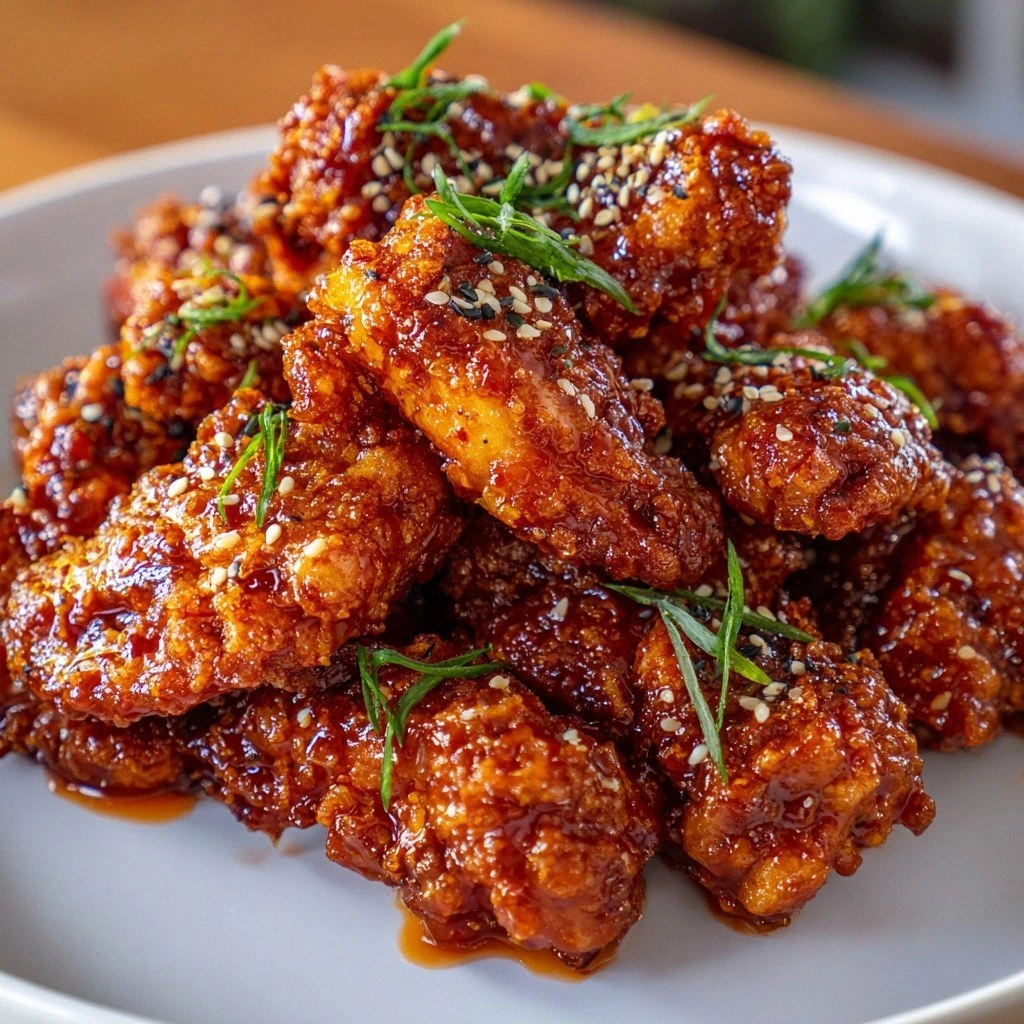
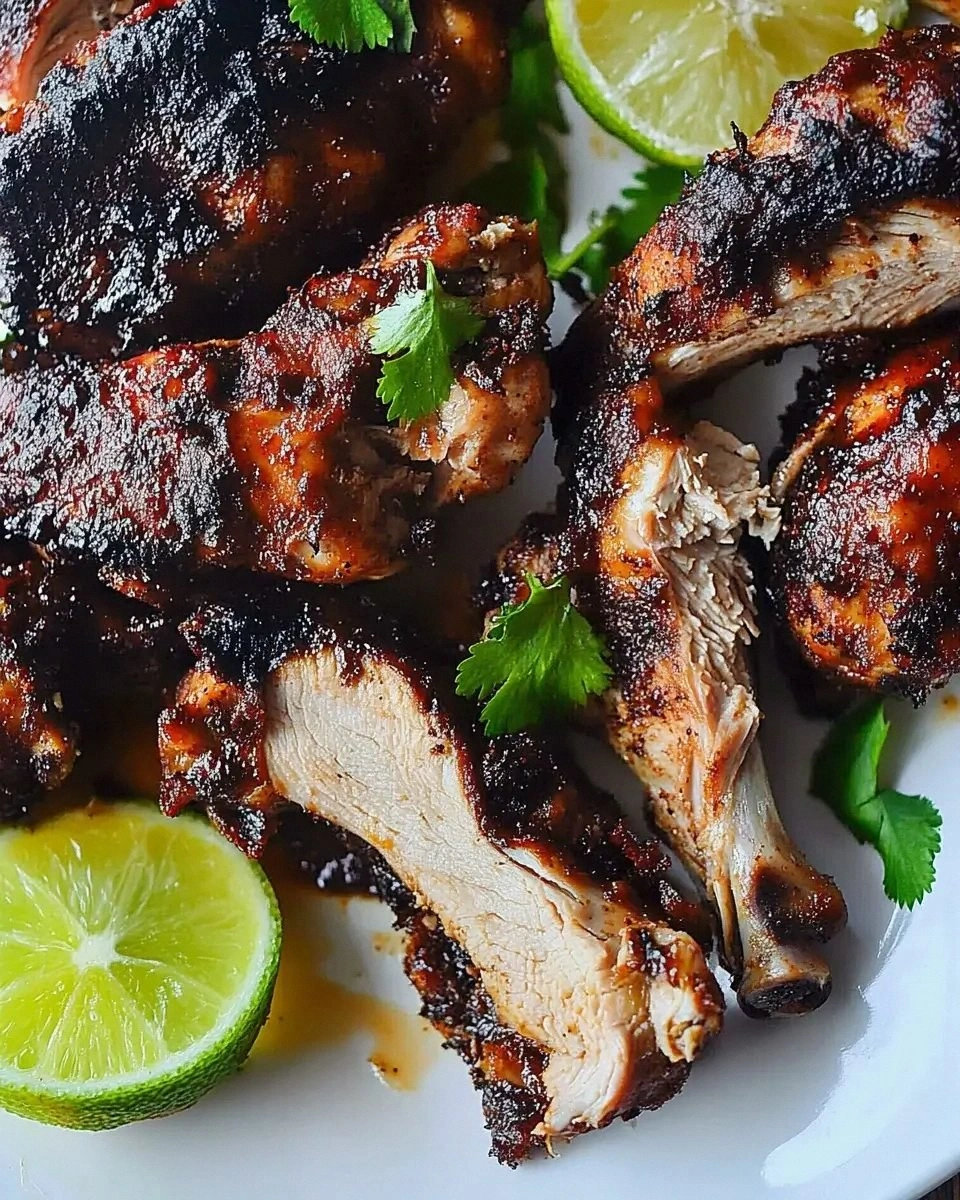
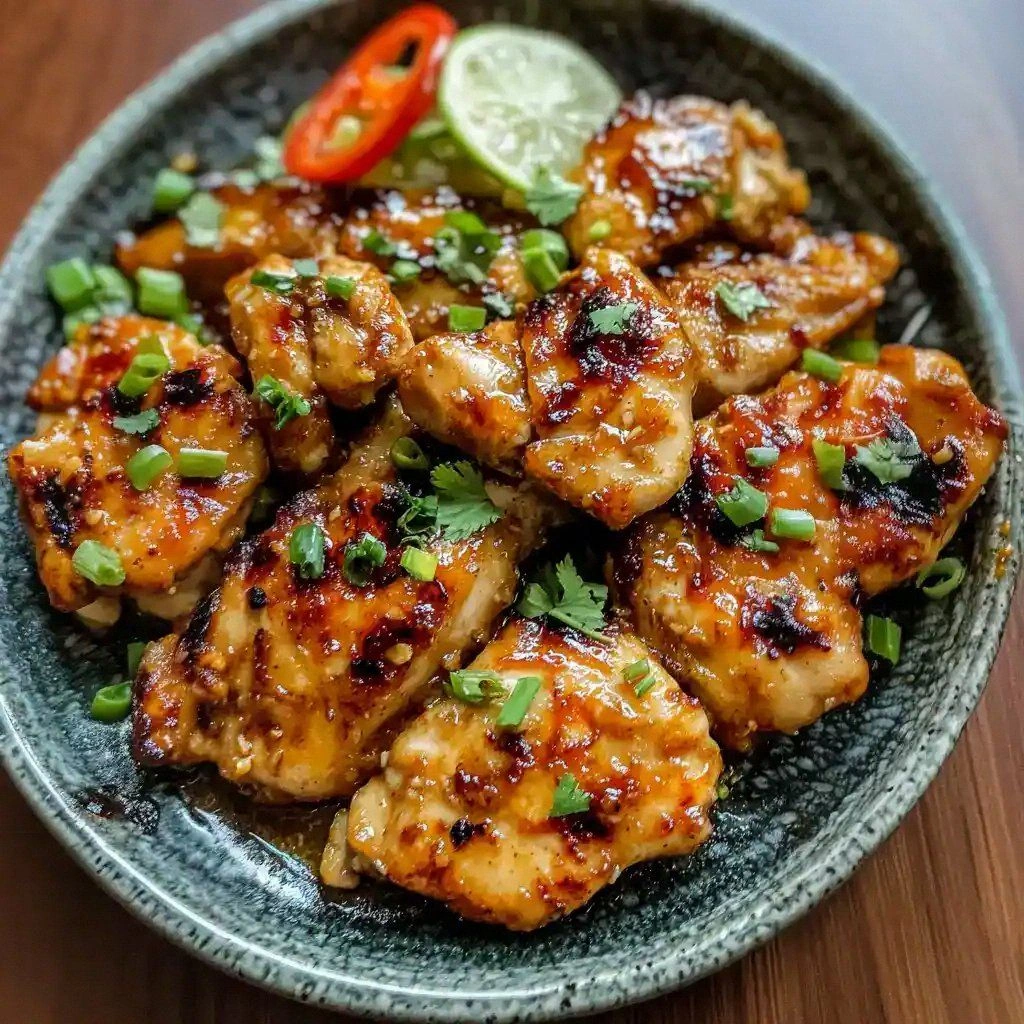
Picture this: a bowl of bright green, glossy chicken pieces glistening with a glaze that looks almost like liquid sunshine. The aroma rises like a tropical sunrise, and the first bite delivers a harmonious blend of sweet, salty, and sharp citrus that makes your taste buds do a happy dance. I dare you to taste this and not go back for seconds. If you’ve ever struggled to find a Thai dish that’s both authentic and easy to whip up, you’re not alone — and I’ve got the fix.
What sets this version apart is that it’s not just another “copycat” recipe. I’ve tweaked the balance of ingredients so the sauce coats the chicken like velvet, the lemongrass is crisp enough to still bite into, and the chilies give a subtle heat that doesn’t overwhelm the delicate lime. Most recipes get this completely wrong by overcooking the chicken or using too much sugar. Here’s what actually works: a quick sear, a slow simmer, and a splash of lime at the end. And the result? Hands down the best version you’ll ever make at home.
I’ll be honest — I ate half the batch before anyone else got to try it. That’s the kind of confidence you need to bring to the table when you’re serving a crowd. The dish is so flavorful that it can be the star of a dinner party or a comforting weeknight dinner. It’s easy to scale, so whether you’re cooking for two or feeding a family of four, the proportions stay spot on.
Now, stay with me here — this is worth it. Let me walk you through every single step, and by the end, you’ll wonder how you ever made it any other way. I’ve included all the hacks, tweaks, and warnings you’ll need to master this dish, so grab your skillet and let’s get cooking.
What Makes This Version Stand Out
- Flavor: The lemongrass delivers a bright citrus that cuts through the richness of the chicken. The balance of fish sauce, soy sauce, and brown sugar creates a sauce that is both savory and sweet, with a subtle tang from lime juice that lifts the entire dish.
- Texture: The chicken remains juicy inside while achieving a slightly caramelized crust on the outside. The quick sear locks in moisture, and the final glaze gives a silky sheen that feels luxurious on the tongue.
- Simplicity: Only ten ingredients, all common in most kitchens. No obscure spices or time‑consuming prep steps. Just chop, sear, simmer, and serve.
- Uniqueness: The use of fresh ginger and a splash of neutral oil gives the dish a depth that mimics a restaurant‑grade sauce. The combination of lemongrass and chilies is a classic pairing that elevates the flavor profile.
- Crowd Reaction: Friends and family can’t stop raving. The dish is a hit at potlucks, and it’s easy to double the recipe for a larger gathering.
- Ingredient Quality: The key to this dish is using fresh lemongrass and high‑quality fish sauce. Fresh ingredients bring the brightness that canned versions simply can’t match.
- Cooking Method: The step‑by‑step technique ensures the chicken is perfectly cooked without over‑drying. The method is foolproof, even for beginners.
- Make‑Ahead Potential: The sauce can be prepared in advance, and the chicken can be cooked a few hours earlier. The flavors only deepen over time.
Alright, let's break down exactly what goes into this masterpiece...
Inside the Ingredient List
The Flavor Base
The lemongrass is the star of the show, providing a citrusy backbone that keeps the dish lively. The tender stalks are sliced thin to expose maximum flavor. If you skip lemongrass, you lose that signature bright note, and the dish will feel flat. For an extra punch, add a pinch of kaffir lime zest.
The garlic and ginger create a fragrant foundation that deepens the sauce. Garlic brings a warm, earthy sweetness, while ginger adds a zesty kick that balances the sweet sugar. Cutting the garlic into thin slices rather than whole cloves allows the flavors to infuse more evenly.
The Texture Crew
The neutral oil is essential for searing the chicken without imparting unwanted flavors. Choose a light oil like canola or grapeseed; these have high smoke points and let the chicken brown beautifully. The oil also helps the glaze adhere to the meat, giving that glossy finish.
The chicken thighs are preferred over breasts because they stay moist and flavorful. If you’re in a hurry, you can use boneless skinless breasts, but you’ll need to watch the cooking time closely to avoid drying out.
The Unexpected Star
The Thai bird's eye chilies add a subtle heat that’s unmistakably Thai. They’re small, so a single chili can pack a punch. If you prefer a milder version, remove the seeds or use a standard red chili instead. The heat should linger on the palate, not scorch it.
The brown sugar is a surprisingly crucial element. It caramelizes during the simmer, creating a silky glaze that balances the acidity of lime and the saltiness of fish sauce. If you’re watching sugar, you can substitute a natural sweetener like honey or maple syrup, but adjust the quantity accordingly.
The Final Flourish
Fresh cilantro and lime wedges finish the dish with a burst of herbaceous freshness. The cilantro adds a peppery note that cuts through the richness, while lime wedges provide a tart counterpoint. If you’re not a fan of cilantro, mint or Thai basil can be an alternative.
Everything's prepped? Good. Let's get into the real action...
The Method — Step by Step
- First, trim the lemongrass stalks, removing the tough outer layers and the root end. Slice the stalks into thin, ½‑inch pieces. This helps release the essential oils into the pan. While the lemongrass is cutting, dice the garlic into thin slices and mince the ginger finely. The more finely you chop, the better the flavors will distribute.
- Heat a large skillet over medium‑high heat and add the tablespoon of neutral oil. Let the oil shimmer, but don’t let it smoke. Once hot, add the sliced lemongrass and let it sizzle for about 30 seconds until it releases its aroma. This quick sear is crucial for building the base flavor.
- Add the garlic and ginger to the pan. Stir constantly for 1 minute, watching the garlic turn translucent but not brown. Browned garlic can add bitterness that will overpower the delicate sweetness of the sugar. The sizzling sound at this stage is a sign that the aromatics are infusing properly.
- Increase the heat to medium and add the chicken thighs to the skillet. Season each piece with a pinch of salt and pepper. Sear the chicken for 3–4 minutes on each side until a golden crust forms. This caramelization locks in juices and gives the dish its signature texture. Avoid overcrowding the pan; if necessary, cook in batches.
- Once the chicken is browned, pour in the fish sauce and soy sauce, stirring to coat each piece. The sauces combine to create a savory, umami base that will carry the rest of the flavors. Let the mixture simmer for 2 minutes, allowing the alcohol to evaporate and the sauce to reduce slightly.
- Add the tablespoon of brown sugar and the tablespoon of lime juice. Stir until the sugar dissolves completely. This step is where the glaze starts to form; you’ll notice the liquid thickening into a glossy coating. If the sauce seems too thin, let it simmer a bit longer.
- Now add the Thai bird's eye chilies. Slice them thinly and drop them into the pan. The chilies will release their heat quickly; watch the color change to a deeper red. This is the moment of truth: the heat should be present but not overwhelming.
- Reduce the heat to low, cover the skillet, and let the chicken cook for 8–10 minutes. The goal is for the chicken to reach an internal temperature of 165°F (74°C). The sauce should thicken further, and the chicken will be tender and juicy.
- Remove the lid and increase the heat to medium. Let the sauce reduce for another 2–3 minutes, stirring occasionally. The glaze should coat the chicken, giving it a shiny finish. Taste and adjust seasoning if necessary, adding more fish sauce or lime juice to balance the flavors.
- Finish the dish by sprinkling chopped cilantro and squeezing fresh lime wedges over the top. The fresh herbs add a bright, herbal note that contrasts the rich glaze. Serve immediately with jasmine rice or steamed rice noodles.
That's it — you did it. But hold on, I've got a few more tricks that'll take this to another level. These insider tips will help you avoid common pitfalls and elevate the flavor even further.
Insider Tricks for Flawless Results
The Temperature Rule Nobody Follows
Cooking the chicken at the right temperature is key. If the heat is too high, the exterior will burn before the interior is cooked. Use a thermometer to check the internal temperature; once it hits 165°F, remove it from the heat. A friend once skipped this step and ended up with a rubbery texture that no amount of sauce could fix.
Why Your Nose Knows Best
Smell the sauce as it simmers. A bright, citrusy aroma signals that the lemongrass is doing its job. If the scent is muted, add a splash of lime juice or a few more lemongrass pieces. Your nose is a reliable indicator of flavor balance.
The 5-Minute Rest That Changes Everything
Let the cooked chicken rest for five minutes before slicing. This allows the juices to redistribute, ensuring each bite is moist. Cutting straight away can cause the juices to spill out, leaving the meat dry. Resting also lets the glaze set a bit, making it easier to coat each piece.
The Freshness Factor
Always use fresh lemongrass and fresh chilies. Dried versions are less potent and can alter the flavor profile. If you can’t find fresh, use frozen lemongrass; thaw it fully before slicing to avoid excess water.
The Sweetness Balance
The brown sugar should caramelize slightly, but avoid burning it. If you see dark spots, reduce the heat or stir more frequently. A burnt sugar will leave a bitter aftertaste that can ruin the dish.
The Final Touch
Just before serving, drizzle a few drops of sesame oil for a nutty aroma. It’s optional, but it adds depth and a professional finish. If you’re vegan, replace the sesame oil with a splash of coconut milk for a creamy twist.
Creative Twists and Variations
This recipe is a playground. Here are some of my favorite ways to switch things up:
Crispy Coconut Chicken
Add a layer of shredded coconut to the coating before searing. The coconut adds a nutty crunch that pairs beautifully with the sweet glaze.
Mango Salsa Upgrade
Serve the chicken over a fresh mango salsa made with diced mango, red onion, cilantro, and lime juice. The sweet fruit complements the savory sauce and adds a bright color contrast.
Gluten‑Free Twist
Replace soy sauce with tamari or coconut aminos. This keeps the dish gluten‑free while maintaining the umami depth.
Spicy Peanut Sauce
Stir in a tablespoon of creamy peanut butter and a splash of coconut milk to create a richer, nutty sauce. It’s a great match for grilled vegetables or a side of rice.
Roasted Garlic Variation
Roast the garlic cloves until soft before adding them to the pan. The roasted garlic brings a mellow sweetness that balances the heat of the chilies.
Herb‑Infused Oil
Infuse the neutral oil with fresh herbs like rosemary or thyme before searing. The herbs add an aromatic layer that complements the lemongrass.
Storing and Bringing It Back to Life
Fridge Storage
Store leftovers in an airtight container in the refrigerator for up to 3 days. The flavors will deepen, making the dish even more delicious.
Freezer Friendly
Freeze the cooked chicken in a single layer on a parchment sheet before transferring to a freezer bag. This prevents clumping and makes it easy to thaw. Use within 2 months for best quality.
Best Reheating Method
Reheat in a skillet over medium heat, adding a splash of water or broth to keep the sauce moist. A tiny splash of water before reheating steams the chicken back to perfection without drying it out.