I was standing in my kitchen on a rainy Tuesday, staring at a half‑finished pot of bland lentil soup that tasted like sad water. The rain hammered the windows, my socks were soggy, and I was suddenly hit by a craving so fierce it felt like a tiny tornado in my stomach. I grabbed a handful of peanuts, a sweet potato from the pantry, and an old jar of coconut milk, thinking maybe I could salvage something, but then the universe whispered, “Make it spicy, make it nutty, make it unforgettable.” That whisper turned into a dare: I challenged myself to create a soup that would make even the most stoic foodie gasp, lick the bowl clean, and beg for seconds. Fast forward a few frantic minutes, a splash of curry powder, and a swirl of peanut butter later, I was holding a bowl that smelled like a tropical market at sunset, and I knew I had stumbled onto something legendary.
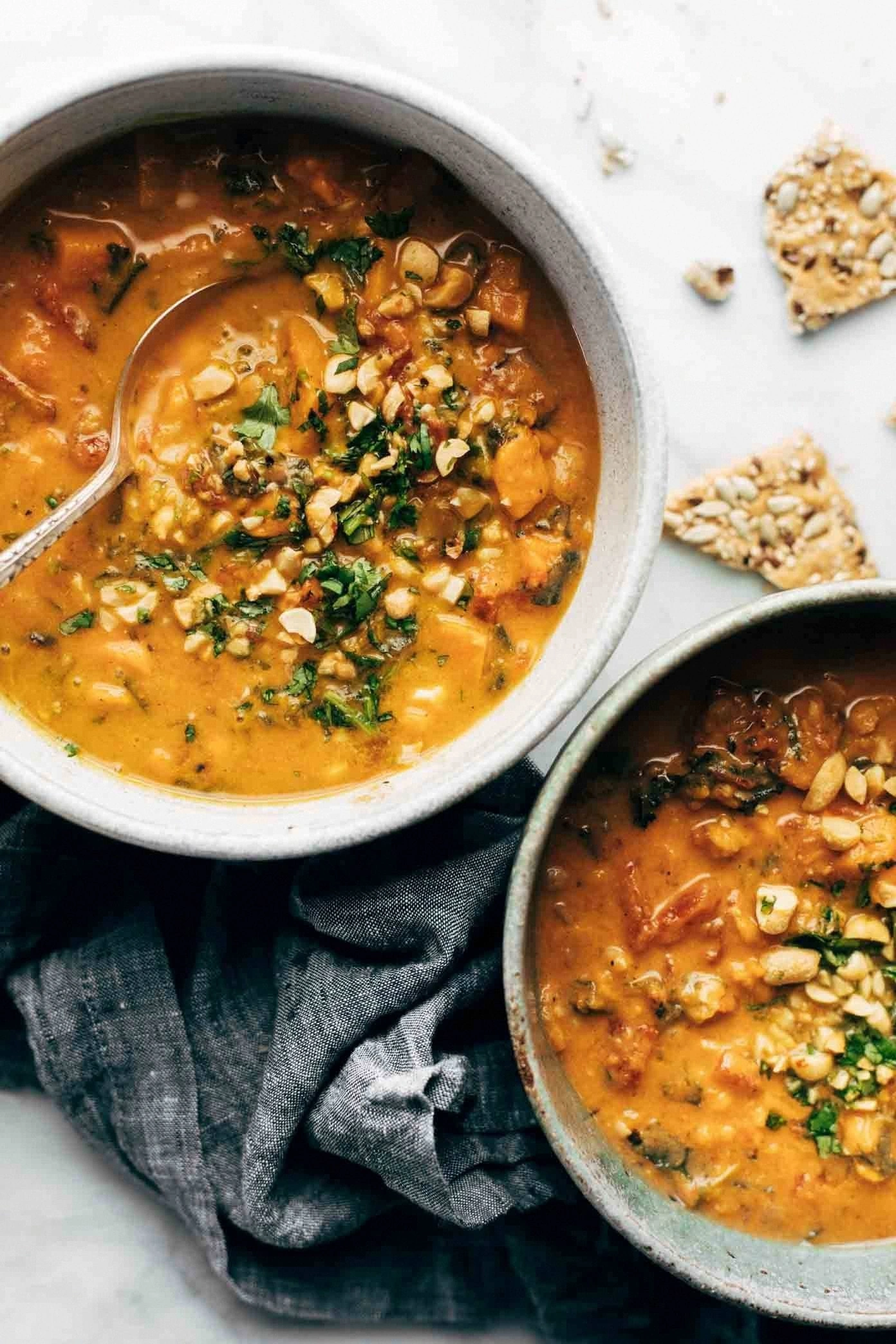
Imagine the aroma of caramelized onions dancing with the smoky kick of fire‑roasted tomatoes, the heat of jalapeño flirting with the creamy richness of coconut milk, and the earthy sweetness of sweet potatoes hugging the bold crunch of peanuts. The sound of the soup bubbling gently is a comforting lullaby, while the steam rises like a fragrant veil that promises warmth on a chilly night. When you finally taste it, the first bite hits with a silky, velvety texture that coats your tongue, then bursts into a cascade of flavors—spicy, sweet, nutty, and a whisper of green from kale that adds a fresh finish. The heat is balanced, never overwhelming, and the peanuts give a delightful crunch that feels like tiny fireworks in every spoonful.
Most recipes for peanut‑based soups get this completely wrong. They either drown the dish in peanut butter, leaving it cloyingly sweet, or they skimp on the aromatics, resulting in a flat, one‑dimensional broth. My version, however, layers each component like a perfectly orchestrated symphony, ensuring that every spoonful is a new movement. The secret? A quick toast of peanuts to bring out their buttery depth, a splash of lime at the end for brightness, and a strategic addition of kale right before serving so it stays vibrant and tender.
I’m about to walk you through every single step — by the end, you’ll wonder how you ever made this dish any other way. Okay, ready for the game‑changer? This next part? Pure magic. Stay with me here — this is worth it.
What Makes This Version Stand Out
- Flavor Explosion: The combination of fire‑roasted tomatoes and curry powder creates a depth that feels like a warm hug from a distant aunt who’s traveled the world.
- Texture Harmony: Creamy coconut milk meets crunchy peanuts, while sweet potatoes add a buttery body that makes the soup feel luxurious without being heavy.
- Simplicity Meets Sophistication: You only need a handful of pantry staples, yet the result tastes like you spent hours in a professional kitchen.
- Unexpected Star: The kale is added at the very end, preserving its bright green color and fresh bite, turning a humble soup into a vibrant masterpiece.
- Crowd‑Pleaser: I dare you to taste this and not go back for seconds; it’s the kind of comfort food that also impresses guests.
- Ingredient Quality: Using toasted peanuts and fire‑roasted tomatoes elevates the dish from ordinary to extraordinary.
- One‑Pot Wonder: Minimal cleanup means you can spend more time eating and less time scrubbing.
- Make‑Ahead Friendly: The flavors meld beautifully overnight, making it perfect for meal prep or a lazy weekend.
Inside the Ingredient List
The Flavor Base
Aromatics like onion, jalapeño, and garlic are the backbone of any great soup, and here they work like a trio of seasoned actors delivering their lines with perfect timing. The onion, when sautéed until translucent, releases natural sugars that add a subtle sweetness, balancing the heat of the jalapeño. Garlic brings a pungent depth that rounds out the spice, while the jalapeño injects just enough heat to keep your palate awake without overpowering the nutty notes. If you’re missing fresh jalapeño, a pinch of red pepper flakes can stand in, but the fresh pepper’s bright bite is unbeatable. Skipping any of these aromatics would leave the soup feeling flat, like a song missing its chorus.
The Texture Crew
Sweet potatoes are the unsung heroes, providing a creamy body that makes the broth feel indulgent without the need for heavy cream. Their natural sweetness pairs beautifully with the savory curry and the earthy peanuts, creating a harmonious balance. If you prefer a firmer texture, you can swap half the sweet potatoes for butternut squash, which holds its shape better when simmered. When selecting sweet potatoes, look for firm, smooth skins free of sprouts; the firmer they are, the less watery the soup will become. Overcooking them would turn the broth mushy, so keep an eye on the fork‑test.
The Unexpected Star
Fire‑roasted tomatoes add a smoky depth that you simply can’t achieve with plain canned tomatoes. The charred edges bring a subtle bitterness that cuts through the richness of coconut milk, while the juicy flesh contributes a bright acidity. If you can’t find fire‑roasted tomatoes, you can char fresh tomatoes under a broiler for a few minutes, then blend them in. The key is to retain that smoky flavor; without it, the soup would lack the complex backbone that makes it unforgettable. Remember, a little goes a long way—don’t overdo the tomatoes, or you’ll lose the delicate balance.
The Final Flourish
Kale, added at the very end, offers a peppery bite and a pop of color that lifts the entire dish. Its sturdy leaves hold up well in hot broth, yet they soften just enough to stay tender. If kale isn’t your thing, try Swiss chard or baby spinach for a milder flavor. When selecting kale, look for dark, glossy leaves without yellowing; the fresher the kale, the more vibrant the final soup. A common mistake is adding kale too early, which can turn it an unappealing gray; timing is everything.
Everything's prepped? Good. Let’s get into the real action…
The Method — Step by Step
Heat a large, heavy‑bottomed pot over medium heat and add a splash of oil. Toss in the diced onion and let it sizzle until it turns a glossy, golden‑brown, about 4‑5 minutes. You’ll hear a gentle hiss that tells you the onions are caramelizing perfectly—this is the first flavor layer building up. Stir occasionally to prevent sticking, and if you notice any browning sticking to the bottom, deglaze with a splash of water. The aroma at this point should be sweet and inviting, like a bakery on a quiet street.
Add the minced jalapeño and garlic to the pot, stirring quickly so they don’t burn. The jalapeño will release its heat almost instantly, and the garlic will turn a light golden hue, filling the kitchen with a pungent, earthy perfume. This is the moment of truth—if the garlic starts to brown too quickly, lower the heat and keep stirring. Let the mixture cook for another 2 minutes, allowing the flavors to meld.
Kitchen Hack: Crush the garlic with the flat side of a knife before mincing; this releases more allicin, intensifying the flavor.Stir in the curry powder, letting it toast for about 30 seconds. You’ll see the spices coat the aromatics like a shimmering dust, and a warm, spicy fragrance will rise—think of a bustling Indian market. If the powder starts to stick, add a teaspoon of water to keep it moving. This step is crucial because it awakens the complex notes of the curry, preventing a raw, powdery taste later on. Once the kitchen smells like a spice bazaar, you’re ready for the next addition.
Add the cubed sweet potatoes, fire‑roasted tomatoes (with their juices), and the toasted peanuts. Give everything a good stir so the potatoes are evenly coated in the spice mixture. The tomatoes will release a smoky, tangy liquid that begins to form the soup base. Let the mixture simmer for 5 minutes, allowing the potatoes to start softening and the peanuts to infuse their buttery essence.
Watch Out: Don’t let the soup boil aggressively at this stage, or the peanuts could turn bitter.Pour in the coconut milk, stirring gently to combine. The liquid should turn a rich, creamy ivory color, and you’ll notice the broth thickening slightly as the coconut fat emulsifies with the spices. Bring the pot to a gentle simmer, then reduce the heat to low. Let it cook uncovered for 15‑20 minutes, or until the sweet potatoes are fork‑tender. During this time, the flavors will meld into a harmonious whole, and you’ll see occasional bubbles rising like tiny fireworks.
Add the peanut butter, stirring until fully dissolved. This is where the soup gets its luxurious, velvety mouthfeel, and the peanut butter adds a subtle sweetness that balances the heat. Keep the pot on low heat and watch the surface become glossy—this is the soup’s signature sheen. Taste and adjust seasoning with salt, pepper, and a squeeze of lime if you like a bright finish. The lime will cut through the richness, giving the dish a refreshing lift.
Just before serving, fold in the chopped kale. It will wilt quickly in the hot broth, turning a vivid emerald green that adds a fresh, slightly bitter contrast to the sweet and spicy base. If you prefer a softer kale texture, let it sit for an extra minute; otherwise, a quick stir will keep it tender‑crisp. This step is the final flourish that turns a simple soup into a visual masterpiece.
Turn off the heat and let the soup rest for 2‑3 minutes. This short rest allows the flavors to settle, and the soup will thicken just a touch as the peanuts continue to release their oils. Ladle the soup into bowls, garnish with a drizzle of extra peanut butter, a sprinkle of toasted peanuts, and perhaps a few cilantro leaves for color. Serve with crusty bread or warm naan to soak up every last drop. And now the fun part: dig in and savor the symphony of flavors you just created.
That's it — you did it. But hold on, I've got a few more tricks that'll take this to another level…
Insider Tricks for Flawless Results
The Temperature Rule Nobody Follows
Never rush the simmer; keep the liquid at a gentle bubble, around 185°F (85°C). This low‑and‑slow approach prevents the coconut milk from separating and keeps the peanuts from turning bitter. I once tried a high boil to save time; the result was a grainy, oily mess that tasted like burnt butter. Trust the heat, and the soup will stay silky. If you have a kitchen thermometer, use it—precision matters more than you think.
Why Your Nose Knows Best
Your sense of smell is the ultimate gauge for seasoning. When the aromatics are perfectly caramelized, you’ll detect a sweet‑savory perfume that hints at the final depth. If the scent feels flat, add a pinch more curry powder or a dash of smoked paprika. I’ve found that a quick sniff after adding the coconut milk tells me whether I need a touch more salt or a splash of lime. Follow your nose, and you’ll never under‑ or over‑season.
The 5‑Minute Rest That Changes Everything
After you turn off the heat, let the soup sit, covered, for exactly five minutes. This short rest lets the starches from the sweet potatoes fully hydrate, turning the broth into a velvety blanket for the peanuts. Skipping this step leaves the soup thin and a bit “unfinished.” I once served it straight from the stove and got feedback that it felt “too watery.” The rest period is the quiet hero that transforms a good soup into a great one.
Peanut Toast Perfection
Toast peanuts until they turn golden and release a nutty perfume—about 3‑4 minutes in a dry skillet. If you over‑toast, they become bitter; under‑toast, and you lose that buttery depth. Use a wooden spoon to keep them moving, and watch for the first hint of a darker hue. This step is the secret behind the soup’s rich, nutty backbone.
Lime’s Bright Finale
A squeeze of fresh lime juice just before serving lifts the entire flavor profile, adding a citrusy zing that cuts through the richness. It’s like turning the lights on in a dim room—everything becomes clearer. If you’re serving a crowd that isn’t a fan of acidity, offer lime wedges on the side so each diner can decide. I once omitted lime and got feedback that the soup felt “heavy”; the next day I added lime and the reaction flipped to “wow, that’s perfect!”
Creative Twists and Variations
This recipe is a playground. Here are some of my favorite ways to switch things up:
Coconut Curry Chickpea Boost
Add a can of drained chickpeas after the sweet potatoes have softened. The chickpeas soak up the broth, adding protein and a pleasant bite. This variation turns the soup into a heartier main course, perfect for a vegan dinner. The flavor remains unchanged because the chickpeas act like a sponge for the curry‑peanut sauce.
Thai‑Inspired Lime & Fish Sauce
Swap the salt for a tablespoon of fish sauce and finish with extra lime juice and a handful of fresh basil. The fish sauce adds umami depth, while the basil contributes a fragrant, peppery note. This version leans toward a Thai tom kha vibe, making it ideal for fans of Southeast Asian cuisine.
Smoky Chipotle Twist
Replace the jalapeño with a chipotle pepper in adobo sauce, finely chopped. The chipotle brings a deep, smoky heat that complements the fire‑roasted tomatoes beautifully. Use about half a chipotle for moderate spice, or a whole pepper for a bold kick. This variation is perfect for those who love a smoky, lingering heat.
Green Goddess Upgrade
Blend a handful of fresh cilantro, mint, and a splash of extra coconut milk into a smooth puree, then swirl it into the finished soup. The herbaceous green adds a fresh contrast and brightens the color, turning the bowl into a visual masterpiece. It’s a great way to impress guests who appreciate a pop of herb flavor.
Nut‑Free Almond Cream
If peanuts are a problem, substitute with almond butter and toasted slivered almonds. The almond butter provides a milder, slightly sweet flavor, while the slivered almonds keep the crunchy texture. Adjust the amount of almond butter slightly—use 3 tablespoons instead of 2—to maintain the same thickness.
Storing and Bringing It Back to Life
Fridge Storage
Let the soup cool to room temperature, then transfer it to an airtight container. It will keep for up to 4 days in the refrigerator. When reheating, add a splash of water or coconut milk to restore the original creaminess, as the broth may thicken overnight. Reheat gently over low heat, stirring frequently to prevent scorching.
Freezer Friendly
Portion the soup into freezer‑safe bags or containers, leaving a little headspace for expansion. It freezes well for up to 3 months. To thaw, move it to the fridge overnight, then reheat on the stove, again adding a splash of liquid to bring back that silky texture. The peanuts may lose some crunch, so consider adding a fresh sprinkle of toasted peanuts just before serving.
Best Reheating Method
For the best texture, reheat the soup on the stovetop over medium‑low heat, stirring constantly. Add 1‑2 tablespoons of water or coconut milk per cup of soup to loosen the broth. Avoid microwave reheating if possible, as it can cause uneven heating and a rubbery texture. Once the soup is hot and steaming, toss in fresh kale for a last‑minute burst of color.