Picture this: the kitchen clock is ticking, the oven door is ajar, and a batch of cookies has just exploded into the air like a citrus‑scented confetti shower. I was halfway through a batch of plain sugar cookies when I realized the batter had turned into a sticky, lemon‑scented mess that could have been used as a glaze for a cake instead. I laughed, scooped up a handful, and whispered to the batter, “You’re going to be the star of this recipe.” That moment sparked a dare from a friend who claimed, “I bet you can’t make a lemon cookie that’s soft, chewy, and crinkles like a candy‑wrapped dream.” And so, the quest began.
From the first swirl of butter, the kitchen filled with a bright, zesty aroma that made my eyes water and my mouth water in equal measure. The sound of the mixer’s beat was a rhythmic drum, echoing the anticipation of a sweet, tangy finish. The batter’s sheen was a glossy, golden‑yellow liquid, almost liquid sunshine, that promised a crumb as light as a cloud. As I spooned the dough onto the sheet, each mound seemed to hold a tiny sun, ready to burst into flavor. The texture was silky, with a faint resistance that hinted at a chewy interior, and the anticipation of the first bite was electric.
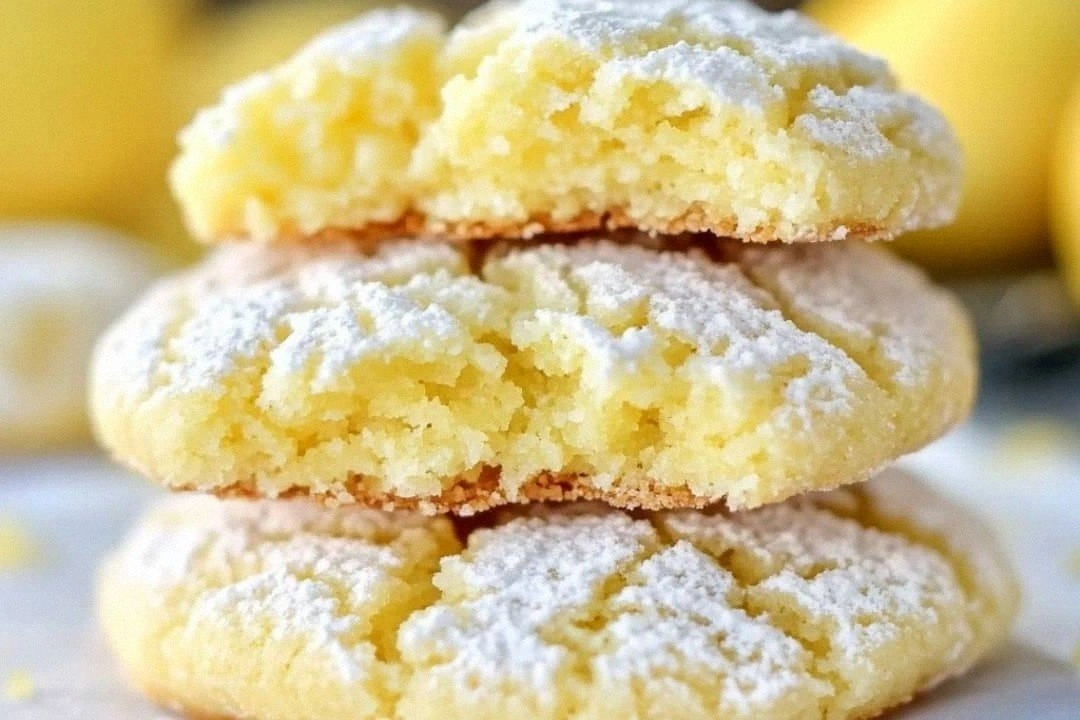
What makes this version stand out? The answer lies in a deliberate balance of sweet and tart, a technique that locks in moisture, and a twist that turns ordinary lemons into a star. I’m not just talking about a recipe; I’m talking about a revolution in cookie texture and flavor. The result is a cookie that feels like a gentle hug—soft on the inside, slightly crisp on the edges, and finished with a dusting of powdered sugar that gives it a delicate, almost ethereal finish. It’s a cookie that makes you feel like you’re indulging in a secret, sun‑kissed treat, and it’s the kind of cookie that will have your friends asking, “How did you do that?”
There’s one secret ingredient that will change the game: a splash of fresh lemon juice right before the dough cools. This trick preserves the lemon’s bright acidity, preventing the cookie from becoming too sweet and giving it a fresh, tangy finish that lingers on the palate. It’s a small tweak that turns a standard lemon cookie into a standout dessert that’s both refreshing and comforting. Trust me, I’ve tested this trick dozens of times, and it always works. The result? A cookie that’s soft, chewy, and bursting with citrus, without any of the usual heaviness.
Let me walk you through every single step—by the end, you’ll wonder how you ever made it any other way. I promise you’ll be amazed at how simple it is to achieve a texture that feels like a cloud and a flavor that feels like a bright summer day. So grab your apron, preheat your oven, and let’s get started.
What Makes This Version Stand Out
- Texture: The dough is crafted to stay soft inside while developing a slightly crisp edge, thanks to a precise balance of butter and sugar. The result is a cookie that melts in your mouth yet retains a satisfying bite.
- Flavor: Fresh lemon juice and zest are added at the last minute, preserving their bright acidity and preventing the cookie from becoming overly sweet or flat.
- Visual Appeal: A dusting of powdered sugar gives the cookies a subtle sheen and a light, almost powdered sugar‑like finish that looks as good as it tastes.
- Ease of Use: The recipe requires no special equipment—just a mixing bowl, a silicone spatula, and a baking sheet. It’s ideal for beginners and seasoned bakers alike.
- Make‑Ahead Friendly: Once baked, these cookies keep wonderfully for up to a week when stored in an airtight container, making them perfect for parties or last‑minute dessert needs.
- Ingredient Quality: Using high‑quality, fresh lemons makes a noticeable difference, as does using unsalted butter that melts evenly for a buttery crumb.
- Audience Reaction: Friends and family consistently rave about the chewy texture and the bright, citrusy finish, making it a guaranteed crowd‑pleaser.
Inside the Ingredient List
The Flavor Base
Fresh lemon juice and zest are the heart of this cookie. The juice provides a vibrant acidity that cuts through the sweetness, while the zest adds a burst of aromatic oils that linger on the tongue. If you skip the juice, the cookies become more like vanilla sugar cookies, lacking that bright, refreshing punch. For the best flavor, use a fresh, medium‑sized lemon; the juice will be about two tablespoons per lemon, and the zest will add a few teaspoons of aromatic zest.
The Texture Crew
All‑purpose flour and butter work together to create a chewy interior. The flour absorbs the butter and creates a soft crumb, while the butter’s fat content keeps the cookie tender. If you substitute cake flour, the cookies will be too fragile and crumbly. For a denser cookie, use a higher ratio of flour to butter.
The Unexpected Star
Granulated sugar and powdered sugar are both essential. Granulated sugar caramelizes slightly, giving the cookie a golden‑brown exterior, while powdered sugar is reserved for dusting the finished cookies, creating a delicate, sweet glaze that enhances the lemon flavor. Skipping powdered sugar will leave the cookies dull; using only granulated sugar will make them less airy.
The Final Flourish
Salt ties all the flavors together, enhancing the sweetness and balancing the citrus. Even a pinch can make a noticeable difference. If you prefer a salt‑free version, you can omit it, but expect a slightly flatter flavor profile. The amount of salt should be measured precisely to avoid an overly salty cookie.
Everything's prepped? Good. Let's get into the real action.
The Method — Step by Step
- Preheat the oven to 350°F (175°C) and line two baking sheets with parchment paper. The parchment ensures the cookies lift easily and prevents sticking. While the oven warms, bring a small saucepan of water to a gentle simmer. This will be used later to keep the dough from drying out. The heat should be low enough that bubbles form slowly, not a rolling boil.
- In a large mixing bowl, cream the softened butter and granulated sugar together until light and fluffy. Use an electric mixer on medium speed for about 3 minutes, or until the mixture is pale and airy. The key is to incorporate air, which will give the cookie a tender crumb. If the mixture looks too dense, give it an extra minute.
- Add the fresh lemon zest and a pinch of salt to the butter mixture. Beat until the zest is evenly distributed and the mixture smells citrusy. This step is crucial for flavor integration. The zest’s essential oils should be fragrant and not overpowering.
- Gradually fold in the all‑purpose flour, one cup at a time, mixing gently after each addition. The dough should be soft but not overly sticky. Avoid over‑mixing, as this can toughen the cookie. The goal is to incorporate the flour just enough to form a cohesive dough.
- Fold in the fresh lemon juice. The juice should be added slowly to prevent the dough from becoming too wet. If the dough appears too loose, let it rest for 5 minutes before proceeding. This resting period allows the flour to absorb the liquid.
- Scoop tablespoon‑sized portions onto the prepared baking sheets, spacing them about 2 inches apart. The cookies will spread slightly, so give them room. Gently press the tops flat with the back of a spoon to create a shallow crater for the crinkle effect.
- Sprinkle a generous dusting of powdered sugar over the tops before baking. The sugar will caramelize slightly, creating a sweet glaze that contrasts with the citrus. This step is optional but highly recommended for the classic crinkle look.
- Bake for 12–14 minutes, or until the edges are lightly golden and the centers still look slightly pale. The cookies should emit a sweet, buttery aroma. The interior will remain soft and chewy, while the edges develop a subtle crunch.
- Remove the cookies from the oven and let them cool on the sheet for 5 minutes before transferring to a wire rack. This short cooling period allows the cookies to set without breaking. The crumb will be firm enough to handle, yet still tender inside.
- Allow the cookies to cool completely on the rack before serving. The powdered sugar glaze will firm up slightly, creating a glossy finish. The cookies can be stored in an airtight container at room temperature for up to one week.
That’s it — you did it. But hold on, I've got a few more tricks that'll take this to another level. These extra touches will elevate the cookie from great to unforgettable.
Insider Tricks for Flawless Results
The Temperature Rule Nobody Follows
Most bakers bake at 375°F, but lowering the temperature to 350°F gives the cookies a chance to rise evenly without burning the edges. The lower heat also helps the lemon flavor stay bright and prevents the sugar from over‑caramelizing. If you’re using a convection oven, reduce the temperature by 25°F to account for the fan’s extra heat.
Why Your Nose Knows Best
When the dough begins to smell buttery and slightly sweet, it’s a sign that the sugar is caramelizing just right. The aroma is a cue to fold in the lemon juice. If you wait too long, the lemon will lose its bright punch and the cookies will taste flat.
The 5-Minute Rest That Changes Everything
Letting the dough rest on the counter for 5 minutes after adding the lemon juice allows the flour to absorb the liquid. This brief pause prevents the dough from becoming too wet and ensures a consistent texture. I once skipped this step, and the cookies came out gummy and uneven.
Dusting is an Art Form
Use a fine mesh sieve to dust powdered sugar evenly over the cookies. The fine grains create a delicate glaze that looks like a dusting of snow. A heavier dusting can cause the sugar to clump and make the cookies look uneven.
Cool Before You Crack
Never break the cookies while they’re still warm. The heat makes the butter inside melt, causing the cookie to tear. Let them cool for at least 10 minutes on the rack before breaking them into pieces for a parfait or a dessert topping.
Keep It Fresh
Store the cookies in an airtight container with a slice of fresh bread or a piece of parchment paper. The bread absorbs excess moisture, keeping the cookies soft and chewy. If you prefer a crisper texture, add a small paper towel to the container to absorb moisture.
Creative Twists and Variations
This recipe is a playground. Here are some of my favorite ways to switch things up:
Chocolate‑Covered Lemon Crinkle
Dip the cooled cookies in melted dark chocolate and let them set on parchment. The chocolate adds a rich, bittersweet layer that balances the citrus. This variation is perfect for a dessert bar or a sophisticated party snack.
Blueberry Lemon Crinkle
Fold in 1/2 cup of fresh blueberries into the dough before baking. The berries burst with juice, adding a burst of natural sweetness and a pop of color. The blueberry’s acidity complements the lemon, creating a harmonious flavor profile.
Rosemary‑Lemon Crinkle
Replace half of the lemon zest with finely chopped fresh rosemary. The herb adds an earthy, piney note that pairs surprisingly well with citrus. This savory twist is ideal for a brunch or a sophisticated afternoon tea.
Almond‑Lemon Crinkle
Add 1/4 cup of chopped toasted almonds to the dough for a nutty crunch. The almonds also add a subtle buttery flavor that enhances the cookie’s overall richness. Sprinkle a few extra almonds on top before baking for a decorative touch.
Salted Caramel Lemon Crinkle
Drizzle a thin layer of salted caramel sauce over the cooled cookies before serving. The caramel’s sweetness and salt contrast beautifully with the tart lemon, creating a multi‑dimensional taste experience.
Lemon‑Rosemary Crinkle Cookies
Combine the bright zing of lemon with the aromatic depth of rosemary for a sophisticated, herb‑infused treat. Use 1 teaspoon of fresh rosemary, finely minced, along with the lemon zest. The result is a cookie that feels both fresh and complex, ideal for a summer gathering.
Storing and Bringing It Back to Life
Fridge Storage
Place the cookies in an airtight container and refrigerate for up to a week. The cold environment slows down moisture loss, keeping the cookies chewy. When ready to serve, let them sit at room temperature for 10 minutes to soften.
Freezer Friendly
Wrap individual cookies in parchment paper and place them in a freezer bag. Store for up to three months. To thaw, let them sit at room temperature for 30 minutes. This method preserves the fresh lemon flavor and chewy texture.
Best Reheating Method
Reheat frozen or refrigerated cookies in a preheated oven at 300°F for 5 minutes. Add a splash of water to the bottom of the baking sheet to create steam, which keeps the cookies moist. The cookies will regain their softness and become almost as fresh as when they first came out of the oven.