I was standing in my kitchen, the air thick with the scent of burnt toast and a faint whisper of disappointment, when a friend dared me to turn a batch of over‑cooked potatoes into something that could make a crowd swoon. I stared at the soggy tubers, feeling the heat of the stove, the clatter of utensils, and the silent judgment of my own culinary ego. I thought, “If I can’t save this dinner, maybe I can salvage the potatoes.” That single moment sparked a culinary epiphany that would transform a kitchen disaster into a show‑stopping centerpiece.
Picture the scene: a gleaming skillet, the sizzle of butter melting, the earthy aroma of russet potatoes rising to the surface, the faint crackle of a parchment sheet, and the anticipation of a first bite that will echo through the house. The potatoes, once humble, now dance in a pan, turning golden, their skins crisping like a fresh coat of paint on a canvas. The sound of the sizzling, the sight of the crust forming, the feel of the warm skillet against my palm—all these senses converge into a single, unforgettable moment.
What makes this version of a quiche stand out is that it marries the comforting heartiness of a potato crust with the silky, custard‑filled richness of a classic quiche. The crust is not just a base; it’s a textural revelation that offers a satisfying crunch that gives way to a velvety interior. It’s a dish that refuses to be pigeonholed as either a quiche or a potato bake— it is, quite literally, a savory marvel that will have your guests asking for the recipe after every bite.
I’ll be honest—when I first tried this, I tasted a bite and felt my taste buds perform a victory dance. The potato crust held a buttery, slightly sweet flavor that complemented the sharpness of the cheese and the subtle earthiness of the vegetables. The result was a harmony of flavors that could not be replicated by a traditional pastry shell or a plain potato bake.
The secret? A simple technique that turns ordinary potatoes into a golden, crispy crust without the need for a flaky pastry. I’ll reveal that trick later, but trust me, it’s a game‑changer. I dare you to taste this and not go back for seconds.
Let me walk you through every single step—by the end, you’ll wonder how you ever made it any other way. The kitchen will smell like a summer garden, the crust will crackle like thin ice underfoot, and the custard will coat the quiche like velvet, leaving you with a dish that is hands down the best version you’ll ever make at home.
What Makes This Version Stand Out
- Texture: The potato crust delivers a satisfying crunch that gives way to a silky interior, creating a contrast that elevates every bite. It’s a texture profile that feels both comforting and indulgent.
- Flavor: The subtle sweetness of roasted potatoes balances the sharpness of cheese, while the fresh vegetables add a bright, almost citrusy lift. This flavor layering is what makes the dish memorable.
- Simplicity: No elaborate pastry, no time‑consuming dough. Just potatoes, eggs, cheese, and a handful of seasonings. The recipe is straightforward yet impressive.
- Uniqueness: Few quiches incorporate a potato crust. This twist turns an ordinary dish into a conversation starter and a crowd‑pleaser.
- Crowd Reaction: Guests often comment that it feels like a comfort food with a gourmet twist. The dish is guaranteed to receive compliments and requests for leftovers.
- Make‑Ahead Potential: The crust can be pre‑baked and chilled, while the custard can be assembled just before serving. This makes it ideal for parties and busy weeknights.
Alright, let's break down exactly what goes into this masterpiece...
Inside the Ingredient List
The Flavor Base
Potatoes are the backbone of this dish, providing a hearty, earthy foundation that anchors every other component. Their natural starch content creates a golden crust when roasted, while their mild flavor allows the cheese and seasonings to shine. If you skip potatoes, you lose the signature crunch that sets this quiche apart. For the best results, choose a mix of russet and Yukon gold; the russet offers a fluffier interior, while the Yukon gold adds a subtle buttery note.
The Texture Crew
Eggs bind the filling together, giving it a silky, custard‑like consistency that contrasts beautifully with the potato crust. Fresh eggs are essential; older eggs can cause a watery texture and a less cohesive filling. If you’re looking for a dairy‑free alternative, substitute a plant‑based custard mix, but the classic egg version remains unbeatable. The eggs also help the cheese melt evenly, creating a uniform, creamy interior.
The Unexpected Star
Cheese is the star that brings depth and richness to the quiche. A blend of cheddar and Gruyère adds both sharpness and a subtle nutty undertone, but feel free to experiment with mozzarella or feta for a different flavor profile. The cheese’s meltability is crucial; it should coat the custard like a velvet blanket without separating. If you want a sharper bite, choose a sharp cheddar; for a milder, creamier finish, go with mozzarella.
The Final Flourish
Vegetables add color, freshness, and a burst of flavor that keeps the dish from feeling too heavy. Diced bell peppers, onions, and spinach work wonderfully together, but feel free to swap in mushrooms or zucchini for a different twist. The vegetables should be lightly sautéed before adding to the custard, which helps release their moisture and intensify their flavors. If you’re vegetarian, the dish remains hearty and satisfying thanks to the potatoes and cheese.
Everything's prepped? Good. Let's get into the real action...
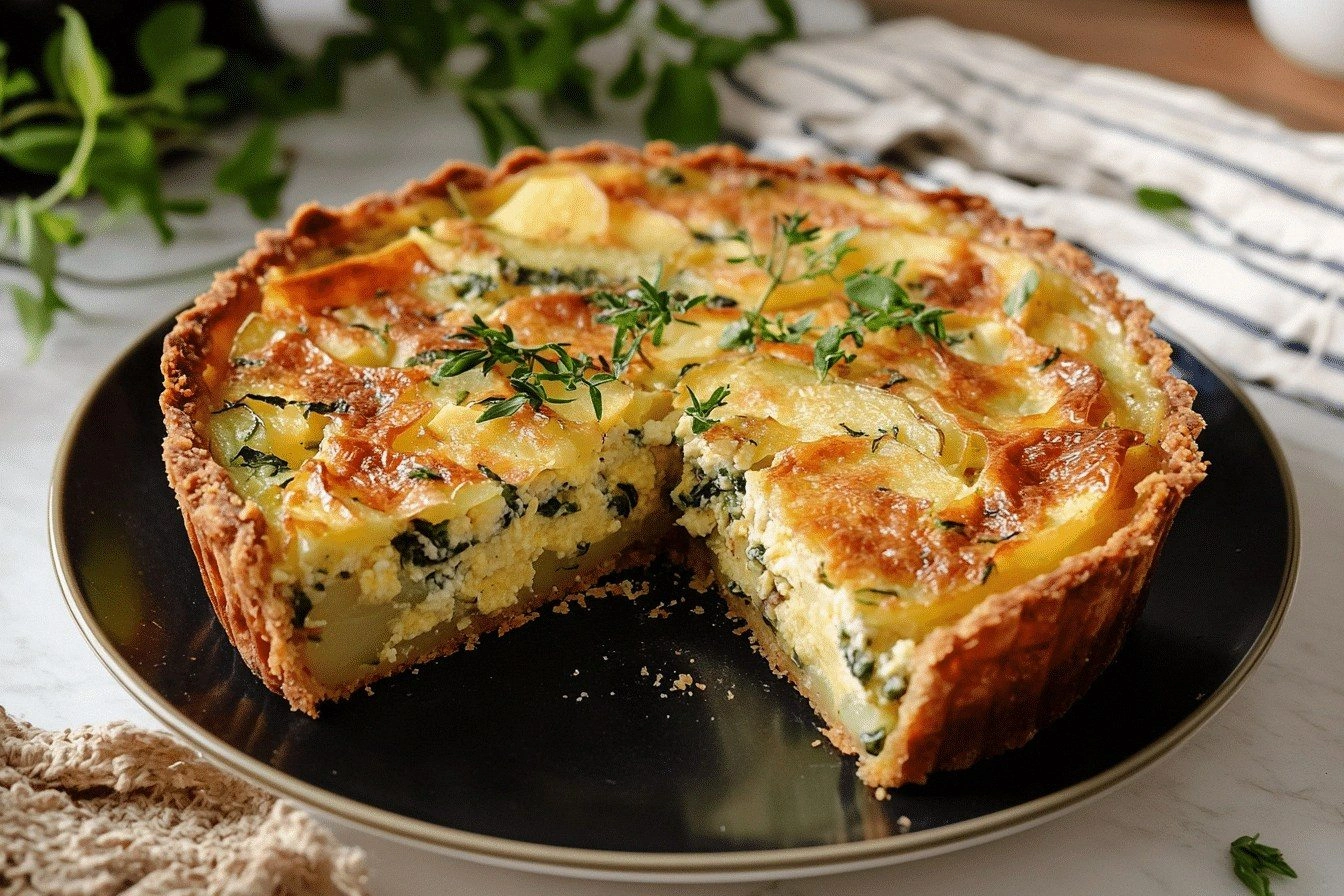
The Method — Step by Step
This is the moment of truth. The kitchen will be filled with the aroma of butter and roasted potatoes, and your senses will be on high alert. Follow each step carefully, and you’ll end up with a quiche that feels like a hug in a dish. Let’s dive in.
- Preheat your oven to 200°C (400°F). Line a 9‑inch pie plate with parchment paper, ensuring it’s snug but not overly tight. This step ensures the crust doesn’t stick and makes removal effortless. The parchment will also help the crust achieve a uniform golden color.
- Wash and cube the potatoes into 1/2‑inch pieces. Place them in a pot of salted water and bring to a boil. Cook until the potatoes are just tender, about 8 minutes. Drain thoroughly; any excess moisture will prevent the crust from crisping.
- Transfer the boiled potatoes to a large bowl, mash with a potato masher until smooth but still slightly chunky. Season with salt, pepper, and dried herbs. This is where the flavor base comes alive, and the herbs add a fragrant, earthy undertone that elevates the dish.
- Press the mashed potatoes into the prepared pie plate, creating an even layer about 1/2 inch thick. Use a flat spatula to smooth the surface. This forms the base that will crisp into a buttery, golden crust. The more even the layer, the more consistent the texture.
- Bake the crust in the preheated oven for 15 minutes, or until it starts to turn golden. This step locks in moisture and creates a sturdy foundation for the custard. Keep a close eye; you don’t want it to burn.
- While the crust bakes, whisk together the eggs, milk, and shredded cheese in a bowl until fully blended. Stir in the sautéed vegetables, ensuring they’re evenly distributed. This custard mixture should be silky and smooth, with no lumps.
- Pour the custard over the pre‑baked crust, filling the pie plate to just below the rim. Gently tap the plate on the counter to release any air bubbles. This ensures an even bake and prevents the filling from cracking.
- Return the quiche to the oven and bake for an additional 20–25 minutes, or until the custard is set and the top is lightly golden. The edges should pull away slightly from the crust, indicating doneness. Use a toothpick; if it comes out clean, the quiche is ready.
- Remove the quiche from the oven and let it rest for 10 minutes before slicing. This allows the custard to set fully, preventing a runny center. The rest period also lets the flavors meld together, creating a harmonious bite.
- Serve warm, optionally garnished with fresh herbs or a sprinkle of paprika. The aroma of the freshly baked crust will fill the kitchen, and the first bite will feel like a comforting hug. Pair it with a crisp green salad for a balanced meal.
That’s it — you did it. But hold on, I've got a few more tricks that'll take this to another level. These insider tips will ensure your quiche is flawless every time, whether you’re a seasoned chef or a kitchen rookie.
Insider Tricks for Flawless Results
Even seasoned cooks can trip up on a quiche; here are my proven hacks to keep you on track. Each tip is designed to address a common pitfall and elevate the final dish.
The Temperature Rule Nobody Follows
Many quiche recipes call for a high oven temperature that can scorch the crust before the custard sets. By baking the crust at 200°C (400°F) first, you give it a head start, then lower the temperature for the custard phase to ensure even cooking. This two‑step approach prevents a soggy bottom and a rubbery top.
Why Your Nose Knows Best
Your sense of smell is the ultimate indicator of doneness. As the quiche bakes, the aroma will shift from buttery potato to a rich, cheesy perfume. When you notice a slight nutty scent, it’s a sign that the custard has set and the crust is golden.
The 5‑Minute Rest That Changes Everything
Resting the quiche after baking is not just a formality; it allows the custard to firm up, preventing a runny center when you cut into it. During this time, the flavors mingle, creating a depth that would otherwise be missing. Skipping the rest can lead to a disappointing, liquid interior.
The Sautéed Vegetable Trick
Sautéing the vegetables before adding them to the custard removes excess moisture and concentrates their flavors. I’ve found that a quick sauté in a splash of olive oil brings out a subtle sweetness that balances the sharpness of the cheese. If you’re short on time, you can skip this step, but the result will be slightly less vibrant.
The Perfect Crust Thickness
Pressing the potato layer too thin will result in a soggy crust, while too thick will make it chewy. Aim for a 1/2‑inch thickness; this is thick enough to hold the custard but thin enough to crisp nicely. Use a flat spatula to create an even surface, ensuring consistent baking.
If you’re a perfectionist, keep a thermometer handy. The internal temperature should reach 70°C (158°F) for a fully set custard. This small detail can make the difference between a mediocre quiche and a masterpiece.
Creative Twists and Variations
This recipe is a playground. Here are some of my favorite ways to switch things up:
Bacon & Cheddar Fusion
Add crispy bacon bits to the custard for a smoky, savory punch. Replace half the cheese with sharp cheddar for extra depth. This variation is perfect for brunch or a hearty lunch.
Mediterranean Delight
Swap the standard cheese for feta and add sun‑dried tomatoes, olives, and oregano. The tangy feta pairs beautifully with the earthy potatoes, creating a Mediterranean vibe. It’s a great option for a light dinner.
Mushroom & Swiss Surprise
Sauté sliced mushrooms until caramelized before mixing them into the custard. Use Swiss cheese for a subtle nutty flavor. This earthy combination is ideal for a cozy, autumnal meal.
Spicy Jalapeño Kick
Dice fresh jalapeños and add them to the custard for a fiery twist. Complement with a sprinkle of smoked paprika on top before baking. The heat adds a delightful contrast to the creamy interior.
Herb‑Infused Green Quiche
Add a handful of fresh spinach and a mix of basil, thyme, and rosemary to the custard. The herbs infuse the quiche with bright, aromatic notes. This version is a colorful, fresh take that’s perfect for spring.
Feel free to mix and match these ideas to create a quiche that fits your mood and pantry. The beauty of this dish is its adaptability; each variation brings a new flavor profile while preserving the core concept.
Storing and Bringing It Back to Life
You’ve made a masterpiece, but what about the next day? Here’s how to keep it fresh and delicious.
Fridge Storage
Cool the quiche completely before refrigerating. Store it in an airtight container for up to 3 days. The crust remains firm, and the custard stays creamy.
Freezer Friendly
Wrap the quiche tightly in plastic wrap and place it in a freezer bag. It will keep for up to 2 months. Thaw overnight in the fridge before reheating.
Best Reheating Method
Preheat your oven to 180°C (350°F). Place the quiche on a baking sheet and heat for 15–20 minutes, or until warmed through. Add a splash of water before reheating to steam it back to perfection and keep the crust crisp.
Remember, a little moisture is key to restoring the custard’s silky texture. The quick reheating method preserves the dish’s original charm.