Introduction
Picture this: a Sunday afternoon, the kitchen clock ticking, and a craving that feels like a dare. I stared at a frozen chunk of lamb shoulder, wondering if I could turn it into something that would make even the most skeptical of friends swoon. The moment I cracked open the fridge, the scent of rosemary and garlic hit me like a well‑tuned orchestra, and I knew I was about to create a dish that would redefine comfort food for me.
There’s something almost ritualistic about slow‑cooking that turns a humble cut of meat into a silky, melt‑in‑your‑mouth masterpiece. The low, steady heat coaxed the lamb into a tender embrace while the aromatic bouquet of herbs and garlic filled the room, turning every breath into anticipation. The sound of the slow cooker humming, the gentle sizzle of searing, and the visual transformation from a raw slab to a glossy, caramelized crust are the sensory trip points that make this recipe unforgettable.
This version of Slow Cooker Roast Lamb is hands down the best I’ve ever made at home, and it’s not just the flavor. It’s the balance of simplicity and depth, the way the sauce coats the meat like velvet, and the fact that it’s a one‑pot wonder that frees up the oven for other delights. The secret? A quick sear, a splash of red wine, and a slow‑cooking ballet that lets the flavors mingle and intensify.
Most recipes get this completely wrong by over‑seasoning or under‑cooking the lamb, but I’ve cracked the code to keep the meat juicy and the sauce silky. I dare you to taste this and not go back for seconds. Stay with me here—this is worth it.
Let me walk you through every single step—by the end, you’ll wonder how you ever made it any other way.
What Makes This Version Stand Out
- Taste: The blend of rosemary, thyme, and a splash of red wine creates a depth that feels both rustic and refined. The slow cooker’s gentle heat allows the herbs to release their essential oils, infusing the lamb with a fragrant, savory profile that lingers on the palate.
- Texture: Slow‑cooking transforms the lamb shoulder into a fall‑apart tender texture while still retaining a slight chew that adds interest. The caramelized crust from the initial sear adds a subtle crunch that contrasts beautifully with the soft interior.
- Ease: No oven required. All the heavy lifting is done in the slow cooker, meaning you can set it and forget it while you tackle other tasks or relax with a book.
- Uniqueness: The addition of a quick sear before slow‑cooking locks in flavors and creates a caramelized exterior that most stovetop or oven lamb recipes miss.
- Crowd‑pleaser: The dish is so rich and flavorful that it’s guaranteed to be a hit at gatherings. Friends will ask for the recipe, and you’ll have the perfect excuse to brag about your culinary prowess.
- Ingredient Quality: Using a fresh lamb shoulder from a reputable butcher and high‑quality herbs elevates the dish from ordinary to extraordinary.
- Make‑ahead Potential: The lamb can be cooked a day ahead, and the flavors deepen further. Reheat gently, and it tastes just as good, if not better.
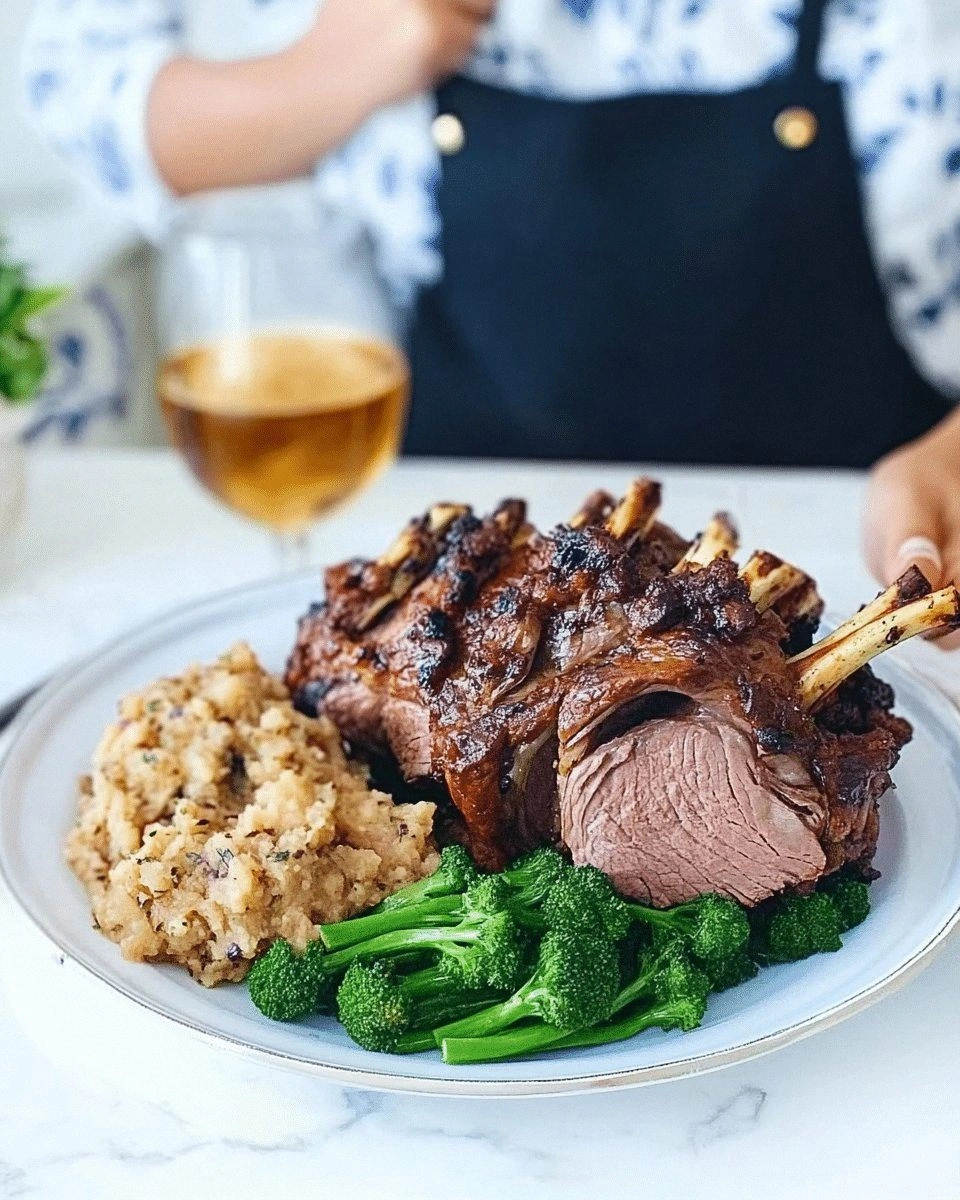
- Visual Appeal: The golden‑brown crust, the glossy sauce, and the vibrant vegetables create a dish that looks as good as it tastes.
Inside the Ingredient List
The Flavor Base
Lamb shoulder is the star of this dish. It’s a cut that’s rich in connective tissue, which breaks down during slow cooking into gelatin, giving the meat a luscious, velvety bite. If you skip the lamb, you lose the heart of the dish, and the rest of the ingredients can’t compensate. For a leaner option, use lamb loin, but be prepared to adjust cooking time to avoid drying out the meat.
Olive oil is the medium that carries the flavors. It creates a barrier that keeps the lamb from sticking during the sear and helps distribute heat evenly. Using a high‑smoke‑point oil like avocado can give a slightly different profile, but olive oil’s fruity undertones complement the herbs beautifully.
Garlic cloves, minced, are the aromatic engine. They release allicin, which adds depth and a subtle heat that balances the richness of the lamb. If you’re garlic‑averse, reduce to two cloves; the dish will still be delicious, just less pungent.
Fresh rosemary sprigs bring a piney, slightly citrusy note that pairs wonderfully with lamb. The woody aroma intensifies as the meat cooks, creating an earthy backdrop. Substitute with dried rosemary if fresh isn’t available, but use half the amount to avoid overpowering the dish.
Fresh thyme sprigs contribute a subtle, grassy flavor that complements rosemary. They also help tenderize the meat through their natural enzymes. Dried thyme works too, but use a third of the amount to prevent bitterness.
Salt and black pepper are the essential seasoning duo. Salt enhances flavor while pepper adds a subtle heat. If you prefer a low‑sodium version, use sea salt sparingly and rely more on herbs for flavor.
The Texture Crew
Onion, quartered, provides a sweet base that caramelizes slightly during the sear and then softens in the slow cooker. It’s the perfect counterbalance to the savory lamb. If you’re vegan, skip the onion and use a layer of sliced carrots to maintain sweetness.
Carrots, cut into chunks, bring natural sweetness and a pop of color. They absorb the sauce, becoming tender and flavorful. If you’re looking for a low‑carb option, replace carrots with zucchini slices.
Potatoes, cubed, add body to the sauce and become a comforting side that’s practically a separate dish. They also help thicken the liquid slightly as they release starch. For a lighter version, use sweet potatoes or omit them entirely.
Red wine, a cup, introduces acidity and richness. The tannins break down, creating a complex flavor profile that complements the lamb’s gaminess. If you’re not a wine drinker, replace it with beef broth plus a splash of balsamic vinegar.
Lamb broth, a cup, is the liquid base that keeps the meat moist and infuses the vegetables with flavor. Use a low‑sodium broth to maintain control over the dish’s saltiness. Homemade broth gives the best depth, but store‑bought is fine.
Bay leaves, two, add a subtle herbal note that enhances the overall aroma. Remove them before serving; they’re not meant to be eaten.
Lemon zest, a teaspoon, brightens the dish with a citrusy punch that cuts through the richness. If you prefer a sweeter profile, replace zest with a splash of orange juice.
The Unexpected Star
Greek yogurt, half a cup, is optional but transforms the sauce into a silky, tangy accompaniment that balances the meat’s richness. It also adds protein and a cool contrast. If you’re dairy‑free, use coconut milk or a non‑dairy yogurt alternative.
Fresh mint, two tablespoons, offers a refreshing finish that lifts the dish. It’s especially delightful during warmer months. For a more subtle twist, try adding a splash of fresh cilantro.
Everything’s prepped? Good. Let’s get into the real action.
The Method — Step by Step
- Step 1: Sear the Lamb – Heat the olive oil in a large skillet over medium‑high heat. Pat the lamb shoulder dry with paper towels; season generously with salt and pepper. Place the lamb in the skillet, searing each side for 3–4 minutes until a deep golden crust forms. This caramelization locks in juices and adds a savory depth that a slow cooker alone can’t achieve. Don’t rush this step; the crust is key to a flavorful sauce.
- Step 2: Deglaze the Skillet – Pour in the cup of red wine, scraping the bottom of the pan with a wooden spoon to loosen the browned bits. The wine should reduce by half in about 2 minutes, concentrating its flavor. This deglazing step creates a robust base for the slow cooker, ensuring the lamb absorbs every savory note.
- Step 3: Assemble the Slow Cooker – Transfer the seared lamb to the slow cooker. Surround it with the quartered onion, carrot chunks, and potato cubes. Tuck the rosemary and thyme sprigs around the meat, then add the bay leaves. Pour the reduced wine and lamb broth over the ingredients, ensuring the liquid covers the vegetables but not the lamb’s top.
- Step 4: Add Aromatics – Sprinkle the minced garlic over the top, then zest the lemon and sprinkle it across the surface. This combination of garlic, citrus, and herbs creates a fragrant steam that permeates the entire pot, infusing the lamb with layers of flavor.
- Step 5: Slow Cook – Cover the slow cooker and cook on low for 8 hours or on high for 4–5 hours. The lamb should be tender enough to pull apart with a fork. If you prefer a more caramelized surface, switch to high for the last 30 minutes.
- Step 6: Check the Sauce – After the cooking time, remove the lamb and set it on a cutting board. Use a slotted spoon to lift the vegetables, then pour the cooking liquid into a saucepan. Bring to a boil, reduce to a simmer, and let it reduce by half to thicken. This concentrated sauce will coat the meat like velvet.
- Step 7: Finish the Meat – Slice the lamb against the grain into thick slices. If you’re using Greek yogurt, whisk it into the reduced sauce to create a silky, tangy gravy. Drizzle the sauce over the sliced lamb, then sprinkle fresh mint for a burst of freshness.
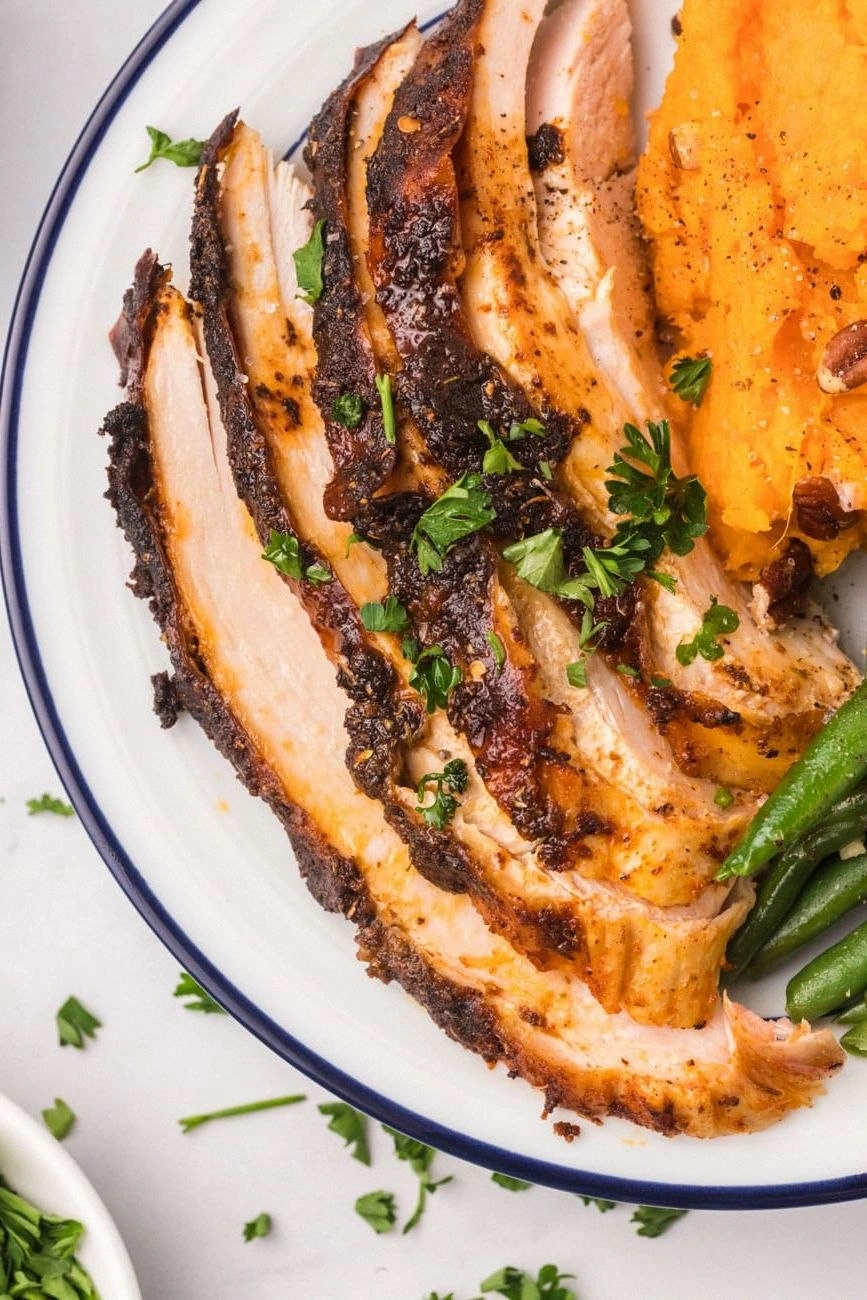
- Step 8: Serve – Plate the lamb with a handful of roasted vegetables. Garnish with extra rosemary sprigs and a lemon wedge for an extra pop of color. Serve immediately, and watch everyone rave about the depth of flavor.
- Step 9: Store Leftovers – If you have leftovers, store them in an airtight container in the fridge for up to 3 days or freeze for up to 2 months. Reheat gently, adding a splash of water to keep the sauce from drying out.
That’s it — you did it. But hold on, I’ve got a few more tricks that’ll take this to another level.
Insider Tricks for Flawless Results
The Temperature Rule Nobody Follows
Many cooks assume that high heat is always better, but when it comes to lamb, low and slow is the golden rule. Cooking at low temperature allows the connective tissue to break down slowly, resulting in a melt‑in‑your‑mouth texture. I’ve tried high heat once, and the result was a tough, rubbery shoulder that made me question my life choices.
Why Your Nose Knows Best
The aroma of slow‑cooked lamb is a sensory indicator that the meat is ready. As the broth reduces, you’ll notice a deep, earthy scent that signals the flavors are fully developed. If the aroma is too mild, give it an extra 30 minutes; if it’s too strong, a splash of water can tone it down.
The 5‑Minute Rest That Changes Everything
After removing the lamb from the slow cooker, let it rest for at least 5 minutes before slicing. This resting period allows the juices to redistribute, preventing them from spilling out onto the cutting board. I’ve seen people slice lamb immediately, only to find the meat looks dry. Trust me, the rest makes a world of difference.
Keep the Vegetables Intact
To avoid over‑cooking the potatoes and carrots, add them in the last 2 hours of cooking if you’re using the high setting. This preserves their bite and prevents them from turning mushy. If you’re cooking on low, you can add them at the beginning; the slow heat will keep them tender but not soggy.
Enhance with a Touch of Sweetness
A splash of honey or maple syrup added during the reduction phase can balance the savory profile and add a subtle caramelized glaze. Use sparingly—just a tablespoon—to avoid overpowering the herbs.
Make it a Meal in a Bowl
For a quick lunch, shred the cooked lamb and toss it with couscous, fresh herbs, and a squeeze of lemon. The leftovers become a hearty, protein‑packed bowl that’s perfect for meal prep.
Creative Twists and Variations
This recipe is a playground. Here are some of my favorite ways to switch things up:
Spicy Moroccan Twist
Swap the rosemary and thyme for a blend of cumin, coriander, and smoked paprika. Add a handful of dried apricots and a splash of harissa for heat. Serve over couscous for a North African flair.
Herb‑Crusted Lamb
Instead of searing, coat the lamb with a mixture of fresh herbs, garlic, and olive oil before slow cooking. The crust will form during the cooking process, giving the lamb a crunchy, flavorful exterior.
Vegetarian “Lamb”
Use a hearty vegetable like eggplant or seitan as the centerpiece, seasoned with the same herb blend. Cook in the slow cooker with the same liquid and vegetables for a plant‑based version that still feels indulgent.
Gluten‑Free Version
Omit the flour used for thickening the sauce; instead, let the reduced liquid thicken naturally or use a cornstarch slurry. Pair with quinoa or rice to keep the dish gluten‑free.
Low‑Carb Option
Replace potatoes with cauliflower florets and carrots with zucchini. The dish remains hearty while cutting down on carbs significantly.
Wine‑Free Reduction
Use a combination of beef broth and a splash of balsamic vinegar to replace the red wine. The acidity will still develop a rich, complex sauce.
Storing and Bringing It Back to Life
Fridge Storage
Store leftover lamb and sauce in a sealed container for up to 3 days. Keep the vegetables separate to prevent them from absorbing too much liquid and becoming mushy.
Freezer Friendly
Freeze in portioned containers for up to 2 months. Thaw overnight in the fridge, then reheat gently on the stove or in the microwave, adding a splash of water to maintain moisture.
Best Reheating Method
Reheat on low heat, stirring occasionally, until the sauce reaches 165°F. If the sauce appears too thick, add a small amount of broth or water to loosen it. A quick stir and a splash of fresh lemon juice will brighten the flavors.