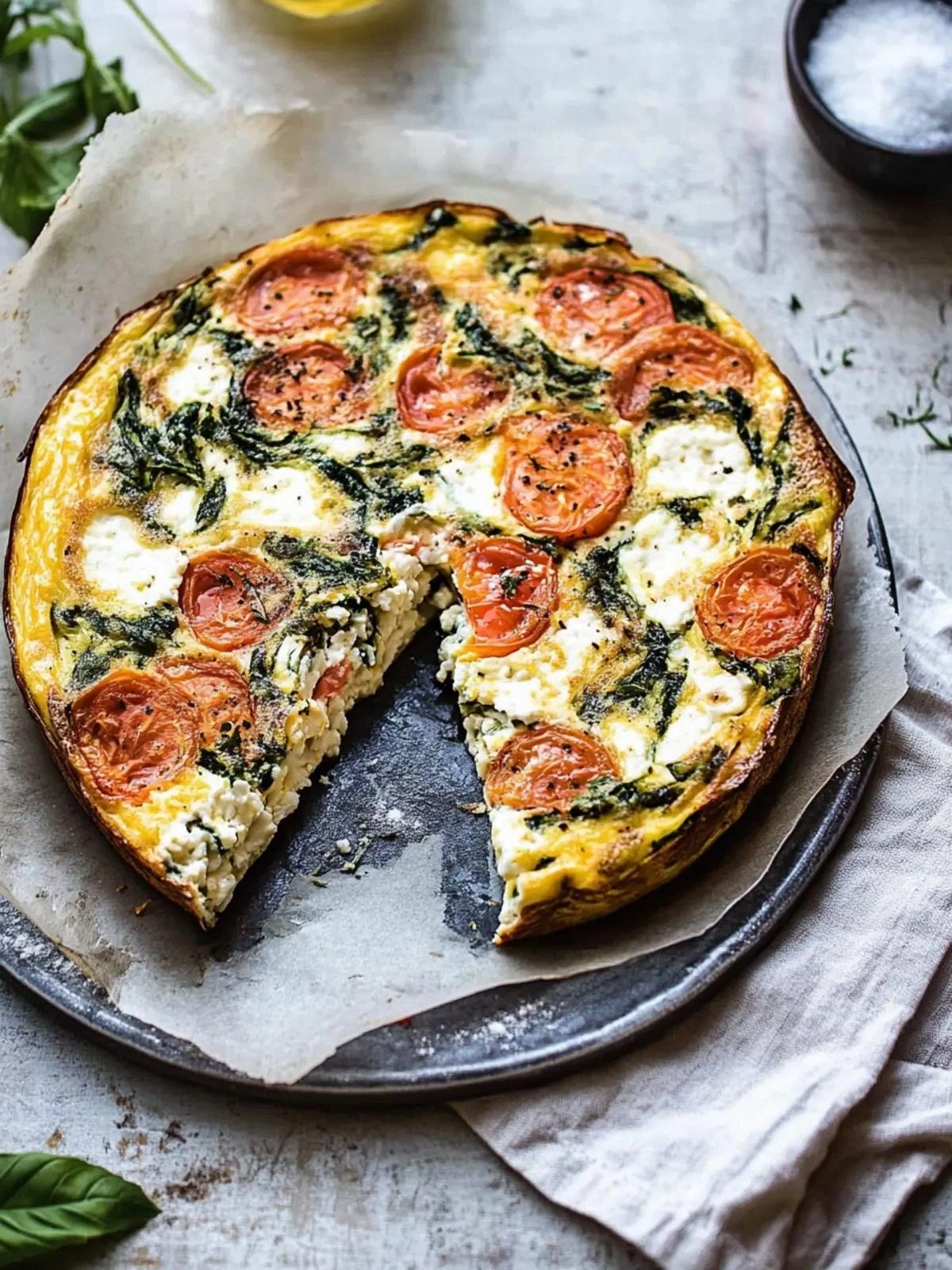
Picture this: I’m standing in my kitchen, the clock ticking toward the 8 a.m. rush, when a rogue egg splatters onto the countertop and the whole room smells of burnt yolk. The disaster was almost a culinary tragedy, until a friend dared me to turn that chaos into a dish that would make everyone swoon. I was skeptical—how could a sheet pan, cottage cheese, and a handful of veggies transform into a breakfast that feels like a sunrise? But the moment the first egg hit the pan, something miraculous happened, and that’s the spark behind this recipe.
The first bite is a revelation: the eggs are tender, almost custardy, and the cottage cheese melts into a creamy blanket that clings to every bite. The fresh spinach gives a pop of green that feels like a breath of spring, while the bell peppers add a sweet crunch that dances on the palate. The cheddar melts into golden ribbons that create a subtle, smoky undertone, and the peppered salt provides a gentle heat that wakes the senses. The aroma is a comforting hug—rich, buttery, and slightly smoky, like a cozy kitchen on a rainy day.
What makes this version stand out is that it’s not just another scrambled egg recipe; it’s a symphony of textures and flavors that elevate a humble sheet pan into a showstopper. I’ve stripped away the unnecessary fuss, keeping the ingredients honest and the technique straightforward, yet the result is a dish that feels like it was crafted by a chef. The secret lies in the balance of moisture and crispness, the layering of flavors, and the use of high‑quality cottage cheese that adds depth without overpowering. If you’re tired of the same old breakfast routine, this will change your perspective on what a sheet pan can do.
And there’s a twist you won’t expect: a splash of milk or heavy cream that turns the eggs into silky ribbons, and a final burst of cheese that caramelizes into a golden crust. I’ll walk you through every single step, from the first pre‑heat to the last garnish, and by the end you’ll wonder how you ever made it any other way. Let me show you how to turn a simple sheet pan into a breakfast masterpiece that will have everyone asking for seconds.
What Makes This Version Stand Out
- Texture: The eggs are folded into a custard‑like consistency that clings to the sheet pan, creating a silky mouthfeel that melts in your mouth. The contrast between the soft interior and the slightly crisp edges is a sensory delight.
- Flavor: A subtle peppery kick from the black pepper balances the mildness of the cottage cheese, while the cheddar adds a smoky depth that lingers long after the first bite.
- Freshness: The spinach and bell peppers bring a bright, vegetal note that keeps the dish from feeling heavy, giving it a fresh, almost salad‑like quality.
- Visual Appeal: The golden crust and vibrant green spinach make the plate pop, turning a simple breakfast into a feast for the eyes.
- Ease: With a single sheet pan, a spray of oil, and a handful of ingredients, you can whip up a protein‑packed meal in under 30 minutes—no fancy equipment required.
- Versatility: Whether you’re a meat lover or a vegetarian, this dish adapts to your preferences with easy swaps and additions.
- Nutrition: Packed with protein and healthy fats, it keeps you full and energized throughout the morning, making it a smart choice for busy days.
Alright, let's break down exactly what goes into this masterpiece…
Inside the Ingredient List
The Flavor Base
At the heart of this dish lies the eggs, which provide a rich, protein‑dense foundation. When beaten lightly, they form a silky custard that coats every surface of the sheet pan. Skipping the eggs would turn this into a simple frittata, losing the luxurious mouthfeel that makes it unforgettable. If you prefer a lower cholesterol option, you can replace whole eggs with an egg white mixture, though the texture will shift slightly.
The Texture Crew
Cottage cheese is the star of the texture crew, offering a creamy, slightly grainy consistency that melts into a velvety sauce. The milk or heavy cream adds moisture, preventing the eggs from drying out and creating a luscious, silky finish. A pinch of salt and pepper are essential to enhance each component, but if you’re watching sodium, a low‑sodium salt works perfectly. The spinach and bell peppers introduce a burst of crunch and a pop of color, balancing the dish’s heaviness with a fresh bite.
The Unexpected Star
The shredded cheddar or mozzarella adds a gooey, melty layer that caramelizes on the edges, creating a golden crust that’s both savory and slightly sweet. If you’re a fan of sharper cheeses, a sprinkle of Parmesan can elevate the flavor profile without overpowering the delicate balance. Skipping the cheese would result in a more watery texture, so don’t be tempted to leave it out for a “lighter” version.
The Final Flourish
A light spray of cooking oil or a drizzle of olive oil before baking ensures the edges crisp up just enough to give that satisfying crunch. This small addition also prevents the eggs from sticking to the pan, making cleanup a breeze. If you’re vegan, a splash of nutritional yeast can replace the cheese, adding a nutty flavor while keeping the dish plant‑based. The final touch is a sprinkle of fresh herbs, which brightens the dish and adds a fragrant finish.
Everything's prepped? Good. Let's get into the real action…

The Method — Step by Step
- Preheat the oven: Set your oven to 375°F (190°C) and allow it to come to temperature while you prepare the ingredients. This ensures even cooking and a perfectly golden crust. A preheated oven also helps the eggs set quickly, preventing a runny center. While the oven warms, lightly grease a 9x13 inch sheet pan with cooking spray or a brush of olive oil.
- Whisk the eggs: In a large bowl, crack all eight eggs and whisk them until the whites and yolks are fully blended. Add the milk or heavy cream, then season with half a teaspoon of salt and a quarter teaspoon of black pepper. Whisk again until the mixture is smooth and slightly frothy, which will help create a fluffy texture in the pan. If you prefer a richer flavor, use heavy cream instead of milk.
- Add the cheeses: Stir in the cup of cottage cheese until it’s evenly distributed throughout the egg mixture. The cottage cheese will melt into silky ribbons that coat each bite. Then fold in the shredded cheddar or mozzarella, ensuring an even coating for that caramelized crust. The cheese also adds a subtle nutty flavor that balances the mildness of the eggs. This step is crucial for achieving the signature gooey texture.
- Incorporate the vegetables: Gently fold in the cup of fresh spinach and half a cup of diced bell peppers. The spinach wilts quickly, releasing a subtle earthy flavor, while the peppers add a bright, sweet crunch. Make sure the vegetables are evenly distributed to avoid pockets of raw veggies. This step also adds a pop of color that makes the dish visually appealing.
- Watch the edges: Pour the mixture onto the greased sheet pan, spreading it evenly. The eggs should form a smooth layer, about 1/2 inch thick. Keep an eye on the edges—when they start to pull away from the pan, it’s a sign that the eggs are set. If you notice the edges turning too dark, reduce the oven temperature by 25°F (about 14°C) to prevent burning. This trick ensures a perfect golden crust.
- Finish the bake: Bake for 12–15 minutes, or until the eggs are set and the top is lightly browned. The cheese should be bubbling and the edges golden. Remove the pan from the oven and let it rest for 3 minutes before cutting. This resting period allows the custard to firm up, making slicing easier and preventing a messy mess.
- Serve and enjoy: Slice the sheet pan into squares or wedges and plate them on a warm dish. Garnish with fresh herbs or a drizzle of olive oil for an extra burst of flavor. Serve immediately for the best texture, or let it cool for a later grab‑and‑go breakfast. This dish pairs wonderfully with a side of fruit or a light salad to round out the meal. And there you have it—an unforgettable breakfast that’s ready in no time.
That's it — you did it. But hold on, I've got a few more tricks that'll take this to another level…
Insider Tricks for Flawless Results
The Temperature Rule Nobody Follows
Many cooks think a higher oven temperature always gives a crisper crust, but in reality, a steady 375°F (190°C) is the sweet spot for this dish. A lower temperature allows the eggs to set evenly without overcooking the edges. If you’re using a convection oven, reduce the temperature by 25°F (about 14°C) to account for the extra heat distribution. This simple adjustment guarantees a golden top without sacrificing the creamy interior.
Why Your Nose Knows Best
As the eggs cook, the scent of butter and cheese rises like a warm hug. Trust that aroma as your cue to pull the pan from the oven. A faint, nutty smell indicates the cheese has caramelized to perfection. If you’re still unsure, give the pan a gentle shake; the edges should feel firm but not hard. This sensory approach eliminates guesswork and ensures a consistently great result.
The 5-Minute Rest That Changes Everything
Resting the sheet pan for a few minutes after baking isn’t just a courtesy—it’s a science trick. The residual heat continues to cook the eggs, ensuring a silky interior while preventing a rubbery texture. During this rest, the cheese melts into a cohesive layer, making slicing effortless. Skipping this step often leads to a messy, uneven dish that’s hard to serve.
Cheese Matters
Choosing the right cheese can elevate or ruin the dish. Cheddar offers a classic, sharp flavor that complements the mild cottage cheese, while mozzarella provides a milder, gooey texture. If you prefer a deeper umami hit, try adding a tablespoon of grated Parmesan. Avoid using processed cheese slices, as they can melt unevenly and create a greasy finish.
Veggie Timing
Adding the spinach too early can cause it to wilt excessively, losing its vibrant green color. Introduce the veggies after the eggs have set for about 5 minutes, giving them a chance to crisp slightly while still maintaining their crunch. This timing preserves the freshness of the spinach and the crispness of the peppers.
Oil or Spray?
A light spray of cooking oil or a brush of olive oil both work, but they create slightly different textures. Spray gives a more even coating and reduces the risk of sticking, while a brush adds a richer flavor and a subtle sheen. If you’re watching your calorie count, a spray is the better option.
Creative Twists and Variations
This recipe is a playground. Here are some of my favorite ways to switch things up:
Smoky Chipotle Version
Add a tablespoon of chipotle in adobo sauce to the egg mixture for a smoky heat that pairs beautifully with the mild cheese. The chipotle also adds a deep red hue, making the dish visually striking. This variation is perfect for those who love a little kick in their breakfast.
Herb‑Infused Delight
Stir in a handful of fresh basil or thyme before baking to infuse the dish with aromatic herbs. The herbs release their flavors as the eggs cook, creating a fragrant, herbaceous finish. This version works well for a brunch that feels light and fresh.
Vegan Upgrade
Replace the eggs with a tofu scramble base and use nutritional yeast for a cheesy flavor. Swap the cottage cheese with a plant‑based alternative and keep the spinach and peppers. This vegan take maintains the creamy texture while staying fully plant‑based.
Southwestern Spin
Add a handful of corn kernels and a splash of salsa to the mixture for a southwestern twist. The corn adds a sweet crunch, while the salsa introduces a tangy, vibrant flavor. Serve with a dollop of guacamole for a complete breakfast bowl.
Breakfast Lasagna
Layer the sheet pan with thinly sliced zucchini or eggplant before adding the egg mixture. This creates a lasagna‑like texture with the same flavor profile. The extra veggies add fiber and keep the dish hearty.
Cheese Swap
Use goat cheese instead of cottage cheese for a tangier, richer base. The goat cheese melts into a silky sauce that pairs beautifully with the spinach. This swap is ideal for those who enjoy a more complex cheese flavor.
Storing and Bringing It Back to Life
Fridge Storage
Cool the sheet pan completely before transferring it to an airtight container. Store in the refrigerator for up to 3 days. The eggs will firm up slightly, so let them sit at room temperature for 10 minutes before slicing. This keeps the texture moist and flavorful.
Freezer Friendly
Wrap the cooled sheet pan tightly in plastic wrap and then place it in a freezer bag. Label with the date and freeze for up to 2 months. When ready to eat, thaw overnight in the refrigerator and then reheat in the oven at 350°F (175°C) until warmed through.
Best Reheating Method
Reheat the dish in a skillet over medium heat, adding a splash of water or milk to keep it moist. Cover briefly to trap steam, ensuring the eggs remain tender. Avoid microwaving, as it can make the eggs rubbery and unevenly heated. This method preserves the original texture and flavor profile.