Picture this: a rainy Saturday, the kitchen lights flickering, a half‑finished crab dish sitting on the counter, and you realizing you’re about to turn a culinary mishap into a masterpiece. I had a friend who dared me to create a stuffed crab that would make everyone in the house beg for seconds. I rolled up my sleeves, pulled out a handful of crab meat, and the kitchen was set for a flavor explosion. The scent of fresh bell pepper, the gentle sizzle of onions, the subtle tang of Old Bay seasoning—each element whispered a promise of something extraordinary. If you’ve ever felt the thrill of turning a kitchen disaster into a crowd‑pleaser, you’ll know the rush of that moment. That’s the spark that ignited this recipe, and it’s exactly why this stuffed crab is the ultimate showstopper.
Let’s be honest: the last time I tried stuffed crab, the result was a soggy, bland mess that left me questioning my life choices. I’d been chasing the “perfect” version on food blogs, only to find each one missing a key element—whether it was that buttery texture, a hint of citrus, or the right balance of spices. This time, I decided to strip it back, focus on the freshest ingredients, and layer flavor like a symphony. The result? A dish that sings with every bite, where the crab meat is succulent, the stuffing is airy yet flavorful, and the finish has a citrusy zing that lingers on the palate. I dare you to taste this and not go back for seconds.
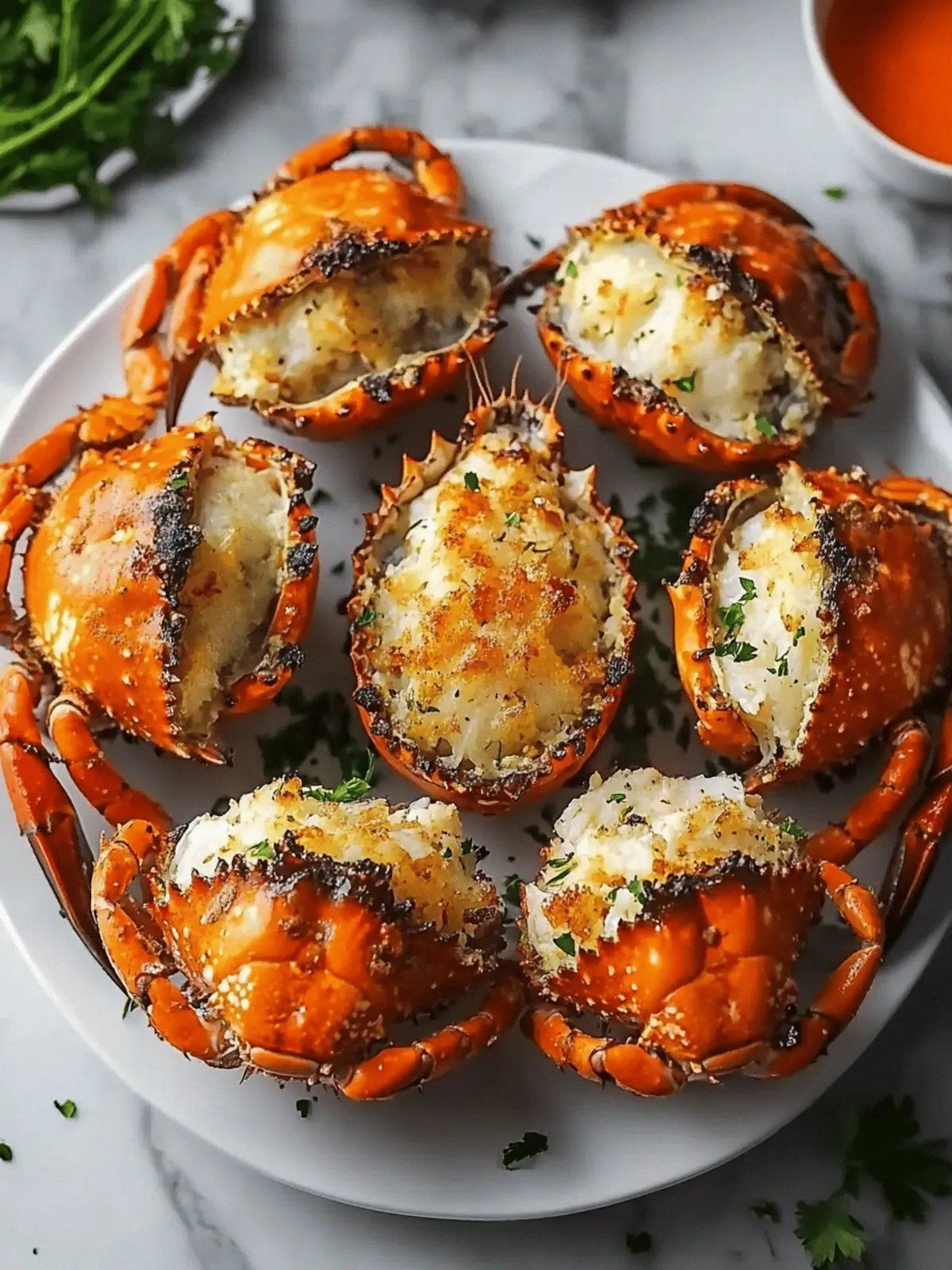
What makes this version stand out? It’s not just the ingredients; it’s the meticulous attention to detail—from the choice of crab meat to the precise timing of each sauté. I’ve spent years experimenting, and the tweaks that made this dish unforgettable are now laid out for you. The crab shells are toasted to a golden crisp that crunches like crisped parchment. The stuffing is a harmonious blend of breadcrumbs, herbs, and a splash of lemon that lifts the whole thing. And the final bake? It caramelizes the edges, creating a delightful contrast to the tender interior. This isn’t just a recipe; it’s a culinary revelation that will elevate your dinner game.
By the end of this post, you’ll have a step‑by‑step guide that’s as entertaining to read as it is simple to follow. I’ll walk you through each stage, from preparing the shells to mixing the filling, to the final bake that turns your kitchen into a gourmet haven. And trust me, this is hands down the best version you’ll ever make at home. Picture yourself pulling this out of the oven, the whole kitchen smelling incredible, and guests arriving with eyes wide open, ready to dive into a dish that’s both comforting and adventurous. So buckle up, because the next part? Pure magic.
What Makes This Version Stand Out
- Crust: Toasted crab shells give a caramelized crunch that contrasts beautifully with the soft filling, creating a textural dance on the tongue.
- Herbal Harmony: Fresh parsley and Old Bay seasoning blend to produce a sea‑kissed aroma that elevates every bite.
- Lightness: The breadcrumb base absorbs the moisture of the crab, keeping the stuffing airy rather than dense.
- Flavor Layering: Dijon mustard and Worcestershire sauce add depth, while lemon juice provides a bright counterpoint.
- Convenience: The recipe uses pantry staples, making it a quick gourmet treat for any weeknight.
- Make‑Ahead: The stuffed shells can be assembled days in advance and frozen, ensuring you always have a showstopper ready.
- Visual Appeal: The golden finish and vibrant green parsley garnish make the dish Instagram‑worthy.
- Versatility: Swap out the crab for shrimp or scallops to suit your taste or dietary preference.
Alright, let's break down exactly what goes into this masterpiece. And before we dive into the ingredient breakdown, here’s a quick kitchen hack to save you time.
Inside the Ingredient List
The Flavor Base
Crab Meat: The star of the show, 1 lb of lump crab meat provides a sweet, briny foundation. Its delicate texture holds the stuffing together without overwhelming it. If you can’t find lump crab, a high‑quality frozen mix works well; just thaw completely before using. Skipping the crab would turn this into a plain breadcrumb dish, losing the signature seafood flavor.
Breadcrumbs: One cup of breadcrumbs acts as the binding agent, absorbing excess moisture and adding a subtle crunch. Opt for freshly toasted breadcrumbs to bring a nutty aroma. If you prefer a gluten‑free version, use almond flour or gluten‑free breadcrumbs; just keep the quantity the same for consistency.
The Texture Crew
Onion & Bell Pepper: One medium onion and one cup of bell pepper add sweetness and a gentle crunch. They also release natural sugars during cooking, creating a caramelized flavor profile. If you’re allergic to onions, you can replace them with shallots for a milder taste.
Celery: Half a cup of celery introduces a fresh, slightly bitter note that balances the richness of the crab. It also adds a subtle crunch. For a smoother texture, you can finely dice the celery or blend it with the other vegetables.
The Unexpected Star
Mayonnaise: Half a cup of mayo brings creaminess and helps bind the stuffing. It’s a secret weapon that keeps the filling moist. If you’re watching calories, replace mayo with Greek yogurt or a light vinaigrette; just keep the volume the same.
Dijon Mustard & Worcestershire Sauce: One tablespoon each of Dijon and Worcestershire sauce adds depth and umami. Dijon lends a subtle tang, while Worcestershire brings a savory, slightly sweet undertone. Together, they create a flavor bridge between the crab and the herbs.
The Final Flourish
Old Bay & Spices: One tablespoon of Old Bay seasoning, one teaspoon each of garlic powder and black pepper, and a quarter teaspoon of cayenne pepper (optional) give the dish its signature seafood kick. Old Bay is the ultimate flavor enhancer for shellfish, while the spices add warmth and heat. If you’re sensitive to heat, reduce cayenne to a pinch or omit it entirely.
Fresh Parsley & Lemon Juice: Two tablespoons of fresh parsley and one tablespoon of lemon juice brighten the dish, cutting through the richness. Parsley adds a herbaceous freshness, while lemon juice provides a bright, citrusy finish that lifts the entire flavor profile. Skipping the parsley would make the dish feel flat, and omitting lemon would leave it too heavy.
Everything's prepped? Good. Let's get into the real action.
The Method — Step by Step
- Preheat your oven to 375°F (190°C). While the oven is warming, rinse the crab shells or ramekins under cold water, then pat dry. If you’re using shells, gently toast them in a dry skillet over medium heat until they develop a light golden hue—this will prevent them from becoming soggy during baking.
- Finely dice the onion, bell pepper, and celery. In a large skillet, heat one tablespoon of olive oil over medium heat. Add the diced vegetables and sauté until they’re translucent and slightly caramelized, about 5 minutes. The aroma of onions and peppers sizzling is the first hint of the flavor adventure ahead.
- In a mixing bowl, combine the sautéed vegetables with the lump crab meat. Break up the crab into bite‑size pieces with a spoon. Add half a cup of breadcrumbs, half a cup of mayonnaise, one egg, one tablespoon of Dijon mustard, one tablespoon of Worcestershire sauce, and one tablespoon of Old Bay seasoning. Stir until everything is evenly incorporated.
- Season the mixture with one teaspoon each of garlic powder and black pepper, and a quarter teaspoon of cayenne pepper if you like a kick. Fold in two tablespoons of fresh parsley and one tablespoon of lemon juice. The mixture should be moist but not wet—if it feels too dry, add a splash of water or a bit more mayonnaise.
- Line a baking sheet with parchment paper. Spoon the crab mixture into the pre‑toasted shells or ramekins, filling them about three‑quarters full. Press gently to compact, but leave a little room for expansion during baking.
- Place the filled shells on the baking sheet and bake for 20 minutes, or until the tops are golden and the filling is set. If you prefer a crispier top, switch to the broiler for the last 2 minutes—watch closely to avoid burning.
- Remove from the oven and let the stuffed crab rest for 5 minutes. This resting period allows the flavors to meld and the filling to firm up, making it easier to serve.
- Garnish with additional parsley and a wedge of lemon on the side. Serve hot, accompanied by a crisp green salad or roasted vegetables. The dish is best enjoyed immediately while the shells remain slightly warm and the filling is silky.
That’s it — you did it. But hold on, I've got a few more tricks that'll take this to another level.
Insider Tricks for Flawless Results
The Temperature Rule Nobody Follows
Many cooks bake stuffed crab at a high temperature, which can cause the shells to crack or the filling to burn. I recommend a steady 375°F (190°C) for 20 minutes; this allows the flavors to meld without compromising texture. If you’re using a convection oven, reduce the temperature by 25°F (14°C) to avoid overcooking.
Why Your Nose Knows Best
During the sauté step, trust the aroma: when the onions and peppers start to caramelize, the kitchen smells like summer. That’s the cue to add the crab. If the scent feels underwhelming, give it another minute; the vegetables need a chance to release their natural sweetness.
The 5‑Minute Rest That Changes Everything
After baking, let the stuffed crab rest for exactly five minutes. This brief pause allows the juices to redistribute, ensuring each bite is as moist as the last. Skipping this step often results in a dry center, especially when using fresh crab.
Use Fresh Herbs, Not Dried
Fresh parsley gives the dish a vibrant green pop and a bright flavor that dried herbs can’t match. If you’re in a pinch, use dried parsley but reduce the quantity by half, as dried herbs are more concentrated.
Add a Splash of Water Before Reheating
If you need to reheat leftovers, add a teaspoon of water to the baking dish before reheating in the oven at 300°F (149°C). This trick steams the filling, keeping it from drying out.
Creative Twists and Variations
This recipe is a playground. Here are some of my favorite ways to switch things up:
Shrimp & Grits Twist
Swap crab for peeled shrimp and add a tablespoon of grits to the stuffing. The creamy grits give a Southern vibe that pairs beautifully with the shrimp’s sweet flavor.
Vegan Version
Use a plant‑based crab substitute and replace mayonnaise with cashew cream. Keep the Old Bay seasoning to maintain that seafood essence.
Mediterranean Flair
Add chopped kalamata olives and sun‑dried tomatoes to the mix, and finish with a drizzle of olive oil. The olives add brine, while the tomatoes provide a sweet tang.
Spicy Cajun Kick
Increase the cayenne to one teaspoon and add a dash of smoked paprika. The smoky heat brings a Louisiana twist that’s sure to impress.
Lemon‑Garlic Zest
Add extra lemon zest and a clove of minced garlic to the stuffing. This brightens the dish and gives it a fresh, zesty finish.
Herb Garden Surprise
Incorporate chopped dill and chives into the filling. The dill adds a subtle dill‑y note that complements the crab’s natural sweetness.
Storing and Bringing It Back to Life
Fridge Storage
Store leftover stuffed crab in an airtight container for up to 2 days in the refrigerator. Keep the shells separate from the filling if possible to maintain crispness.
Freezer Friendly
Wrap each shell tightly in plastic wrap and place in a freezer bag. Freeze for up to 2 months. When ready to use, thaw in the refrigerator overnight.
Best Reheating Method
Reheat in a preheated oven at 300°F (149°C) for 10 minutes, adding a teaspoon of water before baking to keep the filling moist. Alternatively, microwave on medium power for 2 minutes, then transfer to the oven to finish crisping the shells.