Picture this: I’m standing in my kitchen, a half‑finished casserole on the counter, and a sudden craving for something savory, comforting, and utterly plant‑based hits me. I flip through the pantry, eyes landing on a bag of king oyster mushrooms that I had been saving for a fancy stir‑fry that never happened. I think, “Why not turn these into a hearty, tomato‑rich stew that could replace a meat‑based cioppino?” That thought sparked a culinary experiment that would turn a simple pantry staple into a dish that feels like a hug in a bowl. I was determined to make it the best version I’ve ever seen, and I’ve been raving about it ever since. I dare you to taste this and not go back for seconds.
What Makes This Version Stand Out
- Flavor Depth: The combination of Old Bay seasoning, lemon juice, and fresh parsley creates a briny, citrusy profile that lifts the earthy mushrooms. Each spoonful carries a subtle umami punch that rivals any seafood sauce. The tomatoes provide a natural sweetness that balances the saltiness of the broth.
- Texture Contrast: The mushrooms stay slightly chewy, offering a satisfying bite against the tender garbanzo beans and silky tomatoes. The celery adds a crisp snap that breaks up the richness. The broth glides over everything, coating the pasta like velvet.
- Ingredient Quality: Using high‑quality, fresh king oyster mushrooms and organic tomatoes makes a noticeable difference in flavor. The vegan butter adds a buttery mouthfeel without the dairy baggage.
- Ease of Preparation: No complicated techniques or exotic equipment required. A single pan, a pot, and a few simple steps bring you a dish that feels gourmet.
- Make‑Ahead Potential: This stew can be cooked ahead of time, flavors deepen overnight, and it reheats beautifully. Perfect for busy weeknights or meal‑prep sessions.
- Audience Appeal: Whether you’re a plant‑based enthusiast or a carnivore looking for a meatless alternative, this dish satisfies. It’s comforting, hearty, and crowd‑pleasing.
Alright, let’s break down exactly what goes into this masterpiece…
Inside the Ingredient List
The Flavor Base
The foundation of this stew is a fragrant sauté of onion, garlic, celery, and a splash of olive oil. The onions melt into a translucent, sweet layer that forms the aromatic bedrock. Garlic, when sautéed just until golden, releases a warm, peppery note that permeates the entire dish. Celery adds a subtle bitterness that cuts through the richness, creating a well‑balanced flavor profile. Skipping any of these will leave the stew feeling flat; the harmony of these ingredients is what makes the base sing.
The Texture Crew
King oyster mushrooms are the star of the show, offering a meaty texture that’s surprisingly reminiscent of seafood. Their thick stems hold up well during simmering, preventing them from turning mushy. Garbanzo beans bring a creamy, slightly nutty chew that pairs beautifully with the mushrooms. Together, they form a hearty, satisfying bite that keeps the palate engaged. If you’re short on beans, chickpea flour can be used to thicken the broth while adding protein.
The Unexpected Star
Old Bay seasoning is the secret weapon that elevates this dish from ordinary to unforgettable. Its blend of celery salt, paprika, and bay leaves introduces a subtle briny depth that mimics the oceanic flavor of a classic cioppino. The lemon juice provides a bright, acidic counterpoint, cutting through the richness of the butter and oil. Parsley, added at the end, offers a fresh herbal finish that lifts the stew. Without these, the dish would feel bland and uninspired.
The Final Flourish
Vegetable broth is the liquid that brings everything together. It must be low‑sodium to allow the Old Bay and salt to shine. The tomatoes, whether fresh or canned, add a sweet acidity that balances the broth. A splash of lemon juice at the end brightens the dish, while a pinch of pepper adds a gentle heat. The final sprinkle of parsley adds color and a fresh aroma, making the stew look as good as it tastes. Skipping any of these will diminish the overall experience.
Everything’s prepped? Good. Let’s get into the real action…
The Method — Step by Step
- Heat a large, heavy‑bottom pot over medium heat. Add the olive oil and let it shimmer. Once the oil is hot, add the diced onion and a pinch of salt. Sauté until the onion turns translucent and begins to brown at the edges, about 5 minutes. The aroma should fill the kitchen like a comforting promise.
- Introduce the minced garlic and sliced celery. Stir constantly to prevent burning. After 2 minutes, the garlic will release a sweet, nutty aroma, and the celery will soften just enough to keep its crunch. This step is crucial; rushing it can make the garlic bitter.
- Add the sliced king oyster mushrooms to the pot. Use a spatula to spread them out, allowing them to sear on all sides. Cook for about 7 minutes, turning occasionally, until the mushrooms develop a golden crust. This caramelization is where the umami comes alive.
- Pour in the vegetable broth and bring the mixture to a gentle boil. Reduce the heat to low and let it simmer for 10 minutes. This allows the flavors to meld and the mushrooms to absorb the broth’s savory notes.
- Stir in the canned garbanzo beans, diced tomatoes, and Old Bay seasoning. Let the stew simmer for an additional 5 minutes, allowing the beans to heat through and the tomatoes to soften into a silky sauce.
- Season with salt and freshly ground black pepper to taste. Remember, Old Bay is salty, so add the salt sparingly. Taste the broth; if it’s too thin, let it reduce for a few more minutes.
- Add the lemon juice and chopped parsley. Stir gently, then turn off the heat. This is the moment of truth: the bright lemon cuts through the richness, and the parsley adds a fresh, herbal note. Watch Out: if you add the lemon too early, the acidity can curdle any dairy you might have added.
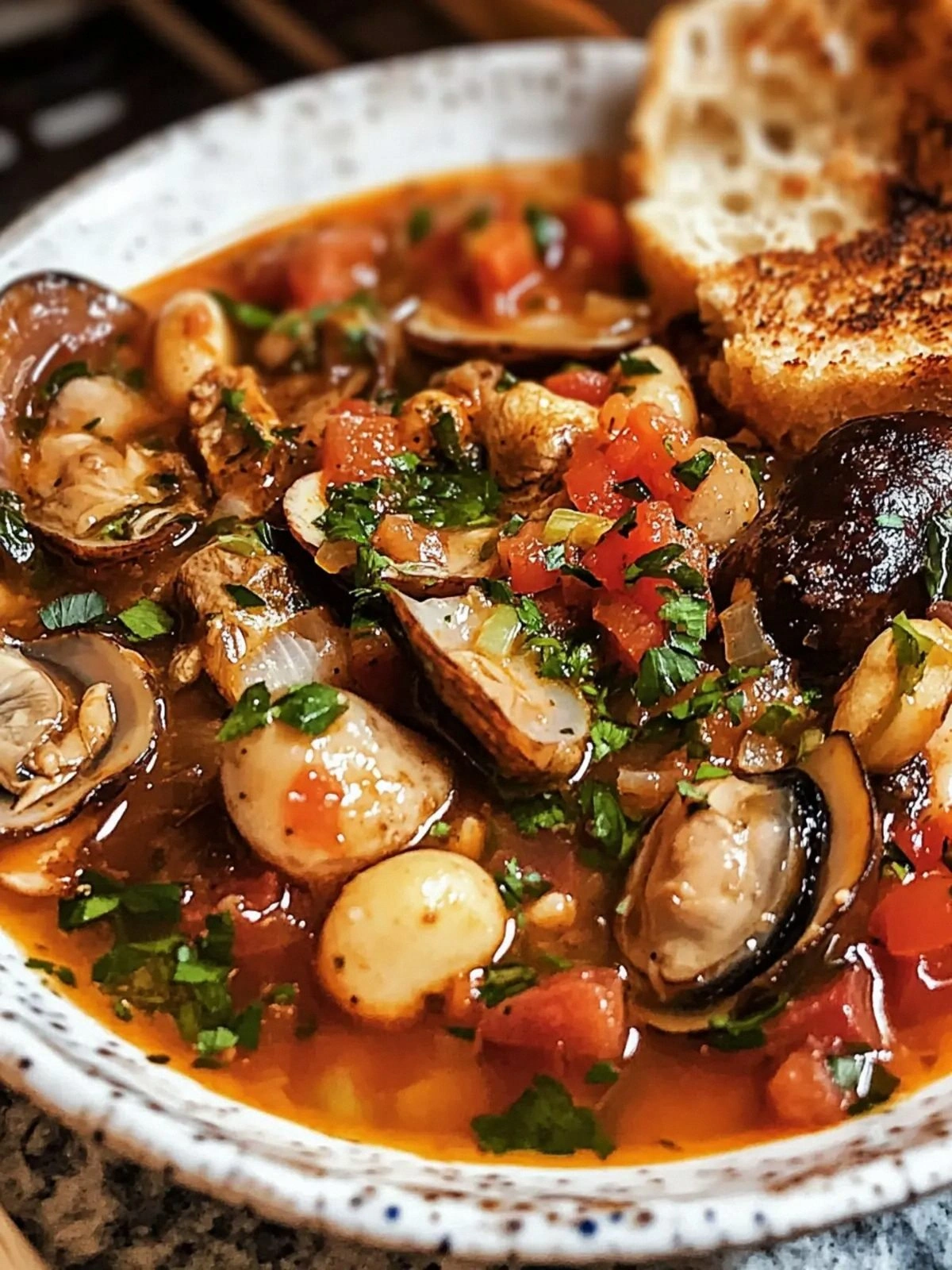
- Serve the stew over your favorite pasta or polenta, or enjoy it as a bowl of its own. If you’re plating, drizzle a little extra olive oil on top for shine. The final dish should look rustic yet polished, with a glossy, tomato‑red broth and vibrant green parsley.
- Optional: For an extra layer of flavor, sprinkle grated vegan parmesan or nutritional yeast before serving. This adds a nutty, cheesy tang that complements the stew’s richness.
- Enjoy immediately, or let it cool and refrigerate. The flavors deepen overnight, making it a perfect make‑ahead meal.
That’s it — you did it. But hold on, I’ve got a few more tricks that will take this to another level…
Insider Tricks for Flawless Results
The Temperature Rule Nobody Follows
Many cooks think simmering is enough, but a gentle, steady low heat is key to developing depth. If the pot boils, the broth will become cloudy and lose flavor. Keep the flame low, and let the stew bubble slowly; this preserves the delicate mushroom texture and prevents the beans from splitting.
Why Your Nose Knows Best
Before you taste the final dish, inhale the aroma through your nose. The scent will tell you if the broth is too salty, too acidic, or lacking depth. Trust your nose; a well‑seasoned stew will smell like a warm, comforting kitchen rather than a bland pot of soup.
The 5‑Minute Rest That Changes Everything
Once you’ve added the lemon juice and parsley, let the stew rest off the heat for five minutes. This brief pause allows the flavors to settle, and the lemon’s acidity to mellow. When you stir in the final garnish, the dish will have a richer, more cohesive taste.
The Garlic “Sizzle” Trick
When adding garlic, let it sizzle for just a few seconds before adding the celery. This short burst releases a sweet, caramelized flavor that is far richer than raw garlic. It’s a small step that makes a huge difference.
The “No‑Waste” Mushroom Method
If you’re short on pantry staples, use the leftover mushroom stems to create a homemade mushroom broth. Simmer them with onion, garlic, and a bay leaf for 20 minutes, strain, and use the liquid as your vegetable broth. You’ll get an extra umami boost without buying more broth.
Creative Twists and Variations
This recipe is a playground. Here are some of my favorite ways to switch things up:
Smoky Chipotle Twist
Add a tablespoon of chipotle in adobo sauce during step 5 for a smoky, spicy kick. This pairs well with the Old Bay’s briny notes and gives the stew a bold, adventurous flavor. It’s perfect for those who love a little heat.
Mediterranean Medley
Swap the garbanzo beans for cannellini beans, and add a handful of kalamata olives in step 5. The olives provide a briny depth that complements the tomato base, while the cannellini beans add a creamy texture. Finish with a drizzle of extra virgin olive oil for a classic Mediterranean feel.
Rustic Root Vegetable Boost
Add diced carrots, parsnips, and sweet potatoes in step 5 for a hearty, root‑vegetable stew. The natural sweetness of the roots balances the acidity of the tomatoes and the saltiness of the Old Bay. This version is especially comforting on a cold evening.
Pesto Perfection
Stir in a tablespoon of basil pesto during step 7 for a fresh, herby twist. The pesto’s basil, garlic, and pine nuts add a layer of complexity that elevates the stew to new heights. It’s a quick way to transform the dish into a gourmet experience.
Protein‑Packed Powerhouse
Add a scoop of plant‑based protein powder (unflavored or vanilla) during step 8 to boost protein content without altering flavor. Stir well until fully dissolved. This makes the stew a satisfying meal for athletes or anyone looking to increase protein intake.
Storing and Bringing It Back to Life
Fridge Storage
Cool the stew completely, then transfer it to an airtight container. Store in the refrigerator for up to 4 days. The flavors will deepen, making it even more delicious when reheated.
Freezer Friendly
Divide the stew into freezer‑safe portions and seal tightly. Freeze for up to 3 months. Thaw overnight in the refrigerator before reheating. The texture remains intact, and the broth stays silky.
Best Reheating Method
Reheat gently on the stovetop, adding a splash of vegetable broth or water to loosen the sauce. Stir frequently to prevent sticking. Bring to a gentle simmer for 5 minutes, then serve hot. A quick splash of water before reheating will help the stew steam back to perfection.