I was staring at a half‑cooked pork belly on a rainy Sunday afternoon, the kitchen smelling like burnt toast and disappointment. My friend dared me to turn that disaster into something worthy of a headline, and I swore I’d deliver the most unforgettable pork tocino anyone’s ever tasted. The moment the sizzling pan hit the stove, I could almost hear the applause in the background, the kind that comes from a crowd that knows you’re about to blow their minds. The pork’s glossy surface glistened like a jewel, the sweet aroma of brown sugar mingled with the sharp tang of vinegar, and the sound of it crackling was music to my ears. If you’ve ever thought pork tocino was just a breakfast side, think again—this is a flavor revolution that will make your taste buds dance.
Picture the first bite: a burst of sweet, salty, and slightly acidic notes that melt into a silky, caramelized coating that clings to every inch of the meat. The texture is a paradoxical mix of tender, juicy pork and a crisp, almost crunchy exterior that snaps like thin ice. The flavor profile is layered—think caramelized sugar, savory soy, the subtle bite of garlic, and a citrus lift that brightens everything. I dare you to taste this and not go back for seconds; the second bite will feel like a secret handshake between your palate and my kitchen. And if you’re wondering why this version stands out from the countless others, the answer lies in a few deliberate, almost rebellious choices: a touch of allspice, a splash of calamansi, and a slow, low‑heat reduction that turns the sauce into velvet.
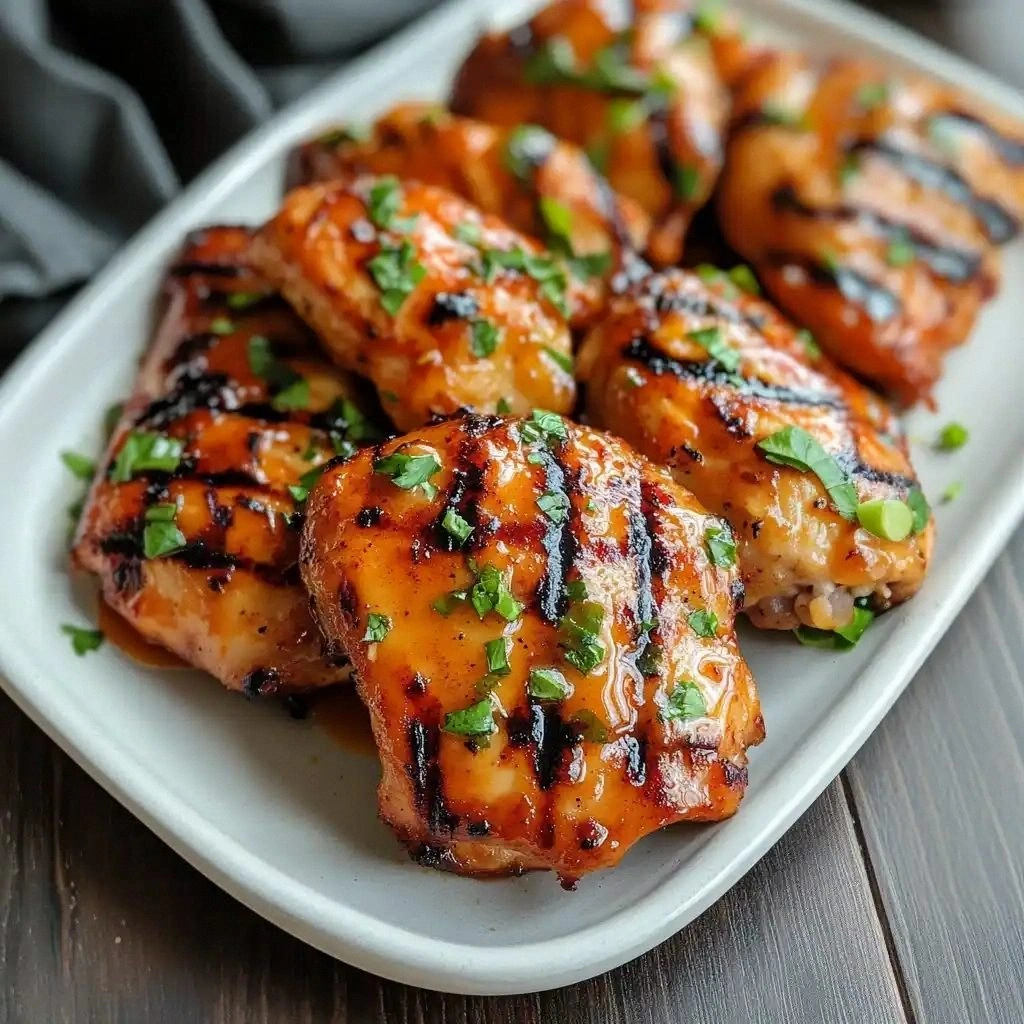
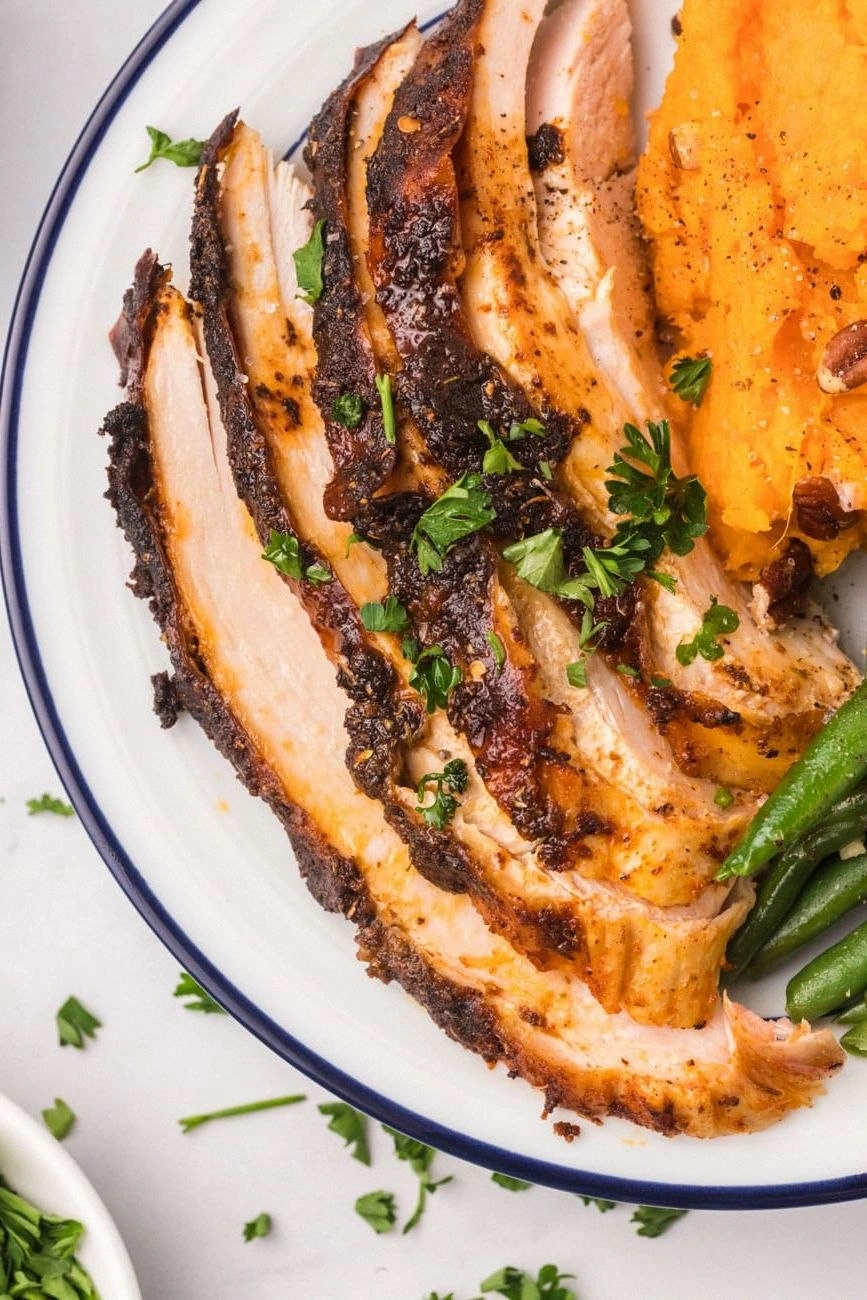
The moment you bring this dish to the table, the kitchen will fill with an aroma so inviting that even your cat will pause to sniff. The visual appeal is undeniable—each slice glistens with a golden glaze that reflects the light like a polished trophy. The sound of the pan, the sizzle, the occasional pop as the sugars caramelize, will keep you glued to the stove. The first bite is a sensory revelation: sweet, salty, tangy, smoky, and with a subtle earthy warmth from the spices. And the best part? This isn’t just a recipe; it’s a conversation starter that will leave everyone asking for the secret. By the end of this post, you’ll wonder how you ever made pork tocino any other way.
What Makes This Version Stand Out
- Flavor Depth: The combination of brown sugar, soy sauce, vinegar, and calamansi creates a complex profile that balances sweetness, umami, acidity, and citrus brightness, giving the pork a multi‑layered taste that lingers.
- Texture Mastery: Slow marination and low‑heat cooking yield a tender interior while the surface caramelizes into a crisp, almost crunchy glaze that snaps delightfully.
- Ingredient Quality: Using fresh pork belly, organic soy sauce, and real calamansi juice elevates the dish from ordinary to extraordinary.
- Make‑Ahead Friendly: The marination can be done up to 48 hours ahead, making this a perfect dish for busy weekdays or weekend gatherings.
- Visual Appeal: The glossy, caramelized coating gives the pork a professional, restaurant‑grade look that will impress any guest.
- Versatility: Serve it with rice, pancakes, or even on toast—this pork tocino adapts to breakfast, lunch, or dinner with equal grace.
- Flavor Pairing: The subtle heat from allspice and cloves complements the sweet glaze, while the citrus lifts the overall flavor profile.
- Time Efficiency: While marinating overnight, the actual cooking takes less than 30 minutes, making it a quick yet luxurious meal.
Alright, let's break down exactly what goes into this masterpiece…
Inside the Ingredient List
The Flavor Base
The foundation of this tocino is a marriage of sweet, salty, and acidic components. Brown sugar is the sweet anchor, providing depth and a natural caramelization when heated. Soy sauce brings umami and a savory undertone that balances the sweetness, while vinegar introduces a sharp acidity that cuts through the richness of the pork. Calamansi juice adds a citrusy brightness that lifts the entire dish, preventing it from feeling heavy or cloying. Skipping any of these would leave the flavor profile thin and unbalanced.
The Texture Crew
Pork belly is the star of the show, chosen for its marbling and ability to stay juicy during the long cooking process. The marination time allows the meat to absorb the flavors deeply, while the fat renders out, creating a tender interior. Garlic, crushed and minced, provides a pungent aroma that permeates the sauce, adding a savory depth. Bay leaves and allspice infuse a subtle earthy warmth, while cloves and a cinnamon stick contribute a gentle spice note that complements the sweetness without overpowering it. These spices work together to create a complex, layered taste that lingers long after the last bite.
The Unexpected Star
Allspice, often overlooked in pork recipes, is the secret weapon that gives this tocino its unique flavor profile. It adds a hint of peppery sweetness that echoes the caramelized sugar, creating a subtle contrast that keeps the palate engaged. The small amount of water added during marination helps dissolve the sugar and spices, ensuring a smooth, even coating on the pork. If you’re adventurous, a pinch of smoked paprika can replace a portion of the allspice for a smoky twist.
The Final Flourish
The final flourish is the reduction of the pan sauce. As the pork cooks, the liquid evaporates, concentrating the flavors into a glossy glaze that clings to each slice. This reduction also thickens the sauce, allowing it to coat the pork without dripping excessively. The result is a caramelized coating that is both sweet and savory, with a slight tang that brightens the dish. If you prefer a thicker glaze, reduce the sauce for an additional 5 minutes; just keep a close eye on it to prevent burning.
Everything's prepped? Good. Let's get into the real action…

The Method — Step by Step
- Trim any excess fat from the pork belly and cut it into 1½‑inch thick slices. Lay the slices on a cutting board and pat them dry with paper towels; moisture is the enemy of caramelization. The goal here is to create a surface that can brown beautifully without steaming.
- In a large mixing bowl, combine brown sugar, soy sauce, vinegar, calamansi juice, minced garlic, bay leaves, allspice, cloves, and a cinnamon stick. Whisk until the sugar dissolves completely, creating a smooth, glossy mixture. This will be your marinade.
- Place the pork slices in the bowl, turning them to coat every side evenly. Cover the bowl with plastic wrap and refrigerate for at least 4 hours, ideally overnight. The longer the pork soaks, the more flavorful and tender it becomes.
- Remove the pork from the refrigerator and let it sit at room temperature for about 15 minutes before cooking. This step ensures even cooking and reduces the chance of the pork being too cold when it hits the pan.
- Heat a large, heavy‑bottomed skillet over medium heat. Once hot, add the pork slices, skin side down if you kept the skin. The sizzle should be audible, and you’ll hear the sugars begin to caramelize almost immediately. Avoid overcrowding; cook in batches if necessary.
- Cook the pork for about 4–5 minutes on each side, flipping carefully to avoid breaking the slices. As the pork cooks, the pan will fill with a fragrant, sticky sauce. This is the moment of truth—watch the surface transform from raw to golden.
- Once the pork is cooked through, reduce the heat to low and let the remaining liquid simmer for an additional 5 minutes. The sauce will thicken into a glossy glaze that coats each slice. Keep a close eye on it; it can go from perfect to burnt in a matter of seconds.
- Remove the pork from the skillet and let it rest on a cutting board for 5 minutes. Resting allows the juices to redistribute, keeping the pork moist and flavorful.
- Serve hot, spooning the reduced sauce over each slice. Pair with steamed rice, a simple salad, or even toast for a breakfast‑style plate that will have everyone asking for seconds.
That's it — you did it. But hold on, I've got a few more tricks that'll take this to another level. The next section will dive into insider tips that will ensure every bite is flawless.
Insider Tricks for Flawless Results
The Temperature Rule Nobody Follows
Many cooks think high heat is the key to caramelization, but that’s a myth. Low, steady heat allows the sugar to dissolve slowly, creating a smoother glaze that clings evenly. I’ve found that setting the stove to medium and letting the pork cook for 4–5 minutes per side produces a perfect balance of crispness and tenderness. If you’re using a gas stove, adjust the flame to just below medium to avoid flare‑ups that can burn the sugars.
Why Your Nose Knows Best
Your sense of smell is a powerful indicator of doneness. As the pork cooks, the aroma shifts from raw pork to a sweet, caramelized scent. When you notice a deep, nutty aroma with hints of citrus, you’re ready to flip. Trust your nose; it’s more reliable than a timer in this case.
The 5‑Minute Rest That Changes Everything
Resting the pork after cooking isn’t just a courtesy—it’s essential for juice redistribution. A 5‑minute rest allows the fibers to relax, preventing the pork from drying out when sliced. If you’re in a hurry, you can cover the pork loosely with foil, but avoid letting it steam, as that will dilute the glaze.
The Marinade Swap
If you’re short on calamansi, a splash of fresh lime or lemon juice will work, but the flavor will shift slightly toward a more tart profile. For a deeper umami punch, replace half the soy sauce with fish sauce, but reduce the salt accordingly. Experimenting with these swaps can create a personalized version that still respects the core of this recipe.
The Quick‑Fix for Sticky Pan Sauce
Should the sauce become too thick or sticky, add a tablespoon of water or pork stock to loosen it. This technique restores the glaze’s glossy finish without compromising flavor. It’s a simple, effective trick that keeps the dish looking and tasting professional.
Creative Twists and Variations
This recipe is a playground. Here are some of my favorite ways to switch things up:
Sweet & Spicy Fusion
Add a tablespoon of Sriracha or a pinch of crushed red pepper flakes to the marinade. The heat will cut through the sweetness and create a bold, balanced flavor profile that’s perfect for adventurous palates.
Coconut‑Infused Delight
Replace half the water in the marinade with coconut milk. The creamy, tropical notes pair beautifully with the caramelized sugar, turning the dish into a sweet, savory coconut treat.
Herb‑Garden Tocino
Stir in a handful of chopped fresh cilantro or parsley right before serving. The herbal freshness brightens the dish and adds a pop of color, making it feel lighter and more vibrant.
Cheese‑Covered Surprise
After cooking, top each slice with a slice of aged cheddar or pepper jack. Let it melt slightly; the cheese will mingle with the glaze, adding a creamy, salty layer that’s irresistible.
Breakfast‑Style Pancake Stack
Serve the pork tocino on a stack of warm, fluffy pancakes instead of rice. The sweet, buttery pancakes complement the savory pork, creating a breakfast that feels indulgent yet familiar.
Storing and Bringing It Back to Life
Fridge Storage
Store leftover pork tocino in an airtight container in the refrigerator for up to 3 days. The glaze will thicken slightly, but it will still taste fresh and flavorful.
Freezer Friendly
For longer storage, freeze the pork in a freezer‑safe bag for up to 2 months. Thaw overnight in the refrigerator before reheating. The texture remains tender, and the glaze retains its glossy sheen.
Best Reheating Method
Reheat in a skillet over medium heat, adding a splash of water or pork stock to keep the glaze from drying out. The goal is to warm the pork through while preserving the caramelized coating. A quick microwave burst can work, but the pan method keeps the texture intact.
Add a tiny splash of water before reheating — it steams back to perfection and keeps the glaze from becoming too thick or sticky.