I was in the middle of a midnight snack frenzy when the kitchen exploded into a fragrant storm of sizzling oil and caramelized batter. The sound was a low, steady drum that promised crispy perfection. The aroma hit me like a wave, a sweet, smoky perfume that made my stomach do a happy dance. I was halfway through a bowl of plain fried chicken when the idea hit—add gochujang, honey, and a cheese glaze. That single thought turned an ordinary night into a culinary adventure that I couldn't wait to share.
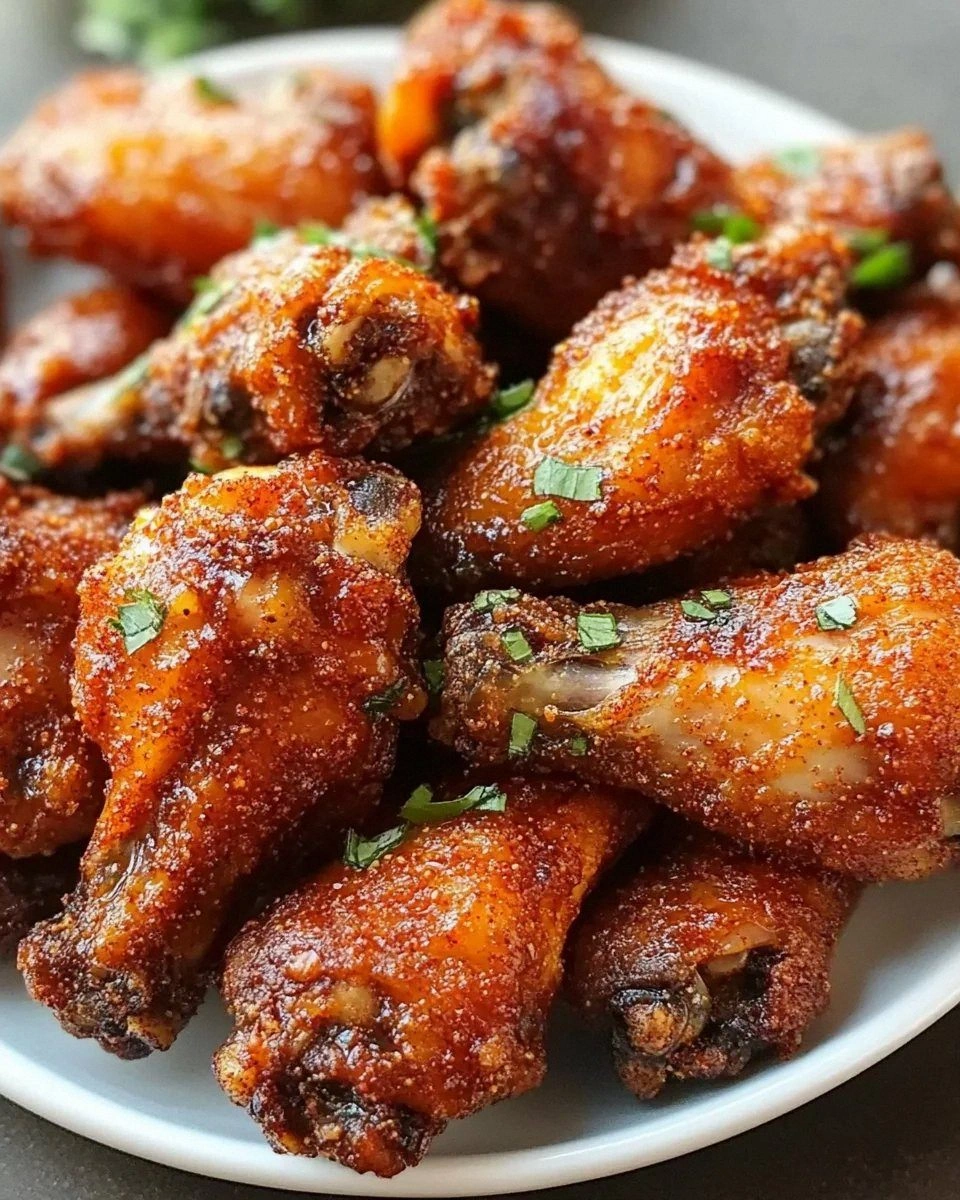
The moment the first wing hit the hot oil, I could hear the crackle that sings of crispness. The batter browned to a deep amber, sealing in juices that burst when you bite. The heat of the gochujang mingled with the gentle sweetness of honey, creating a flavor profile that feels like a fireworks display in your mouth. The melted cheese added a velvety finish that lingers on the tongue. I swear, that sizzle when it hits the pan is absolute perfection.
I’d tried countless fried chicken recipes, but none could do a full 360 on my taste buds like this one. The coating is a layered texture—crunchy on the outside, tender on the inside, and then a glossy, savory glaze that clings to every surface. The green onions add a bright, aromatic finish that cuts through the richness. My friends begged for seconds, and I had to confess I ate half the batch before anyone else got to try it. That’s the kind of dish that turns an ordinary meal into a memorable event.
This recipe is not just another copy‑paste from a blog; it's a manifesto of flavor. It’s a dish that balances heat, umami, and creamy richness in a single bite. The combination of Korean gochujang with American cheese creates a cross‑cultural masterpiece that feels both exotic and comforting. The technique of double‑coating the wings ensures a crunch that shatters like thin ice. By the end of this guide, you’ll wonder how you ever made fried chicken any other way.
What Makes This Version Stand Out
- Flavor: The gochujang and honey create a heat‑sweet dance that lingers long after the first bite.
- Texture: A double‑coating of flour and cornstarch gives a crunch that shatters like thin ice, while the cheese glaze adds a silky finish.
- Versatility: Swap the cheese for a Mexican crema or a spicy mayo for a different twist.
- Make‑ahead: You can marinate the wings the night before and reheat them to crisp perfection.
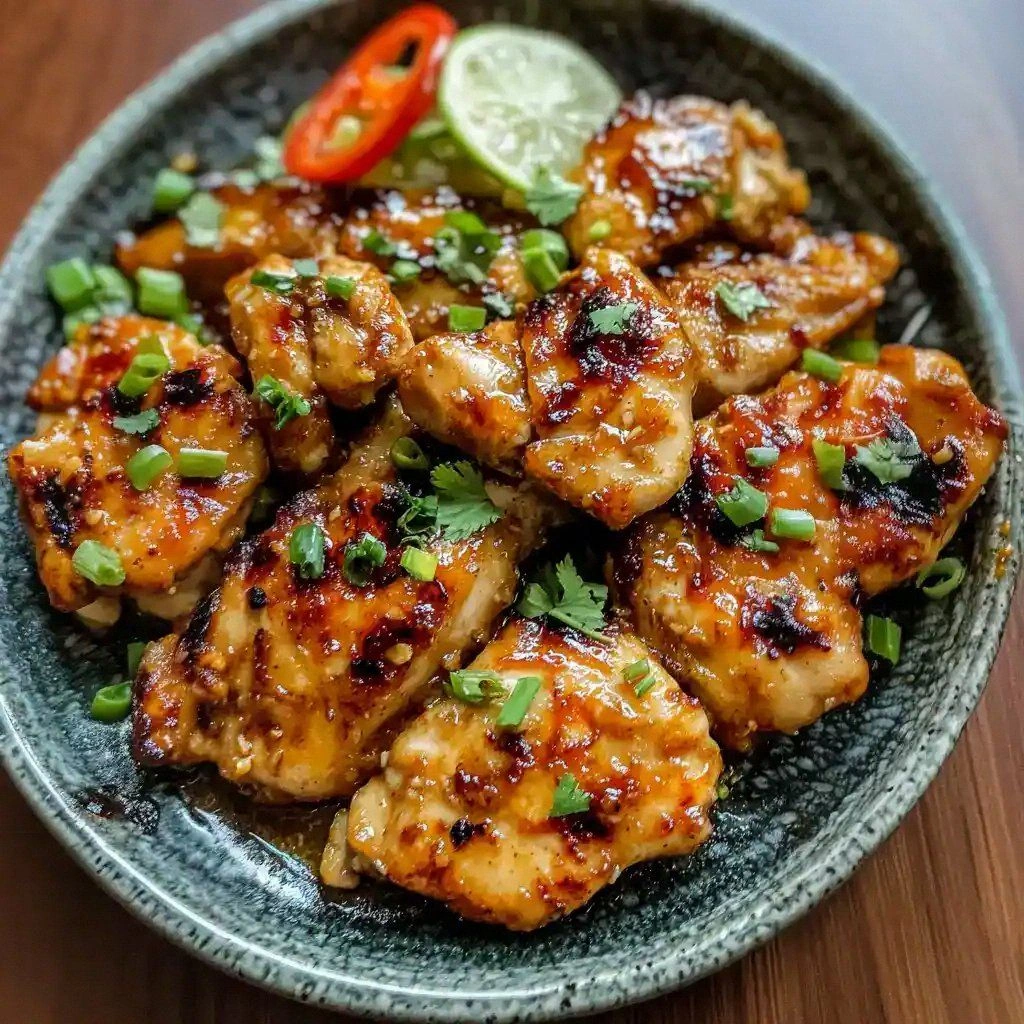
- Visual Appeal: The glossy glaze and bright green onions make the dish Instagram‑ready.
- Heat Control: The sauce can be adjusted to suit any spice tolerance—just tweak the gochujang.
Alright, let's break down exactly what goes into this masterpiece.
The Flavor Base
The heart of this dish lies in the sauce—an aromatic blend that marries Korean heat with sweet, savory undertones. Gochujang, a fermented chili paste, brings depth and a subtle umami that is hard to replicate with any other ingredient. Honey counters the spice, creating a balanced, mouth‑watering profile that feels both comforting and adventurous. The soy sauce adds a salty, savory foundation that grounds the entire flavor profile.
When you mix these elements together, you’re creating a sauce that clings like velvet, turning each wing into a savory, molten masterpiece. The sauce is thick enough to coat the wings without dripping, yet it’s silky enough to melt into the cheese glaze. A touch of sesame oil can elevate the aroma, giving the dish an unmistakable Korean fragrance. This base is what sets this recipe apart from the usual fried chicken fare.
If you’re worried about the heat, remember that gochujang is complex; it’s not just about spiciness. The fermented flavor adds a tangy, almost citrusy note that balances the sweetness. You can always dilute it with a splash of water or a bit more soy sauce if you prefer a milder version. The sauce is also versatile enough to be used as a dipping sauce or a glaze for grilled meats.
The Texture Crew
The coating is a secret weapon in achieving that coveted crunch. All-purpose flour gives the wings a light, airy base, while cornstarch adds a dry, powdery finish that crisps up beautifully. The combination ensures the batter stays light and doesn’t become soggy when you add the cheese glaze later. The flour’s protein content helps bind the coating to the meat, creating a uniform crust.
Cornstarch’s high starch content is key; it gelatinizes at high heat, giving the coating a crisp, almost cracker‑like texture. The small amount of paprika in the coating adds a subtle smoky note and a gorgeous reddish hue. The garlic and onion powders provide a savory backbone that complements the spicy sauce. Together, these ingredients form a texture that is both satisfying and memorable.
If you’re gluten‑free, you can swap the all-purpose flour for a gluten‑free blend, but keep the cornstarch to preserve the crunch. You can also add a pinch of baking powder to the coating for extra lift. The key is to keep the coating dry; any moisture will turn the batter soggy. This texture crew is the secret to a consistently crispy result.
The Unexpected Star
The cheese glaze is the twist that turns a simple fried chicken into a gourmet experience. Shredded mozzarella or cheddar melts into a creamy, golden coating that adds a subtle dairy sweetness. The heavy cream thickens the glaze, making it silky and glossy. When the cheese melts, it creates a subtle caramelization that adds depth to each bite.
The choice of cheese is crucial; mozzarella offers a mild, melty quality, while cheddar adds a sharp, tangy edge. Mixing both creates a balanced flavor that’s both comforting and complex. The heavy cream not only thickens the glaze but also helps the cheese distribute evenly across the wings. This unexpected star is what makes the dish truly memorable.
If you’re dairy‑intolerant, consider a plant‑based cheese that melts well, such as a vegan cheddar or mozzarella alternative. A splash of milk or a non‑dairy creamer can also replace the heavy cream, though the texture will be slightly lighter. The cheese glaze is the final flourish that elevates this dish from good to unforgettable.
The Final Flourish
The green onions add a bright, aromatic finish that cuts through the richness of the cheese glaze. Their subtle onion flavor balances the heat, while the fresh green color makes the dish visually striking. Slicing them thinly ensures they’re not overpowering but still provide a burst of freshness. The green onions are the final flourish that ties the dish together.
If you prefer a different garnish, try sliced red chilies for a pop of color and extra heat or a drizzle of sesame oil for an extra layer of aroma. A sprinkle of toasted sesame seeds can add a nutty crunch. The garnish is the final touch that can elevate the dish to a new level of sophistication.
In short, each ingredient in this dish plays a pivotal role, from the sauce’s complex umami to the coating’s crunch and the cheese glaze’s silky finish. The final flourish of green onions ties everything together, making this dish a true culinary masterpiece. The result is a dish that’s both comforting and adventurous, with a flavor profile that will keep you coming back for more.
Everything's prepped? Good. Let's get into the real action.
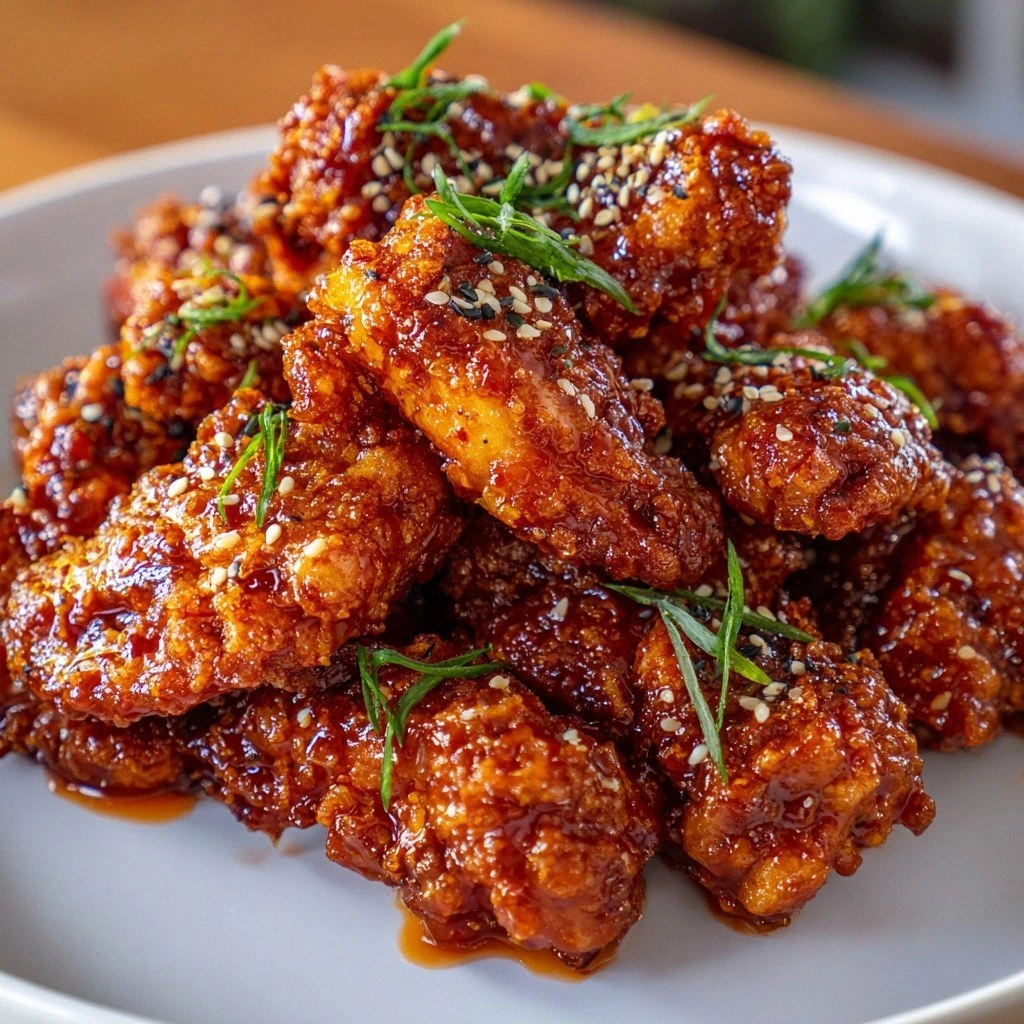
The Method — Step by Step
- First, toss the wings in buttermilk and let them marinate for at least 30 minutes. The acidity of the buttermilk tenderizes the meat, making each bite juicy. While the wings soak, preheat a deep pan or Dutch oven with enough oil to submerge the wings. The oil should reach 350°F (175°C) to ensure a crisp coating. After the wings have rested, pat them dry to remove excess liquid.
- Next, combine flour, cornstarch, paprika, garlic powder, onion powder, salt, and pepper in a shallow dish. The flour provides a light base, while cornstarch adds crunch. Stir the mixture until all ingredients are evenly distributed. This dry mix will form the first layer of the coating. Keep the mixture ready for the next step.
- Coat each wing by dredging it in the flour mixture, shaking off excess. This first coat will absorb the oil and create a barrier that keeps the meat moist. After the first coat, dip the wing back into the buttermilk, then back into the flour mixture for a double coating. The double coating locks in flavor and ensures a crispy exterior. Let the coated wings rest on a wire rack for a few minutes.
- Heat the oil to the correct temperature and carefully lower the wings in small batches. Avoid overcrowding the pan, which can lower the oil temperature and produce soggy wings. Fry each side for 4–5 minutes until golden brown and cooked through. The internal temperature should reach 165°F (74°C). Use a thermometer to confirm doneness for safety.
- Once the wings are golden, transfer them to a paper‑towel lined plate to drain excess oil. The paper towels will absorb any lingering grease, keeping the coating crisp. Let the wings rest for 5 minutes; this allows the juices to redistribute. If you’re plating immediately, you can keep the wings warm in a low oven (200°F/90°C) to maintain crispness.
- Now, whisk together gochujang, honey, soy sauce, and a splash of sesame oil in a bowl. This sauce needs to be smooth and slightly thick to cling to the wings. Heat the mixture gently over low heat, stirring until it reaches a syrupy consistency. Be careful not to let it boil; you want the sauce to caramelize, not scorch.
- Add the hot sauce to the fried wings in a large bowl, tossing until each piece is evenly coated. The heat of the wings will help the sauce set into a glossy glaze. If you prefer a thicker glaze, let the sauce cool slightly before tossing; it will thicken as it cools.
- In a separate saucepan, melt the shredded cheese with heavy cream over low heat. Stir constantly until the cheese melts into a smooth sauce. The cream prevents the cheese from clumping and creates a velvety finish. Once melted, pour the cheese sauce over the coated wings, ensuring every piece is enveloped.
- Finish the dish by sprinkling chopped green onions over the top. The fresh green onions provide a bright, aromatic contrast to the rich glaze. Serve immediately while the wings are still hot and the cheese is molten. Pair with a cold beer or a chilled glass of Korean rice wine for a complete experience.
- If you’re preparing ahead, let the wings cool completely before refrigerating in an airtight container. Reheat them in a preheated oven at 375°F (190°C) for 10 minutes, or until the coating is crisp again. The cheese glaze may firm up, so a quick reheat will soften it back to a creamy consistency.
That's it — you did it. But hold on, I've got a few more tricks that'll take this to another level. The next section is all about insider tricks that ensure flawless results every time.
Insider Tricks for Flawless Results
The Temperature Rule Nobody Follows
Many cooks think the oil can be at any temperature, but the secret to a crisp coating lies in the exact heat range of 350°F to 375°F. A temperature too low will soak the wings in oil, while a temperature too high will burn the coating before the meat cooks. Use a thermometer to keep the oil steady, and let it rest for a minute after adding each batch. This small step guarantees a uniform crunch across all wings. I once fried at 300°F and the wings were soggy; the lesson was clear.
Why Your Nose Knows Best
Your nose is a reliable gauge for doneness. As soon as the wings hit the pan, you’ll hear a satisfying sizzle that signals the oil is hot enough. The aroma of toasted flour and caramelizing sugar will rise, indicating the coating is browning. If the scent is faint or you notice a lingering raw smell, lower the heat or give the wings more time to brown. Trusting your nose can save you from under‑cooked wings.
The 5-Minute Rest That Changes Everything
After frying, let the wings rest on a wire rack for five minutes. This brief pause allows the juices to redistribute and prevents them from spilling out when you bite. The rest also lets the coating set, so it won’t crumble when you toss it in the sauce. I used to skip this step, and the wings were soggy; the rest made all the difference. Make it a non‑negotiable part of the process.
Cheese Glaze Timing
Timing the cheese glaze is crucial. Add the glaze to the wings while they’re still hot; the residual heat will melt the cheese into a smooth, glossy coating. If you wait too long, the glaze will thicken and become difficult to spread. I’ve found that adding the glaze within 30 seconds of removing the wings from the oil creates the perfect molten finish. This is the moment of truth.
Oil Temperature Control
Maintaining a steady oil temperature is the backbone of this recipe. Use a deep pan or a wok to distribute heat evenly, and avoid adding too many wings at once. If the oil temperature drops, the coating will absorb too much oil, making the wings greasy. A simple trick is to drop a small piece of bread into the oil; if it sizzles immediately and turns golden, you’re good. This method is foolproof for beginners.
Creative Twists and Variations
This recipe is a playground. Here are some of my favorite ways to switch things up:
Spicy Garlic Butter
Swap the gochujang for a garlic butter sauce, adding a rich, buttery flavor with a subtle kick. Mix melted butter with minced garlic, a dash of cayenne, and a pinch of salt. Toss the fried wings in this sauce for a comforting, indulgent treat. This version is perfect for a cozy night in.
Sweet Pineapple Glaze
Add pineapple juice and a splash of soy sauce to the sauce for a tropical twist. The natural sweetness of pineapple balances the heat and gives a bright, fruity finish. The glaze caramelizes beautifully, creating a glossy coat that’s both sweet and savory. This variation is great for a beach‑themed dinner.
Buffalo Style
Replace the gochujang with buffalo sauce for a classic American take. Toss the wings in buffalo sauce, then finish with a drizzle of blue cheese dressing. The combination of spicy and tangy flavors is a crowd‑pleaser at game nights. Serve with celery sticks and ranch for an authentic experience.
Teriyaki Kick
Infuse the sauce with teriyaki for a sweet, umami‑rich flavor. Add a splash of mirin and a pinch of sesame seeds for extra depth. The teriyaki glaze coats the wings like velvet, and the sesame seeds add a subtle crunch. This version is ideal for a fusion dinner.
Korean BBQ Fusion
Marinate the wings in a Korean BBQ sauce before frying, then finish with the cheese glaze. The marinated flavor penetrates the meat, creating a deep, smoky taste. Add a sprinkle of Korean seaweed flakes for a umami boost. This twist is a hit with fans of Korean cuisine.
Each variation offers a new flavor profile while maintaining the core of crispy, saucy, cheesy wings. Experiment and find the version that satisfies your cravings.
Storing and Bringing It Back to Life
Fridge Storage
Store cooked wings in an airtight container in the refrigerator for up to 4 days. Keep them on a paper towel-lined tray to absorb excess moisture. When ready to serve, reheat in a preheated oven at 375°F (190°C) for 10 minutes until the coating is crisp again. The cheese glaze may firm up, so a quick reheat will soften it back to a creamy consistency. This method preserves the crunch without sogginess.
Freezer Friendly
For longer storage, freeze the wings in a single layer on a parchment paper tray for 2 hours, then transfer to a freezer bag. They can be stored for up to 2 months. Thaw overnight in the refrigerator before reheating in the oven. The wings stay crispy and the cheese remains melty. Freezing is ideal for meal prep or quick weeknight dinners.
Best Reheating Method
The oven is the best method for reheating, as it preserves the crisp coating. Preheat to 375°F (190°C) and bake for 8–10 minutes. If the wings have cooled significantly, add a splash of water to the bottom of the pan to create steam, which helps restore moisture without making the coating soggy. Finish with a quick brush of melted cheese if desired. This technique brings the wings back to their original glory.