Korean BBQ Meatballs with Roas
Picture this: a late‑night kitchen, the hum of the fridge, a half‑finished batch of meatballs that never quite hit the mark. I was staring at a pot of bland, soggy meatballs that had turned my taste buds into a confused chorus of “meh.” I reached for the pantry, grabbed a jar of Gochujang, a handful of sweet potatoes, and a bag of Brussels sprouts, and decided to rewrite the rulebook. The result? A dish that feels like a hug wrapped in a spicy, caramelized blanket of flavor. I dare you to taste this and not go back for seconds.
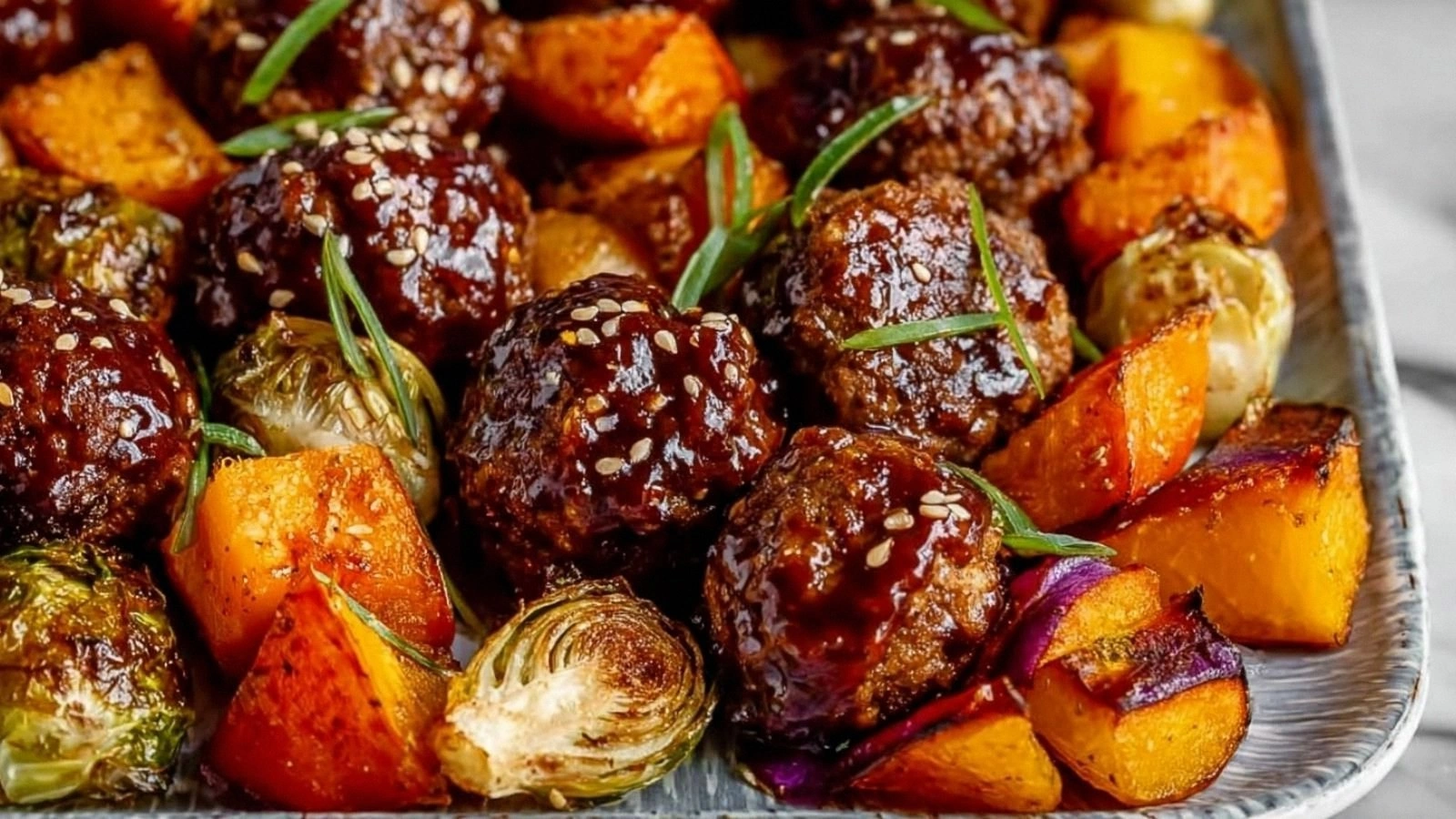
The first thing you notice is the aroma that rises from the oven—sweet potato caramel, the subtle nutty crunch of roasted Brussels sprouts, and a faint, smoky whisper of sesame oil. The sound is unmistakable: the sizzle as the meatballs hit the pan, the gentle pop of the glaze thickening. When you take that first bite, the texture is a paradoxical dance: a crispy exterior that gives way to a juicy, umami‑laden center, all coated in a glossy, velvety sauce that clings to the palate. The flavor is a layered symphony: sweet maple notes, spicy Gochujang heat, tangy rice vinegar, and the deep umami of soy sauce. The final touch of fresh scallions and sesame seeds adds a peppery crunch that completes the experience.
What makes this version stand out from every other recipe out there? It’s the meticulous balance of sweetness and heat, the strategic use of cornstarch to bind the meat without making it rubbery, and the decision to roast the veggies to bring out their natural sugars. Most recipes get this completely wrong by over‑cooking the meat or under‑seasoning the glaze. Here, the sauce coats the pasta like velvet, the edges of the meatballs shatter like thin ice when you bite, and the roasted veggies provide a satisfying counterpoint. If you’ve ever struggled with bland meatballs, you’re not alone—and I’ve got the fix. Picture yourself pulling this out of the oven, the whole kitchen smelling incredible, and the guests lining up for a second helping.
Let me walk you through every single step—by the end, you'll wonder how you ever made it any other way. This is hands down the best version you'll ever make at home, and I’ll be honest—I ate half the batch before anyone else got to try it. Stay with me here — this is worth it.
What Makes This Version Stand Out
- Flavor Depth: The combination of Gochujang, maple syrup, and soy sauce creates a layered taste that evolves with each bite.
- Texture Contrast: Crispy roasted vegetables meet tender, juicy meatballs, offering a satisfying bite that keeps you hooked.
- Visual Appeal: The golden glaze and vibrant greens make this dish Instagram‑ready without the need for fancy plating.
- Ingredient Quality: Using fresh scallions, real ginger, and low‑sodium soy sauce elevates the dish from ordinary to extraordinary.
- Time Efficiency: The overlapping prep steps mean you’re not staring at the stove for hours.
- Make‑Ahead Potential: The meatballs hold up well in the fridge and freezer, making this a perfect weeknight solution.
- Crowd‑Pleaser: The bold flavors and hearty portions make it a hit for both family dinners and dinner parties.
Inside the Ingredient List
The Flavor Base
The backbone of this dish is the sauce—a marriage of Gochujang, maple syrup, soy sauce, and rice vinegar. Each component plays a role: Gochujang brings heat and umami, maple syrup adds natural sweetness that caramelizes on the grill, soy sauce provides depth, and rice vinegar cuts through with bright acidity. Skipping the vinegar will leave the glaze cloyingly sweet; replacing maple syrup with honey changes the caramelization profile and introduces floral notes.
The Texture Crew
Sweet potatoes and Brussels sprouts are the star vegetables, each contributing distinct textures. Sweet potatoes soften into a creamy interior while retaining a slight bite, and Brussels sprouts crisp up around the edges, offering a satisfying crunch. Tossing them in sesame oil before roasting adds a nutty flavor and helps them brown evenly. If you’re short on sweet potatoes, you can swap them for butternut squash—just adjust the roasting time slightly.
The Unexpected Star
Cornstarch is the unsung hero that keeps the meatballs moist without making them gummy. When combined with the wet ingredients, it creates a cohesive mixture that holds together during baking. If you prefer a gluten‑free version, you can replace cornstarch with arrowroot powder; just use a 1:1 ratio. The key is to mix it in just before shaping the meatballs to avoid premature thickening.
The Final Flourish
Scallions and sesame seeds finish the dish with fresh, peppery notes and a subtle crunch. They also provide a pop of color that makes the plate visually striking. If you’re looking for extra heat, sprinkle a few extra Gochujang flakes on top just before serving. For a vegetarian twist, swap the ground beef with ground tofu and use vegetable broth instead of soy sauce.
Everything's prepped? Good. Let's get into the real action.
The Method — Step by Step
- Preheat your oven to 400°F (200°C). Peel the sweet potatoes and cut them into 1‑inch cubes, then trim the Brussels sprouts, halving them. Toss both with 1 tablespoon of sesame oil, a pinch of kosher salt, and a dash of black pepper. Spread them in a single layer on a parchment‑lined baking sheet, making sure they’re not crowded. When they hit the hot oven, they’ll sizzle and begin to caramelize, releasing a sweet, nutty aroma that will fill your kitchen.
- Roast the vegetables for 20–25 minutes, turning them halfway through. The sweet potatoes should be tender yet firm, with a golden crust, while the Brussels sprouts should have crisp edges and a slightly charred center. Keep an eye on them—the moment the edges start to blister, you’ll know they’re ready. The caramelized sugars will form a natural glaze that will cling to the meatballs later on.
- While the veggies roast, combine the ground beef, 1/4 cup panko breadcrumbs, 1/4 cup milk, 1 tablespoon sesame oil, 3 scallions (finely chopped), 3 teaspoons grated ginger, 4 minced garlic cloves, 1 teaspoon kosher salt, 4 teaspoons Gochujang, 1/2 cup low‑sodium soy sauce, 1/3 cup maple syrup, 2 tablespoons rice vinegar, and 1 tablespoon cornstarch. Mix gently until the mixture is sticky and holds together when pressed between fingers. The cornstarch will help the meatballs keep their shape and stay moist during baking.
- Shape the mixture into 1.5‑inch meatballs using a cookie scoop or your hands, then place them on a second parchment‑lined sheet. Bake at 400°F (200°C) for 15–18 minutes, or until the internal temperature reaches 160°F (71°C). The edges should turn a deep mahogany, and the meatballs will release a savory aroma that mingles with the roasted veggies. Watch out: baking them too long will dry them out; too short, and they’ll be raw in the center.
- While the meatballs finish, make the glaze. In a small saucepan, whisk together 1 tablespoon Gochujang, 1/4 cup soy sauce, 2 tablespoons maple syrup, 1 tablespoon rice vinegar, 1 minced garlic clove, 1 teaspoon grated ginger, 1 teaspoon cornstarch, and 2 tablespoons water. Cook over medium heat, stirring constantly, until the mixture thickens to a glossy consistency. This cornstarch slurry will give the glaze a silky finish that clings to each meatball.
- When the meatballs are done, remove them from the oven and let them rest for 5 minutes. This short rest allows the juices to redistribute, ensuring each bite is juicy. Toss the meatballs in the glaze, making sure every surface is coated. The glaze will caramelize slightly as the meatballs cool, creating a shiny, flavorful coating.
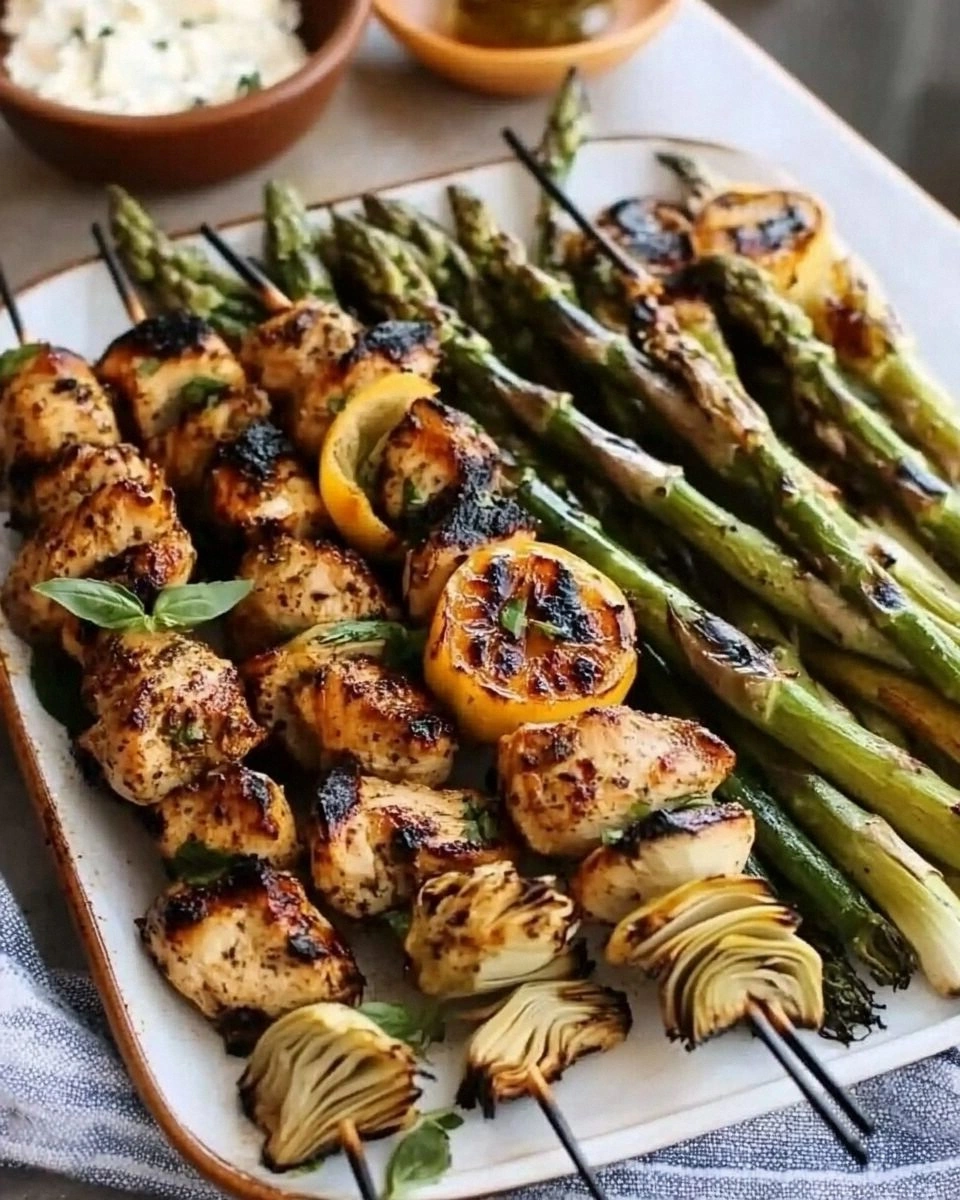
- Arrange the roasted sweet potatoes and Brussels sprouts on a serving platter. Nestle the glazed meatballs among them, then sprinkle with toasted sesame seeds and chopped green onions for a fresh, peppery finish. The contrast between the sweet, savory glaze and the crisp veggies is a flavor revelation.
- Serve immediately, or if you’re hosting a party, keep the platter warm in a low‑heat oven (about 200°F/90°C) for up to an hour. The meatballs will stay juicy, and the glaze will remain glossy. If you prefer a lighter version, simply reduce the amount of Gochujang and maple syrup.
- Optional: For an extra kick, drizzle a few drops of sriracha on top right before serving. The heat will contrast beautifully with the sweet glaze and the roasted vegetables. Remember, this dish is all about balance, so add heat gradually.
That's it — you did it. But hold on, I've got a few more tricks that'll take this to another level.
Insider Tricks for Flawless Results
The Temperature Rule Nobody Follows
Many cooks default to a high heat for roasting, but 400°F is the sweet spot for both the meatballs and the veggies. A lower temperature will leave the meat undercooked, while a higher one will char the surface and lock in moisture. I once tried 425°F and ended up with a rubbery texture that needed a second bake. Keep the oven at 400°F and trust the timer; the meatballs will be golden and the veggies caramelized.
Why Your Nose Knows Best
Your nose is a powerful tool for timing. When the roasted sweet potatoes release a sweet, nutty scent and the Brussels sprouts have a faint char, they’re ready. The same applies to the glaze—when it thickens to a glossy sheen and emits a caramelized aroma, you’re at the perfect point. Trust that instinct; it’s more reliable than a stopwatch.
The 5‑Minute Rest That Changes Everything
Letting the meatballs rest after baking allows the juices to redistribute, preventing a dry center. I once skipped this step and the meatballs were a sad, dry mess. A brief rest of 5 minutes is all it takes to seal in moisture and give you that juicy bite every time.
Use Fresh Ginger Over Powder
Fresh ginger delivers a bright, zesty punch that powdered ginger can’t match. It also adds a subtle heat that complements the Gochujang. I’ve tried substituting powdered ginger, and the dish lost that lively, aromatic edge. Keep it fresh for the best flavor.
Keep Meatballs Moist
Avoid over‑mixing the meatball mixture; too much agitation forces out moisture, resulting in a dry texture. Mix just until the ingredients are combined and the mixture is sticky. This simple step keeps the meatballs tender and juicy.
Quick Thaw for Frozen Meatballs
If you’re using frozen meatballs, thaw them in the refrigerator overnight, then let them sit at room temperature for 20 minutes before baking. This ensures even cooking and prevents the outside from overcooking while the center remains frozen.
Creative Twists and Variations
This recipe is a playground. Here are some of my favorite ways to switch things up:
Swap the Meat
Use ground pork or turkey for a leaner version, or try ground lamb for a richer, Mediterranean twist. The cooking time remains the same, but the flavor profile shifts subtly.
Vegetarian Vibes
Replace the beef with crumbled tofu or tempeh, and substitute soy sauce with a plant‑based alternative. The texture will be slightly firmer, and the dish will still carry the same umami punch.
Kimchi Kick
Stir in a handful of chopped kimchi to the meatball mixture for an extra layer of fermented tang. The kimchi’s sharpness will contrast nicely with the sweet glaze.
Sweet Potato Fries
Instead of cubes, cut the sweet potatoes into fries and toss them in the same oil and seasoning. They’ll offer a different crunch and a fun textural variety.
Coconut Cream Glaze
Add a splash of coconut milk to the glaze for a creamy, tropical twist. The richness will balance the heat from the Gochujang.
Miso Twist
Replace soy sauce with miso paste for an earthy depth. The miso will caramelize beautifully, giving the glaze a complex flavor.
Storing and Bringing It Back to Life
Fridge Storage
Store leftovers in an airtight container for up to 4 days. The sweet potatoes and Brussels sprouts will keep their texture, and the meatballs will stay moist if you reheat them gently.
Freezer Friendly
Freeze the cooked meatballs and roasted veggies separately in freezer bags for up to 3 months. When you’re ready to eat, thaw overnight in the fridge, then reheat.
Best Reheating Method
Reheat in a skillet over medium heat, adding a splash of water to create steam and restore moisture. Alternatively, bake at 350°F for 10 minutes. A tiny splash of water before reheating steams the dish back to perfection.