Introduction
I was halfway through a midnight snack when my oven betrayed me, turning a humble chicken thigh into a dry, flavorless slab. I stared at the charred remains, feeling the sting of disappointment that can only be described as culinary heartbreak. But then I remembered that one kitchen experiment that saved the night: a splash of lemon, a whisper of garlic, and a generous brush of olive oil. That moment of inspiration sparked a new obsession: turning every chicken thigh into a juicy, aromatic masterpiece. If you’re tired of bland, overcooked poultry, you’re in for a revelation.
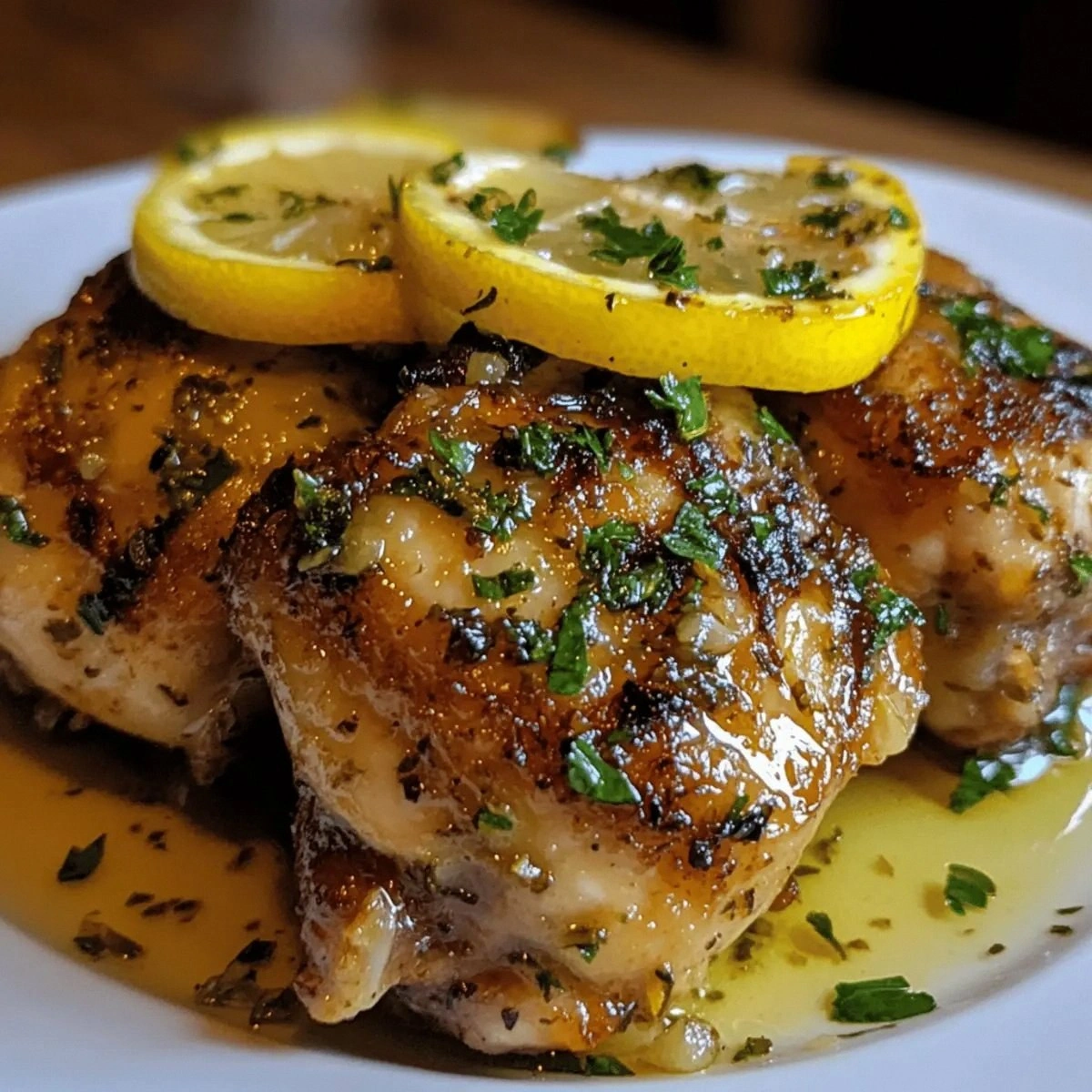
Picture this: the oven door opens to reveal a golden, blistered skin that crackles like a tiny fireworks display. The scent of citrus and roasted garlic rises, weaving through the air and tugging at your memory of summer picnics. As you lift a thigh, the juices glisten, thick as honey, promising a melt-in-your-mouth experience. The sound of the first bite is a satisfying snap, followed by a burst of tang and heat that lingers on the palate. Every texture, from the crisp exterior to the tender interior, feels like a well‑orchestrated symphony.
What makes this version stand out is the meticulous balance between acidity and richness, the strategic use of skin‑on thighs for maximum moisture, and a simple yet powerful seasoning blend that elevates rather than overwhelms. The technique of searing before roasting locks in flavor, while the brief resting period allows the juices to redistribute evenly. Unlike other recipes that rely on heavy sauces or over‑crowding the pan, this dish stays airy, letting the natural flavors shine through. The result is a dish that is both comforting and sophisticated, perfect for a weeknight dinner or an impromptu gathering.
There’s a secret ingredient that you might not expect: a dash of dried oregano or thyme that adds a subtle earthiness, balancing the citrus sharpness. I dare you to taste this and not go back for seconds, because the first bite will have you questioning why you ever settled for anything else. Picture yourself pulling this out of the oven, the whole kitchen smelling incredible, and the family gathering around, eager to dig in. Let me walk you through every single step—by the end, you’ll wonder how you ever made it any other way.
What Makes This Version Stand Out
- Flavor: The bright lemon cuts through the richness of the chicken, creating a balanced taste that feels both fresh and comforting. The garlic adds depth, while the oregano or thyme gives a subtle herbal undertone.
- Texture: The skin turns blisteringly crisp, while the meat stays moist and tender, thanks to the searing technique and the resting period that redistributes juices.
- Simplicity: With only eight ingredients, you can create a gourmet meal in under an hour, making it ideal for busy weekdays or last‑minute guests.
- Uniqueness: The combination of lemon, garlic, and oregano in a single pan is a flavor profile rarely found in standard chicken recipes, giving this dish a distinct identity.
- Crowd Reaction: Even the most discerning palates rave about the aromatic crust and juicy interior, making it a guaranteed hit at family dinners.
- Ingredient Quality: Using bone‑in, skin‑on thighs ensures natural fat rendering, which keeps the meat succulent and adds a savory depth that boneless cuts lack.
- Cooking Method: Searing first, then roasting, allows you to lock in flavors while achieving a uniform doneness without overcooking.
- Make‑ahead Potential: This dish can be prepared ahead of time, reheated, and still retain its crisp skin and juicy center, making it a versatile option for meal prep.
Inside the Ingredient List
The Flavor Base
Fresh lemon juice is the star that introduces brightness and a natural acidity that cuts through the richness of the chicken. It also helps the skin crisp up by evaporating moisture quickly. Garlic cloves add a warm, savory depth that complements the citrus; when minced, they release a fragrant steam that permeates the pan. Dried oregano or thyme offers an earthy counterpoint, grounding the bright notes and adding a subtle herbal complexity. Skipping any of these would leave the dish flat, lacking the layered character that makes it unforgettable.
The Texture Crew
Bone‑in, skin‑on chicken thighs are the backbone of this recipe. The bone keeps the meat juicy, while the skin locks in flavor and turns into a buttery, crisp sheet of golden delight. Olive oil is the medium that binds everything together; it coats the skin, preventing it from sticking and ensuring even browning. If you prefer a leaner cut, consider using skin‑on drumsticks, but be prepared for a slightly different texture profile.
The Unexpected Star
Fresh parsley is the finishing touch that brings a pop of green, a hint of brightness, and a fresh finish to the dish. It also balances the richness of the chicken and the oil. A pinch of parsley can make the dish feel lighter and more vibrant. If you’re out of parsley, a splash of chopped cilantro or basil can work as a fun alternative.
The Final Flourish
Seasoning is simple yet essential: a teaspoon of salt and half a teaspoon of black pepper bring out the natural flavors without overpowering them. Salt draws out moisture from the meat, creating a tender interior, while pepper adds a subtle heat that lingers on the palate. If you’re watching sodium, reduce the salt by half and season more heavily with herbs.
Everything's prepped? Good. Let's get into the real action.
The Method — Step by Step
- Preheat your oven to 425°F (220°C) and line a rimmed baking sheet with parchment paper. The high heat is essential for that blistered, golden skin that makes this dish unforgettable. Let the sheet sit in the oven while you prepare the chicken, so it’s ready to go. The scent of hot metal will start to mingle with the anticipation of a delicious dinner.
- Pat the chicken thighs dry with paper towels; moisture is the enemy of crispness. Season both sides generously with salt and pepper, making sure the seasoning penetrates the skin. A good rub ensures the flavors cling to the meat and creates a savory crust once seared.
- Heat a heavy‑bottom skillet (preferably cast iron) over medium‑high heat and add the olive oil. Once shimmering, place the thighs skin‑side down, leaving them untouched for 3-4 minutes. The oil should sizzle, and the skin will begin to brown. This step locks in juices and sets the stage for a crisp finish.
- Flip the thighs and add the minced garlic, oregano or thyme, and a splash of lemon juice to the pan. The aromatics will steam and infuse the meat, creating a fragrant base that will permeate the oven. The lemon juice also helps the skin crisp up by evaporating moisture quickly. Keep the heat at medium to avoid burning the garlic.
- Transfer the skillet to the preheated oven and roast for 20-25 minutes, or until the internal temperature reaches 165°F (74°C). Halfway through, spoon some of the pan juices over the thighs to keep them moist. The aroma will intensify, filling your kitchen with a citrusy, garlicky perfume that makes the waiting feel worth it.
- Remove the thighs from the oven and let them rest for 5 minutes. Resting allows the juices to redistribute, ensuring every bite is as juicy as the first. While they rest, you can finish plating or prepare a quick side.
- Sprinkle fresh parsley over the thighs just before serving. The green burst adds color, brightness, and a fresh finish that balances the rich flavors. Plate the thighs on a warm dish, drizzle any remaining pan juices over the top, and serve immediately.
- Serve with a simple side such as roasted potatoes, a crisp green salad, or buttery rice. The versatility of this dish means it can be the star of a cozy weeknight or the centerpiece of a weekend gathering. Enjoy the symphony of flavors, and remember to savor each bite.
That's it — you did it. But hold on, I've got a few more tricks that'll take this to another level.
Insider Tricks for Flawless Results
The Temperature Rule Nobody Follows
Many cooks swear by low and slow, but for this dish, a high oven temperature is key to achieving that blistered skin. A 425°F oven ensures the skin crisps quickly while the interior cooks through without drying out. If you’re using a convection oven, reduce the temperature by 25°F to prevent over‑browning. This small adjustment can make the difference between a mediocre and a memorable meal.
Why Your Nose Knows Best
Before you even touch the meat, give the pan a quick sniff. A fragrant, citrusy aroma indicates that the lemon juice has begun to caramelize, and the garlic is releasing its savory oils. Trust that scent as a cue to flip the thighs. A lack of aroma can mean you’re under‑seasoned or the heat is too low.
The 5-Minute Rest That Changes Everything
Resting isn’t just a polite gesture; it’s a science. During the five‑minute rest, the muscle fibers relax, allowing juices to redistribute. Skipping this step often results in a dry, uneven bite. Even a short rest can make the difference between a good dish and a great one.
The Skillet Secret
Use a heavy skillet that can withstand high temperatures without warping. Cast iron is ideal because it retains heat evenly, creating a consistent sear. If you don’t have one, a stainless steel pan will do, but be sure it’s thick‑bottomed.
The Citrus Swap
If you’re in a pinch or want a different twist, try orange or grapefruit juice instead of lemon. The sweeter citrus will add a subtle caramel note, while still providing the necessary acidity to keep the skin crisp.
The Leftover Transformation
Leftovers are a canvas for creativity. Slice the thighs thinly and toss them into a fresh salad or use them in a sandwich with a tangy mustard sauce. The flavors will meld beautifully, giving the leftovers a new life.
Creative Twists and Variations
Spicy Kick
Add a pinch of crushed red pepper flakes to the seasoning mix or drizzle a splash of sriracha over the thighs before serving. The heat will cut through the richness and add a fiery edge that pairs well with cool yogurt dips.
Herb Garden
Swap oregano for fresh rosemary or thyme, and finish with a sprinkle of chopped basil. The fresh herbs bring a fragrant, earthy layer that feels like a walk through a Mediterranean garden.
Asian Twist
Replace the lemon juice with a splash of rice vinegar and add a teaspoon of grated ginger. Serve over jasmine rice and garnish with scallions for a fusion dish that’s both bright and savory.
Smoky BBQ
After searing, brush the thighs with a smoky barbecue sauce and finish under the broiler for a caramelized glaze. The smoky flavor will complement the citrusy base, creating a complex, layered taste.
Mediterranean Flair
Infuse the pan with a handful of kalamata olives and capers before roasting. The briny notes will add depth, and the olives will provide a delightful texture contrast.
Citrus Burst
Finish with a zest of orange or lime, and drizzle a little honey over the thighs to balance the acidity. The bright citrus zest will elevate the dish into a refreshing, palate‑cleaning finale.
Storing and Bringing It Back to Life
Fridge Storage
Cool the cooked thighs to room temperature, then wrap tightly in foil or place in an airtight container. Store in the refrigerator for up to 3 days. The skin may soften slightly, so reheat gently to restore crispness.
Freezer Friendly
Wrap each thigh in parchment paper, then place in a freezer bag. Label with the date and freeze for up to 2 months. Thaw overnight in the refrigerator before reheating.
Best Reheating Method
Reheat in a preheated 375°F (190°C) oven for 10-12 minutes, or until heated through. Add a splash of water to the pan before covering with foil; the steam will help the meat stay moist and the skin will regain some crispness.