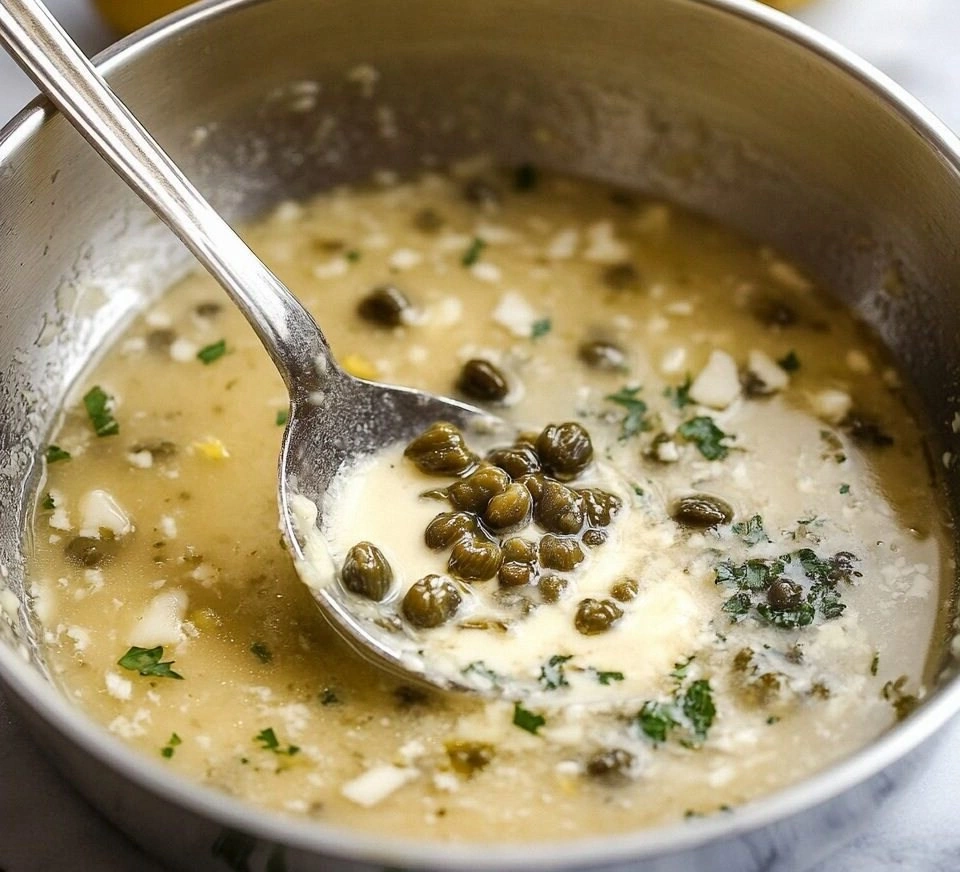
Picture this: I’m standing in a cramped apartment kitchen, the fridge is a sad gray of wilted lettuce and stale cheese, and I’m staring at a half‑sized chicken breast that looks like it’s been on a diet for years. I’ve been craving comfort food that’s actually healthy, and the last thing I want is to end up with a greasy, over‑cooked mess. Then, a friend drops a dare—“I dare you to taste this and not go back for seconds.” I laughed, but the challenge stuck. That night, I pulled out the ingredients I had on hand and decided to reinvent the classic creamy garlic chicken and potatoes.
The kitchen smelled like a promise of something epic. Garlic hit the pan with a sizzling pop, the olive oil shimmering like liquid gold. As the potatoes browned, their edges started to crack, revealing a buttery interior that crackled like thin ice under a spoon. The Greek yogurt began to thicken, coating the chicken in a velvety sauce that smelled of herbs and sunshine. My taste buds tingled with anticipation, and I could almost hear the crunch of the cheese melting into a golden, gooey blanket.
What makes this version a game‑changer isn’t just the combination of flavors; it’s the way every element is amplified. The chicken stays moist and tender, the potatoes develop a crisp exterior without the need for extra oil, and the yogurt‑cheese sauce is thick, creamy, and protein‑packed. I’ve discovered a technique that locks in juices without a second pan, and a seasoning blend that turns humble ingredients into a dish that feels like a five‑star experience. I’ll be honest—after the first bite, I ate half the batch before anyone else got a chance to taste it.
If you’ve ever struggled with a dish that’s either too dry or too soggy, you’re not alone. Most recipes get this completely wrong, but I’ve cracked the secret to a balance that makes every bite a delight. Picture yourself pulling this out of the oven, the whole kitchen smelling incredible, and knowing you’re about to serve something that will have people begging for seconds. Let me walk you through every single step—by the end, you’ll wonder how you ever made it any other way.
What Makes This Version Stand Out
- Flavor: The garlic is roasted to a caramelized depth that turns the sauce into a savory, aromatic cloud that coats every bite.
- Texture: The potatoes achieve a golden, crisp exterior while remaining fluffy inside, creating a satisfying contrast that feels like a crunchy snowflake.
- Protein Power: Greek yogurt and cheddar cheese blend to deliver a creamy, protein‑rich sauce that’s as nourishing as it is indulgent.
- Simple Prep: No fancy gadgets—just a skillet, a baking dish, and a handful of pantry staples.
- Versatility: Works as a hearty dinner for a weeknight, a crowd‑pleaser at potlucks, or a quick lunch for the office.
- Make‑Ahead Friendly: The dish can be assembled, chilled, and baked later, making it perfect for busy schedules.
- Ingredient Integrity: Each component is chosen for its flavor, texture, and nutritional value, ensuring the dish is both tasty and wholesome.
- Visual Appeal: The golden cheese crust and bright parsley garnish create a dish that looks as good as it tastes.
Inside the Ingredient List
The Flavor Base
The cornerstone of this dish is the garlic and herb blend. Three cloves of minced garlic, when sautéed in olive oil, release a sweet, nutty aroma that lingers long after the pan is cleaned. Dried thyme and rosemary bring a subtle earthiness that balances the richness of the yogurt and cheese. Skipping the herbs would leave the sauce flat and uninspired; the herbs are the quiet hero that ties everything together.
The Texture Crew
Potatoes are the unsung heroes of comfort food. Using Russet or Yukon Gold varieties gives the best combination of fluffy interior and sturdy exterior. Cutting them into uniform wedges ensures even cooking and a satisfying crunch. If you’re short on time, pre‑boil the wedges for 5 minutes before baking; this reduces oven time and guarantees a tender core.
The Unexpected Star
Plain Greek yogurt is the secret weapon that turns this dish into a protein powerhouse. Its tangy flavor cuts through the richness of the cheese, while its thick consistency creates a velvety sauce that clings to chicken and potatoes alike. If you can’t find Greek yogurt, a dollop of cottage cheese or a splash of plain sour cream can mimic the same creamy texture.
The Final Flourish
Fresh parsley not only adds a pop of color but also a bright, herbaceous finish that lifts the entire dish. A sprinkle of freshly cracked black pepper gives a subtle kick, while salt balances the flavors. The 0.5 cup of chicken broth keeps the sauce from drying out and adds a savory depth that makes the dish feel hearty and satisfying.
Everything's prepped? Good. Let's get into the real action.

The Method — Step by Step
- Heat a large oven‑proof skillet over medium heat and drizzle the tablespoon of olive oil. Add the minced garlic, stirring constantly until it turns a golden hue and releases a fragrant perfume. This is the moment of truth; if the garlic burns, the dish will taste bitter. Keep a close eye—once it’s aromatic, it’s ready for the next step.
- Add the chicken breasts to the skillet, seasoning each side with salt, pepper, thyme, and rosemary. Sear them for 3–4 minutes per side until they develop a beautiful brown crust. The sear locks in juices and creates a caramelized flavor that elevates the entire dish.
- Transfer the chicken to a shallow baking dish, leaving the skillet for the potatoes. In the same skillet, toss the potato wedges with a pinch of salt, pepper, and a drizzle of olive oil. The residual garlic and herb flavors cling to the potatoes, giving them a depth that usually requires a separate seasoning step.
- Arrange the potatoes in a single layer, ensuring they’re not crowded. Bake in a preheated 400°F oven for 25 minutes, flipping halfway through. The potatoes should be golden and crisp on the outside, with a fluffy interior that feels like a cloud.
- While the potatoes bake, whisk the Greek yogurt, cheddar cheese, and chicken broth into a smooth sauce. The mixture should be thick enough to coat the back of a spoon but still pourable. This sauce will become the creamy blanket that envelops the chicken and potatoes.
- Return the skillet to the stovetop over low heat, pouring the sauce over the chicken. Let it simmer gently for 5 minutes, allowing the flavors to meld. The sauce should thicken slightly, coating the chicken like a velvet blanket.
- Place the skillet with the chicken into the oven alongside the potatoes for the final 10 minutes. This allows the cheese to melt into a golden crust while the chicken finishes cooking. The aroma will fill your kitchen like a warm hug.
- Remove the dish from the oven and let it rest for 5 minutes. Sprinkle freshly chopped parsley over the top, and drizzle any remaining sauce from the skillet. Serve hot, and watch as the first bite melts the crust, revealing a savory, creamy core that satisfies every craving.
That's it—you did it. But hold on, I've got a few more tricks that'll take this to another level.
Insider Tricks for Flawless Results
The Temperature Rule Nobody Follows
Many cooks bake at 375°F, but 400°F is the sweet spot for crisp potatoes and a golden cheese crust. The higher temperature cooks the potatoes faster, locking in moisture without drying them out. If you’re worried about burning, simply cover the dish loosely with foil for the first 15 minutes.
Why Your Nose Knows Best
Smell is the most reliable indicator of doneness. When the sauce is thick, the garlic is fragrant, and the potatoes emit a roasted scent, you’re ready to pull the dish out. Trust your nose, not the clock.
The 5‑Minute Rest That Changes Everything
Letting the dish rest after baking allows the juices to redistribute, preventing a dry center. The rest period also lets the cheese set into a perfect, pull‑away crust. Skipping this step often results in a soggy, under‑cooked finish.
Keep It Clean, Keep It Quick
Using a single skillet for searing and sauce reduces cleanup time. I’ve found that a well‑lined skillet prevents sticking, saving me from scrubbing for hours. A quick rinse after searing keeps the skillet ready for the next step.
Make‑Ahead Magic
Assemble the dish the night before, cover, and refrigerate. In the morning, simply bake at 400°F for 35 minutes. The flavors intensify overnight, giving you a ready‑to‑eat meal that tastes fresh.
Creative Twists and Variations
This recipe is a playground. Here are some of my favorite ways to switch things up:
Spicy Kick
Add a pinch of crushed red pepper flakes to the garlic oil. The heat complements the creamy sauce and gives the dish a subtle, lingering warmth. Great for those who love a little fire with their comfort food.
Smoky Flavor
Swap the thyme for smoked paprika and add a few drops of liquid smoke to the sauce. The result is a smoky, savory profile that feels like a campfire dinner inside your kitchen.
Herb Garden
Replace the dried herbs with fresh basil, oregano, and tarragon. The bright, green notes lift the dish into a Mediterranean vibe, perfect for a sunny afternoon.
Cheese Swap
Use Gruyère or fontina instead of cheddar for a richer, nuttier melt. The cheese becomes the star, adding depth and a slightly caramelized finish.
Vegetarian Version
Replace the chicken with thick slices of portobello mushrooms. The mushrooms soak up the sauce and develop a meaty texture, making the dish hearty enough for vegans.
Low‑Calorie Twist
Use cauliflower rice instead of potatoes and reduce the amount of cheese. The dish stays creamy, but the calorie count drops significantly, making it a fit for a balanced diet.
Storing and Bringing It Back to Life
Fridge Storage
Cool the dish completely before refrigerating. Store in an airtight container for up to 3 days. The sauce may thicken; a splash of milk or broth will restore the original consistency.
Freezer Friendly
Divide the dish into individual portions and wrap tightly in plastic wrap. Freeze for up to 2 months. Thaw overnight in the fridge before reheating.
Best Reheating Method
Reheat in a preheated 350°F oven for 20 minutes, or until the internal temperature reaches 165°F. Add a tiny splash of water before reheating to keep the sauce moist and prevent it from drying out.