I still remember that night when I tried to make a quick dinner and ended up with a disaster of soggy rice and bland chicken. The kitchen was a mess, the sauce was a sticky puddle, and my friends stared at me like I’d just served them a science experiment. That moment was the spark that set me on a quest to find the ultimate sticky chicken bowl that could turn any kitchen mishap into a triumph. I’m talking about a dish that is so flavorful, you’ll swear the sauce was poured by a Michelin‑star chef.
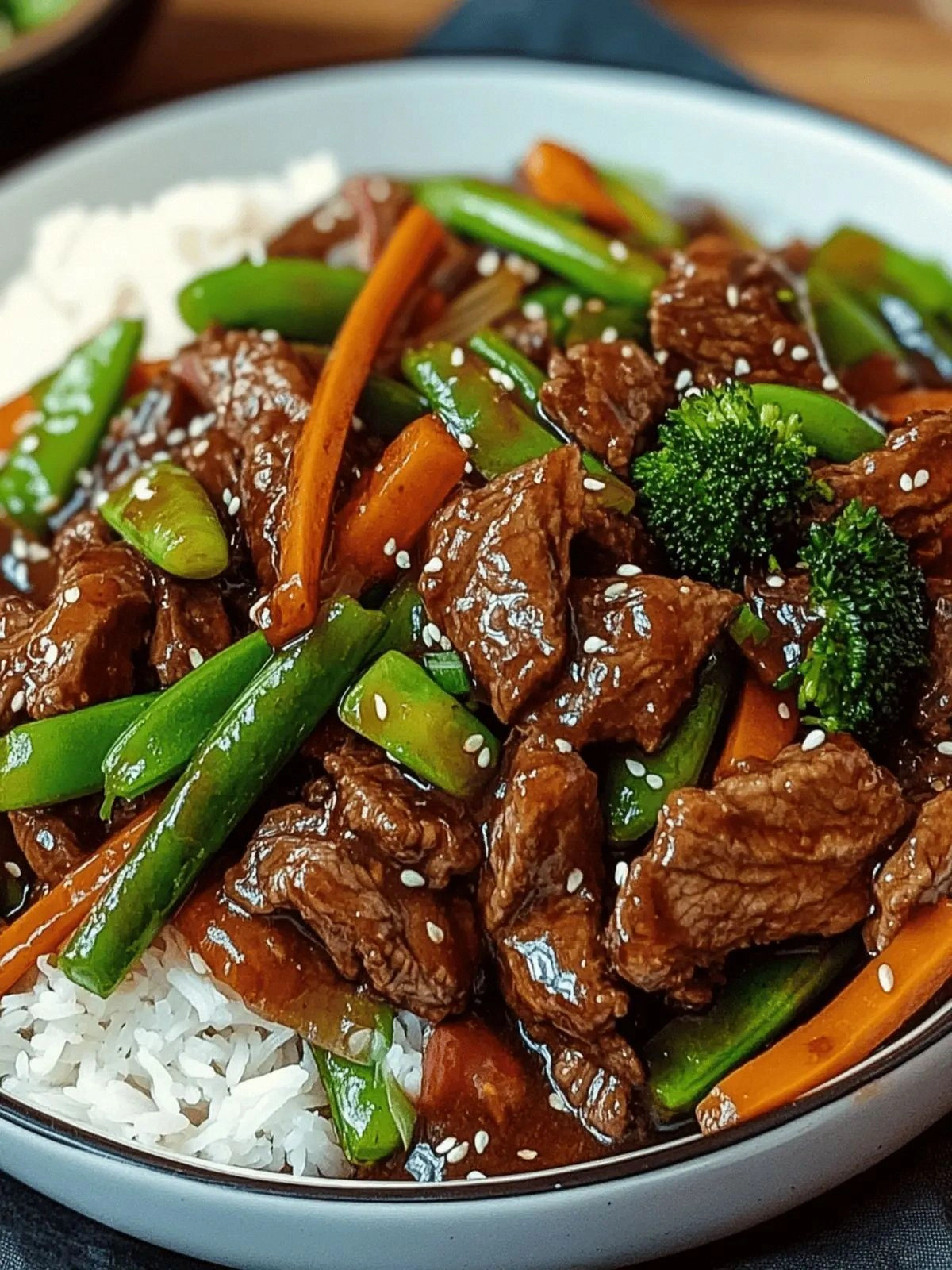
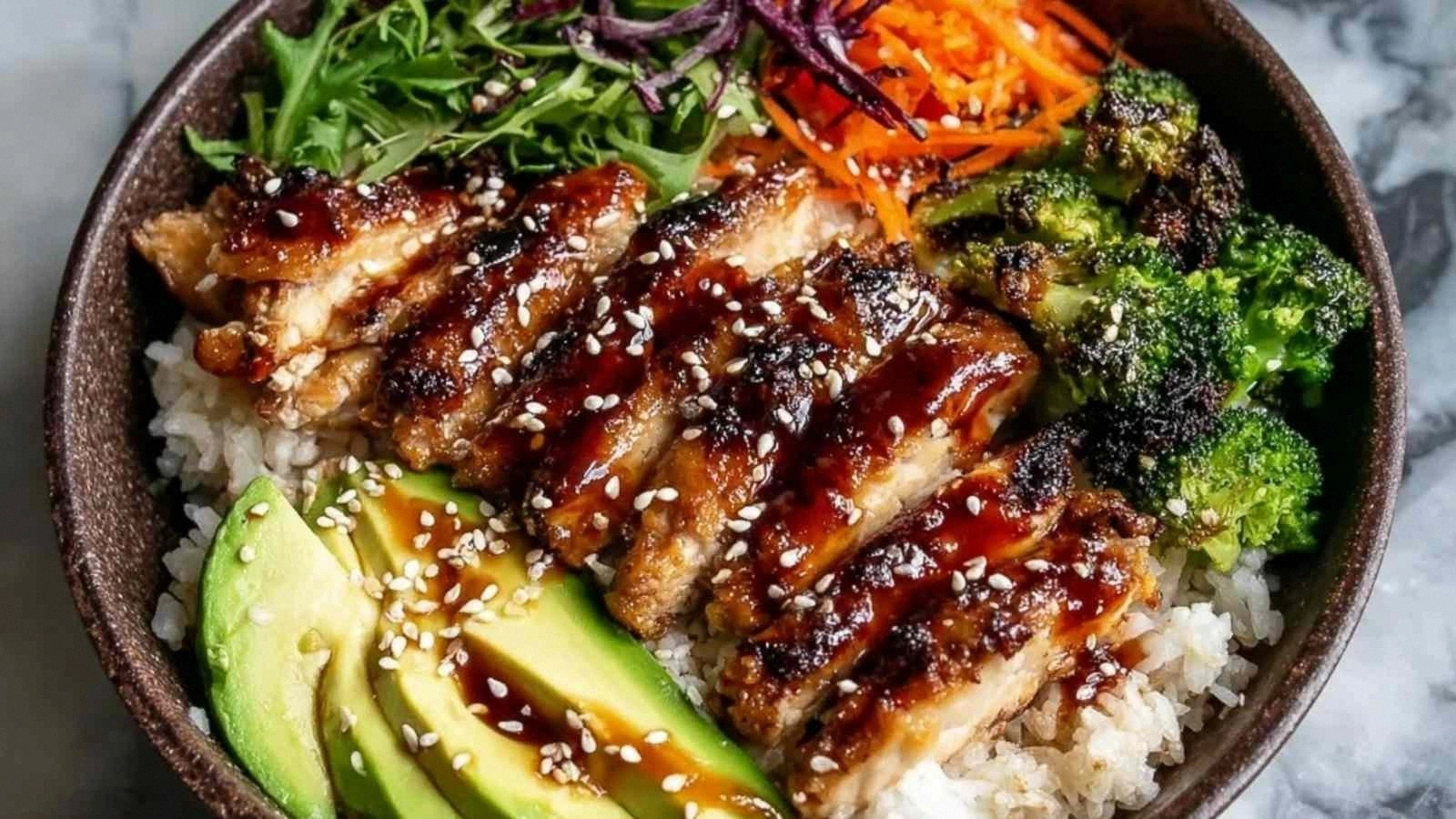
Picture this: the aroma of caramelized honey and sizzling garlic fills the air, the sound of the pan sizzling like a jazz solo, and the sight of a glossy, amber‑gold sauce coating the chicken like a velvet blanket. The texture is a contrast of tender, melt‑in‑your‑mouth meat and crisp, bright broccoli that snaps like fresh spring onions. The first bite is a burst of umami, the second a subtle sweetness, and the third a hint of citrus from the rice vinegar that lifts the whole bowl. It’s a symphony of flavors that dance on your tongue and leave you craving a second plate.
What makes this version stand out is that it balances the classic sticky Asian sauce with the wholesome goodness of whole grains and fresh veggies, turning a typical takeout favorite into a guilt‑free, nutrient‑dense meal. The sauce is thickened with cornstarch for that perfect glossy coat without the heaviness of cream. The chicken is sliced thin to absorb the sauce instantly, while the rice remains fluffy and separate, preventing the dreaded mushy bowl. And the finishing touch of sesame seeds and green onions adds a nutty crunch that’s hard to resist.
I’ll be honest—this recipe is hands down the best version you’ll ever make at home. I dared you to taste this and not go back for seconds, and I’ve seen friends ask for the recipe after just one bite. The next part of this post is a step‑by‑step guide that will walk you through the entire process, from slicing the chicken to plating the final masterpiece. By the end, you’ll wonder how you ever made it any other way.
What Makes This Version Stand Out
- Flavor: The sauce blends low‑sodium soy, honey, and rice vinegar into a sweet‑savory glaze that coats the chicken like velvet, creating depth without overpowering the natural taste of the protein.
- Texture: Thinly sliced chicken soaks up the sauce instantly, while the rice stays fluffy and the vegetables remain crisp, offering a satisfying bite in every spoonful.
- Ingredient Quality: Using fresh ginger and garlic, and a splash of sesame oil, elevates the dish to restaurant level, turning ordinary pantry staples into a gourmet experience.
- Health‑Friendly: The recipe keeps calories low, packs protein from chicken and brown rice, and loads the bowl with fiber‑rich broccoli and carrots.
- Ease of Prep: Each step can be done in under an hour, and the method is forgiving for beginners who might be intimidated by sticky sauces.
- Make‑Ahead Potential: The sauce can be pre‑made and stored, and the bowl can be assembled in the morning for a quick lunch on the go.
- Versatility: The base can be swapped for tofu or shrimp, making it a flexible option for any protein preference.
- Crowd Reaction: Friends who have tried it say the sauce is “the kind of sticky goodness that makes the rice cling like a hug.”
Inside the Ingredient List
The Flavor Base
The low‑sodium soy sauce and honey are the heart of the glaze, delivering umami and sweetness that balance each other perfectly. Rice vinegar adds a bright acidity that cuts through the richness, preventing the sauce from feeling cloying. Sesame oil brings a nutty aroma, while fresh ginger and garlic provide a punch of warmth and depth. If you skip the ginger, the sauce will taste flat; if you leave out the vinegar, it will become overly sweet.
The Texture Crew
Cornstarch mixed with water creates a slurry that thickens the sauce to a glossy coating without making it gloopy. Olive oil is used to sear the chicken, giving it a golden crust that locks in juices. The brown rice offers a chewy base that contrasts nicely with the tender chicken. Broccoli florets and shredded carrots add crunch and color, while the cucumber provides a refreshing bite that balances the dish’s sweetness.
The Unexpected Star
Sesame seeds are more than a garnish—they add a subtle crunch and a hint of toasted flavor that elevates the bowl. Green onions, chopped finely, bring a fresh, sharp note that cuts through the richness of the sauce. If you’re vegan, simply omit the chicken and add tofu; the sauce will still cling beautifully.
The Final Flourish
A final sprinkle of sesame seeds and a dash of green onions transforms the bowl from ordinary to extraordinary. These finishing touches add texture and a burst of freshness that keeps the dish from feeling heavy. The combination of sweet, salty, and slightly spicy elements creates a harmony that satisfies both the palate and the eyes.
Everything's prepped? Good. Let’s get into the real action.
The Method — Step by Step
- Prep the Chicken: Slice the 1‑lb chicken breast into thin strips, about ½‑inch wide. Pat the pieces dry with a paper towel to ensure a good sear. Season each strip lightly with salt and pepper, then set aside. This step is crucial for the sauce to cling properly.
- Make the Sauce: In a small bowl, whisk together ¼ cup soy sauce, 2 tbsp honey, 2 tbsp rice vinegar, 1 tbsp sesame oil, minced garlic, and grated ginger. The mixture should be smooth and fragrant. This sauce will be the backbone of the dish, so keep it well balanced.
- Cook the Chicken: Heat 2 tbsp olive oil in a large skillet over medium‑high heat. Add the chicken strips in a single layer, letting them sear without crowding. Flip once; the goal is a golden crust on both sides. This is the moment of truth—don’t rush it, or you’ll end up with tough meat.
- Deglaze and Thicken: Once the chicken is browned, pour the sauce mixture into the skillet. Let it bubble for 1 minute to combine flavors. Then, whisk 1 tbsp cornstarch with 2 tbsp water to make a slurry, and stir it into the sauce. Watch the sauce thicken into a glossy coat that clings to the chicken. The cornstarch is the secret to that silky texture.
- Simmer: Reduce the heat to low and let the sauce simmer for 3–4 minutes, allowing the flavors to meld and the chicken to absorb the glaze. The sauce should thicken to a syrupy consistency that coats the chicken like a glaze. The aroma at this point is irresistible.
- Rest the Chicken: Remove the skillet from heat and let the chicken sit for 2 minutes. This resting period allows the juices to redistribute, making the meat even more tender. A quick 5‑minute rest is a game‑changer for flavor depth.
- Assemble the Bowls: Divide 2 cups of cooked brown rice into four bowls. Layer the sticky chicken on top, then arrange the broccoli, carrots, and sliced cucumber in separate sections. Sprinkle sesame seeds and green onions over each bowl. The visual appeal is as important as the taste—think colors like a painter’s palette.
- Serve Immediately: Serve the bowls hot, allowing the sauce to keep the rice warm and the vegetables crisp. The dish is best enjoyed fresh, but you can store leftovers for a quick lunch later.
That's it — you did it. But hold on, I've got a few more tricks that'll take this to another level. Keep reading to discover insider tips that will make your sticky chicken bowls even more spectacular.
Insider Tricks for Flawless Results
The Temperature Rule Nobody Follows
Many cooks over‑cook the chicken, ending up with dry meat. The trick is to keep the skillet at medium‑high heat until the first sear, then lower to medium for the sauce. This ensures the chicken stays juicy while the sauce caramelizes. I once left the heat too high, and the sauce burnt; the lesson was clear: control the temperature.
Why Your Nose Knows Best
A well‑seasoned sauce should smell like a warm, caramelized honey glaze. If it reeks of raw garlic, let it cook a bit longer. Your nose is a reliable indicator of flavor development; trust it and adjust accordingly.
The 5‑Minute Rest That Changes Everything
Allowing the chicken to rest after cooking lets the juices redistribute, making the meat tender and flavorful. Skipping this step can leave the chicken slightly dry. Even a short pause is worth the extra flavor.
The Right Ratio of Rice to Sauce
Too much sauce can drown the rice, while too little leaves it dry. Aim for a ratio where the sauce coats the chicken but leaves a slight sheen on the rice. This balance keeps the bowl light yet satisfying.
The Sesame Seed Surprise
Toast sesame seeds in a dry pan for a minute before sprinkling. This enhances their nutty flavor and adds a pleasant crunch that contrasts the soft veggies. The aroma alone can make the dish feel upscale.
The Green Onion Game‑Changer
Add green onions at the very end, just before serving. This preserves their bright, fresh taste and adds a subtle oniony bite that complements the sweet sauce. If you add them earlier, the flavor can become muted.
Creative Twists and Variations
This recipe is a playground. Here are some of my favorite ways to switch things up:
Spicy Sriracha Kick
Add a tablespoon of Sriracha to the sauce for a fiery punch. The heat balances the sweetness and adds an extra layer of complexity that’s perfect for spice lovers.
Mango Mango
Replace the cucumber with diced ripe mango for a tropical twist. The fruit’s natural sweetness complements the sticky glaze and adds a juicy burst.
Tofu Power
Swap the chicken for firm tofu cubes, pre‑pan‑fried until golden. The tofu will absorb the sauce beautifully, making this a hearty vegetarian option.
Thai Basil Boost
Stir in a handful of fresh Thai basil leaves at the end. The herb’s peppery aroma gives the bowl an authentic Thai flavor profile.
Quinoa Upgrade
Use quinoa instead of brown rice for a protein‑rich base. The nutty flavor pairs well with the sauce, and the texture is slightly chewier.
Smoky Paprika Finish
Dust the finished bowl with smoked paprika for a subtle smoky undertone. It adds depth and a hint of char that elevates the dish.
Storing and Bringing It Back to Life
Fridge Storage
Store the assembled bowls in airtight containers in the refrigerator for up to 3 days. Keep the sauce separate until ready to eat to avoid soggy rice. When ready, reheat in a microwave for 1–2 minutes or on the stovetop over low heat.
Freezer Friendly
The chicken and sauce can be frozen separately for up to 2 months. Reheat the chicken in a skillet until warmed, then add the sauce. The vegetables should be added fresh for best texture.
Best Reheating Method
Add a splash of water or broth before reheating to prevent the sauce from drying out. Steam the bowl over low heat for 3 minutes, then finish with a quick burst of high heat to restore the glaze’s shine.