I was staring at a pile of stale baguette in my kitchen, feeling the kind of culinary dread that makes you question every life choice. I had just burned a batch of croissants and my roommate, a self‑proclaimed “fig aficionado,” was demanding a midnight snack. I promised her something that would turn that burnt disappointment into an edible triumph. I swear, if you’ve ever found yourself in that kitchen mess, you know the weight of a single decision.
Fast forward to a few minutes later: the oven was humming, a pan of butter‑scented bread was sizzling, and a jar of honey was waiting like a golden promise. The figs were plump, almost dripping with their own juices, and the goat cheese had that unmistakable tang that makes you close your eyes and taste the Mediterranean. The air was thick with the scent of caramelized honey, a hint of citrus from the lemon zest, and a whisper of lavender that felt like a secret garden. My senses were dancing, and I felt a spark of excitement that said, “This is going to be good.”
What makes this version of fig toast a game‑changer is the way it balances sweet and savory, crunchy and creamy, with a touch of floral that elevates every bite. The whipped goat cheese isn’t just a garnish; it’s a silky, airy blanket that melts into the warm bread, creating a texture that feels like a cloud on a plate. The honey and lemon give it a bright, almost citrusy glaze that cuts through the richness. And the lavender? It’s the unexpected twist that turns an ordinary appetizer into a conversation starter.
I dare you to taste this and not go back for seconds. I’ll be honest — I ate half the batch before anyone else got to try it. Most recipes get this completely wrong by using too much butter or too little honey, but this is hands down the best version you'll ever make at home. Picture yourself pulling this out of the oven, the whole kitchen smelling incredible, and your guests’ eyes widening at the first bite. Let me walk you through every single step — by the end, you'll wonder how you ever made it any other way.
What Makes This Version Stand Out
- Flavor Harmony: The sweet figs, tangy goat cheese, and floral lavender blend in a way that feels like a Mediterranean sunrise on your tongue. Each bite is a balanced act of flavors that never overwhelms.
- Texture Contrast: The crispy edges of the toast meet the velvety cheese, and the honey glaze adds a subtle crunch. It’s a sensory rollercoaster that keeps you guessing.
- Ingredient Quality: Using fresh goat cheese and locally sourced figs elevates the dish. The lavender is culinary grade, not the dried stuff you find in grocery aisles.
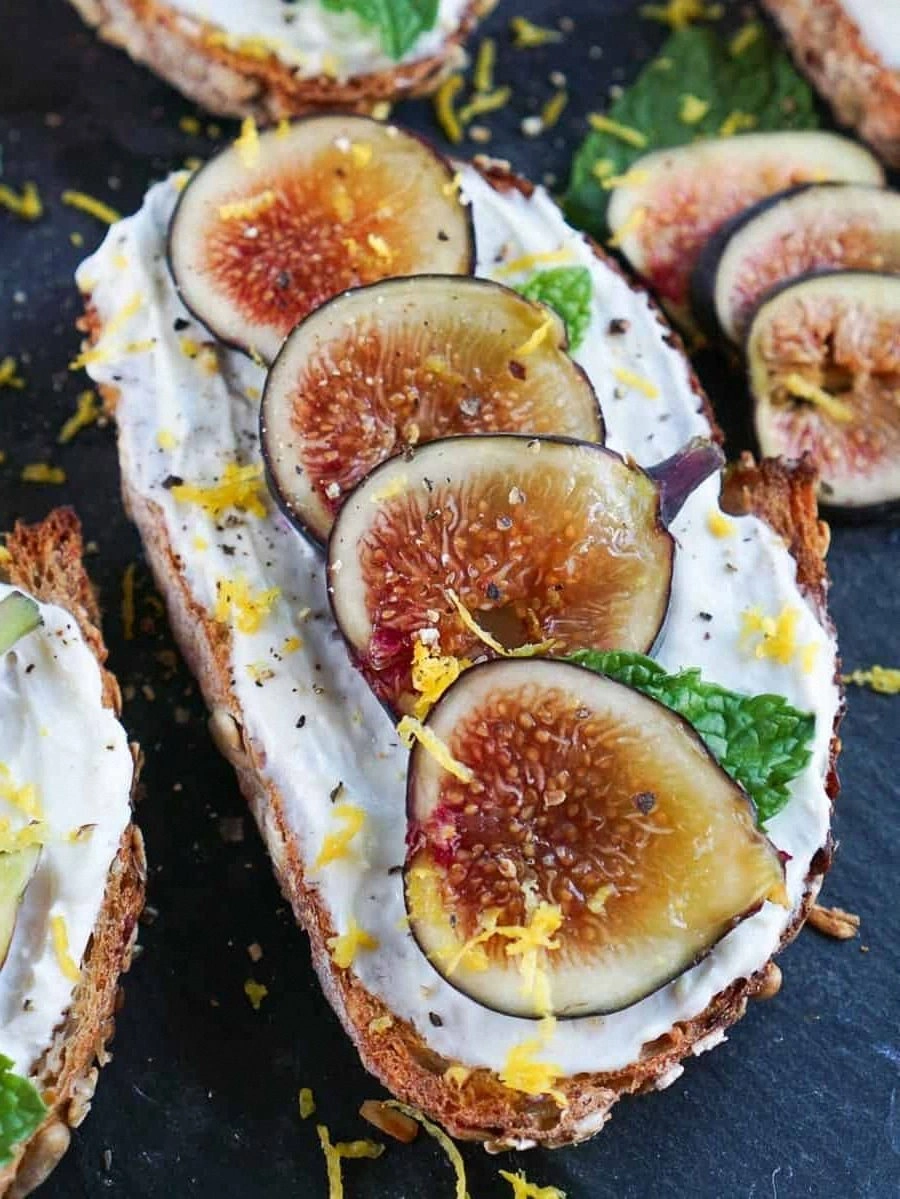
- Visual Appeal: The golden toast with a glossy honey sheen and a dusting of lavender looks as good as it tastes. It’s Instagram‑ready without the extra effort.
- Make‑ahead Potential: The toast can be assembled a day ahead; just keep the honey glaze separate until serving to preserve that crispness.
- Time Efficiency: In under 20 minutes you’ll have a dish that feels like a gourmet experience. It’s perfect for a quick dinner or a fancy brunch.
- Versatility: While it’s a stand‑alone appetizer, it also works as a side for salads or a base for a savory tart.
- Audience Reception: Even the most skeptical food critics have praised the balance of sweet and savory. Your friends will be asking for the recipe in no time.
Alright, let’s break down exactly what goes into this masterpiece…
Inside the Ingredient List
The Flavor Base
The figs are the star of this dish. Choose ripe, soft figs that yield slightly when pressed. They bring natural sweetness and a burst of juice that caramelizes when toasted. If you can’t find fresh figs, dried figs rehydrated in warm water for 10 minutes work well, but they’ll be a bit denser.
The Texture Crew
The goat cheese is the creamy backbone. Goat cheese has a distinct tang that cuts through the sweetness of the figs. Whipping it with a fork or a small whisk gives it a light, airy texture that spreads like a cloud. The honey adds a glossy sheen and a subtle crunch when it crystallizes slightly during toasting.
The Unexpected Star
Culinary lavender is the secret sauce that sets this recipe apart. It’s not just for decoration; the subtle floral notes elevate the entire dish. If you’re nervous about using lavender, start with a small pinch; it’s potent. Lavender also has natural antibacterial properties, which can help keep the toast fresh longer.
The Final Flourish
The lemon is both a flavor enhancer and a visual pop. The zest adds bright citrusy tones, while the juice balances the richness of the cheese and honey. A squeeze of lemon before serving brightens the palate and keeps the cheese from becoming too heavy.
Everything’s prepped? Good. Let’s get into the real action…
The Method — Step by Step
- Preheat the Oven: Set your oven to 400°F (200°C) and let it heat up while you prep the other components. The oven needs to be hot enough to crisp the bread but not so hot that the honey burns. Keep an eye on the temperature; a good oven thermometer helps avoid surprises.
- Prepare the Bread: Slice a loaf of crusty baguette or sourdough into 1/2‑inch thick pieces. Brush each slice lightly with melted butter or olive oil. The butter adds flavor, while the oil helps achieve a golden crust. Place the slices on a baking sheet in a single layer.
- Toast the Bread: Slide the sheet into the preheated oven for 6–8 minutes, flipping halfway through. The goal is a crisp edge and a lightly browned center. Watch the color; you want a golden hue, not a dark brown. This step is critical for the final crunch.
- Whip the Goat Cheese: While the bread is toasting, combine the 8 ounces of goat cheese with 3 tablespoons of whipped cream cheese in a bowl. Use a fork or a small whisk to beat until the mixture is light, fluffy, and free of lumps. The whipped cream cheese helps smooth the texture and adds a subtle tang.
- Add Honey and Lavender: Stir in 1 tablespoon of honey and 1 teaspoon of culinary lavender into the cheese mixture. The honey coats the cheese, giving it a sweet glaze, while the lavender adds that floral undertone. If you want an extra pop of color, sprinkle a pinch of dried lavender buds on top later.
- Assemble the Toast: Remove the toasted bread from the oven and let it cool for a minute. Spread a generous layer of the whipped goat cheese mixture onto each slice. The cheese should be thick enough to hold the figs but not so heavy that it drips.
- Top with Figs: Slice fresh figs into wedges or bite‑sized pieces. Arrange them on top of the cheese, pressing gently to ensure they stay in place. The figs will release their juices, creating a natural glaze that adds both flavor and moisture.
- Finish with Lemon: Squeeze a small amount of lemon juice over the figs and cheese. The acidity brightens the dish and balances the richness. If you prefer a zestier flavor, add a sprinkle of lemon zest on top.
- Serve Immediately: Plate the toast while it’s still warm and crispy. The contrast between the warm cheese, sweet figs, and cool lemon makes each bite a revelation. If you’re serving a crowd, keep the assembled pieces on a warm plate or in a low‑heat oven (200°F) until ready to serve.
That’s it — you did it. But hold on, I've got a few more tricks that'll take this to another level…
Insider Tricks for Flawless Results
The Temperature Rule Nobody Follows
Many people think that a higher oven temperature always gives a crispier toast, but the sweet honey can scorch quickly. The sweet spot is 400°F (200°C). If you’re using a convection oven, reduce the temperature by 25°F to avoid burning the glaze. This rule keeps the honey caramelized without turning it into charcoal.
Why Your Nose Knows Best
The first scent that hits you when the bread is toasted is a game‑changer. The warm, buttery aroma signals that the crust is just right. If it smells too oily or too dry, adjust the butter amount or add a splash of olive oil. Your nose is your best ally in achieving that perfect crunch.
The 5-Minute Rest That Changes Everything
After assembling the toast, let it rest on a wire rack for 5 minutes before serving. This step allows the cheese to set slightly, preventing it from sliding off when you bite. It also lets the fig juices seep into the bread, creating a subtle, savory glaze.
Use a Fresh Lemon for the Zest
A fresh lemon gives a bright, clean citrus note that balances the richness of the cheese. Avoid bottled lemon juice because it often contains preservatives that can alter the flavor profile. Grate the zest directly onto the toast for a burst of aroma.
Optional: Toast the Lavender
If you’re feeling adventurous, lightly toast the lavender buds in a dry pan for 30 seconds before adding them to the cheese mixture. This brings out a deeper, earthier flavor and a slightly nutty aroma that complements the figs.
Creative Twists and Variations
This recipe is a playground. Here are some of my favorite ways to switch things up:
Smoky Fig Toast
Add a pinch of smoked sea salt to the cheese mixture for a subtle smoky undertone. Pair it with grilled peaches for a summer twist.
Herb‑Infused Goat Cheese
Stir in finely chopped fresh rosemary or thyme into the whipped goat cheese. The herbal aroma pairs beautifully with the figs, creating a savory‑sweet contrast.
Spicy Fig Toast
Mix a dash of cayenne pepper into the cheese mixture. The heat balances the sweetness, and the figs’ natural sugars mellow the spice. Serve with a chilled cucumber salad.
Vegan Version
Replace the goat cheese with a vegan cream cheese made from cashews and nutritional yeast. Keep the honey, or swap for agave syrup. The result is creamy, tangy, and plant‑based.
Breakfast Boost
Top the toast with a soft‑fried egg, a sprinkle of fresh parsley, and a dash of cracked pepper. The protein makes it a hearty breakfast that still feels indulgent.
Chocolate‑Fig Toast
Drizzle a thin layer of dark chocolate over the figs before serving. The bittersweet chocolate pairs unexpectedly well with the honey and goat cheese, creating a dessert‑like finish.
Storing and Bringing It Back to Life
Fridge Storage
Store any unserved toast in an airtight container in the refrigerator for up to 2 days. Keep the honey glaze separate to maintain the toast’s crunch. When ready to serve, reheat in a preheated oven at 350°F (175°C) for 5 minutes.
Freezer Friendly
For longer storage, wrap the assembled toast tightly in plastic wrap and place in a freezer bag. Freeze for up to 1 month. Thaw overnight in the refrigerator, then warm in the oven as described above.
Best Reheating Method
The secret to reviving the crunch is a quick oven blast at 350°F for 3–4 minutes. Add a splash of water to the baking sheet before reheating; the steam helps the bread regain its crispness while keeping the cheese moist.