I was halfway through a midnight craving for something spicy and fresh when the kitchen exploded—no, not literally, but my skillet did a dramatic flip that sent garlic and chili pepper slices flying across the counter. The smoke alarm sang its familiar wail, and I was left staring at a half‑cooked tofu block, a splash of soy sauce, and a handful of basil leaves that smelled like a tropical rainforest. I stared, then laughed, because the moment that tasted like a culinary cliffhanger turned into the best decision I’d made in weeks.
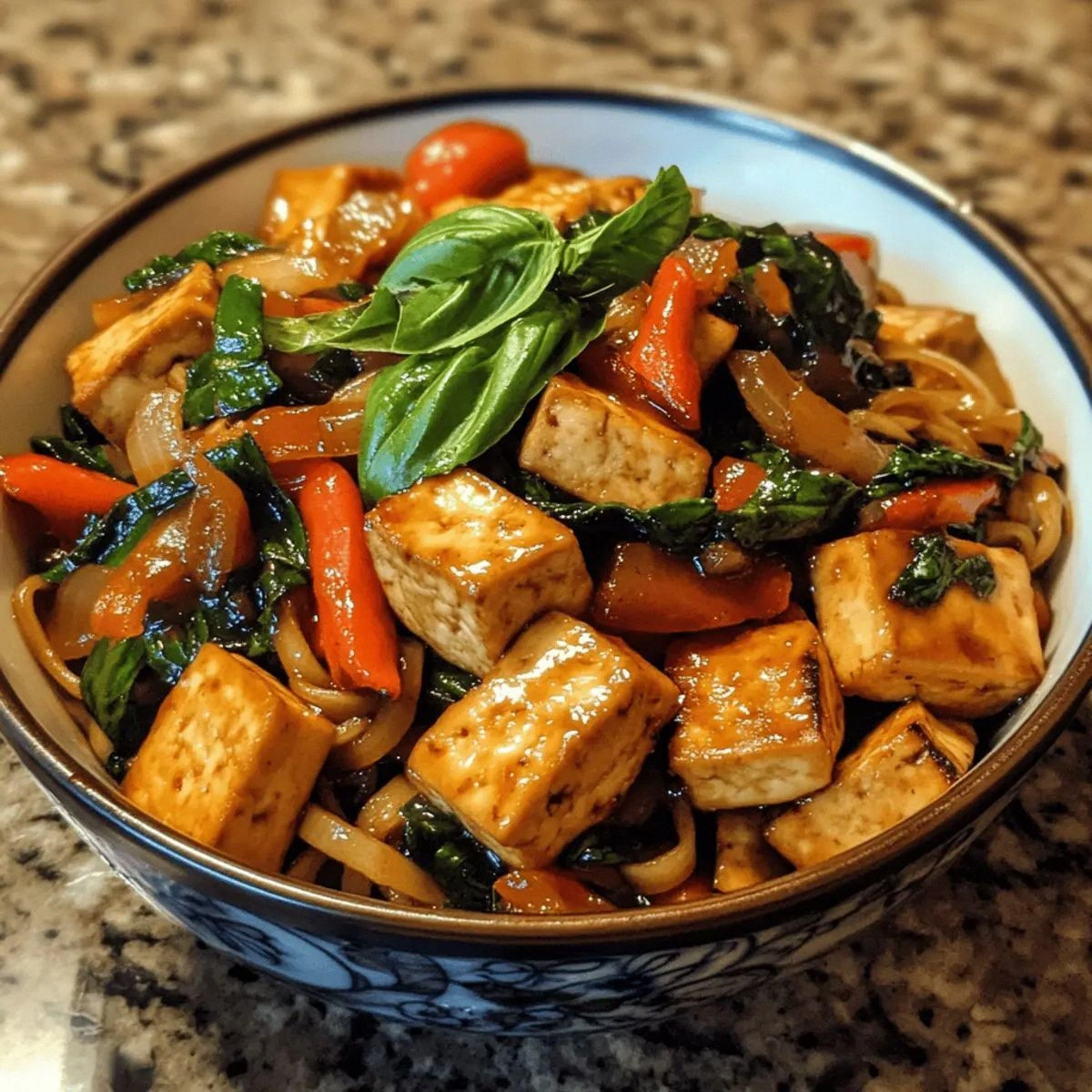
Picture this: the pan’s surface sizzling, the aroma of toasted garlic mingling with the sharp, peppery scent of bird’s eye chilies, and a bright green basil that’s almost too pretty to eat. The tofu, when it finally lands in the pan, splatters like a tiny, edible fireworks display, releasing a buttery, caramelized crust that crunches with each bite. The sound of the sizzling is a symphony—crackles, pops, and the gentle hiss of oil warming up. The first spoonful is a burst of sweet, salty, and spicy flavors that dance across your tongue, leaving you craving more.
What makes this version stand out is that it’s not just another stir‑fry. It’s a carefully balanced orchestra of textures and flavors, where every ingredient has a purpose and every step is a revelation. I dare you to taste this and not go back for seconds, because the sauce coats the tofu like velvet while the basil adds a fresh, citrusy lift that keeps the dish from feeling heavy. Most recipes get this completely wrong—here’s what actually works: the tofu is marinated in cornstarch and soy sauce to get that crisp snap, the sauce is a sweet‑savory blend that doesn’t drown the vegetables, and the basil is added at the very end to preserve its bright flavor.
If you’ve ever struggled with achieving that perfect balance of umami, heat, and freshness, you’re not alone—and I’ve got the fix. Picture yourself pulling this out of the pan, the whole kitchen smelling incredible, and a plate of steaming, fragrant tofu that invites you to dig in. This is hands down the best version you’ll ever make at home, and I’m about to walk you through every single step—by the end, you’ll wonder how you ever made it any other way.
What Makes This Version Stand Out
- Flavor: A harmonious blend of sweet, salty, and spicy that elevates every bite. The oyster sauce adds depth without overpowering, while the brown sugar gives a subtle caramel finish.
- Texture: Crispy tofu edges that crackle like thin ice, tender green beans that snap with each bite, and bell peppers that maintain a satisfying bite.
- Simplicity: Fewer than ten ingredients, all pantry staples, and a single pan—perfect for a busy weeknight.
- Freshness: Fresh Thai basil added at the end keeps its bright, citrusy note alive, creating a lively contrast to the savory sauce.
- Versatility: Works beautifully over rice, noodles, or even as a protein-packed salad topper.
- Make‑ahead potential: The sauce can be pre‑made and stored, and the tofu can be cooked ahead, making this dish a true “set‑and‑forget” favorite.
Inside the Ingredient List
The Flavor Base
Soy sauce is the backbone of this dish, offering that deep, salty umami that anchors the flavors. The oyster sauce—vegetarian or not—adds a subtle brininess that pairs beautifully with the sweet brown sugar. If you’re on a low‑sodium diet, a splash of tamari or coconut aminos works as a drop‑in replacement. Skipping the oyster sauce will leave the sauce flat and less complex.
The Texture Crew
Firm tofu is the star; its density allows it to hold its shape while absorbing the sauce. Cornstarch is the secret weapon that creates that satisfying crunch when the tofu hits the hot pan. Green beans or snap peas add a snap that contrasts with the tender tofu, and bell peppers contribute a sweet crunch that keeps the dish from feeling too one‑dimensional. If you prefer a softer bite, blanch the beans briefly before stir‑frying.
The Unexpected Star
Fresh Thai basil isn’t just a garnish—its bright, slightly sweet, and peppery flavor lifts the entire dish. The bird’s eye chili provides heat, but because it’s finely chopped, the heat is distributed evenly without overwhelming the palate. A wedge of lime is added at the end to brighten the dish, cutting through the richness and adding a citrusy zing.
The Final Flourish
Garlic and onion are the aromatic foundation, delivering a savory depth that’s essential for a stir‑fry. The brown sugar adds a caramelized sweetness that balances the saltiness of the soy sauce. If you’re vegan, opt for a plant‑based soy sauce and ensure your oyster sauce is vegetarian. The combination of these elements creates a sauce that coats the tofu like velvet.
Everything's prepped? Good. Let's get into the real action...
The Method — Step by Step
- First, press the tofu between clean paper towels and a heavy pan for ten minutes. This removes surface moisture, ensuring the tofu will crisp up rather than steam. After pressing, cut the tofu into 1‑inch cubes, then toss them in a bowl with cornstarch and a splash of soy sauce. The cornstarch coating will give the tofu a golden, crunchy exterior once pan‑fried.
- Heat 2 tablespoons of vegetable oil in a large skillet or wok over medium‑high heat until it shimmers. Add the tofu cubes, making sure not to overcrowd the pan. Let them sear for 3–4 minutes on each side, or until a deep golden brown forms. Flip carefully with a spatula to maintain the crisp edges.
- Once the tofu is browned, remove it from the pan and set aside on a paper‑towel‑lined plate to drain excess oil. In the same pan, add a splash more oil if needed, then toss in 3 minced garlic cloves and 1 finely sliced onion or shallot. Sauté until fragrant and translucent—about 1–2 minutes. The garlic should sound like a tiny drumbeat, signaling readiness.
- Add the sliced bell pepper and green beans to the pan, stirring constantly so they don’t burn. Cook for 3–4 minutes until they’re bright green and just tender. The bell pepper should still offer a slight crunch, maintaining the dish’s lively texture.
- Now introduce the heat: finely chop 1 bird’s eye chili and toss it into the pan. The chili releases a burst of aroma that signals the dish is getting spicy. If you prefer a milder version, reserve a portion of the chili for garnish.
- Pour in 3 tablespoons of soy sauce, 2 tablespoons of oyster sauce, and 1 tablespoon of brown sugar. Stir quickly to combine, letting the sugar dissolve into the sauce. The sauce should thicken slightly, coating the vegetables in a glossy sheen.
- Return the tofu to the pan, tossing gently to coat it with the sauce. Let everything simmer together for 2–3 minutes, allowing the tofu to absorb the flavors while the vegetables finish cooking.
- Finally, turn off the heat and immediately stir in the fresh Thai basil leaves and the juice of 2 lime wedges. The basil will wilt just enough to release its aroma, and the lime juice will cut through the richness, leaving the dish bright and refreshing.
That's it—you did it. But hold on, I've got a few more tricks that'll take this to another level. These tweaks will elevate the dish from great to unforgettable, ensuring every bite is a sensory triumph.
Insider Tricks for Flawless Results
The Temperature Rule Nobody Follows
Stir‑frying is all about high heat. Keep the pan hot enough that the tofu sizzles as soon as it hits the surface. If the temperature drops, the tofu will steam instead of crisp, leading to a soggy texture that feels like a disappointment. A simple test: sprinkle a drop of water in the pan—if it evaporates instantly, you’re good.
Why Your Nose Knows Best
Before you add the lime, give the dish a quick sniff. If the aroma feels too sweet or too salty, adjust the sauce accordingly. Your nose can detect imbalances that your eyes might miss, so trust it. A well‑balanced dish smells like a balanced plate—sweet, savory, and slightly citrusy.
The 5‑Minute Rest That Changes Everything
After cooking, let the stir‑fry rest for 5 minutes before serving. This allows the flavors to meld and the tofu to finish crisping. During this short rest, the sauce will thicken slightly, giving the dish a richer mouthfeel. If you’re in a rush, skip this step, but you’ll miss out on the full depth of flavor.
Add a Splash of Water for Reheating
When reheating leftovers, add a splash of water to the pan before you heat it. This steams the dish, preventing the sauce from drying out and the tofu from becoming rubbery. A quick stir and a few minutes on low heat will bring back the dish’s original vibrancy.
Serve With a Side of Rice or Noodles
Stir‑fry is versatile, but pairing it with jasmine rice or rice noodles amplifies the experience. The grains soak up the sauce, creating a cohesive bite that feels complete. If you’re vegan, serve over cauliflower rice for a low‑carb option.
Creative Twists and Variations
This recipe is a playground. Here are some of my favorite ways to switch things up:
Spicy Peanut Twist
Swap the oyster sauce for a creamy peanut sauce made with peanut butter, soy sauce, lime juice, and a dash of sriracha. The result is a nutty, spicy sauce that pairs wonderfully with the tofu. This variation is perfect for a lunchbox or a quick weeknight dinner.
Mango & Coconut Variation
Add diced ripe mango and a splash of coconut milk to the sauce. The sweetness of mango complements the heat, while the coconut milk gives the dish a silky texture. This version feels like a tropical escape in every bite.
Kimchi & Tofu Fusion
Introduce fermented kimchi during the sauté stage for a Korean twist. The fermented flavors add depth and a subtle tang that pairs well with the basil. This variation is great for those who love a little extra kick.
Vegetable‑Heavy Option
Increase the vegetable ratio by adding sliced carrots, zucchini, or broccoli. Keep the tofu in moderation to maintain the protein focus. This makes the dish even more colorful and nutrient‑dense.
Sriracha‑Lime Explosion
Drizzle extra sriracha and a squeeze of lime after serving for an extra burst of heat and brightness. The acidity cuts through the richness, creating a balanced flavor profile that’s hard to resist.
Gluten‑Free Delight
Replace soy sauce with tamari or coconut aminos to keep the dish gluten‑free. The flavor profile remains similar, and the tofu still achieves that crisp finish. This variation is ideal for those with gluten sensitivities.
Storing and Bringing It Back to Life
Fridge Storage
Cool the stir‑fry completely before transferring it to an airtight container. Store in the refrigerator for up to 3 days. The sauce may thicken slightly, but the flavors will deepen.
Freezer Friendly
For longer storage, place the dish in a freezer‑safe container and freeze for up to 2 months. When ready to eat, thaw overnight in the refrigerator, then reheat gently on the stove with a splash of water.
Best Reheating Method
Reheat on medium heat, stirring frequently. Add a small splash of water or vegetable broth to keep the sauce from drying out. A quick 5‑minute stir‑fry will bring the dish back to its original, vibrant state.