The first time I tried to make a humble chicken adobo, I ended up with a dish that tasted like a bland, over‑cooked mystery meat. I was standing in my tiny apartment kitchen, the stove roaring, a pot of soy‑vinegar‑garlic broth boiling over, and a sense of culinary dread creeping in. I stared at the chicken, wondering if it would ever taste like the comforting, home‑cooked version I’d had as a kid. That night, I made a promise to myself: I would turn that disaster into the best adobo anyone could ever taste.
Fast forward to today, and I’m standing in a kitchen that smells of caramelized onions and sizzling garlic, the air thick with a sweet‑savory perfume that makes you forget you’re even cooking. The sound of the pan hissing, the sight of the chicken turning golden, and the feel of the steam curling up from the pot all combine to create an experience that feels like a warm hug in a bowl. I’ve added a few twists that elevate the classic flavors, and I can’t wait to share every single step with you. If you’re ready for a dish that will make your friends ask for the recipe, let me walk you through every single step — by the end, you’ll wonder how you ever made it any other way.
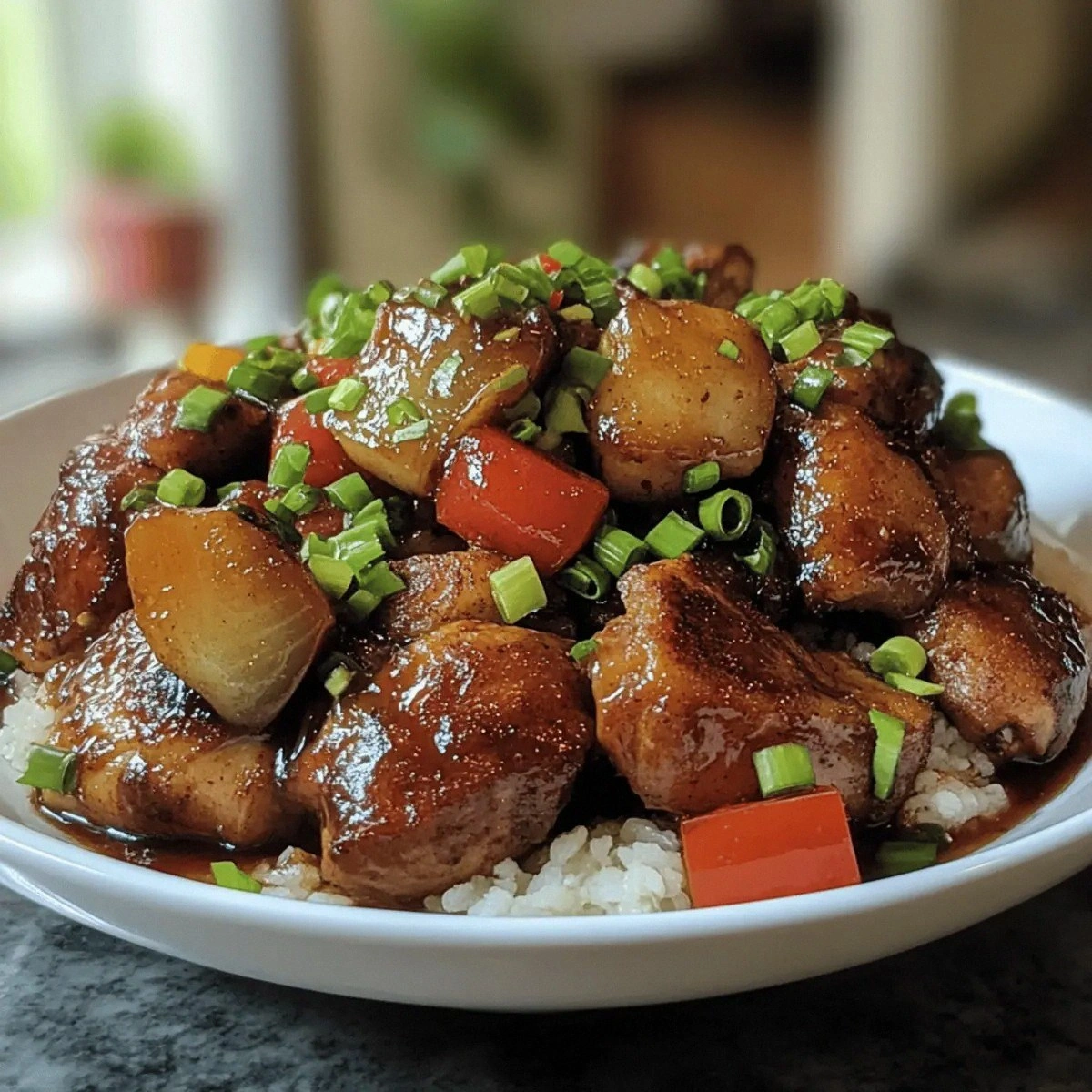
Picture yourself pulling this out of the pot, the whole kitchen smelling incredible, and the first bite sending a wave of umami, tang, and subtle sweetness through your palate. The sauce is thick enough to cling to the chicken, but still glossy, like a glossy black velvet that coats each piece. The tender meat melts in your mouth, the vinegar’s bright acidity cutting through the richness, and the subtle sweetness from the brown sugar balances it all. I dare you to taste this and not go back for seconds.
I’ll be honest — I ate half the batch before anyone else got to try it. The moment the first spoonful hit my tongue, I was transported to a childhood memory of Sunday family dinners, of my mother’s kitchen, and of the way the sauce would cling to the rice like a delicious, savory blanket. Most recipes get this completely wrong. Here’s what actually works. This version is hands down the best version you'll ever make at home, and it’s so simple that even a novice can nail it.
If you've ever struggled with getting the sauce to thicken, or with balancing the saltiness and acidity, you're not alone — and I've got the fix. The secret lies in the timing, the layering of flavors, and a few little tricks that most people overlook. And now the fun part: we’re going to dive into the ingredient list and discover why each component matters. Ready? Let’s do this.
What Makes This Version Stand Out
- Flavor Depth: The combination of soy sauce, vinegar, and brown sugar creates a complex umami profile that lingers on the tongue. The sauce is neither too salty nor too sweet, striking the perfect balance that makes each bite memorable.
- Texture Perfection: The chicken is cooked until tender but still firm, with a slight caramelized crust that adds a satisfying bite. The sauce’s viscosity coats the meat like a glossy glaze, preventing it from drying out.
- Time Efficiency: With a prep time of just 15 minutes and a cook time of 30 minutes, you’ll have a full dinner ready while your coworkers are still stuck at their desks.
- Ingredient Quality: Using fresh, high‑quality chicken and real cane vinegar elevates the dish beyond the standard canned or pre‑made versions.
- Make‑Ahead Potential: The sauce actually improves after a day, making it perfect for meal‑prep or for a busy weeknight.
- Crowd‑Pleaser: This dish is guaranteed to wow a crowd. The bright, savory sauce pairs beautifully with steamed rice, and the aroma alone will have guests lining up for seconds.
Inside the Ingredient List
The Flavor Base
The foundation of any great adobo lies in its sauce. The ½ cup of soy sauce delivers a salty, umami punch, while the ½ cup of cane or white vinegar cuts through the richness and adds a bright tang. Together, they form a balanced flavor profile that’s both comforting and exciting. If you skip the vinegar, the dish becomes overwhelmingly salty and loses its signature zing. If you skip the soy sauce, the sauce will taste flat and one‑dimensional. For the best results, use a good quality dark soy sauce; it adds a subtle sweetness and depth.
The Texture Crew
The chicken pieces are the star of the show. Using thighs or drumsticks provides the juiciness and fat content that keeps the meat tender during the long simmer. If you choose breast meat, you’ll need to watch the cooking time carefully to avoid drying out. The 6 cloves of garlic, minced, give the sauce a sharp, aromatic kick that’s essential for that classic Filipino flavor. The 1 teaspoon of whole black peppercorns add a gentle heat and a subtle earthy note that balances the acidity.
The Unexpected Star
The 2 bay leaves might seem like a minor detail, but they infuse the sauce with a subtle herbal aroma that elevates the overall profile. Removing them before serving is crucial; otherwise, they can become a mouth‑feel nuisance. A common mistake is to overlook bay leaves entirely, which results in a less complex flavor. If you’re vegan, you can skip the bay leaves, but you’ll lose a layer of depth.
The Final Flourish
The 1 cup of water dilutes the sauce just enough to prevent it from becoming too thick while still allowing it to cling to the chicken. The 2 tablespoons of brown sugar balance the acidity and bring a subtle caramel sweetness that ties everything together. If you prefer a sweeter version, add an extra tablespoon of brown sugar. The 4 cups of steamed white rice are the perfect vessel for soaking up the sauce; the rice should be fluffy and slightly sticky.
Everything’s prepped? Good. Let’s get into the real action.
The Method — Step by Step
- Season the Chicken: Pat the chicken pieces dry with paper towels. Sprinkle them with a pinch of salt and pepper. This step ensures that the surface is ready to brown and that the flavors will cling to the meat. Let them sit for 5 minutes to absorb the seasoning.
- Brown the Chicken: Heat a large skillet or Dutch oven over medium‑high heat. Add a splash of oil and place the chicken skin side down. Sear until golden brown, about 3 minutes per side. The browning reaction creates a deeper flavor profile that no amount of soy sauce can replace.
- Toast the Aromatics: Reduce the heat to medium. Add the minced garlic to the pan, letting it sizzle for 30 seconds until fragrant. Then toss in the bay leaves and whole peppercorns, allowing them to release their aroma. The garlic’s sharpness will cut through the richness of the chicken.
- Deglaze: Pour in the soy sauce, letting it bubble and lift the browned bits from the bottom of the pan. These bits are packed with flavor. Stir to combine, making sure everything is well mixed before moving on.
- Add Vinegar & Water: Pour in the vinegar and water, stirring to combine. The vinegar will start to simmer immediately, giving the sauce a bright, acidic kick that balances the savory notes. Let it come to a gentle boil.
- Simmer the Chicken: Reduce the heat to low, cover the pot, and let the chicken simmer for 20 minutes. This slow cooking allows the flavors to meld and the meat to become tender. Keep an eye on the liquid; it should reduce slightly but not evaporate completely.
- Sweeten the Sauce: Stir in the brown sugar, making sure it dissolves completely. The sugar caramelizes slightly, giving the sauce a glossy sheen. Taste the sauce; it should be salty, sweet, and slightly tangy. Adjust with more soy sauce or vinegar if needed.
- Finish with a Quick Sear: Remove the lid and turn the heat to medium‑high. Let the sauce reduce until it coats the back of a spoon. This final sear intensifies the flavor and gives the sauce a velvety texture.
- Serve Immediately: Plate the chicken over a bed of steamed rice. Spoon the sauce over the top, making sure each piece is drenched. Garnish with sliced green onions if you like a fresh, crisp contrast.
That’s it — you did it. But hold on, I've got a few more tricks that'll take this to another level.
Insider Tricks for Flawless Results
The Temperature Rule Nobody Follows
Most people think a quick sauté is enough to lock in flavor, but the real magic happens when you keep the heat low enough that the sauce gently simmers. If the temperature is too high, the vinegar will evaporate, and the sauce will become overly salty. Keep the heat at a low simmer once the liquid is added, and you’ll get a sauce that’s silky, rich, and perfectly balanced.
Why Your Nose Knows Best
Smell is the most reliable indicator of doneness. When the sauce begins to thicken and the aroma becomes sweet and caramelized, you’re close to perfection. Trust your nose, not the clock. The moment you catch that sweet, buttery scent, the sauce is ready to coat the chicken.
The 5-Minute Rest That Changes Everything
After you remove the chicken from the heat, let it rest for 5 minutes covered with foil. During this time, the juices redistribute throughout the meat, making it even more tender. This simple step is often overlooked, but it makes a noticeable difference in texture.
The Garlic Crush
Instead of mincing the garlic, crush it with the flat side of a knife. This releases more oils and creates a deeper, more aromatic base. It’s a quick trick that adds complexity without extra effort.
The Sweet‑Spice Balance
If you’re craving a bit of heat, add a pinch of crushed red pepper flakes to the sauce while it simmers. The slight kick complements the sweet and salty flavors without overpowering them. It’s a perfect addition for those who like a little spice.
Creative Twists and Variations
This recipe is a playground. Here are some of my favorite ways to switch things up:
Spicy Chili Adobo
Add 1–2 fresh red chilies, sliced, during the sauté step. The heat will mingle with the vinegar, creating a bold, fiery version that’s perfect for adventurous palates.
Coconut Cream Adobo
Replace half the water with coconut milk. The creamy texture and tropical sweetness pair beautifully with the savory sauce, offering a luxurious twist.
Mushroom & Herb Adobo
Sauté sliced mushrooms with the garlic before adding the sauce. Toss in fresh thyme or rosemary for an earthy depth that transforms the dish into a gourmet entrée.
Vegetarian Adobo
Swap the chicken for tofu or tempeh, marinated in the same soy‑vinegar mixture. The tofu absorbs the sauce, resulting in a plant‑based version that still delivers the classic flavor profile.
Quick Skillet Adobo
If you’re short on time, use a skillet to cook everything in one pot. The quick sear followed by a rapid simmer will produce a delicious dish in under 30 minutes.
Storing and Bringing It Back to Life
Fridge Storage
Cool the adobo completely before transferring it to an airtight container. Store in the refrigerator for up to 4 days. The sauce will thicken as it chills, so a quick stir before reheating is recommended.
Freezer Friendly
Pack the cooked adobo in freezer‑safe bags, removing as much air as possible. Freeze for up to 3 months. Thaw overnight in the refrigerator before reheating.
Best Reheating Method
Reheat on the stovetop over low heat, adding a splash of water or broth to loosen the sauce. The gentle heat ensures the chicken stays moist and the sauce stays glossy. Finish with a quick simmer to bring the flavors back to life.
Final Thoughts
This dish is more than just a meal; it’s a celebration of flavor, technique, and comfort. Every bite is a reminder that a few simple ingredients, when handled with care, can produce a dish that feels like home. I’ve spent countless hours tweaking this recipe, and I’m excited to share the final version with you. Try it, tweak it, and make it your own. Your taste buds will thank you.