The first time I tried to rescue a burnt omelet, I ended up with a half‑cooked, rubbery mess that smelled like a forgotten skillet. I was staring at the charred edges, wondering if breakfast could ever feel like a culinary triumph. Then a friend dared me to make a frittata that could double as a crowd‑pleasing brunch platter, and I knew I had to rise to the challenge. Picture this: a golden crust that crackles as you lift the pan, a soft, custard‑like interior that melts in your mouth, and every bite bursting with fresh veggies and a whisper of cheese. That was the spark that set this recipe in motion.
I set my kitchen timer, grabbed a non‑stick skillet, and let the aroma of sautéed onions and garlic fill the air. The scent curled around the stove, promising comfort and a hint of adventure. My senses were alive: the sizzling sound, the gentle steam, the anticipation of that first bite that would be both familiar and revolutionary. I could almost taste the buttery, slightly sweet finish that would finish each bite, the way a well‑cooked frittata’s edges cling to the pan like a promise. If you’re a breakfast lover who’s ever felt the sting of under‑seasoned eggs, this is your antidote.
What makes this version stand out isn’t just the ingredients; it’s the method, the timing, and the little tricks that turn a simple scramble into a showstopper. I’ve refined the balance between fluffy and firm, and I’ve discovered that a splash of milk and a touch of cheese are the secret weapons that keep everything together while still letting each component shine. Most frittatas fall flat because they’re overcooked or under‑seasoned, but I’ve cracked the code to keep the texture airy yet cohesive. I dare you to taste this and not go back for seconds; that’s the kind of confidence I bring to every recipe I share.
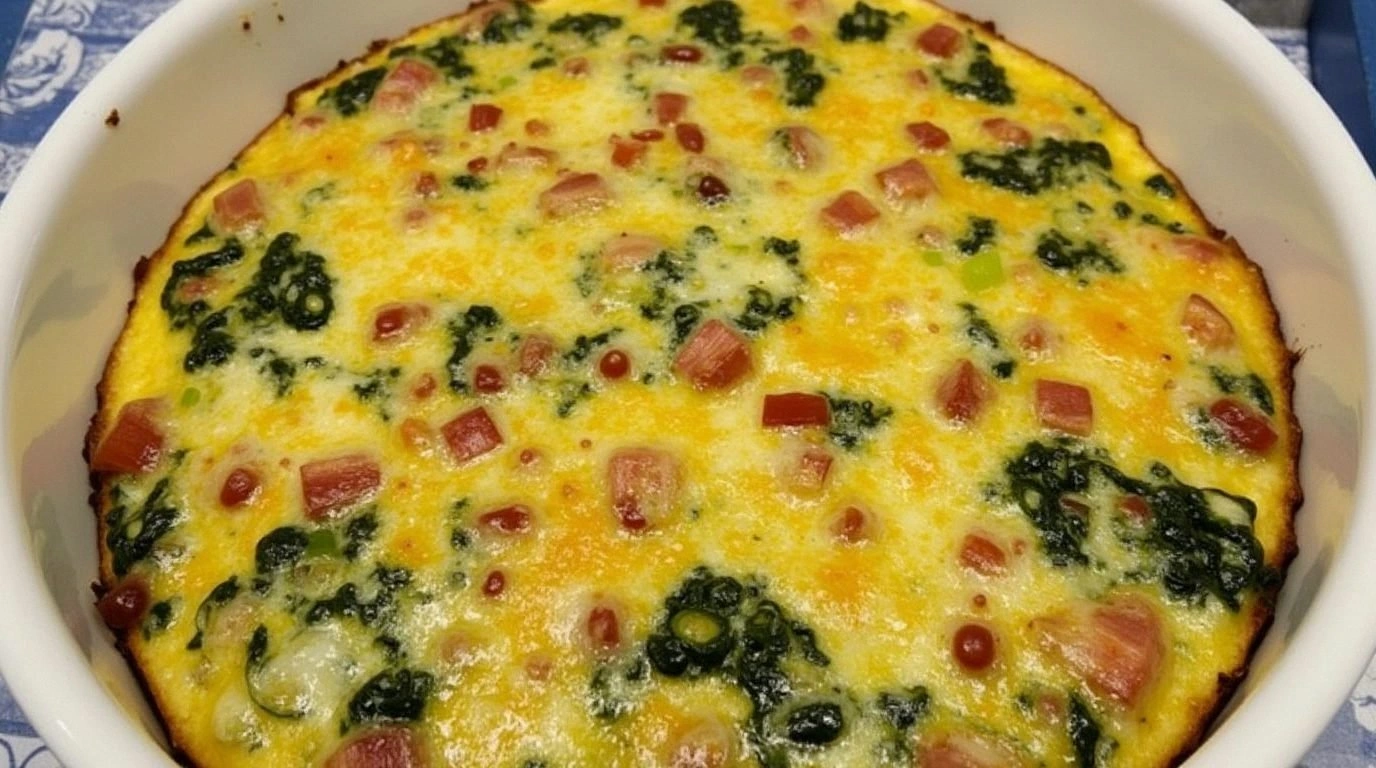
Picture yourself pulling this out of the oven, the whole kitchen smelling incredible, the golden surface shimmering with a slight sheen of olive oil. The moment the timer dings, you slice a piece, and the steam rises in a fragrant cloud that tastes like sunshine. The contrast between the crispy edges and the soft, custard interior feels like a dance of textures that makes every bite an adventure. If you’ve ever struggled with a frittata that turns out dry or uneven, you’re not alone — and I’ve got the fix. Stay with me here; the next part is pure magic.
What Makes This Version Stand Out
- Flavor: The combination of sautéed onions, garlic, and bell pepper creates a savory base that elevates every bite. The fresh tomatoes add a burst of acidity that cuts through the richness of the eggs.
- Texture: The eggs are whisked with milk and cheese to achieve a custard-like consistency that sets perfectly in the oven without becoming rubbery.
- Ease: With a single skillet and a handful of ingredients, you can produce a dish that looks restaurant‑quality yet takes less than an hour to prepare.
- Versatility: Swap in spinach, mushrooms, or different cheeses, and the frittata adapts to any palate or dietary preference.
- Crowd Appeal: Whether you’re cooking for a family, a brunch crowd, or a weeknight dinner, this frittata is sure to impress.
- Quality Ingredients: Using fresh, high‑quality produce and real cheese makes all the difference in flavor and texture.
- Cooking Method: The oven finish ensures even cooking and a golden crust without the need for constant stirring.
- Make‑Ahead Friendly: Cook, slice, and store; reheating is a breeze, and the frittata stays moist and flavorful.
Alright, let's break down exactly what goes into this masterpiece. Each component has a purpose, and together they create a symphony of flavors that dance on your tongue.
Inside the Ingredient List
The Flavor Base
Onions and garlic are the foundation of any savory dish, and in this frittata they provide a deep, aromatic backdrop. The onions should be finely diced so they soften quickly and release their natural sweetness, while the garlic is minced to distribute its punch evenly. If you skip these, the frittata will taste flat and lack depth. A small tip: sauté the onions until they’re translucent, then add the garlic just before the eggs pour in to avoid burning.
The Texture Crew
Eggs are the main body, and whisking them with milk creates a light, airy custard that sets beautifully in the oven. The milk adds moisture, preventing the eggs from drying out, while the cheese adds a creamy richness that binds the mixture. If you’re vegan or dairy‑free, try a splash of oat milk and a sprinkle of nutritional yeast for a similar effect. Choosing fresh, free‑range eggs will give you the best flavor and texture.
The Unexpected Star
Spinach and cherry tomatoes bring color, nutrients, and a burst of freshness that contrasts the savory base. The spinach wilts quickly, releasing a subtle earthiness, while the tomatoes add a juicy pop of sweetness. If you’re in season for fresh basil, a handful of torn leaves will elevate the dish with a fragrant, peppery note. Skipping these veggies will make the frittata feel incomplete.
The Final Flourish
A dash of olive oil and a pinch of herbs like basil or parsley finish the dish with a bright, clean finish. The oil keeps the edges crisp, while the herbs add a fresh, aromatic lift that balances the richness. If you prefer a smoky flavor, add a few slices of bacon or a pinch of smoked paprika. These finishing touches make the frittata feel polished and restaurant‑ready.
Everything's prepped? Good. Let's get into the real action.
The Method — Step by Step
- Preheat your oven to 375°F (190°C). While the oven warms, heat a 10‑inch non‑stick skillet over medium heat and add 2 tablespoons of olive oil. The oil should shimmer but not smoke; this ensures the base doesn’t stick and the edges crisp beautifully. I’ve found that a hot pan locks in the flavor of the onions and garlic right from the start.
- Add 1 cup of finely diced onions to the skillet and sauté until translucent, about 3 minutes. Stir occasionally so they don’t brown too quickly. When they’re ready, add 2 minced garlic cloves and cook for an additional 30 seconds until fragrant. The garlic’s aroma should fill the kitchen, signaling that the base is ready.
- Introduce 1 cup of diced bell pepper and 1 cup of halved cherry tomatoes. Cook for 4–5 minutes until the peppers soften slightly and the tomatoes begin to release juice. This step adds a pop of color and a subtle sweetness that balances the savory elements.
- Reduce the heat to low and pour in 2 cups of fresh spinach. Stir until the spinach wilts, which takes about 2 minutes. The spinach should look glossy and tender; if it’s still bright green, it needs a bit more time. This creates a lush, green backdrop for the eggs.
- Whisk 8 large eggs with 1 cup of milk, 1 cup of shredded cheddar cheese, 1 teaspoon of salt, and ½ teaspoon of black pepper in a separate bowl until the mixture is smooth and slightly frothy. The froth helps the eggs expand evenly in the skillet.
- Pour the egg mixture into the skillet, letting it spread evenly. Let it cook undisturbed for 2–3 minutes until the edges start to set but the center remains runny. This is the moment of truth—watch for a subtle golden color forming at the edges.
- Transfer the skillet to the preheated oven and bake for 12–15 minutes, or until the frittata is set in the middle and the top is lightly golden. The internal temperature should reach 160°F (71°C) for safety. The oven finish gives the frittata a uniform rise and a crisp crust.
- Remove from the oven and let it rest for 5 minutes. This resting period allows the juices to redistribute, keeping the frittata moist. Slice into wedges and serve warm, perhaps with a sprinkle of fresh parsley for a final pop of color.
That’s it — you did it. But hold on, I've got a few more tricks that'll take this to another level.
Insider Tricks for Flawless Results
The Temperature Rule Nobody Follows
Many people bake their frittata at 400°F, which can cause the edges to overcook before the center sets. Lowering the temperature to 375°F ensures even cooking and a tender interior. I’ve found that this simple adjustment keeps the frittata moist and prevents a dry, rubbery texture. The key is to let the eggs set gently so the flavors meld together.
Why Your Nose Knows Best
The first aroma that hits you when the skillet starts to sizzle is the most reliable indicator of readiness. When the onions turn translucent, the garlic releases its perfume, and the eggs begin to set, that scent signals that the base is ready. Trust your nose; it’s a seasoned judge that no timer can match.
The 5‑Minute Rest That Changes Everything
Allowing the frittata to rest after baking is a game‑changer. It lets the steam redistribute, ensuring each bite is evenly moist. Skipping this step can leave you with a dry center and a crusty edge. I’ve seen people slice right away and end up with uneven textures; rest is the secret sauce.
Cheese Choice Matters
While cheddar offers a classic flavor, swapping in mozzarella or a blend of provolone can give the frittata a milder, gooey texture. For a sharper bite, try a sprinkle of parmesan on top before baking. The cheese’s melt point is crucial; too low and it won’t set properly, too high and it burns.
Add a Splash of Milk for Extra Creaminess
If you prefer a richer frittata, add an extra quarter cup of milk or a splash of heavy cream. This boosts the custard quality and makes the frittata silky. Just be careful not to add too much, or the mixture may become too runny and fail to set.
Creative Twists and Variations
This recipe is a playground. Here are some of my favorite ways to switch things up:
Mediterranean Medley
Swap the bell pepper for roasted red peppers, add a handful of kalamata olives, and sprinkle feta cheese on top before baking. The briny olives and tangy feta give a Mediterranean flair that pairs perfectly with the eggs.
Mushroom & Thyme Delight
Replace spinach with sliced mushrooms and add fresh thyme leaves to the egg mixture. The earthy mushrooms and aromatic thyme elevate the dish to a rustic, comforting experience.
Breakfast Burrito Frittata
Fold in cooked chorizo or breakfast sausage, a handful of diced potatoes, and a pinch of cumin. Serve with a dollop of salsa and a squeeze of lime for a Mexican‑inspired twist.
Vegan Version
Use silken tofu or a plant‑based egg substitute, almond milk, and nutritional yeast in place of dairy. Add a splash of soy sauce for umami and keep the veggies the same for a wholesome, dairy‑free option.
Sweet & Savory Surprise
Incorporate diced apples and a sprinkle of cinnamon into the egg mixture. Finish with a drizzle of honey before serving. This sweet‑savory combination is unexpected but delicious, especially for brunch.
Herb Garden Frittata
Add a mix of fresh herbs like basil, oregano, and dill to the eggs. The aromatic blend gives a burst of freshness that lifts the entire dish, making it perfect for spring and summer.
Storing and Bringing It Back to Life
Fridge Storage
Cool the frittata to room temperature, then slice into wedges. Store in an airtight container in the refrigerator for up to 3 days. The slices will maintain their texture and flavor when stored properly.
Freezer Friendly
Wrap each slice individually in plastic wrap, then place them in a freezer bag. Freeze for up to 2 months. Thaw overnight in the refrigerator before reheating.
Best Reheating Method
Reheat slices in a skillet over medium heat for 2–3 minutes on each side, or use the oven at 350°F for 10 minutes. Add a tiny splash of water before reheating; it steams the frittata back to perfection and prevents it from drying out.