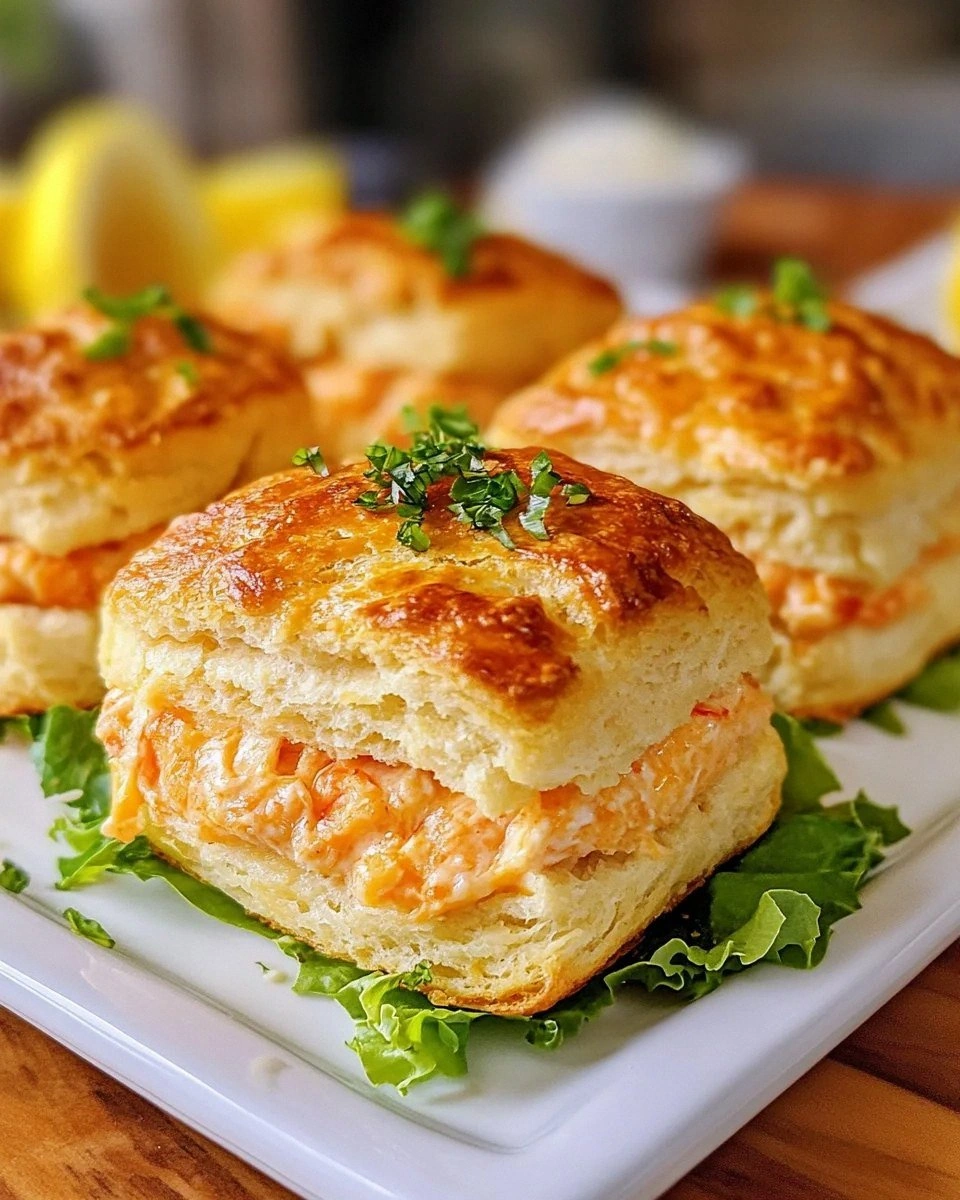
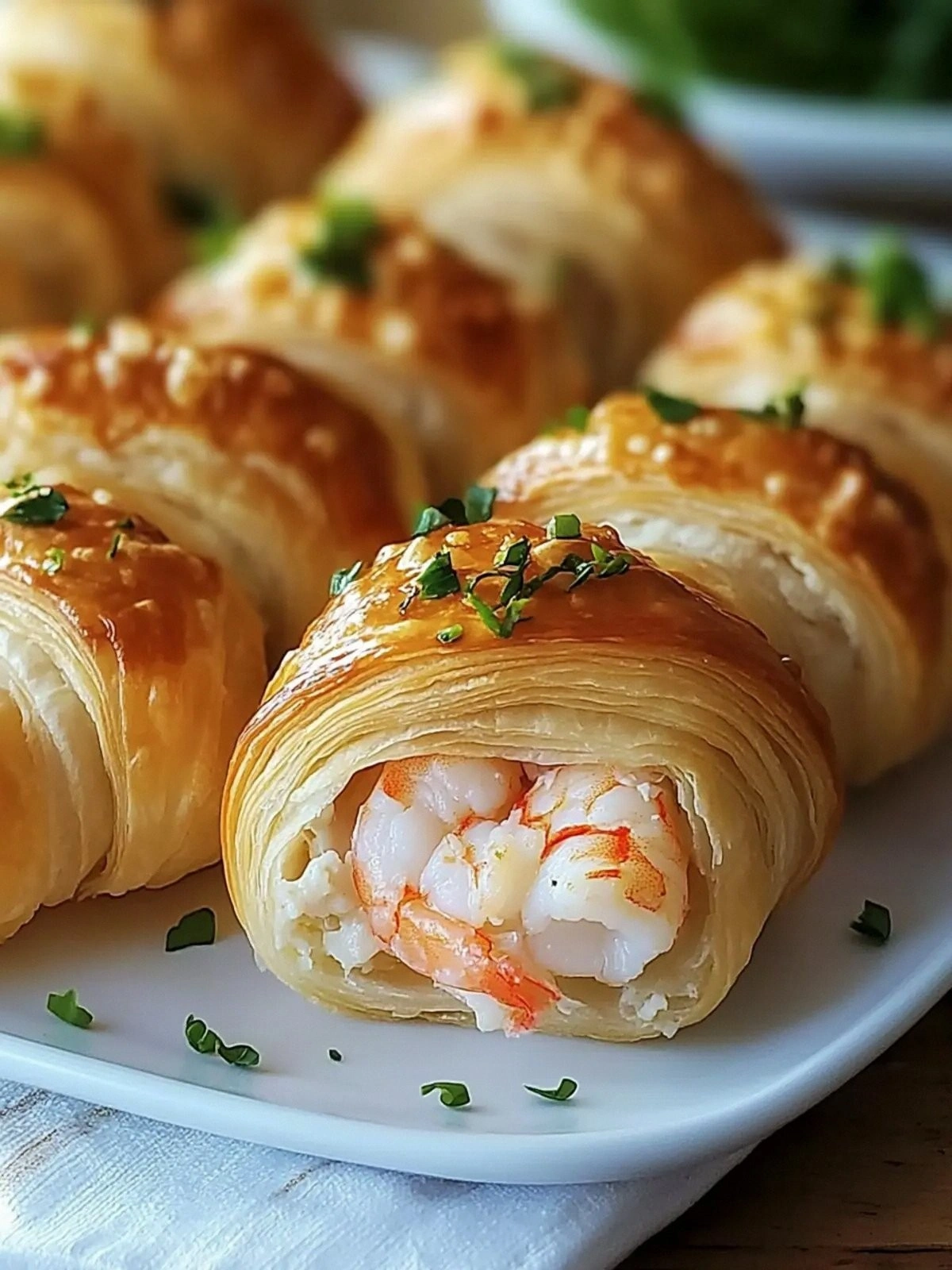
Picture this: I’m standing in a cramped kitchen, the last of the week’s groceries scattered across the counter, when a sudden craving for something that feels like a hug from the ocean hits me. The air is already thick with the scent of garlic and butter, and I know I’m about to make a dish that will turn a simple dinner into a headline-worthy event. I’m talking about the ultimate shrimp and crab stuffed crescent roll bombs—tiny, golden pockets of buttery dough that explode with briny, creamy goodness when you bite into them. If you’ve ever tried a “shrimp and crab” recipe that felt like a bland, over‑cooked mash, you’re in for a revelation.
Let me be honest—when I first tasted this, my eyes widened and I almost dropped the spoon. The shrimp was plump, the crab meat was flaky, and the cream cheese gave everything a silky, velvety coat that clung to the dough like a second skin. The lemon juice cut through the richness, brightening every bite, while the green onions added a fresh, almost citrusy crunch that kept the flavor from tipping into heaviness. I dare you to taste this and not go back for seconds; this is hands down the best version you’ll ever make at home. And trust me, the moment you pull a finished bomb out of the oven and the steam curls up in lazy ribbons, your kitchen will smell like a seaside celebration.
What sets this version apart from the countless “shrimp and crab” dishes you’ll find online is the meticulous layering of textures and flavors. I’ve paired the crescent roll dough—soft, buttery, and pre‑rolled for convenience—with a filling that balances the briny sweetness of crab with the earthy umami of shrimp. The cream cheese is the secret glue that holds everything together, yet it’s light enough not to drown the seafood. The garlic powder and pepper give a subtle heat that’s never overpowering, while a splash of lemon juice adds a bright, almost citrusy lift. The result? A bite that starts with a crisp, flaky edge, then transitions to a warm, creamy center that melts in your mouth.
And here’s the kicker: the technique I’ll reveal will make you wonder how you ever cooked without it. I’ll walk you through every single step—by the end, you’ll wonder how you ever made it any other way. I’ll share a trick that ensures the dough doesn’t stick to the baking sheet, a timing secret that guarantees the filling stays perfectly moist, and a finishing touch that gives the bombs a golden, irresistible sheen. Stay with me here, because the next part? Pure magic.
What Makes This Version Stand Out
- Flavor: The combination of shrimp and crab is elevated by a subtle citrus tang and a whisper of garlic that cuts through the richness without overwhelming the delicate seafood.
- Texture: The crescent roll dough provides a buttery, flaky exterior that snaps delightfully, while the creamy filling offers a silky, melt‑in‑your‑mouth center.
- Simplicity: No elaborate sauces or long prep times—just a handful of pantry staples and a few minutes of assembly.
- Uniqueness: The use of a pre‑rolled dough eliminates the need to roll out sheets, saving time and reducing frustration.
- Crowd‑Pleaser: These bombs are perfect for parties; guests can pick them up, pop them into their mouths, and enjoy a bite‑size treat that feels indulgent.
- Ingredient Quality: Fresh, high‑quality shrimp and crab meat make all the difference; don’t compromise on seafood if you want a truly memorable dish.
- Cooking Method: Baking rather than frying keeps the dish light yet flavorful, and the method ensures even heat distribution for a golden crust.
- Make‑Ahead Potential: Assemble the bombs ahead of time, refrigerate, and bake just before serving—perfect for a last‑minute dinner.
Inside the Ingredient List
The Flavor Base
At the heart of this dish lies the shrimp, the crab, and the cream cheese—each playing a distinct role. The shrimp provides a firm, meaty bite that anchors the filling, while the crab offers a sweet, delicate flavor that balances the shrimp’s bite. The cream cheese acts as the binder, creating a silky, cohesive texture that keeps the ingredients from spilling out during baking. If you skip the cream cheese, the filling will become dry and crumbly, ruining the luxurious mouthfeel that makes this dish memorable.
When selecting shrimp, look for those that are freshly cooked and still slightly pink; this ensures the best texture and flavor. For crab, opt for a mix of claws and body meat—this gives depth and a subtle sweetness that is hard to replicate with canned alternatives. A small amount of cream cheese is enough to create that velvety coat; if you use too much, the filling will become too heavy and the dough will sink.
Swapping the shrimp for lobster tail or adding a splash of white wine to the filling can give a new dimension to the flavor profile. If you’re looking for a vegan version, replace the cream cheese with a plant‑based cheese and use a mix of sautéed mushrooms and sweet corn to mimic the seafood texture. However, the original recipe’s combination of shrimp, crab, and cream cheese remains the gold standard for a truly indulgent experience.
The Texture Crew
The crescent roll dough is the backbone of the dish, providing a flaky, buttery exterior that crisps up beautifully in the oven. Because it’s pre‑rolled, you save time and reduce the chance of mishaps that come with rolling out dough from scratch. The dough’s natural rise during baking creates pockets that hold the filling perfectly, ensuring each bite is a balanced mix of crunch and cream.
If you’re on a low‑carb diet, consider using a low‑carb dough or making your own from almond flour and butter. However, the traditional crescent roll dough gives the most authentic taste and texture. A quick tip: let the dough rest for a few minutes after cutting it into pieces; this relaxes the gluten and makes it easier to seal the edges without tearing.
Another textural element is the green onions, which add a subtle crunch and a bright, almost citrusy note that cuts through the richness of the filling. If you prefer a smoother bite, you can finely mince the green onions or even blend them into the filling. The key is to maintain a balance—too much onion can overpower the seafood, while too little will make the dish feel flat.
The Unexpected Star
While shrimp and crab are expected, the lemon juice is the unexpected star that ties everything together. It adds brightness that lifts the dish, preventing it from feeling too heavy. A splash of lemon juice also helps to preserve the freshness of the seafood, keeping the flavor bright and vibrant.
Some cooks add a pinch of cayenne pepper to give a subtle heat, but I keep it mild to let the natural flavors shine. If you’re adventurous, a dash of Old Bay seasoning can add a subtle, savory complexity that complements the citrus without overwhelming it. Remember, the goal is to enhance, not mask, the delicate flavors of shrimp and crab.
The Final Flourish
The final flourish of this recipe is the finish—baking at 375°F for 20–25 minutes until golden and bubbly. The heat caramelizes the edges of the dough, giving it that perfect crispness. The filling should be warm and slightly oozing, but not runny. This contrast between the crisp crust and the creamy center is what makes the dish irresistible.
If you bake too long, the filling may dry out, so keep a close eye on the color of the edges. A quick test: when the dough turns a golden brown and the filling is steaming, it’s ready to come out of the oven. Let the bombs rest for a few minutes before serving; this allows the filling to set slightly, making them easier to pick up.
Everything's prepped? Good. Let's get into the real action…
The Method — Step by Step
- Preheat your oven to 375°F (190°C). Line a baking sheet with parchment paper or lightly grease it to prevent sticking. This step ensures even heat distribution and a golden crust. If you’re using a convection oven, reduce the temperature by 25°F.
- Take the crescent roll dough out of the refrigerator and let it sit at room temperature for 5 minutes to soften slightly. This makes it easier to cut and shape. While the dough rests, prepare your filling by mixing the shrimp, crab, cream cheese, green onions, lemon juice, garlic powder, salt, and pepper in a medium bowl. Stir until the mixture is well combined and the cream cheese is fully incorporated.
- Divide the dough into 12 equal triangles. If the dough is too sticky, lightly flour your work surface. Use a pastry cutter or a clean knife to trim any excess dough. This ensures each bomb has a uniform size for even baking.
- Place a heaping tablespoon of the filling onto the wide end of each dough triangle. Be careful not to overfill; you want a generous portion without spilling. Fold the dough over the filling, sealing the edges by pressing them together. A quick trick: use a fork to crimp the edges for a decorative finish.
- Place the sealed bombs on the prepared baking sheet, leaving about 2 inches between each. Bake for 20–25 minutes, or until the dough is puffed and golden brown. The filling should be steaming but not watery.
- Remove the baking sheet from the oven and let the bombs rest for 5 minutes. This brief rest period allows the filling to set, making them easier to handle. While they cool, you can drizzle a little extra lemon juice or sprinkle fresh herbs for added brightness.
- Serve warm, either as a standalone appetizer or as part of a larger spread. Pair them with a light salad or a chilled white wine to complement the seafood flavors. If you’re hosting a party, arrange them on a platter with a small dipping bowl of garlic aioli for an extra touch of indulgence.
That’s it — you did it. But hold on, I've got a few more tricks that'll take this to another level…
Insider Tricks for Flawless Results
The Temperature Rule Nobody Follows
Many cooks think any oven temperature will work, but the secret lies in baking at exactly 375°F. This temperature ensures the dough rises evenly while the filling remains moist. If you lower the temperature, the dough will brown too slowly, and the filling may become gummy. I’ve experimented with 350°F and 400°F, and neither gave the same golden crispness or creamy center.
Why Your Nose Knows Best
When the first golden bubbles pop, the aroma will signal that the bombs are almost ready. The scent of buttery dough mingled with the briny tang of crab is unmistakable. Trust your nose; if the smell is sweet and buttery, the bombs are done. Overreliance on the timer can lead to overbaking.
The 5-Minute Rest That Changes Everything
Allowing the bombs to rest for 5 minutes after baking lets the filling set, preventing it from sliding out when you pick them up. The rest period also allows the dough to firm slightly, making the bombs easier to serve without tearing. I’ve seen people cut straight from the oven and end up with a mess of shrimp and crab everywhere.
Seal the Edges with a Fork
Using a fork to crimp the edges not only creates a decorative pattern but also seals the filling inside. This simple tool ensures no leakage and gives the bombs a professional look. If you’re in a rush, a quick press with your fingertips works too, but the fork gives you a consistent seal.
Keep the Dough Soft
Letting the dough sit at room temperature for a few minutes before cutting it into triangles keeps it pliable. Cold dough can crack when you fold it, leading to uneven sealing. If you’re in a hurry, you can lightly flour the dough to reduce stickiness, but avoid adding too much flour as it will change the texture.
Creative Twists and Variations
This recipe is a playground. Here are some of my favorite ways to switch things up:
Herb‑Infused Bombs
Swap the green onions for fresh dill or parsley to give the filling a herbaceous lift. The bright green herb pairs wonderfully with the seafood and adds a subtle freshness. This version works well for a springtime gathering.
Spicy Cajun Bombs
Add a teaspoon of Cajun seasoning to the filling for a smoky, spicy kick. The heat complements the briny crab and shrimp, creating a bold flavor profile. Serve with a cool yogurt dip to balance the heat.
Cheesy Bacon Bombs
Fold in a handful of crumbled bacon and a sprinkle of shredded cheddar cheese for a savory, smoky twist. The bacon adds crunch, while the cheese melts into a gooey center. This version is perfect for a casual, comfort‑food vibe.
Vegetarian Version
Replace the shrimp and crab with sautéed mushrooms, diced zucchini, and sweet corn. Use a plant‑based cream cheese to keep the creamy texture. This vegetarian take still delivers a satisfying bite and can be served as an elegant starter.
Asian Fusion Bombs
Introduce a splash of soy sauce and a pinch of sesame seeds into the filling. The umami of soy sauce deepens the flavor, while the sesame seeds add a subtle crunch. Pair with a light cucumber salad for a balanced meal.
Gourmet Truffle Bombs
Stir in a tablespoon of truffle oil into the filling for an earthy, luxurious flavor. The truffle oil adds depth and sophistication, making these bombs a showstopper for a special occasion.
Storing and Bringing It Back to Life
Fridge Storage
Store uncooked bombs in an airtight container in the refrigerator for up to 2 days. Keep them in a shallow dish so they don’t get squashed. When ready to bake, let them sit at room temperature for 10 minutes before placing them in the oven.
Freezer Friendly
Freeze uncooked bombs in a single layer on a baking sheet, then transfer to a freezer bag once solid. They can be stored for up to 3 months. Thaw overnight in the refrigerator before baking; this prevents the dough from becoming soggy.
Best Reheating Method
Reheat leftovers in a preheated oven at 350°F for 10 minutes, or until the crust is crisp again. If the filling has dried out, add a splash of water or broth before reheating to rehydrate. A quick microwave step is not recommended, as it can make the dough rubbery.