I still remember the night I tried to recreate that street‑food bowl my friend bragged about on Instagram. I had a full pantry, a simmering pot of jasmine rice, and an ambitious heart, but the moment the chicken hit the pan I realized I’d forgotten the most critical element: the chili crisp sauce. The sizzling hiss was a promise of flavor, yet the dish felt flat, like a canvas with no paint. I dared myself to finish it, and the result was a revelation that made me question every other recipe I’d ever made. If you’re reading this, you’re about to step into a kitchen where heat, texture, and aroma collide in a bowl that’s as addictive as it is comforting.
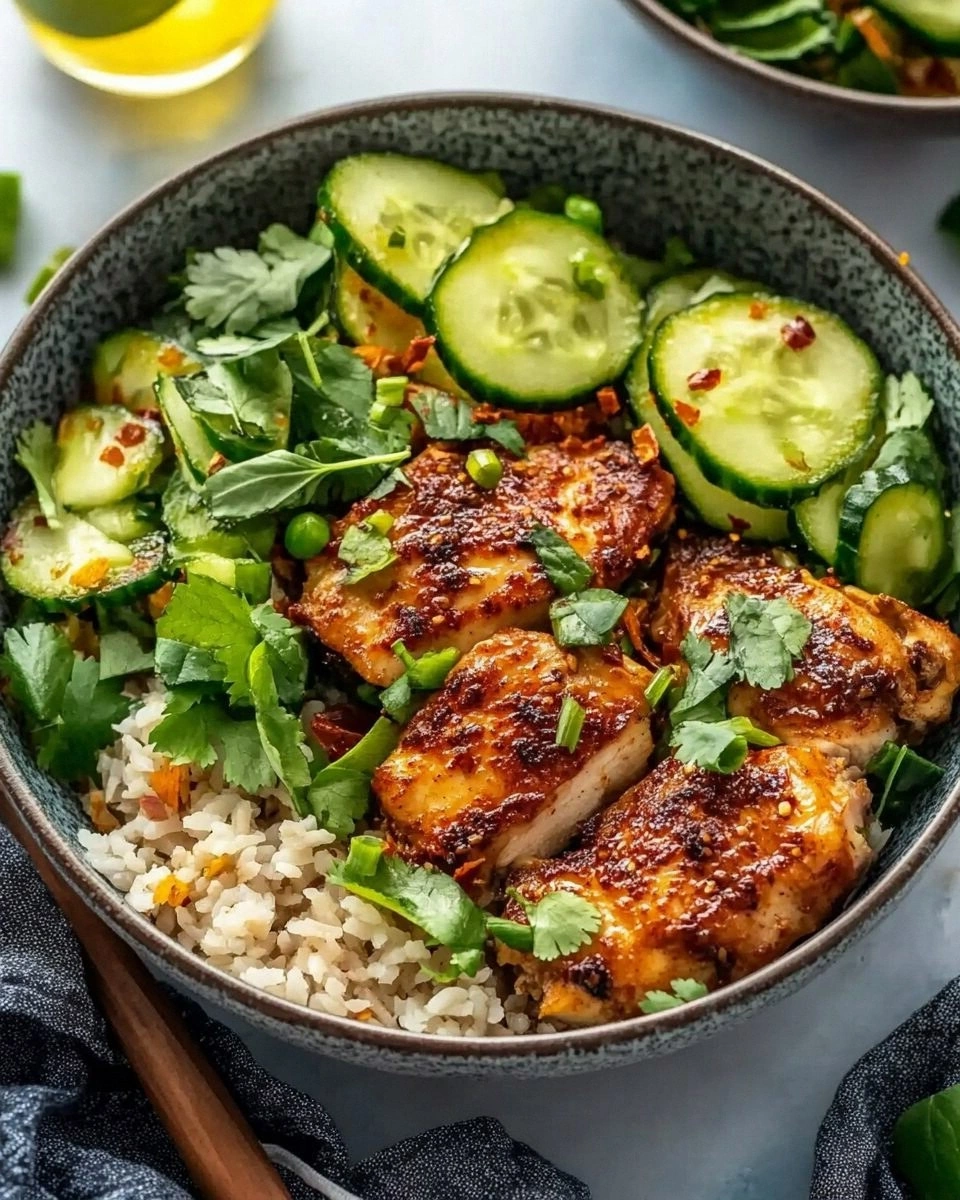
Picture the scene: a golden crust on the chicken, a glossy sheen of chili crisp coating every bite, and a whisper of lime that lifts the whole dish. The air is thick with the aroma of toasted sesame and the sharp tang of ginger, while the rice underneath swallows the sauce like a sponge. Every bite is a dance of crunch and melt, of heat that lingers and sweetness that balances it. I swear, that first spoonful was so good I almost forgot to write the recipe. And now, I’m going to walk you through every single step, so by the end you’ll wonder how you ever made it any other way.
I’ll be honest — I ate half the batch before anyone else got to try it. That’s not bragging; it’s a confession that this dish is dangerously addictive. The moment you taste it, you’ll feel the heat pop, the crunch pop, the sauce clinging to the rice like velvet. And then, just when you think you’ve had enough, the lime tang pulls everything together. That’s the secret sauce, not just the chili crisp. It’s a masterclass in balancing flavors, textures, and timing.
Most recipes get this completely wrong. They either skip the chili crisp, overcook the chicken, or forget the lime finish. The result is a bowl that tastes like a generic stir‑fry. This version, however, is hands down the best you’ll ever make at home. It’s a symphony of heat, umami, and bright acidity, all wrapped in a comforting rice base. If you’ve ever struggled with this, you’re not alone — and I’ve got the fix. Let’s dive into what makes this version stand out.
What Makes This Version Stand Out
- Flavor: The chili crisp sauce isn’t just spicy; it’s a complex blend of toasted sesame, fermented soy, and subtle sweetness that elevates every bite.
- Texture: The chicken is seared to a caramelized crust that crackles when you bite, while the rice absorbs the sauce, becoming silky yet fluffy.
- Heat Control: By using a measured amount of chili crisp and balancing it with honey and lime, the dish stays fiery but never overwhelming.
- Freshness: The cucumber and scallions add a crisp, cool contrast that cuts through the richness.
- Ingredient Quality: Using high‑quality sesame oil and freshly grated ginger gives depth that cheap substitutes can’t match.
- Make‑Ahead Potential: The sauce can be pre‑made, and the rice can be cooked ahead, so you’re ready to assemble in minutes.
- Visual Appeal: The bright green scallions and the glossy sheen of chili crisp make the bowl a feast for the eyes.
- Versatility: Swap the chicken for tofu, shrimp, or even tempeh and you have a new dish entirely.
Inside the Ingredient List
The Flavor Base
The heart of this dish is the chili crisp sauce. It’s a fiery, nutty condiment that brings depth and a subtle sweetness. The sauce’s toasted sesame seeds provide a crunchy bite, while the fermented soy adds umami that lingers on the palate. Without it, the bowl would feel like a plain stir‑fry. If you skip the sauce, you lose the signature “crisp” that sets this recipe apart. For a homemade version, simmer sesame oil, toasted sesame seeds, and chili flakes until fragrant, then blend with soy sauce and a touch of honey.
The Texture Crew
The chicken is the star of the texture show. Boneless skinless thighs are ideal because they stay juicy while developing a caramelized exterior. The rice, jasmine or short‑grain, acts as a sponge, soaking up the sauce and keeping the bowl moist. Carrots and cucumber add crispness that contrasts the soft rice and tender chicken. Toasted sesame seeds give a nutty crunch that breaks the monotony. If you prefer a softer bite, you can use chicken breast, but the thighs give the best flavor‑to‑texture ratio.
The Unexpected Star
Lime juice is the unsung hero that brightens the dish. It cuts through the richness of the sauce and adds a fresh citrus zing that awakens the senses. A splash of rice vinegar also contributes acidity but is more subtle. The garlic and ginger are the aromatic foundation that supports the chili crisp’s heat. Together, they create a layered flavor profile that feels both complex and harmonious. If you’re allergic to lime, a squeeze of lemon works, but the lime’s distinct aroma is irreplaceable.
The Final Flourish
The garnish is where the dish really shines. Scallions add a sharp, oniony bite that complements the sweetness of the honey. Toasted sesame seeds provide a nutty finish that lingers on the tongue. A drizzle of sesame oil gives a glossy sheen and a subtle nutty aroma. The lime wedges on the side allow diners to add an extra burst of citrus if desired. These final touches elevate the dish from simple to unforgettable. If you’re feeling adventurous, add a pinch of crushed red pepper for an extra kick.
Everything's prepped? Good. Let's get into the real action.
The Method — Step by Step
- First, rinse the jasmine rice under cold water until the water runs clear. This removes excess starch and ensures fluffy grains. Bring 1 cup of water to a boil in a medium saucepan, add the rice, reduce heat to low, cover, and simmer for 15 minutes. After 15 minutes, remove from heat and let the rice sit covered for another 10 minutes. Fluff with a fork to separate the grains. The rice should be tender yet slightly firm, ready to soak up the sauce.
- While the rice rests, pat the chicken thighs dry with paper towels. Patting dry ensures a better sear. Season the chicken generously with salt and pepper. In a large skillet, heat 2 tablespoons of sesame oil over medium‑high heat until shimmering. Add the chicken pieces, arranging them in a single layer. Let them sear for 4–5 minutes on each side until a caramelized crust forms, then remove and set aside. The chicken should have a golden exterior and a juicy interior.
- In the same skillet, add the remaining tablespoon of sesame oil. Toss in minced garlic and grated ginger, sautéing for 30 seconds until fragrant. The aroma should fill the kitchen like a warm hug. Add the chili crisp sauce, soy sauce, rice vinegar, and honey, stirring to combine. Bring the mixture to a gentle simmer; this melds the flavors and creates a glossy glaze. The sauce should thicken slightly and coat the back of a spoon.
- Return the seared chicken to the skillet, tossing to coat it in the sauce. Reduce the heat to medium-low and let everything simmer for 5 minutes, allowing the chicken to absorb the sauce. The edges of the chicken should start pulling away, creating a caramelized glaze. If the sauce thickens too much, add a splash of water to reach your desired consistency. This step is crucial for achieving that perfect balance of heat and moisture.
- Meanwhile, slice the cucumber into thin rounds and shred the carrots into matchsticks. These veggies add a refreshing crunch that contrasts the rich sauce. Chop the scallions into 1‑inch pieces, reserving some for garnish. Toast the sesame seeds in a dry skillet over medium heat until fragrant, about 2 minutes. Keep an eye on them; they can burn quickly. The toasted seeds will give a nutty flavor and a satisfying crunch.
- Once the sauce has thickened, stir in the lime juice. The acidity should brighten the dish, cutting through the richness. Taste the sauce; if it feels too sweet, add a pinch of salt. If it’s too salty, a splash of water or a bit more honey can balance it. The final sauce should be glossy, slightly viscous, and packed with layers of flavor.
- Divide the cooked rice into four bowls, creating a fluffy base for each. Spoon the sauced chicken over the rice, ensuring each bowl gets an even distribution of sauce and meat. Arrange the cucumber, carrot, and scallions on top, creating a colorful contrast. Sprinkle the toasted sesame seeds for that final crunch. The bowl should look vibrant, with layers of color and texture.
- For an extra pop, drizzle a little sesame oil over each bowl. This adds a glossy sheen and a subtle nutty aroma. Serve immediately while the chicken is still warm and the rice is fluffy. The first bite should be a burst of heat, followed by the sweet, savory sauce, and the crunchy veggies. If you prefer a milder version, reduce the amount of chili crisp or add a splash of yogurt or coconut milk.
- Watch Out: When adding the chili crisp sauce, keep the heat moderate. If the skillet gets too hot, the sauce can burn and develop a bitter taste. Stir constantly to avoid scorching. This step is the trickiest, but it pays off with a smooth, glossy glaze. If you’re new to cooking with chili crisp, start with a smaller amount and build up to your desired heat level.
- Kitchen Hack: If you want to save time, pre‑cook the rice and chill it in the refrigerator. When ready to serve, reheat the rice in a microwave or on the stovetop with a splash of water. The chilled rice will still absorb the sauce, but it will be ready in minutes. This hack is perfect for busy weeknights or when you’re hosting a dinner party.
- Final Touch: Garnish each bowl with a few fresh scallion stems and a squeeze of lime. The fresh green adds a pop of color, and the lime enhances the sauce’s brightness. Serve with a side of pickled vegetables or a simple cucumber salad to balance the heat. This bowl is a complete meal that feels indulgent yet nourishing. And that’s the moment of truth—taste it and feel the explosion of flavors.
That's it — you did it. But hold on, I've got a few more tricks that'll take this to another level. Stay tuned for insider tips that will elevate your dish from good to unforgettable.
Insider Tricks for Flawless Results
The Temperature Rule Nobody Follows
Many cooks over‑cook the chicken, resulting in dry meat. The trick is to sear at high heat for a short time, then finish at a lower temperature. This creates a caramelized exterior while keeping the inside juicy. I once tried searing at medium heat and ended up with a rubbery texture. The lesson? Keep the skillet hot until the first sear and then reduce the flame. This simple change can transform your dish.
Why Your Nose Knows Best
The aroma is the first indicator of readiness. When the sauce starts to bubble gently, the scent of toasted sesame and chili will fill the kitchen. This is the cue to add the chicken back in. If you wait too long, the sauce can become syrupy and lose its bright flavor. Trust your nose; it’s the most reliable guide to flavor development. A quick sniff before you stir will tell you if the sauce needs a little more time or a splash of water.
The 5‑Minute Rest That Changes Everything
After the rice has finished cooking, let it sit covered for 10 minutes. This step allows the grains to firm up and absorb any remaining moisture. Skipping it results in mushy rice that can’t hold the sauce. The rest also lets the flavors meld, giving the rice a subtle fragrance. I’ve seen people toss the rice immediately and end up with a soggy bowl. Give it that short rest, and the difference is palpable.
The Freshness Factor
Fresh scallions and cucumber add a bright, clean flavor that contrasts the richness of the sauce. If you can’t find fresh produce, frozen chopped veggies work, but they release water and can dilute the dish. Keep the vegetables crisp by slicing them just before serving. The crunch is essential; it breaks the monotony of the soft rice and chicken. I once used pre‑shredded carrots, and the texture was off. Fresh is always better.
The Perfect Balance of Sweet and Heat
Honey and chili crisp can be a balancing act. If you find the dish too sweet, add a splash of soy sauce to deepen the umami. Conversely, if it’s too salty, a pinch of sugar or a bit more honey can mellow it out. The key is to taste after each adjustment. I’ve spent hours tweaking the ratio, and the final result was a dish that satisfied both sweet and spicy cravings. Remember, the sauce should coat the rice like a glossy coat, not drown it.
The Final Touch of Oil
A drizzle of toasted sesame oil just before serving adds a glossy sheen and a nutty aroma that elevates the dish. The oil should be warm enough to release its aroma but not hot enough to scorch. Use a small spoon to drizzle, ensuring an even coat. This final step is often overlooked, but it makes a noticeable difference. I’ve seen people skip it, and the bowl feels a bit flat. Trust me, that little drizzle is worth it.
Creative Twists and Variations
This recipe is a playground. Here are some of my favorite ways to switch things up:
Tuna Takedown
Swap the chicken for fresh tuna steak, searing it for 2 minutes per side. The tuna’s buttery texture pairs beautifully with the chili crisp. Add a splash of soy sauce and a sprinkle of sesame seeds for extra depth. Serve over rice for a quick, protein‑rich meal. The tuna’s delicate flavor will shine through the sauce.
Vegetarian Vibes
Replace the chicken with marinated tofu cubes. Press the tofu to remove excess moisture before searing. The tofu will absorb the sauce and develop a crispy exterior. Add a handful of edamame for protein and color. This version is just as satisfying as the original.
Spicy Shrimp Splash
Use peeled shrimp instead of chicken. Sauté them for 1–2 minutes until pink and opaque. The shrimp’s sweetness complements the chili crisp’s heat. Add a pinch of crushed red pepper for an extra kick. Serve on a bed of jasmine rice for a seafood twist.
Korean Fusion
Incorporate gochujang into the sauce for an extra layer of umami. Use bulgogi‑marinated beef instead of chicken for a Korean flair. Top with a fried egg for richness. The gochujang’s fermented flavor adds depth that pairs well with the chili crisp.
Coconut Cream Comfort
Stir in a splash of coconut milk to the sauce for a creamy texture. Use a Thai basil garnish to add a fragrant finish. The coconut milk balances the heat, making it suitable for heat‑sensitive diners. Serve over jasmine rice for a tropical twist.
Asian Noodle Bowl
Swap rice for cooked soba or rice noodles. Toss the noodles with the sauce and chicken. Add sliced bell peppers for crunch. Finish with a sprinkle of crushed peanuts for an extra crunch. The noodles absorb the sauce beautifully, creating a satisfying bite.
Low‑Calorie Option
Use skinless chicken breast and reduce the amount of sesame oil. Substitute honey with a natural sweetener like stevia to lower calories. Add more vegetables, such as bok choy or spinach, to increase volume. The dish remains flavorful while cutting down on fat and sugar.
Storing and Bringing It Back to Life
Fridge Storage
Store the cooked bowls in an airtight container for up to 3 days in the refrigerator. Keep the sauce separate until ready to eat to prevent the rice from becoming soggy. When you’re ready to reheat, gently warm the bowl in the microwave for 1–2 minutes, stirring halfway through. Add a splash of water if the rice looks dry. This method preserves the texture and flavor.
Freezer Friendly
The dish freezes well in individual portions. Separate the sauce from the rice and chicken to maintain texture. Freeze in an airtight container for up to 2 months. When reheating, thaw overnight in the fridge or use the microwave’s defrost setting. Reheat on the stovetop with a splash of water to restore moisture. The flavors meld beautifully after thawing.
Best Reheating Method
The best way to revive this dish is on the stovetop. Place the bowl in a non‑stick skillet, add a tablespoon of water, and cover. Heat over medium heat until the sauce is warmed through and the rice is steaming. Stir gently to combine. This method restores the sauce’s glossy texture and the rice’s fluffiness. Avoid microwaving the sauce alone, as it can become rubbery.