I remember the night I was supposed to impress a friend who swears he can make the best shawarma in town. I tried my hand at a cauliflower version, and the kitchen erupted in a smoky, aromatic chaos. My cauliflower florets had never seen such a fiery, fragrant coating before, and the moment they hit the hot pan, the air filled with a scent that felt like a desert sunset. I was staring at the sizzling florets, wondering if this was a culinary masterpiece or a disaster waiting to happen. The truth? It was a triumph, and I was ready to share every sizzling detail with you.
Picture this: a bowl of cauliflower, a drizzle of olive oil, a sprinkle of spices that would make a spice rack blush, and a splash of lemon that brightens the entire dish. The sound of the cauliflower hitting the pan is a satisfying crack that makes you want to shout, "I dare you to taste this and not go back for seconds!" The first bite is a symphony—crisp edges that shatter like thin ice, a burst of smoky paprika, and the subtle sweetness of garlic powder. The sauce that follows is a creamy tahini drizzle that coats the florets like velvet, with a tang that lifts the whole experience. If you've ever struggled to make a vegetarian dish that feels like a feast, this is the recipe that will change your perspective.
What makes this cauliflower shawarma stand out is not just the bold spices but the meticulous balance of flavors and textures. I swear, this is hands down the best version you'll ever make at home. The cauliflower is roasted to a golden caramelization, the spices are toasted to release their essential oils, and the tahini sauce is silky and tangy. The dish is so versatile that you can serve it as a main course, a hearty snack, or a party platter. And if you’re worried about prep time, I’ll show you how to keep it quick without sacrificing depth. Let me walk you through every single step—by the end, you'll wonder how you ever made it any other way.
Before we dive into the recipe, let me share a little kitchen confession: I ate half the batch before anyone else got a chance to taste it. That’s how addictive it is. The first bite is like a flavor explosion that lingers, and the second bite is a reminder that you’re still in the zone of culinary bliss. I promise you, once you try it, you’ll be adding this dish to your rotation like you add your favorite playlist. And if you think you’ve tried every cauliflower recipe out there, think again. This version is a game-changer that will rewrite your expectations.
What Makes This Version Stand Out
- Flavor Depth: The blend of cumin, coriander, smoked paprika, and a hint of cayenne creates a layered, complex profile that mimics Middle Eastern shawarma without the meat. The toasted spices release their oils, turning the cauliflower into a fragrant, caramelized masterpiece.
- Texture Contrast: The cauliflower is roasted to a crisp edge while staying tender inside, giving you that satisfying crunch that shatters like thin ice. The tahini sauce adds a silky finish that coats each bite, creating a delightful harmony of textures.
- Healthful & Simple: With only a handful of pantry staples and fresh herbs, you can whip this up in under an hour. No fancy equipment required—just a skillet, a baking sheet, and your love for bold flavors.
- Make‑Ahead Friendly: The roasted cauliflower can be stored in the fridge for up to three days, and the tahini sauce keeps well for a week. This dish is perfect for meal prep or a quick weeknight dinner.
- Crowd‑Pleaser: Even the most skeptical meat lovers will fall in love with the savory, aromatic profile. The dish is so flavorful that it can be the centerpiece of a dinner party or a simple family meal.
- Ingredient Quality: Using a fresh cauliflower head and high‑quality tahini elevates the dish. The quality of the spices—especially the smoked paprika—plays a huge role in delivering that authentic shawarma punch.
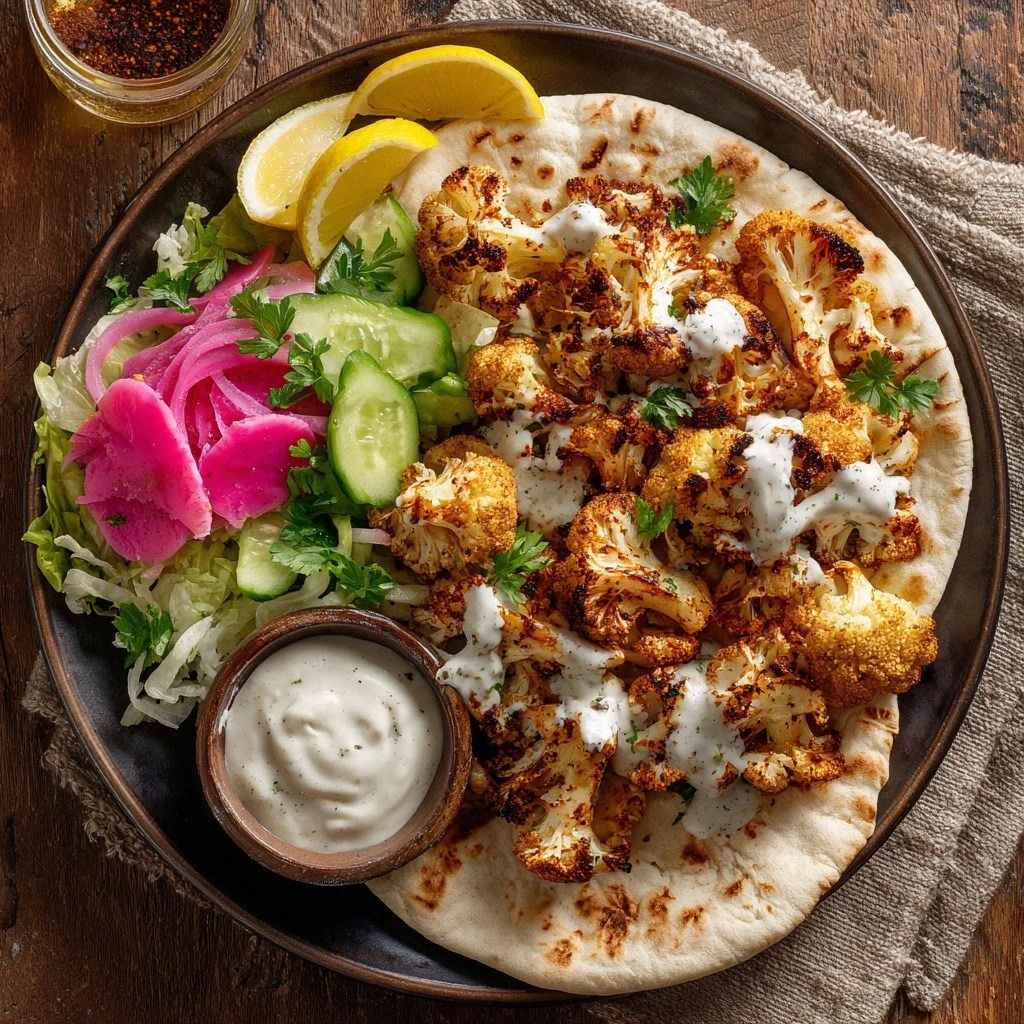
- Visual Appeal: The golden roasted florets, vibrant green parsley garnish, and creamy tahini drizzle create a dish that looks as good as it tastes. Instagram‑ready plating is guaranteed.
Inside the Ingredient List
The Flavor Base
The heart of this dish is the spice blend. Ground cumin, ground coriander, smoked paprika, garlic powder, onion powder, turmeric, and cayenne work together to create a savory, aromatic foundation. Each spice brings its own character: cumin for earthiness, coriander for citrusy brightness, smoked paprika for depth, and a pinch of cayenne for heat. If you skip any of these, the dish will feel flat, lacking the complexity that defines shawarma. Swap smoked paprika for regular paprika if you prefer a milder flavor, but be warned: you’ll lose that smoky undertone that gives the dish its signature character.
The Texture Crew
Olive oil is the secret to crispy edges. It coats the cauliflower, allowing it to roast evenly and develop that golden caramelization. Use a high‑smoke point oil if you’re aiming for extra crispness. If you prefer a lighter version, substitute half the oil with vegetable broth for a subtle savory note. Remember, the amount of oil matters—too little and the florets will steam instead of roast, resulting in soggy bites.
The Unexpected Star
Tahini sauce is the unexpected star that transforms this dish from simple to spectacular. Made with tahini, lemon juice, minced garlic, water, and a pinch of salt, the sauce is creamy, tangy, and silky. Tahini is high in healthy fats and protein, giving the dish a satisfying richness without the heaviness of cream. If you’re allergic to sesame, you can replace tahini with cashew cream, though the flavor profile will shift slightly. The sauce also doubles as a dipping sauce for pita or flatbread, expanding the dish’s versatility.
The Final Flourish
Fresh parsley, lemon zest, and a splash of lemon juice add brightness and a fresh herbal note that cuts through the richness of the tahini. The parsley provides a pop of color, while the lemon zest and juice give a citrusy lift that keeps the dish from feeling heavy. If you’re not a fan of parsley, cilantro or mint can be used as a substitute, each adding its own unique aroma. The final flourish is what turns a good dish into a memorable one.
Everything's prepped? Good. Let's get into the real action...
The Method — Step by Step
- Preheat your oven to 425°F (220°C). Line a baking sheet with parchment paper to prevent sticking. This high heat is critical for caramelizing the cauliflower and developing that signature crust. If your oven runs hot, lower the temperature by 25°F to avoid burning.
- Wash the cauliflower head and cut it into bite‑sized florets. Pat them dry with a paper towel to remove excess moisture; this ensures crispness. Toss the florets in a bowl with 2 tbsp olive oil, making sure each piece is evenly coated. The oil not only helps with browning but also carries the spices into the cauliflower.
- In a separate small bowl, combine 1 tsp ground cumin, 1 tsp ground coriander, 1 tsp smoked paprika, 1 tsp garlic powder, 1 tsp onion powder, 0.5 tsp turmeric, and 0.25 tsp cayenne pepper. Add 1 tsp salt and 0.5 tsp black pepper. Stir until the spices are well mixed. This blend is the flavor backbone of the dish; don't skip it.
- Sprinkle the spice mix over the cauliflower florets and toss until every piece is coated. The spices will start to toast slightly as they hit the hot pan, creating a fragrant aroma that will fill your kitchen. This is the moment where you can truly taste the difference—watch the spices sizzle.
- Arrange the seasoned cauliflower in a single layer on the prepared baking sheet. Make sure the pieces aren't crowded; otherwise, they'll steam instead of roast. Roast for 20-25 minutes, flipping halfway through, until the edges are golden and crisp. The inside should be tender but not mushy.
- While the cauliflower roasts, prepare the tahini sauce. In a small bowl, whisk together 0.5 cup tahini, 1 tbsp lemon juice, 1 minced garlic clove, 2 tbsp water, and 0.25 tsp salt until smooth. If the sauce is too thick, add a bit more water until you reach a drizzle‑able consistency. This sauce is the silky, tangy complement to the roasted florets.
- Once the cauliflower is done, remove it from the oven and let it rest for 5 minutes. This short rest allows the steam to escape, keeping the florets crisp. Sprinkle 1 tbsp lemon zest and 2 tbsp lemon juice over the roasted cauliflower. The citrus will brighten the dish and balance the richness of the tahini.
- Transfer the cauliflower to a serving bowl. Drizzle the prepared tahini sauce over the top, then garnish with 0.5 cup chopped fresh parsley. Toss gently to coat every piece with sauce and herbs. The final presentation should look vibrant and inviting.
- Serve immediately with warm pita, flatbread, or over a bed of couscous. If you prefer a cooler meal, let it sit at room temperature for a few minutes before serving. The dish is best enjoyed while the cauliflower is still slightly warm and the sauce is silky.
- If you’re making a batch for later, store the roasted cauliflower and tahini sauce separately in airtight containers. Reheat the cauliflower in the oven at 350°F (175°C) for 10 minutes, then drizzle with fresh tahini sauce before serving. This method keeps the cauliflower crisp and the sauce creamy.
That's it — you did it. But hold on, I've got a few more tricks that'll take this to another level...
Insider Tricks for Flawless Results
The Temperature Rule Nobody Follows
Many cooks set the oven to 400°F, but that temperature is too low for achieving a perfect caramelized crust. I recommend 425°F (220°C) for a quick, crisp finish. The high heat helps the cauliflower develop a golden exterior while keeping the interior tender. If your oven runs hot, lower the temperature by 25°F to avoid burning. This small adjustment can make the difference between a good dish and a great one.
Why Your Nose Knows Best
The aroma of roasting spices is the first indicator that your dish is on track. If the spices start to burn, you’ll notice a bitter scent that signals you need to lower the heat or stir the cauliflower. Keep an eye on the color of the florets; a golden brown is your cue to pull them out. Trust your nose—it’s the most reliable kitchen sense.
The 5-Minute Rest That Changes Everything
After roasting, let the cauliflower rest for 5 minutes before drizzling the tahini sauce. This brief pause allows the steam to escape, keeping the florets crisp. During this time, the flavors meld, creating a harmonious balance between the spices and the lemon zest. Skipping this step can result in soggy florets that lose their crunch.
The Right Pan Matters
A non‑stick baking sheet is ideal for roasting cauliflower because it prevents sticking and promotes even browning. If you don’t have a non‑stick sheet, line it with parchment paper. The parchment acts as a barrier, ensuring the cauliflower doesn’t stick and you can easily clean up afterward. This simple trick saves time and frustration.
The Secret to a Creamy Tahini Sauce
Tahini can be thick and gritty if not properly whisked. Add the water gradually until you reach a silky, drizzle‑ready consistency. If the sauce is too thin, add a splash of tahini; if it’s too thick, add a splash of water. A well‑balanced sauce coats the cauliflower without weighing it down.
Creative Twists and Variations
This recipe is a playground. Here are some of my favorite ways to switch things up:
Spicy Chickpea Shawarma
Add a cup of cooked chickpeas to the cauliflower before roasting. The chickpeas absorb the spices, creating a hearty, protein‑rich version. Serve with a side of tabbouleh for a complete Mediterranean meal.
Roasted Sweet Potato & Cauliflower
Swap half the cauliflower for diced sweet potatoes. The natural sweetness of the sweet potato balances the savory spices, giving the dish a new dimension of flavor. The colors contrast beautifully on the plate.
Herbed Yogurt Drizzle
Replace the tahini sauce with a herbed yogurt dip made from plain yogurt, lemon juice, garlic, and chopped dill. This lighter option is perfect for hot summer evenings and adds a cool, refreshing element.
Smoky Eggplant Addition
Roast thin slices of eggplant alongside the cauliflower for an extra smoky layer. The eggplant’s meaty texture complements the cauliflower, creating a more complex dish that’s still vegetarian.
Crispy Falafel‑Style Topping
Crush the roasted cauliflower with a fork, then mix it with chickpea flour, herbs, and spices to form a dough. Shape into small patties and pan‑fry until golden. Serve with tahini sauce for a crunchy, protein‑packed bite.
Mediterranean Salad Twist
Serve the roasted cauliflower over a bed of mixed greens, cherry tomatoes, cucumbers, and olives. Drizzle with the tahini sauce and sprinkle with feta crumbles for a full‑blown Mediterranean salad.
Storing and Bringing It Back to Life
Fridge Storage
Store the roasted cauliflower in an airtight container in the refrigerator for up to 3 days. Keep the tahini sauce separate to prevent the cauliflower from becoming soggy. When ready to serve, reheat the cauliflower in the oven at 350°F (175°C) for 10 minutes.
Freezer Friendly
The cauliflower can be frozen for up to 2 months. Blanch the florets in boiling water for 2 minutes, then transfer to an ice bath. Drain and freeze on a parchment‑lined tray. Once frozen, transfer to a freezer bag for long‑term storage.
Best Reheating Method
To revive the cauliflower, preheat your oven to 375°F (190°C). Spread the florets on a baking sheet and bake for 12-15 minutes until crisp. Add a splash of water before reheating to steam the cauliflower back to perfection and prevent it from drying out.