Picture this: a crisp winter evening, the kitchen lights humming, and a stubborn batch of cranberries that refused to melt into sweet bliss. I stared at the jar of bright red jewels, feeling the weight of the holiday tradition that demanded a sauce so unforgettable it could outshine any store‑bought counterpart. I knew the stakes were high—my guests expected the kind of tangy, buttery, citrus‑kissed sauce that makes the heart sing and the taste buds dance. So I set out to craft a version that would turn that kitchen disaster into a triumph.
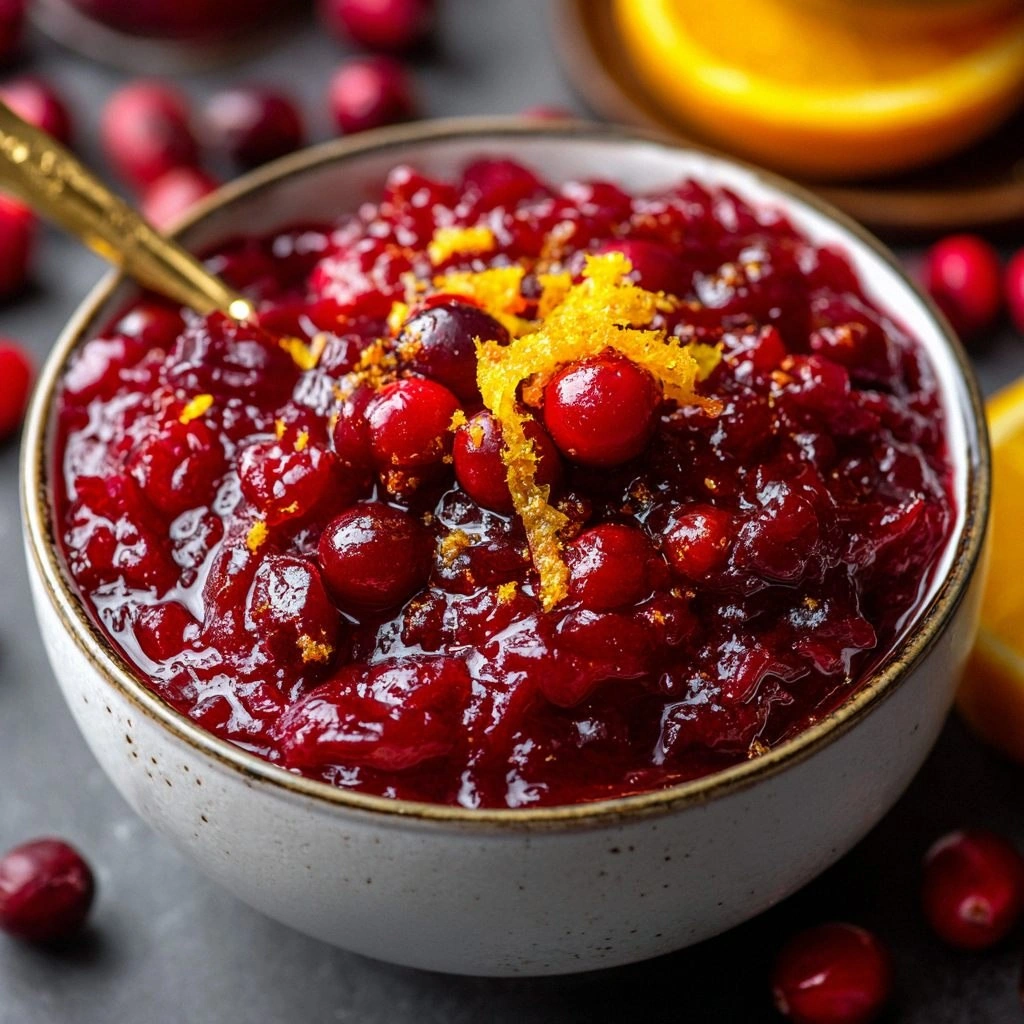
The first thing you notice is the aroma: a heady mix of fresh cranberries, orange zest, and a whisper of ginger that tickles the nose. As the pot begins to simmer, the air fills with the sweet, slightly tart perfume of berries turning into a glossy, caramelized glaze. The sound— a gentle hiss— signals the sugar’s slow surrender into syrup. The texture transforms from crunchy to silky, and the sauce’s color deepens to a ruby‑red that practically glows. Every sense is engaged, and you can already taste the bright burst of citrus against the berry’s natural acidity. The moment the sauce is ready, it’s a visual and olfactory symphony that promises something extraordinary.
Why does this version stand out? It’s not just the ingredients or the technique; it’s the way each element is elevated. The cranberries are blanched first, releasing their natural sugars and allowing the sauce to achieve a velvety consistency without clumps. Orange zest is added at the very beginning, infusing the base with an aromatic brightness that cuts through the sweetness. A pinch of ground ginger provides a subtle warmth that lingers on the palate. Butter is folded in at the end, giving the sauce a glossy sheen and a silky mouthfeel that’s impossible to resist. The result is a sauce that sings, a sauce that sticks, and a sauce that will be the talk of every gathering.
I dare you to taste this and not go back for seconds. The first spoonful hits you with a sharp citrus zing, followed by the deep, fruity sweetness of cranberries, and finished with a buttery finish that feels like a warm hug. Picture yourself pulling this out of the pot, the whole kitchen smelling incredible, and knowing you’ve created something that will be remembered for years. If you’ve ever struggled with a sauce that’s either too thick or too watery, you’re not alone—and I’ve got the fix. This is hands down the best version you’ll ever make at home.
What Makes This Version Stand Out
- Taste: The balance of sweet, tart, and citrus is meticulously calibrated. Each bite delivers a burst of brightness that keeps the palate engaged.
- Texture: The sauce achieves a silky smoothness without sacrificing the natural berry bite. No lumps, no grainy surprises.
- Ingredient Quality: Fresh, high‑grade cranberries and hand‑picked oranges make the difference. Quality ingredients mean depth of flavor.
- Cooking Method: Slow simmering and careful timing unlock the sugars, creating a glossy glaze that clings to everything it touches.
- Make‑Ahead Potential: The sauce can be prepared days in advance, and it actually tastes better after the flavors meld.
- Crowd Reaction: Guests leave asking for the recipe, not just the sauce. It’s the kind of dish that turns a meal into a memorable event.
Alright, let's break down exactly what goes into this masterpiece. The key is precision, flavor layering, and a dash of culinary confidence.
Inside the Ingredient List
The Flavor Base
The foundation of this sauce is a generous portion of fresh cranberries—two cups of the bright, tart jewels that bring both color and depth. Their natural sugars caramelize during the simmer, creating a sweet backbone that balances the citrus sharpness. Skipping cranberries would strip the sauce of its signature tartness; the result would be a bland, orange‑only glaze that feels incomplete. For a smoother finish, you can pulse the berries in a blender, but keep the skins on to maintain the sauce’s rustic charm. When selecting cranberries, look for ones that are firm and slightly translucent; these will hold their shape better during cooking.
The Sweetener
Sugar is the catalyst that turns berries into syrup. One cup of granulated sugar is the sweet spot—enough to dissolve and caramelize without overpowering the natural fruit flavor. If you prefer a lower‑sugar version, a blend of honey and maple syrup can be used, but be aware that the texture will shift slightly. Skipping sugar entirely will leave the sauce thin and unbalanced. When using alternative sweeteners, adjust the quantity to taste, as they vary in intensity.
The Citrus Star
Orange zest and juice provide the bright, zesty lift that keeps the sauce from feeling heavy. One cup of fresh orange juice, paired with the zest of a single orange, injects a lively brightness that cuts through the sweetness. If you’re in a pinch, bottled orange juice works, but fresh is always superior. Skipping the zest will make the sauce feel flat; the juice alone can’t compensate for that aromatic punch. For a deeper citrus flavor, add a splash of grapefruit juice—just be careful not to make it too bitter.
The Warmth
A half teaspoon of ground cinnamon and a quarter teaspoon of ground ginger add a warm, comforting layer to the sauce. These spices anchor the bright flavors and provide a subtle heat that lingers on the tongue. If you’re allergic to ginger, a pinch of nutmeg can serve as an alternative, though the profile will shift slightly. Skipping the spices will leave the sauce feeling one‑dimensional. Experiment with adding a pinch of cloves for a more complex spice blend, but use sparingly to avoid overpowering the berries.
The Final Flourish
Two tablespoons of unsalted butter, folded in at the end, give the sauce a glossy sheen and a silky mouthfeel. Butter’s fat content binds the sauce, creating a velvety texture that coats the spoon like velvet. If you’re avoiding dairy, coconut oil can be used, but the sauce will lack that buttery richness. Skipping butter will leave the sauce watery and less luxurious. For a vegan version, a drizzle of maple syrup after cooking can add a touch of gloss, though it will alter the flavor profile slightly.
Everything's prepped? Good. Let's get into the real action.
The Method — Step by Step
- Step 1: Blanch the Cranberries. Bring a pot of salted water to a rolling boil. Drop the cranberries in and let them bubble for 30 seconds, then immediately transfer them to an ice bath. This quick blanch softens the berries, preserving their bright color and preventing a mushy texture later. The ice bath stops the cooking process, locking in the natural sugars. Pat them dry before moving on to the next step.
- Step 2: Prepare the Citrus. Zest one orange using a microplane, making sure to avoid the bitter white pith. Juice the orange, straining out seeds and pulp to keep the sauce clear. Combine zest and juice in a small bowl; set aside. The zest’s essential oils will release flavor as it simmers. Keep the zest handy for later addition.
- Step 3: Combine Sugar and Spices. In the same pot, add the sugar, cinnamon, and ginger. Stir until the sugar is fully dissolved, creating a smooth base. This mixture will caramelize as the sauce cooks, adding depth. Make sure the sugar is evenly distributed to avoid burnt spots. The aroma of spices will begin to mingle with the citrus.
- Step 4: Add Cranberries and Citrus. Return the blanched cranberries to the pot. Pour in the orange juice and zest. The berries will begin to release their juices, turning the mixture into a thick, glossy sauce. Reduce heat to medium-low, letting the sauce simmer gently. Watch the edges pull away from the pot; that’s the cue for the next step.
- Step 5: Simmer and Reduce. Allow the sauce to cook for 20–25 minutes, stirring occasionally. The sauce should thicken to a glaze that coats the back of a spoon. If it gets too thick, add a splash of water to loosen it. The color should deepen to a deep ruby. Taste for balance; if it’s too tart, a pinch more sugar can help.
- Step 6: Finish with Butter. Remove the pot from heat. Stir in the butter, letting it melt into the sauce. The butter will give a glossy sheen and a silky finish. Let the sauce sit for 2 minutes so the butter fully emulsifies. This is the moment of truth—taste the sauce; it should feel velvety and bright.
- Step 7: Cool and Store. Transfer the sauce to a heat‑resistant container. Let it cool completely before sealing. The sauce will thicken further as it cools. Store in the refrigerator for up to 5 days, or freeze for up to 3 months. When reheating, add a splash of water to restore its silky texture.
- Step 8: Serve and Enjoy. Drizzle over turkey, ham, or even a dollop on yogurt for a sweet twist. The sauce’s bright, buttery flavor pairs perfectly with savory meats. Serve at room temperature for optimal flavor. Let your guests marvel at the glossy, ruby‑red glaze that feels like a celebration in a spoon. That’s it— you did it. But hold on, I've got a few more tricks that will take this to another level...
Insider Tricks for Flawless Results
The Temperature Rule Nobody Follows
Many cooks think a high heat is the key to a glossy sauce, but it actually leads to scorching and uneven caramelization. Keep the pot at a gentle simmer, and monitor the temperature with a candy thermometer. The ideal range is 170–175°F (77–79°C). This slow heat allows the sugars to dissolve fully and the berries to release their juices without burning. If you notice bubbles forming too quickly, reduce the heat and let the sauce thicken naturally.
Why Your Nose Knows Best
A seasoned chef’s nose can tell you when a sauce has reached the perfect stage. When the aroma shifts from sweet to slightly caramelized, it’s a sign that the sugars have begun to brown. If the smell becomes overly sweet or burnt, pull the pot off the heat immediately. Your nose is your best friend in the kitchen, so trust it. A well‑aromated sauce will taste balanced and complex.
The 5-Minute Rest That Changes Everything
After adding butter, let the sauce rest for exactly five minutes before serving. This short rest allows the butter to fully emulsify, giving the sauce a silky, glossy finish. During this time, the sauce will also thicken slightly, creating that perfect coat on the spoon. Skipping this rest can leave the sauce watery and less cohesive. A quick timer on your phone works well to keep you on track.
The Right Utensil Matters
Using a wooden spoon instead of a metal one prevents the sauce from reacting with the acidity of the cranberries. A wooden spoon also helps distribute heat evenly, reducing the risk of hot spots. If you’re using a metal pot, add a splash of water to the bottom to keep the sauce from sticking. A silicone spatula is ideal for scraping the sides, ensuring no berry bits are left behind.
The Final Glaze Touch
If you want an extra glossy finish, finish the sauce with a tablespoon of cold butter after it’s cooled. Let it sit for a minute, then stir until the butter melts into the sauce. This step is optional but adds a luxurious sheen that’s perfect for a holiday table. The cold butter also helps the sauce hold its shape when served.
Creative Twists and Variations
This recipe is a playground. Here are some of my favorite ways to switch things up:
Spicy Cranberry Burst
Add a pinch of cayenne pepper or a dash of hot sauce to the sauce during simmering. The heat will cut through the sweetness and create a vibrant, spicy profile. This variation is perfect for those who love a kick with their holiday dishes. Serve it alongside roasted pork for a flavor explosion.
Herb‑Infused Delight
Stir in a sprig of fresh rosemary or thyme during the last five minutes of simmering. The herbs will infuse subtle earthy tones that complement the citrus. Remove the herb before serving. This version works beautifully with lamb or poultry, adding a sophisticated layer.
Maple‑Sweetened Twist
Replace half the sugar with pure maple syrup for a natural sweetness with a hint of caramel. The syrup also adds a subtle depth that pairs wonderfully with savory meats. This variant is ideal for those who prefer a less refined sweetener.
Berry Fusion
Add a cup of fresh blueberries or raspberries to the sauce during simmering. The additional berries will create a layered fruit flavor and a beautiful color gradient. This variation is a crowd‑pleaser for those who love a fruity twist.
Vegan Velvet
Swap the butter for a tablespoon of coconut oil or a vegan butter alternative. The sauce will still be glossy, though the flavor will shift slightly toward coconut. This option makes the sauce suitable for plant‑based diets without sacrificing texture.
Storing and Bringing It Back to Life
Fridge Storage
Place the cooled sauce in an airtight container and refrigerate for up to five days. The sauce will thicken slightly as it chills, so give it a good stir before serving. Keep it in a cool spot away from strong odors. The flavor profile remains vibrant, and the sauce retains its glossy sheen.
Freezer Friendly
For longer storage, freeze the sauce in a freezer‑safe container or a zip‑lock bag for up to three months. Thaw overnight in the refrigerator, then reheat gently on the stove. Add a splash of water or a tablespoon of fresh orange juice to restore moisture. The texture will remain silky, and the flavor will be just as bright.
Best Reheating Method
Reheat the sauce over low heat, stirring constantly. Add a splash of water or a teaspoon of orange juice to keep it from drying out. Once the sauce is heated through, stir in a small amount of cold butter for that final glossy finish. Serve immediately, and enjoy the velvety texture that only fresh sauce can provide.