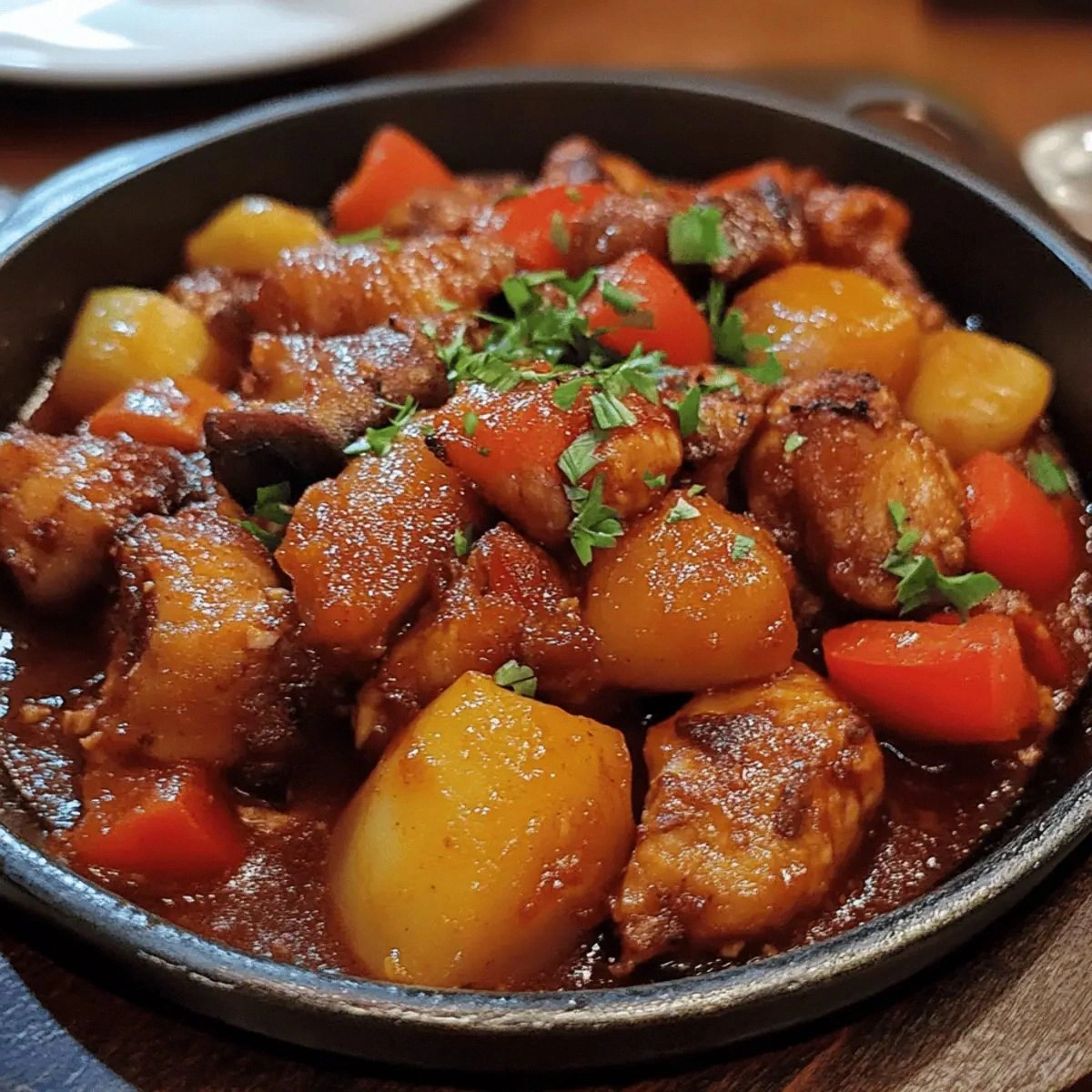
Ever had a Sunday dinner that turned into a culinary catastrophe? I was halfway through a batch of short ribs when the sauce I’d been simmering decided to turn into a sticky, burnt glaze, and the whole kitchen smelled like a barbecue gone rogue. I stared at the charred edges, felt the heat radiate off the pan, and thought, “What if I could turn this disaster into a triumph?” That moment sparked a culinary obsession, and I set out to reinvent the classic Hawaiian BBQ short ribs with a twist that would make my taste buds sing.
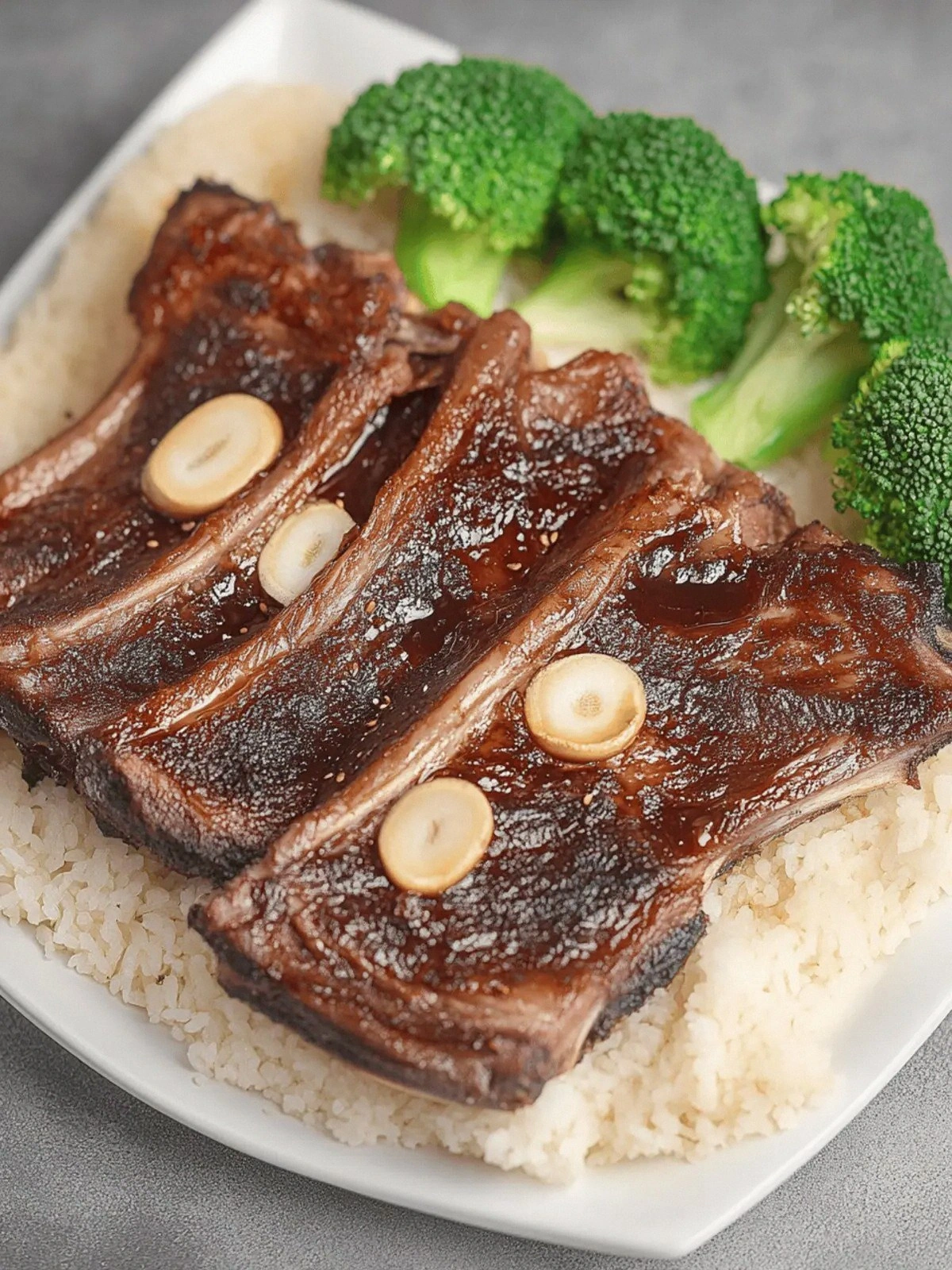
Picture this: the first bite is a burst of sweet pineapple, a splash of umami soy, and a hint of ginger that lingers like a secret. The sauce coats the meat like velvet, then caramelizes into a glossy, caramelized crust that cracks when you bite into it, releasing a smoky aroma that makes the whole kitchen smell like a tropical summer night. The short ribs themselves are tender enough to fall off the bone, yet firm enough to hold their shape, giving you that satisfying chew that keeps you coming back for more. And the moment you taste the first bite, you’ll hear the sizzle of the pan, the clink of the garlic cloves, and the faint pop of pineapple juice hitting the heat—absolute perfection.
What makes this version stand out is that I’ve taken the classic Hawaiian BBQ short ribs and infused it with a bold, Asian-inspired flavor profile that turns the dish from ordinary to unforgettable. I’ve replaced the usual brown sugar with a touch of pineapple juice to deepen the sweetness, added a subtle kick of ginger for warmth, and finished it with sesame oil to give it a nutty finish. The result is a sauce that is silky, sticky, and perfectly balanced between sweet and savory, with a finish that lingers on the palate like a summer breeze. I dare you to taste this and not go back for seconds—once you’ve had one, you’ll be craving it for every meal.
If you’ve ever struggled with making short ribs that are too dry or too sweet, you’re not alone—and I’ve got the fix. I’ll walk you through every single step, from the first sear to the final glaze, and by the end, you’ll wonder how you ever made it any other way. Let’s dive into the sauce that makes these ribs unforgettable.
What Makes This Version Stand Out
- Taste: The sauce is a harmonious blend of sweet pineapple, savory soy, and aromatic ginger, creating a flavor profile that is both exotic and comforting. It’s like a tropical vacation in every bite.
- Texture: The ribs achieve a perfect balance of melt-in-your-mouth tenderness and a caramelized crust that snaps delightfully. The sauce’s glaze adds a glossy sheen that’s as pleasing to the eye as it is to the palate.
- Simplicity: With only seven ingredients, you can create a restaurant-quality dish in under an hour. No complicated techniques, just sear, simmer, and serve.
- Uniqueness: The addition of pineapple juice and ginger gives this recipe a distinct edge, setting it apart from the typical sweet-and-sour BBQ ribs you’ll find on most menus.
- Crowd Reaction: At family gatherings, this dish always becomes the highlight. Guests ask for the recipe by the end of dinner, and you’ll see them licking their fingers and begging for seconds.
- Ingredient Quality: Using high‑quality short ribs and fresh ginger ensures the flavor stays bright and the texture stays succulent, turning a simple cut of meat into a showstopper.
- Cooking Method: A quick sear followed by a slow simmer in a flavorful sauce locks in juices and develops depth without the need for a slow cooker or oven.
- Make‑Ahead Potential: The ribs can be cooked ahead of time and reheated with a splash of pineapple juice, making it ideal for parties or busy weeknights.
Alright, let's break down exactly what goes into this masterpiece...
Inside the Ingredient List
The Flavor Base
1/2 cup Soy Sauce: This is the backbone of the sauce, providing depth of umami that balances the sweetness of the pineapple. Soy sauce also acts as a natural preservative, keeping the ribs juicy. If you can’t find low‑sodium soy, use regular soy and reduce the sugar slightly. A good rule of thumb: start with the full amount and taste; you can always tweak later.
The Texture Crew
1/4 cup Brown Sugar: Brown sugar caramelizes beautifully, giving the glaze that glossy, sticky finish that clings to the ribs. If you’re watching your carbs, you can swap half the amount for honey or maple syrup; the result is still deliciously sweet. Keep in mind that honey will add a distinct floral note, while maple will deepen the caramel undertone.
1 tablespoon Sesame Oil: Sesame oil adds a subtle nutty aroma that elevates the dish. It also helps prevent the sauce from sticking during the final simmer. If you’re allergic or simply don’t have it on hand, a splash of toasted rice vinegar can mimic the brightness, but the nutty finish will be missing.
The Unexpected Star
1/4 cup Pineapple Juice: Pineapple juice brings natural sweetness and a mild acidity that brightens the sauce. It also contains bromelain, a natural tenderizer that helps break down connective tissue in the short ribs, making them extra tender. If you can’t find fresh pineapple juice, canned pineapple juice (no added sugar) works just fine.
3 cloves Garlic: Fresh garlic adds sharpness that cuts through the richness of the meat. Mince finely to release maximum flavor. If you’re sensitive to garlic, reduce the amount or use garlic powder, but the fresh cloves give a vibrant kick.
The Final Flourish
1 tablespoon Ginger: Fresh ginger brings warmth and a subtle heat that complements the sweet pineapple. Grated ginger ensures the flavor is evenly distributed. If you prefer a milder version, use ginger powder, but the fresh zest is key to the dish’s character.
2 pounds Short Ribs: Choose bone‑in short ribs for maximum flavor; they’re budget‑friendly and have a good meat‑to-bone ratio. Trim excess fat before searing to prevent flare‑ups. If you can’t find short ribs, you can use chuck steak or brisket, but the texture will differ slightly.
Everything's prepped? Good. Let's get into the real action...
The Method — Step by Step
- Step 1: Pat the ribs dry. Use paper towels to remove excess moisture; this ensures a good sear. Season both sides generously with salt and pepper. Heat a heavy skillet over medium‑high heat and add a splash of vegetable oil. Once the oil shimmers, place the ribs in the pan, skin side down if applicable. Let them sear for 4–5 minutes until a golden crust forms, then flip and sear the other side for an additional 3–4 minutes. The goal is a caramelized exterior that locks in juices.
- Step 2: Add aromatics. Reduce the heat to medium and add the minced garlic and grated ginger to the pan. Cook for 30 seconds, stirring constantly, until fragrant. Watch out for the garlic; if it starts to brown too quickly, lower the heat. This step builds the aromatic base that will permeate the ribs as they cook.
- Step 3: Deglaze with soy sauce. Pour in the soy sauce, scraping the bottom of the pan with a wooden spoon to lift the browned bits. Those bits are flavor gold. Let the sauce simmer for 2 minutes, allowing it to reduce slightly. This creates a richer base for the glaze.
- Step 4: Add pineapple juice. Pour in the pineapple juice, stirring to combine. The juice’s natural acidity helps tenderize the meat while adding a bright, tropical sweetness. Bring the mixture to a gentle boil, then reduce the heat to low. Cover the skillet loosely with foil to keep the ribs from drying out.
- Step 5: Simmer the ribs. Let the ribs cook for 25–30 minutes, turning them occasionally to ensure even coating. The sauce should thicken and coat the ribs like a glossy coat. If the sauce starts to stick, add a splash of water or broth to loosen it. Keep the lid on to trap steam and keep the meat moist.
- Step 6: Finish with sesame oil. Once the ribs are tender, stir in the sesame oil. This adds a nutty aroma and helps the glaze set into a shiny glaze. Give the ribs a final stir to coat them evenly. The sauce should be thick enough to cling to each rib without dripping off.
- Step 7: Rest before serving. Remove the ribs from the pan and let them rest for 5 minutes on a cutting board. This allows the juices to redistribute, keeping the meat moist. While they rest, you can drizzle a little extra glaze over the top for an extra burst of flavor.
- Step 8: Plate and garnish. Slice the ribs between the bones if you prefer individual portions. Arrange them on a platter and drizzle any remaining glaze over the top. Sprinkle toasted sesame seeds and sliced green onions for color and a subtle crunch. Serve immediately with a side of steamed rice or a crisp slaw to cut through the richness.
- Step 9: Enjoy. Take a bite, feel the melt-in-your-mouth tenderness, and savor the sweet‑savory glaze. The first bite will send a wave of tropical flavor through your senses, and you’ll be tempted to dig in again. Remember to share the secret with friends—this dish is too good to keep to yourself.
- Step 10: Clean up. Let the pan cool before washing. The residual glaze can be scraped off with a paper towel and rinsed with warm water. A quick clean-up keeps your kitchen ready for the next culinary adventure.
That's it — you did it. But hold on, I've got a few more tricks that'll take this to another level...
Insider Tricks for Flawless Results
The Temperature Rule Nobody Follows
Many cooks think that a high heat is the key to a great sear, but the truth is that a controlled medium‑high temperature ensures a beautiful crust without burning the sugars. Set your stove to medium‑high, then lower it slightly after adding the aromatics to avoid scorching the garlic. If you’re using a cast‑iron skillet, preheat it for 5 minutes before adding the oil; this guarantees even heat distribution.
Why Your Nose Knows Best
Your nose is a powerful tool for judging doneness. As the ribs cook, the aroma will shift from sharp garlic to sweet, caramelized sauce. When the smell is rich and slightly smoky, the ribs are ready. Trust that scent; it’s the quickest way to avoid over‑cooking.
The 5‑Minute Rest That Changes Everything
Resting the ribs after cooking allows the juices to redistribute, preventing them from spilling out when you cut into the meat. A short 5‑minute rest is enough to keep the ribs juicy while still allowing the glaze to set. If you’re plating immediately, a quick pat with a paper towel removes excess glaze for a cleaner presentation.
The Right Pan Matters
A heavy skillet or a Dutch oven with a tight lid traps steam and heat, creating a moist environment that tenderizes the meat. Avoid non‑stick pans for searing; the metal surface gives better caramelization. If you’re short on equipment, a stainless‑steel pan will work just fine.
The Secret of the Sweet‑Savory Balance
Balancing sweetness and saltiness is crucial. If the sauce feels too sweet, add a splash of soy sauce or a pinch of salt. If it’s too salty, a teaspoon of brown sugar or a bit more pineapple juice can mellow it out. Taste as you go, and adjust in small increments.
Creative Twists and Variations
This recipe is a playground. Here are some of my favorite ways to switch things up:
Spicy Hawaiian Fusion
Add a tablespoon of sriracha or a pinch of crushed red pepper flakes to the sauce for a fiery kick. The heat pairs beautifully with the sweet pineapple, creating a contrast that excites the palate. Serve with a cooling cucumber salad to balance the spice.
Miso‑Infused Short Ribs
Replace half the soy sauce with white miso paste for a deeper umami flavor. Miso also adds a subtle fermented note that complements the sweetness. Keep the rest of the ingredients the same; the result is a richer, more complex glaze.
Coconut‑Creamy Finish
Finish the sauce with a splash of coconut milk after simmering. The creaminess mellows the acidity and creates a silky texture. Pair with a coconut rice or a light mango salsa for a tropical vibe.
Smoky BBQ Twist
Add a teaspoon of smoked paprika or a few drops of liquid smoke to the sauce before simmering. The smokiness enhances the barbecue flavor while still keeping the Hawaiian sweetness intact. This version is perfect for grill‑style presentations.
Herb‑Enhanced Variation
Stir in a handful of fresh cilantro or Thai basil during the final simmer. The herbs add a bright, aromatic layer that lifts the dish. Serve with a squeeze of lime to brighten the flavors even further.
Low‑Carb Alternative
Swap the brown sugar for a sugar‑free sweetener like erythritol or monk fruit. Reduce the pineapple juice to 1/8 cup and add a splash of water to keep the sauce from becoming too thick. This version keeps the flavor profile while cutting carbs.
Storing and Bringing It Back to Life
Fridge Storage
Store the cooked ribs in an airtight container in the refrigerator for up to 4 days. Keep the glaze in a separate container to prevent the meat from becoming soggy. When reheating, add a splash of pineapple juice or water to loosen the sauce, then warm gently on the stovetop.
Freezer Friendly
Wrap the ribs tightly in foil or plastic wrap, then place in a freezer bag. Freeze for up to 3 months. Thaw overnight in the refrigerator, then reheat with a splash of pineapple juice to restore moisture. The glaze may thicken after freezing, so stir well before serving.
Best Reheating Method
Reheat in a skillet over low heat, adding a tablespoon of water or pineapple juice to keep the ribs moist. The gentle heat prevents the sauce from burning and maintains the caramelized glaze. Finish with a drizzle of sesame oil for that final glossy finish.