I was in the middle of a late‑night dinner party, juggling a pot of noodles, a wok of veggies, and a bowl of bland sauce that tasted like a grocery‑store disappointment. The moment the sauce hit the table, the room erupted in sighs—my guests were ready to ditch the dish for a bag of chips. That disaster became the spark that lit my culinary curiosity: a sauce that could turn a mediocre meal into a headline‑making experience in just five minutes.
Picture this: the aroma of toasted sesame oil rising from the skillet, the bright pop of lime juice cutting through the creamy peanut butter, and the subtle crackle of fresh ginger as it sizzles. Your ears catch the faint hiss of a hot pan, your fingers feel the heat of a wok, and the first spoonful drips onto your tongue like a silky, velvety blanket of flavor. The taste is a dance—sweet, salty, tangy, and a whisper of heat that lingers just long enough to make you crave more.
What makes this version stand out is that it’s not just a sauce; it’s a shortcut to culinary mastery. It uses a single bowl to combine the core elements, eliminates the need for a blender, and balances nutrition without sacrificing taste. The result is a sauce that coats every bite, elevates any dish, and leaves you wondering why you ever settled for anything less.
I’ll drop a hint now: the secret to that silky texture isn’t extra water—it’s the precise ratio of peanut butter to liquid, and a splash of rice vinegar that brightens the whole profile. Let me walk you through every single step—by the end, you'll wonder how you ever made it any other way.
What Makes This Version Stand Out
- Flavor: The sauce balances the rich, nutty depth of peanut butter with the bright acidity of lime and the subtle heat of red pepper flakes, creating a complex yet approachable flavor profile.
- Texture: The creamy consistency is achieved without a blender, thanks to the gentle whisking technique that incorporates the liquids smoothly.
- Simplicity: All ingredients are common pantry items, and the entire process takes less than five minutes—perfect for busy nights.
- Nutrition: Using natural sweeteners like maple syrup and low‑sodium soy sauce keeps the sauce heart‑healthy while still delivering a punch of protein.
- Versatility: It works as a stir‑fry sauce, a dip, or a drizzle over salads, making it a multi‑purpose staple in any kitchen.
- Make‑ahead: The sauce keeps well in the fridge for up to a week, so you can prep it ahead and simply reheat when the mood strikes.
Alright, let's break down exactly what goes into this masterpiece...
Inside the Ingredient List
The Flavor Base
Peanut butter is the heart of the sauce, providing a natural sweetness and a thick, velvety body that clings to noodles and veggies alike. A generous cup of creamy peanut butter keeps the sauce rich without being overpowering. If you skip it, the sauce will lose its signature depth and become a watery drizzle.
Soy sauce offers umami and saltiness; low‑sodium varieties keep the dish light yet flavorful. The 1/4 cup of soy sauce balances the sweetness of maple syrup and the acidity of lime. Skipping it will leave the sauce tasting flat and one‑dimensional.
The Texture Crew
Water or coconut milk acts as the emulsifying agent, helping the peanut butter integrate with the other liquids. A splash of water (2 tbsp) keeps the sauce pourable, while coconut milk can add a subtle tropical note. If you omit the liquid, the sauce will thicken too much, making it difficult to coat.
Rice vinegar brightens the overall flavor profile, cutting through the richness of the peanuts. 1 tbsp of vinegar adds a citrusy tang that lifts the sauce. Without vinegar, the sauce may taste too heavy and cloying.
The Unexpected Star
Fresh ginger and garlic bring aromatic warmth and a slight peppery bite that complements the sweet and salty notes. Grated ginger (1 tsp) and minced garlic (1 clove) infuse the sauce with depth and a subtle kick. Skipping these will result in a sauce that feels flat and lacks the characteristic Southeast Asian punch.
Red pepper flakes provide a gentle heat that lingers on the palate. A 1/4 tsp pinch gives a balanced warmth without overwhelming the dish. If you love a fiery kick, you can increase the flakes to taste, but beware—too much can mask the nuanced flavors.
The Final Flourish
Toasted sesame oil, sesame seeds, cilantro, and green onions add layers of texture and freshness. A tablespoon of sesame oil gives a nutty aroma; toasted sesame seeds add a satisfying crunch. Chopped cilantro and sliced green onions provide brightness and a herbal lift that cuts through the richness.
If you’re vegetarian, this sauce is already plant‑based, but for a protein boost, you can toss in tofu or shrimp after the sauce is finished. The garnish not only adds visual appeal but also enhances the overall flavor tapestry.
Everything's prepped? Good. Let's get into the real action...
The Method — Step by Step
- Begin by heating a non‑stick skillet over medium heat. Add the tablespoon of toasted sesame oil, letting it shimmer. When the oil is hot, introduce the minced garlic and grated ginger, sautéing until fragrant—about 30 seconds. This step releases their essential oils, setting the aromatic foundation of the sauce.
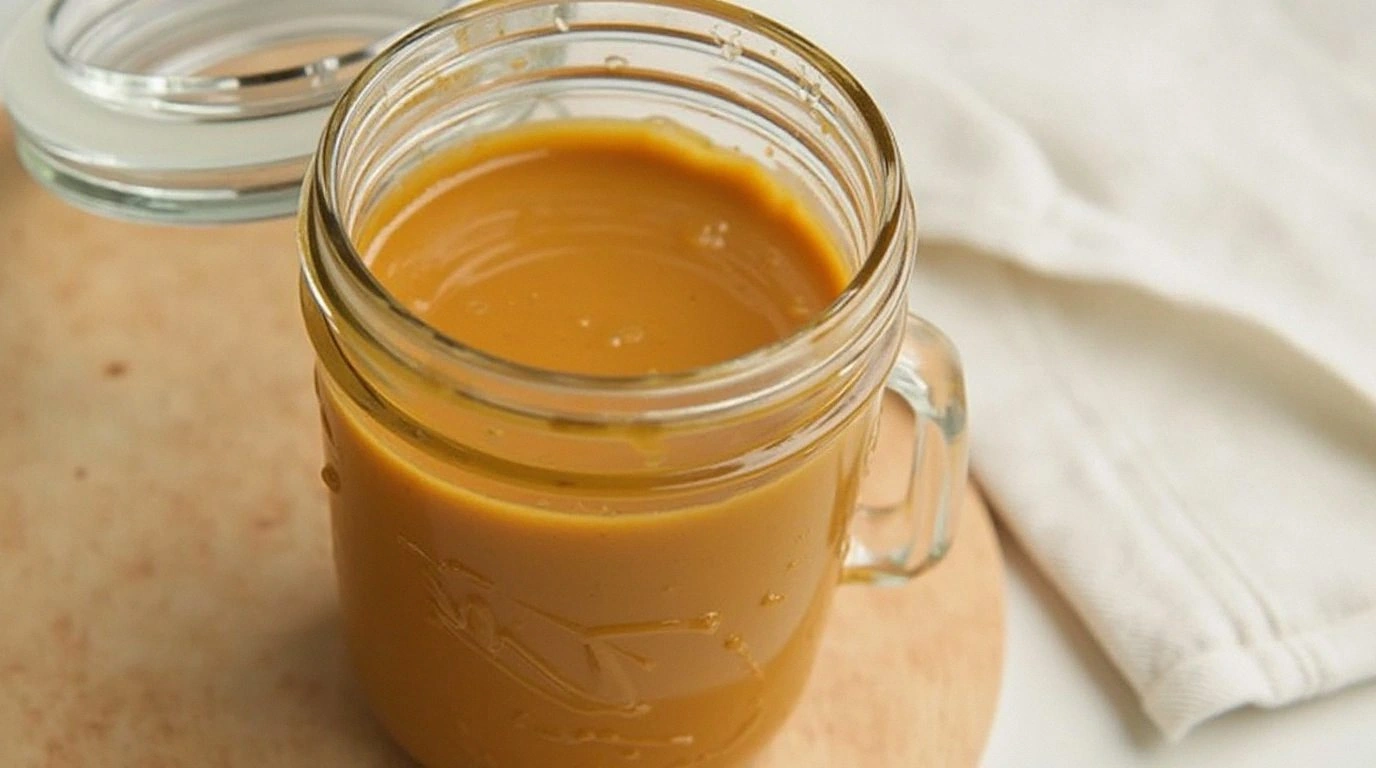
- Pour in the cup of creamy peanut butter, stirring until it starts to melt. Watch closely: the peanut butter should soften, not burn. This creates a smooth base that will accept the liquids without clumping.
- Add the 1/4 cup of low‑sodium soy sauce and 2 tbsp of water, whisking constantly. The mixture should begin to thicken slightly but remain pourable. At this point, you can use a kitchen hack: a quick swirl of a spoon will help integrate the liquids and prevent separation.
- Introduce the 2 tbsp of fresh lime juice, 1 tbsp of maple syrup, and 1 tbsp of rice vinegar. Each addition brings a layer of brightness, sweetness, or acidity, balancing the richness. Stir until the sauce is silky and all components are fully blended.
- Season with 1/4 tsp of red pepper flakes. Taste the sauce; it should have a subtle heat that complements the other flavors. If you prefer a milder version, reduce the flakes to 1/8 tsp.
- Lower the heat to low, allowing the sauce to simmer for 1‑2 minutes. This step ensures the flavors meld together and the sauce thickens just enough to coat. Be careful not to let it boil; a gentle simmer preserves the delicate balance.
- Add the toasted sesame seeds, chopped cilantro, and sliced green onions, stirring to distribute them evenly. The garnish adds crunch and a fresh herbal note that cuts through the creamy base. This is the moment where the sauce transforms from simple to spectacular.
- Remove the skillet from the heat. Let the sauce rest for a minute; the residual heat will thicken it slightly, making it even more luscious. This brief pause is crucial—skip it and the sauce may feel too thin.
That's it — you did it. But hold on, I've got a few more tricks that'll take this to another level...
Insider Tricks for Flawless Results
The Temperature Rule Nobody Follows
The key to a silky sauce is maintaining a low, steady heat. A hot pan will cause the peanut butter to separate and develop a burnt taste. I always use a low‑heat setting after the initial sauté and let the sauce simmer gently. If you’re new to this, remember: patience is the secret ingredient.
Why Your Nose Knows Best
Your nose is the best judge of when the sauce has hit the sweet spot. A faint citrusy aroma from the lime and a subtle nutty scent from the peanut butter indicate that the flavors are balanced. If the sauce smells overly sweet or sour, adjust the maple syrup or lime accordingly.
The 5-Minute Rest That Changes Everything
Letting the sauce rest for a minute after removing it from heat allows the residual heat to finish the melding process. It also gives the sesame seeds time to settle, creating a more uniform texture. Skipping this step can leave the sauce feeling uneven.
The Quick Whisk Trick
If your sauce starts to thicken too quickly, give it a quick whisk to break up any lumps. A wooden spoon works best because it’s gentle and won’t scrape the pan. This simple action keeps the sauce smooth.
The Toasted Sesame Boost
Toasted sesame oil adds depth, but if you’re watching calories, you can substitute it with a light drizzle of sesame oil or even a teaspoon of toasted sesame seeds. The aroma will still be there, and the sauce will keep its signature nutty note.
Creative Twists and Variations
This recipe is a playground. Here are some of my favorite ways to switch things up:
Spicy Coconut Curry
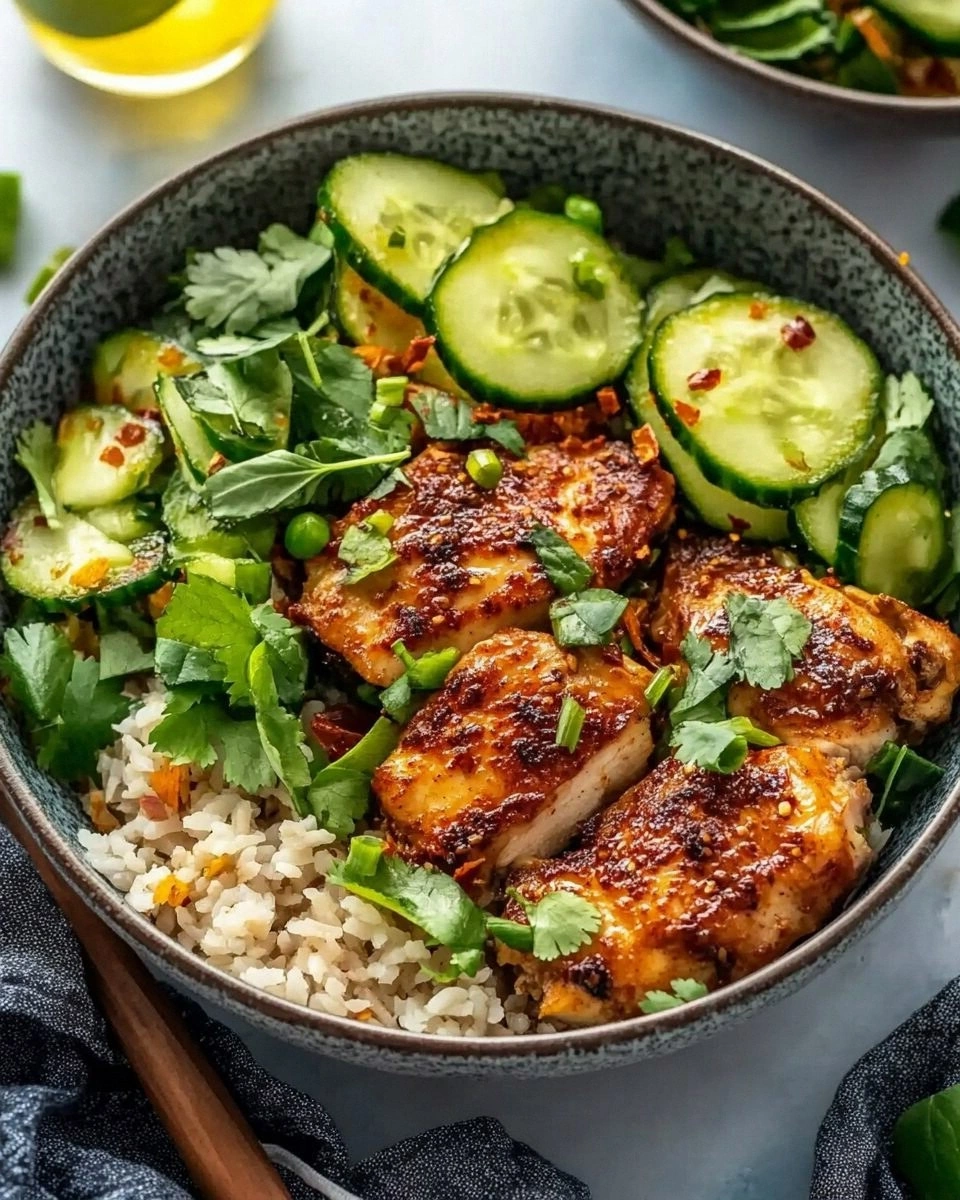
Swap the water for coconut milk and add a tablespoon of red curry paste. The sauce becomes a creamy curry that pairs beautifully with jasmine rice and grilled chicken.
Vegan Sweet & Sour
Replace maple syrup with agave nectar and add a splash of tamarind paste. This version delivers a tangy sweetness that complements steamed veggies or tofu.
Garlic‑Infused Peanut Sauce
Increase the minced garlic to two cloves and sauté until golden. The sauce takes on a robust, savory character that works well with stir‑fried beef or pork.
Herb‑Rich Green Sauce
Add a handful of fresh basil and mint leaves during the final stir. The fresh herbs give the sauce a bright, almost Mediterranean twist that pairs well with pasta.
Low‑Carb Delight
Reduce the maple syrup to half a tablespoon and replace the water with bone broth. The sauce stays low in carbs while maintaining its rich flavor.
Storing and Bringing It Back to Life
Fridge Storage
Transfer the sauce to an airtight container and refrigerate for up to 5 days. The flavors deepen over time, making it even more delicious for the next meal. When you’re ready to use it, give it a quick stir to re‑emulsify.
Freezer Friendly
The sauce freezes well for up to 3 months. Store it in a freezer‑safe container, leaving a little headspace for expansion. Thaw overnight in the fridge and reheat gently on the stove, adding a splash of water to restore the original consistency.
Best Reheating Method
To reheat, place the sauce in a saucepan over low heat and stir frequently. Add a tiny splash of water or coconut milk before heating; this steams the sauce back to perfection, preventing it from thickening too much.